NumPy Infinity: np.inf, isinf(), and nan_to_num()
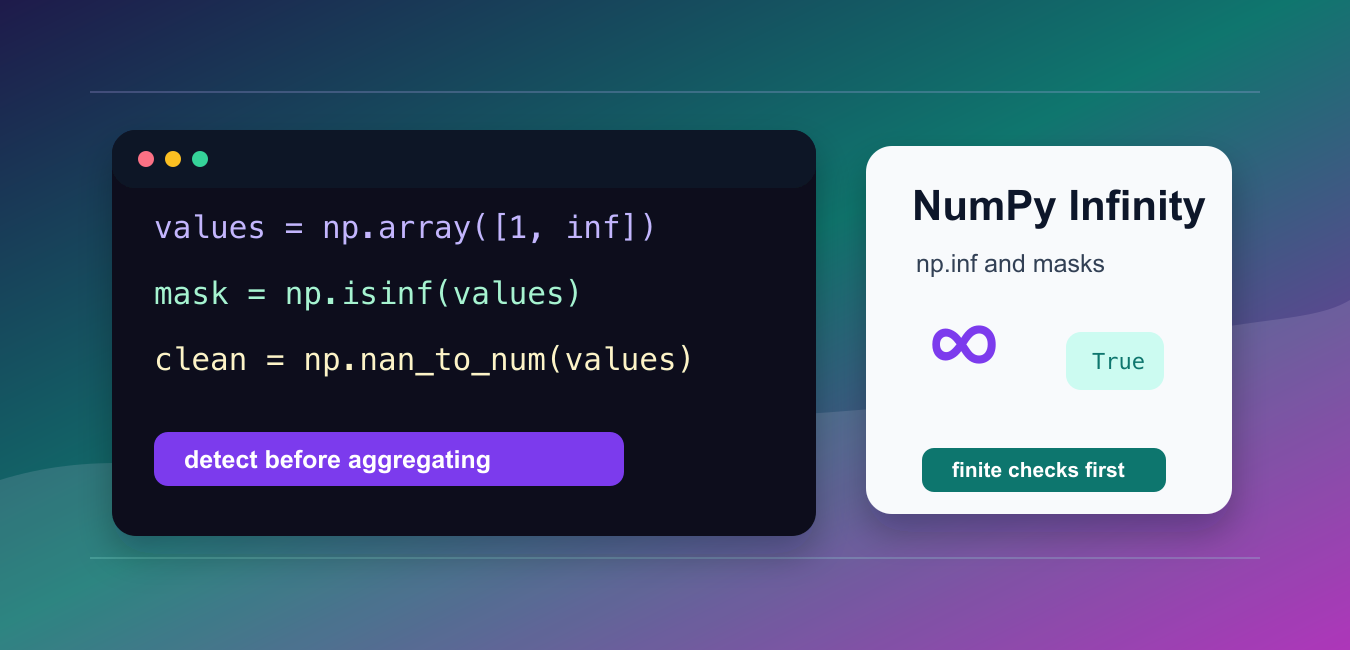
Detect and handle NumPy positive and negative infinity with isinf, isfinite, sign masks, and documented nan_to_num replacements.
Browse practical Python tutorials, error fixes, library guides, data science examples, and project ideas from Python Pool.
Detect and handle NumPy positive and negative infinity with isinf, isfinite, sign masks, and documented nan_to_num replacements.
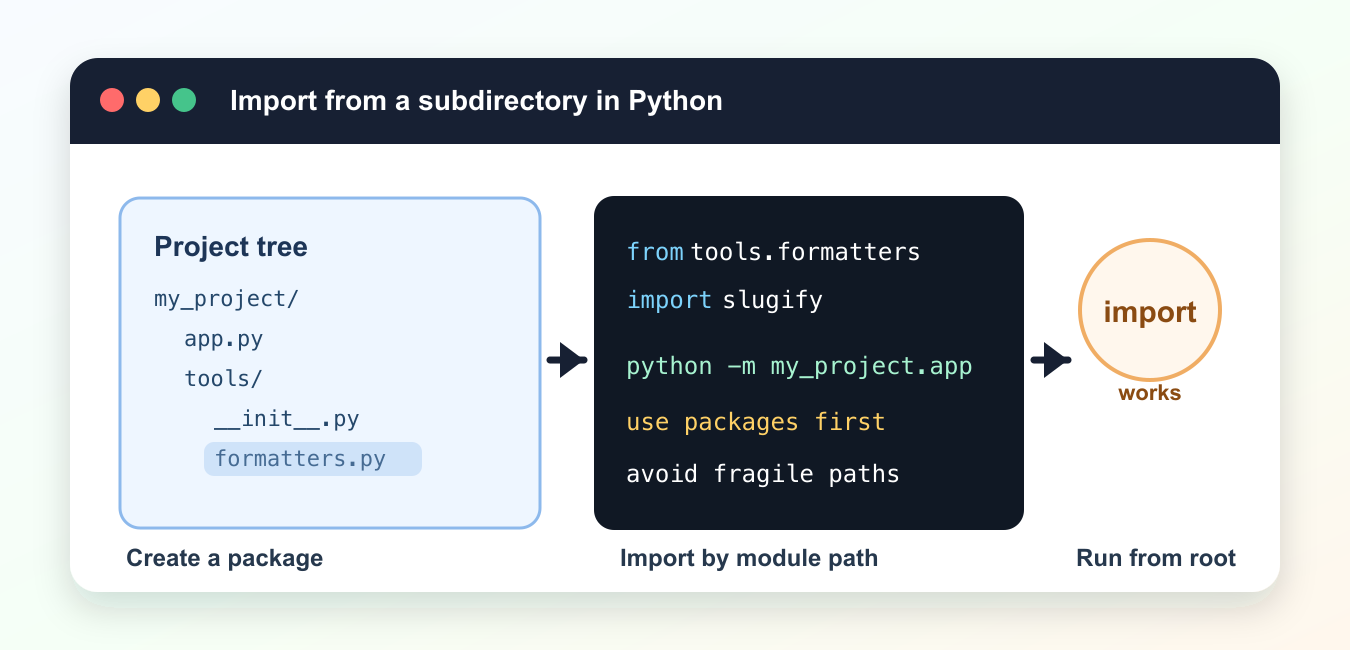
Import Python modules from a subdirectory using packages, __init__.py, absolute and relative imports, PYTHONPATH, and python -m without fragile path hacks.
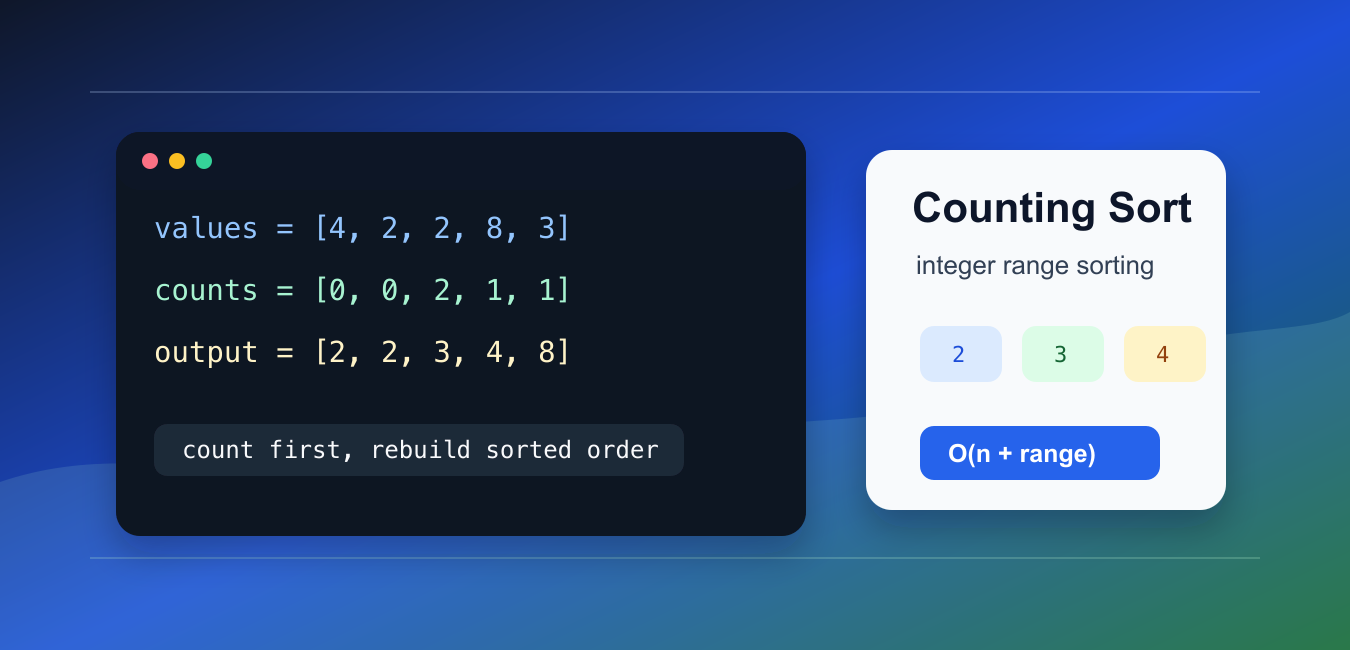
Implement counting sort in Python for bounded integers with frequency arrays, negative values, stability choices, memory limits, and complexity tradeoffs.

Use NumPy log2() for scalar and array base-2 logarithms, handle zeros and negatives, use where masks, and change logarithm bases safely.
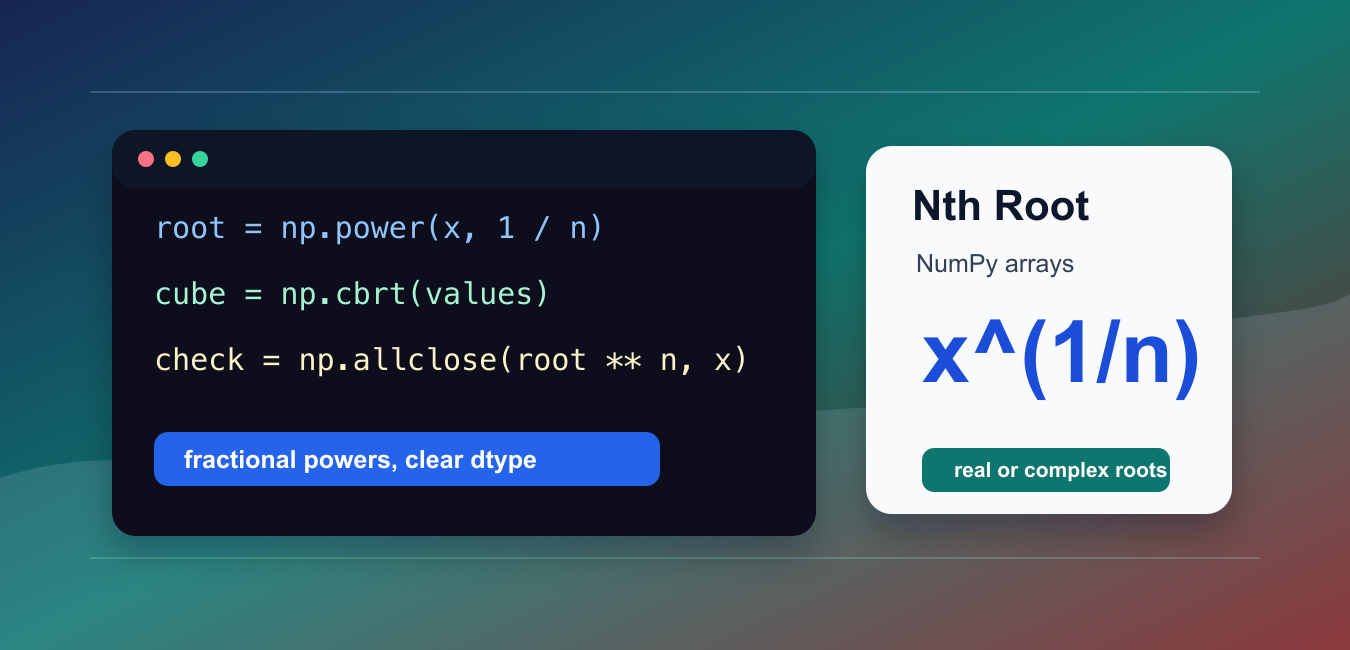
Calculate NumPy nth roots with np.power and np.cbrt, handle negative inputs, and choose real or complex results deliberately.
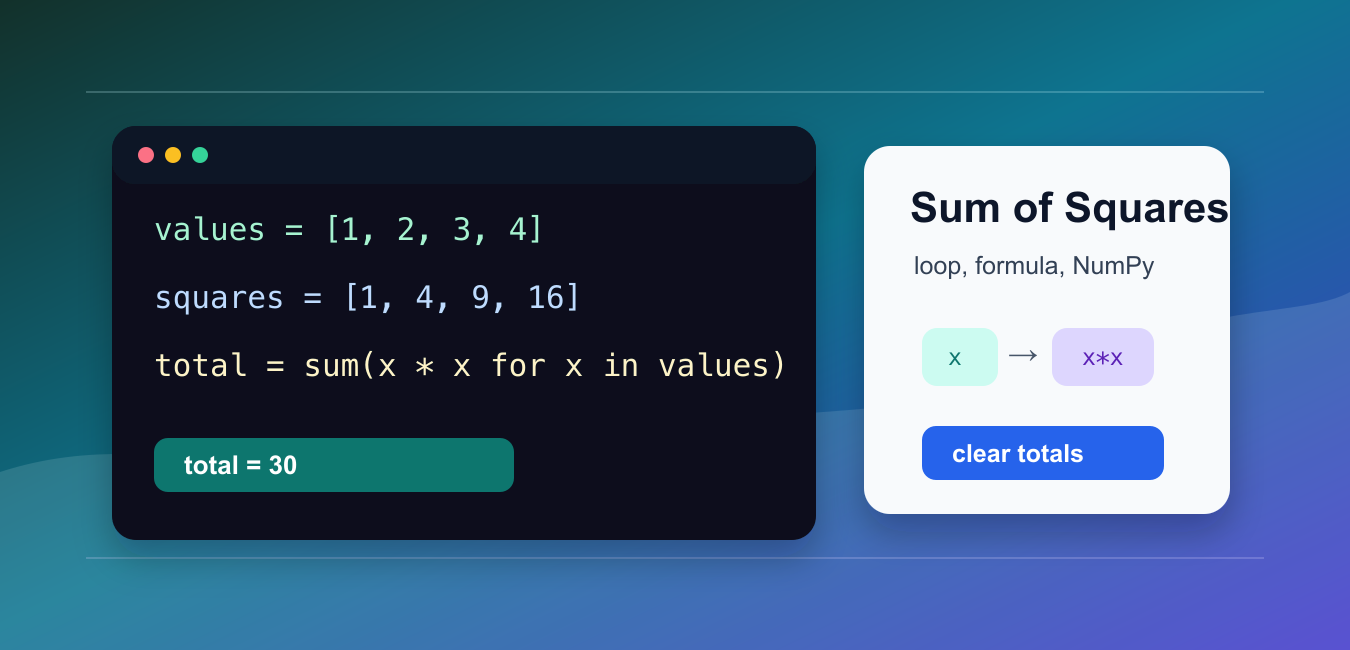
Calculate a sum of squares in Python with generator expressions, formulas, math.fsum, NumPy arrays, and a clear distinction from squaring a sum.
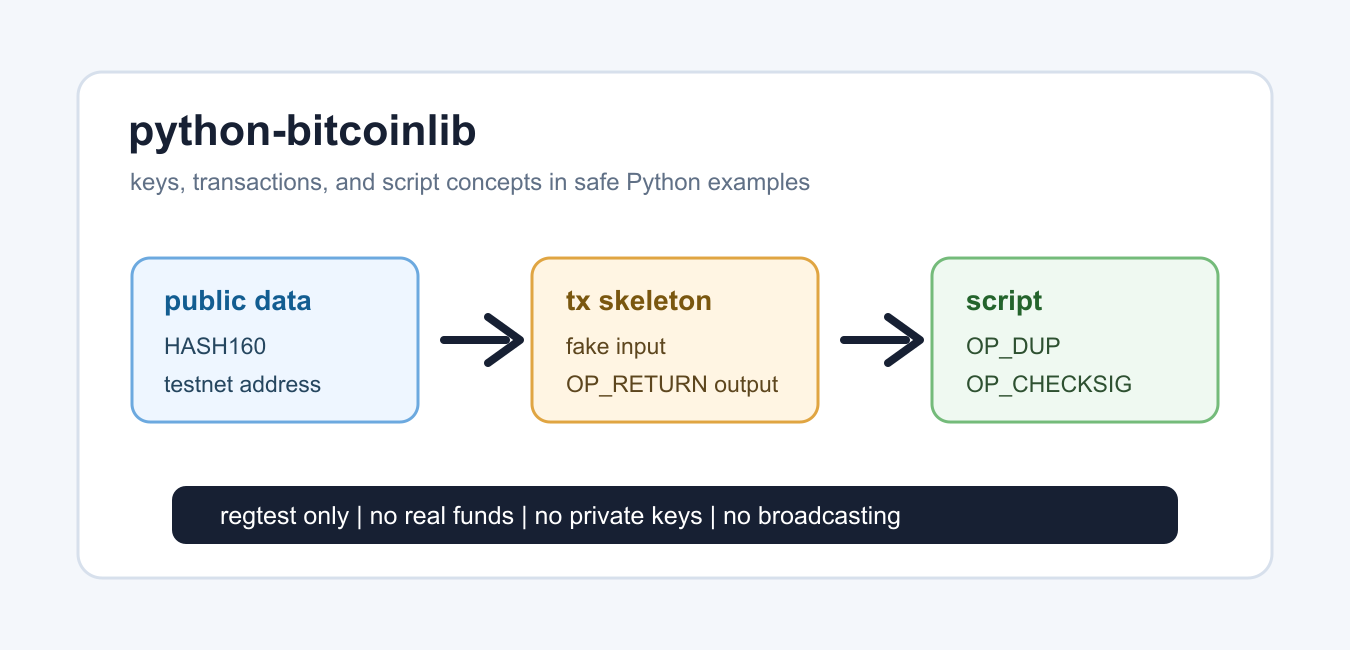
Learn python-bitcoinlib basics for Bitcoin data structures, scripts, serialization, and test networks while keeping private keys and real funds out of experiments.
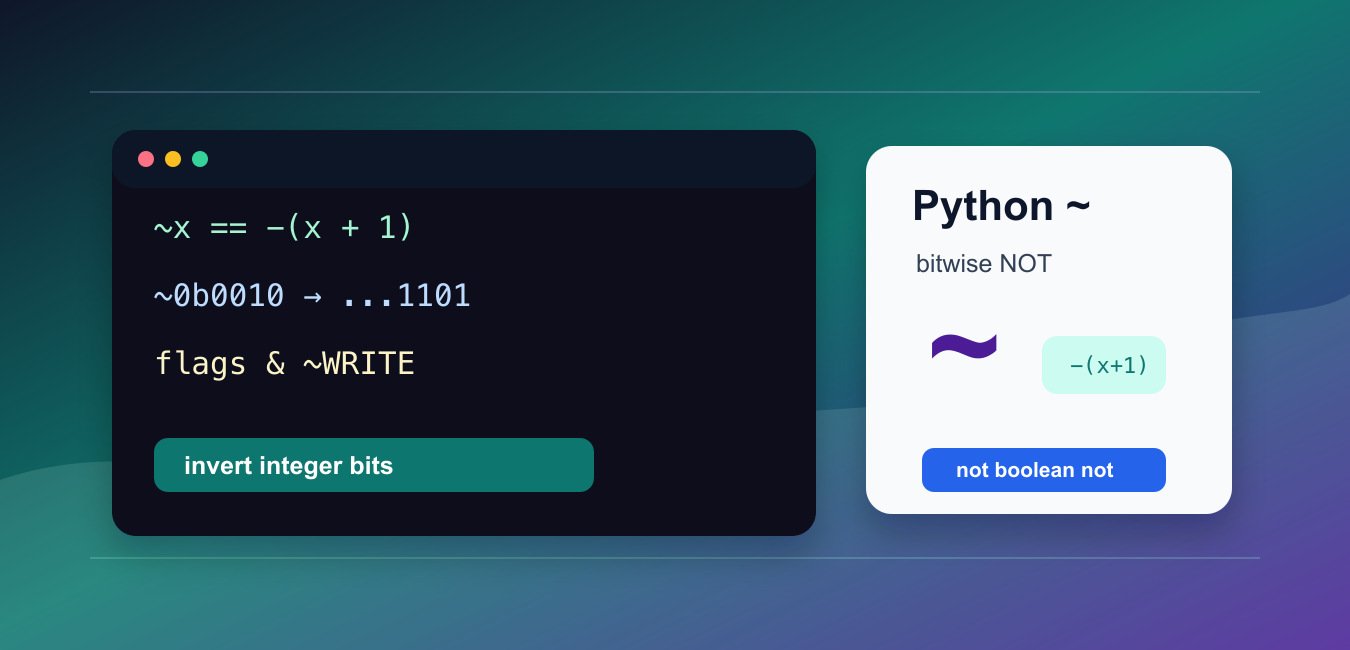
Understand Python’s tilde operator as integer bitwise inversion, including the -(x + 1) rule and custom __invert__ methods.
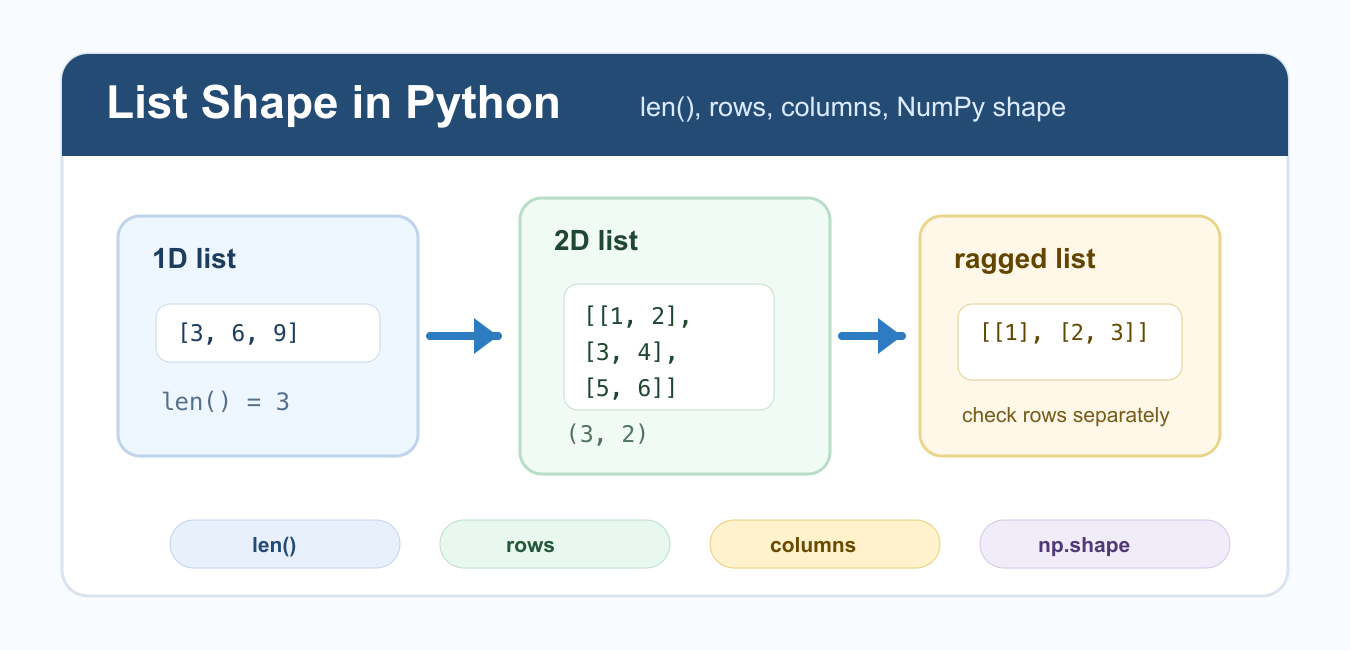
Find the shape of Python lists with len, validate nested rows, distinguish ragged data, and convert rectangular lists to NumPy arrays safely.
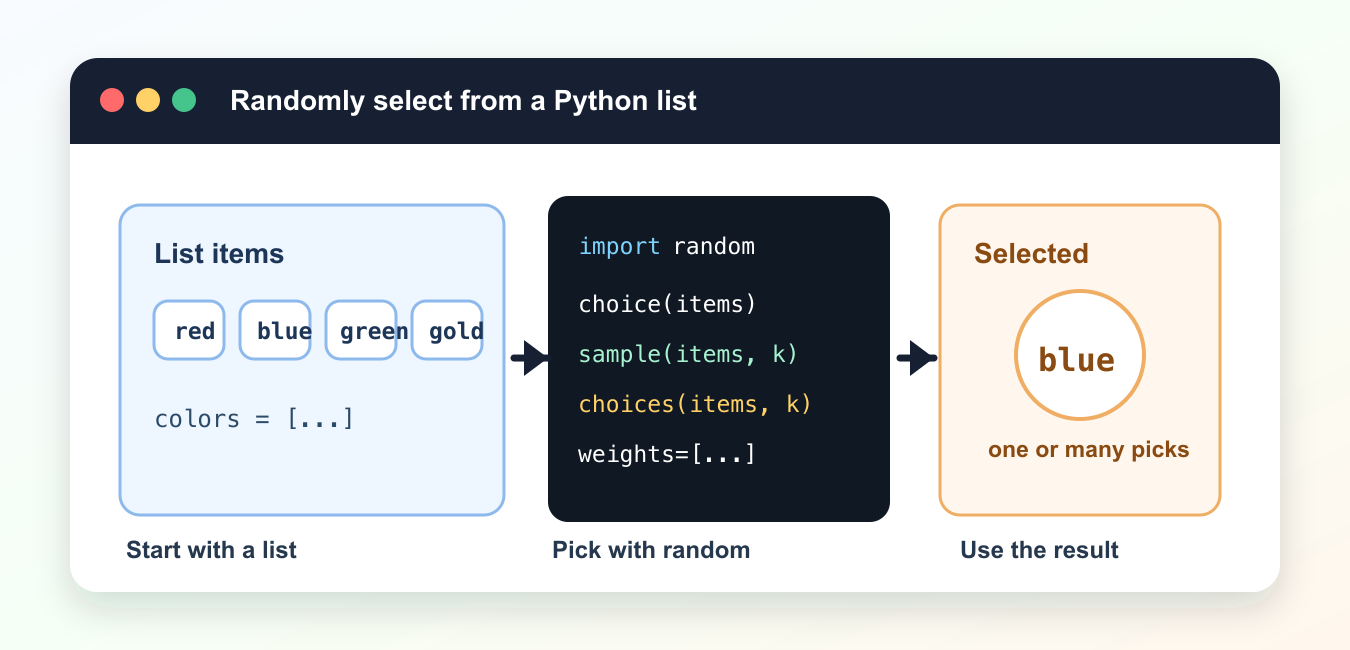
Randomly select one or more Python list items with choice(), sample(), choices(), or secrets.choice(), including empty-list and weighted-selection rules.