Python Logging: Levels, Handlers, Formatters, and Best Practices
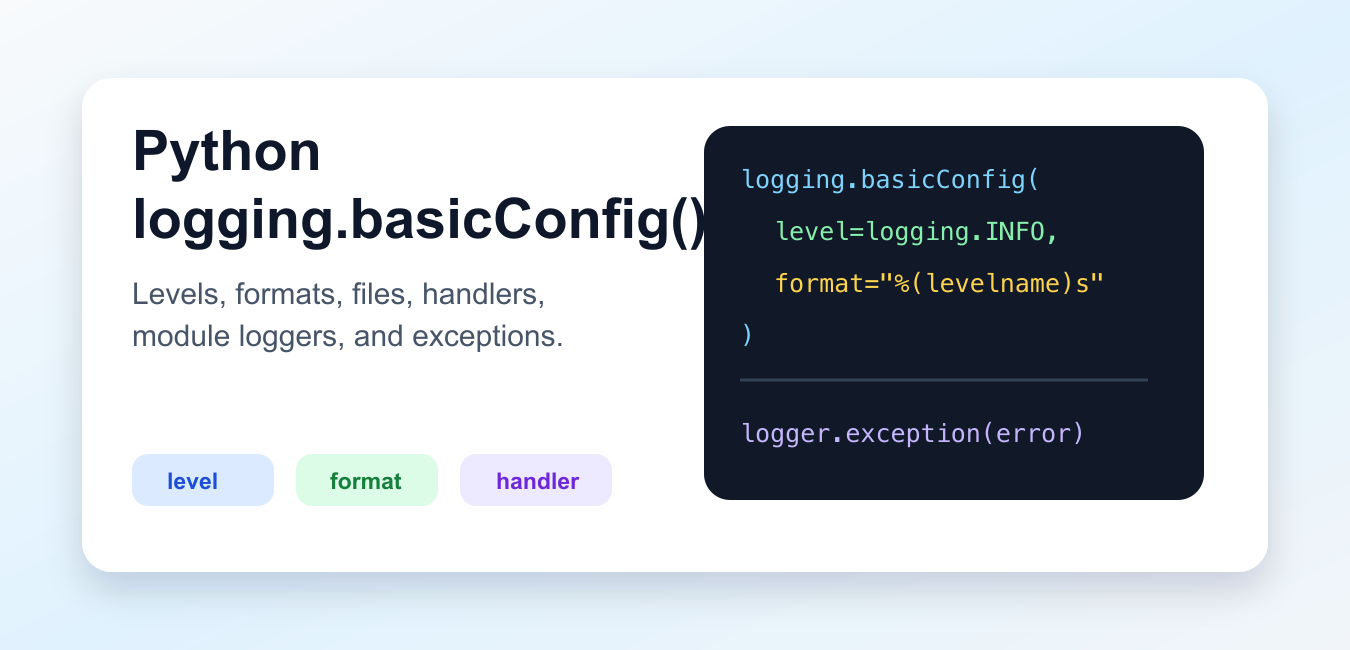
Build reliable Python logging with named loggers, levels, handlers, formatters, exception tracebacks, and safe configuration for scripts and services.
Browse Python tutorials for beginners and working developers, including syntax, libraries, examples, projects, and real problem-solving guides.
Build reliable Python logging with named loggers, levels, handlers, formatters, exception tracebacks, and safe configuration for scripts and services.
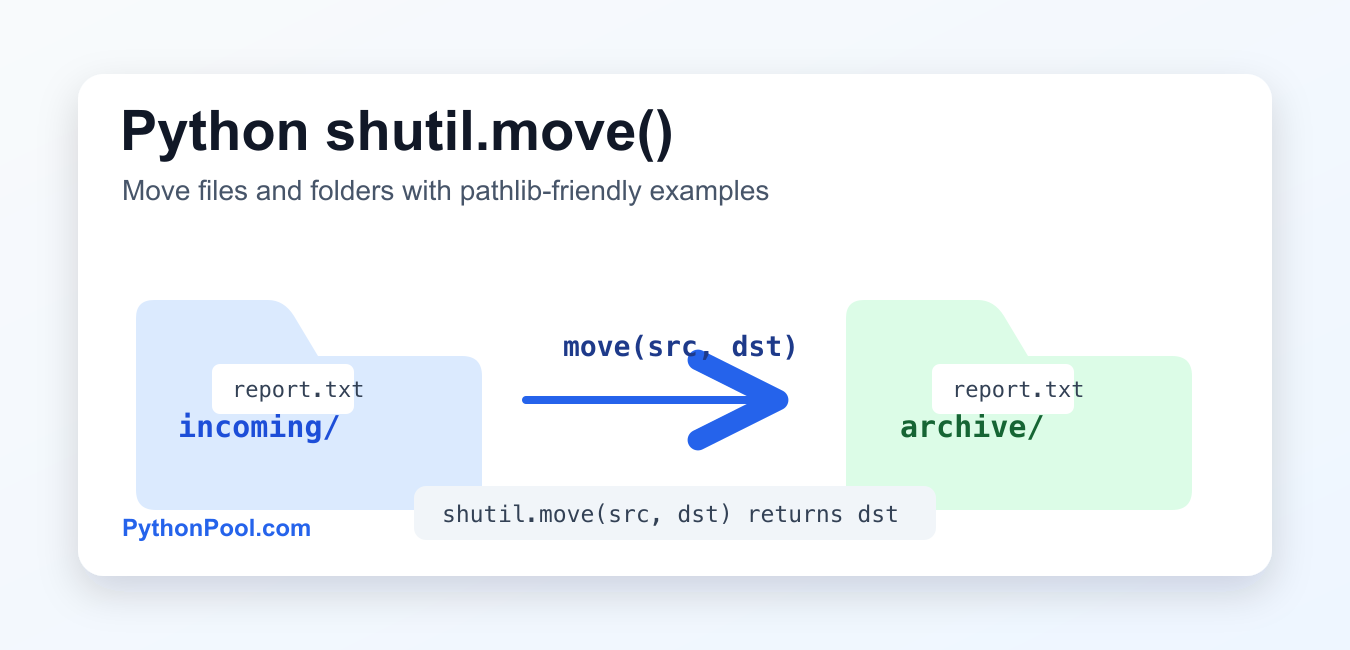
Learn how shutil.move() handles files, directories, destinations, overwrites, cross-filesystem moves, and predictable error handling.
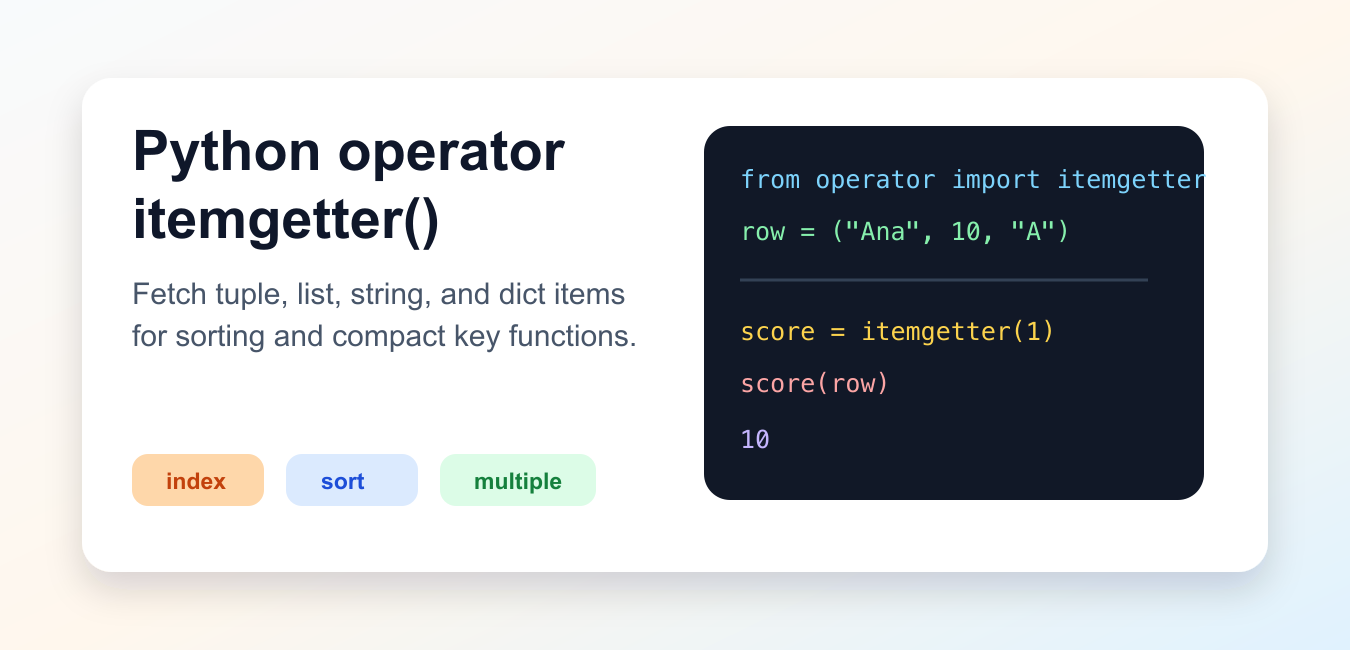
Use operator.itemgetter in Python to extract fields, sort dictionaries or tuples, build multi-key orderings, and handle missing keys deliberately.
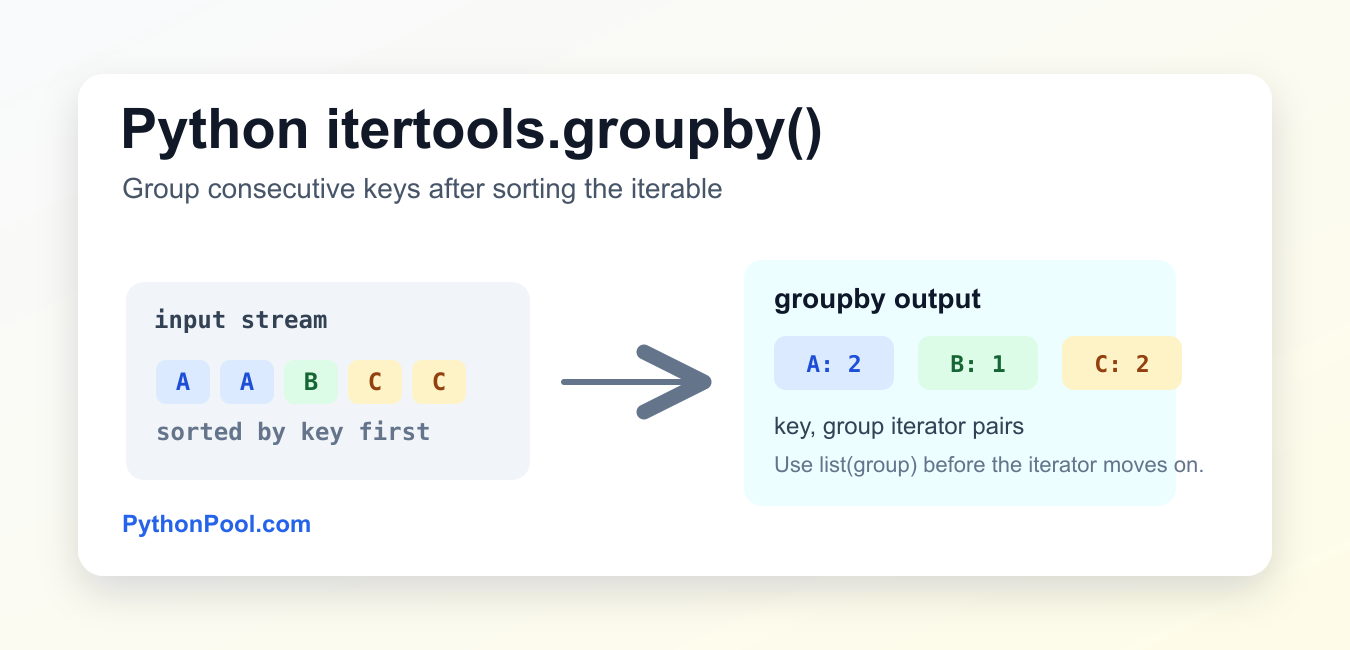
Use Python itertools.groupby correctly by sorting or pre-grouping records, selecting keys, consuming each group, and avoiding iterator surprises.
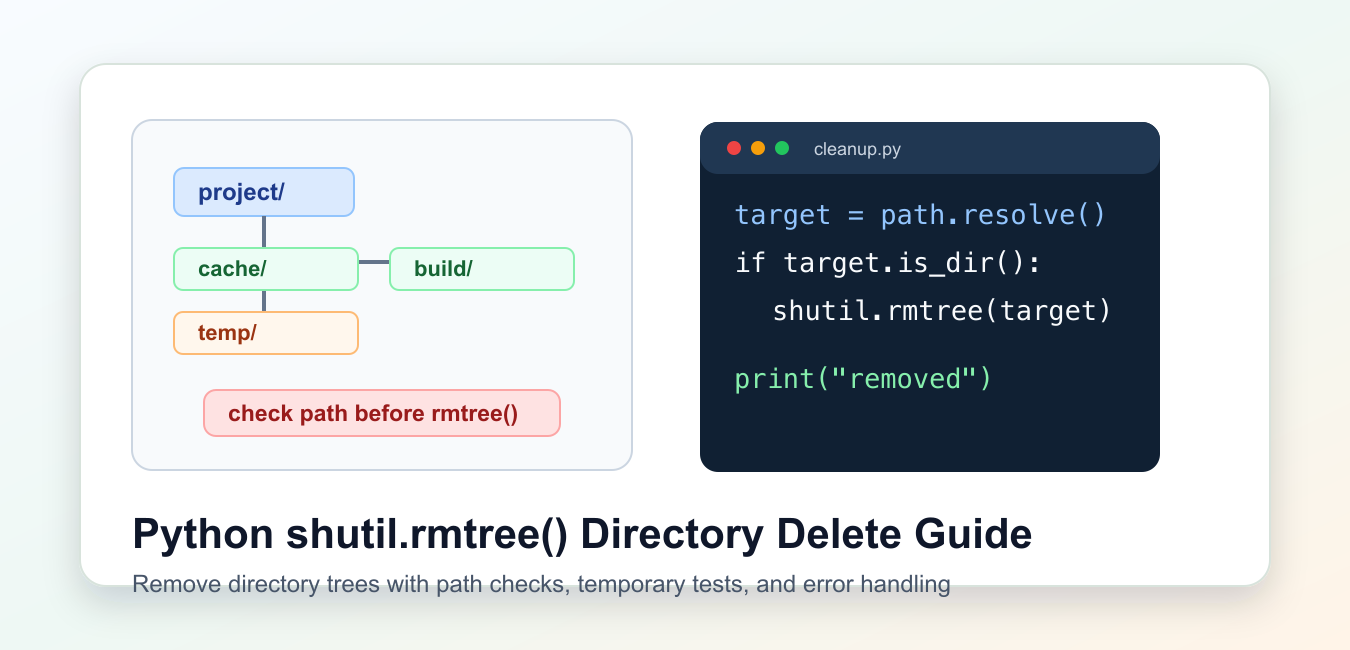
Delete a directory tree with shutil.rmtree() only after validating the target, previewing its contents, and handling cleanup errors.
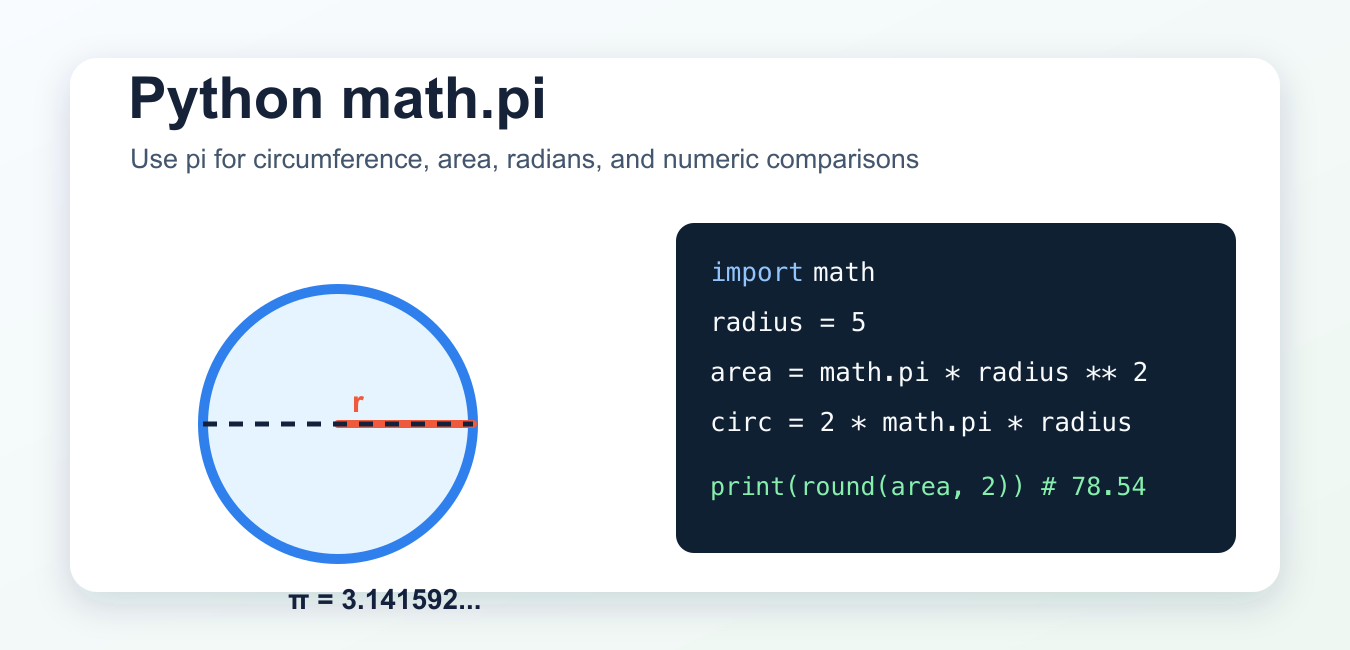
Use math.pi for accurate circle calculations and radians in Python, with examples for area, circumference, tau, and trigonometry.
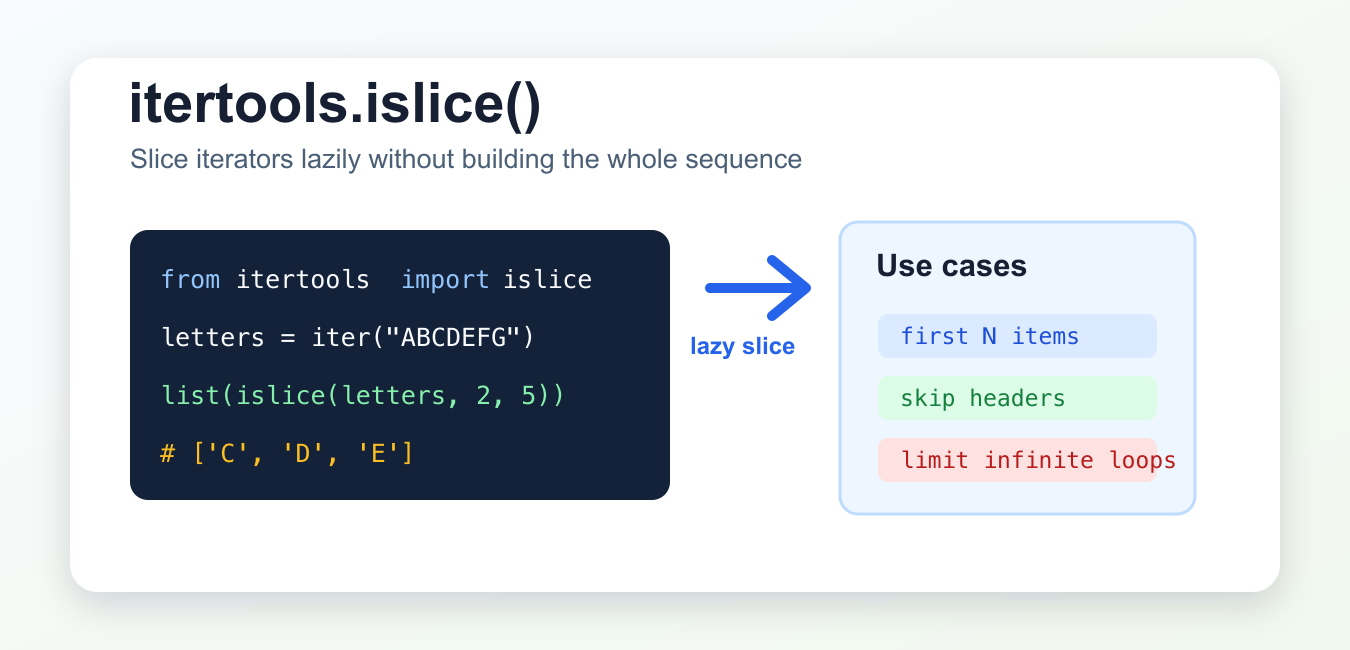
Use itertools.islice() to lazily take ranges from iterators, generators, files, and streams without building a full list in memory.
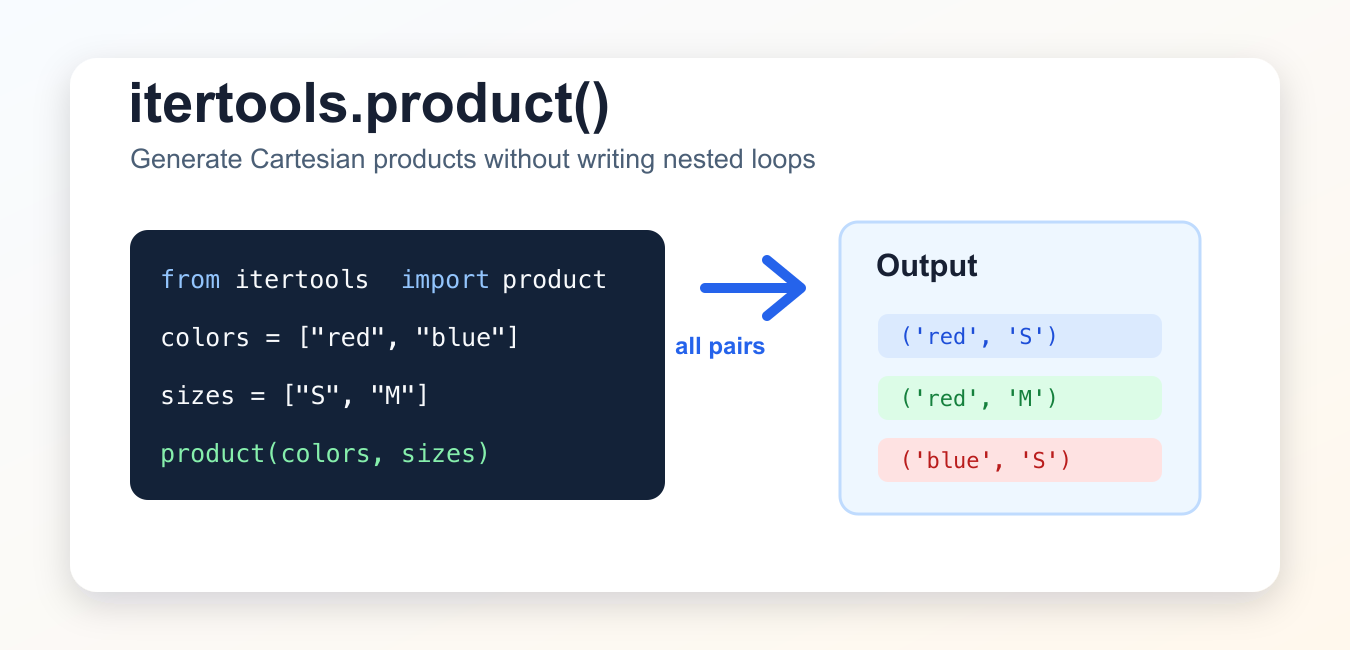
Learn itertools.product() with Cartesian combinations, repeat, lazy iteration, filtering, and practical guidance for avoiding huge lists.
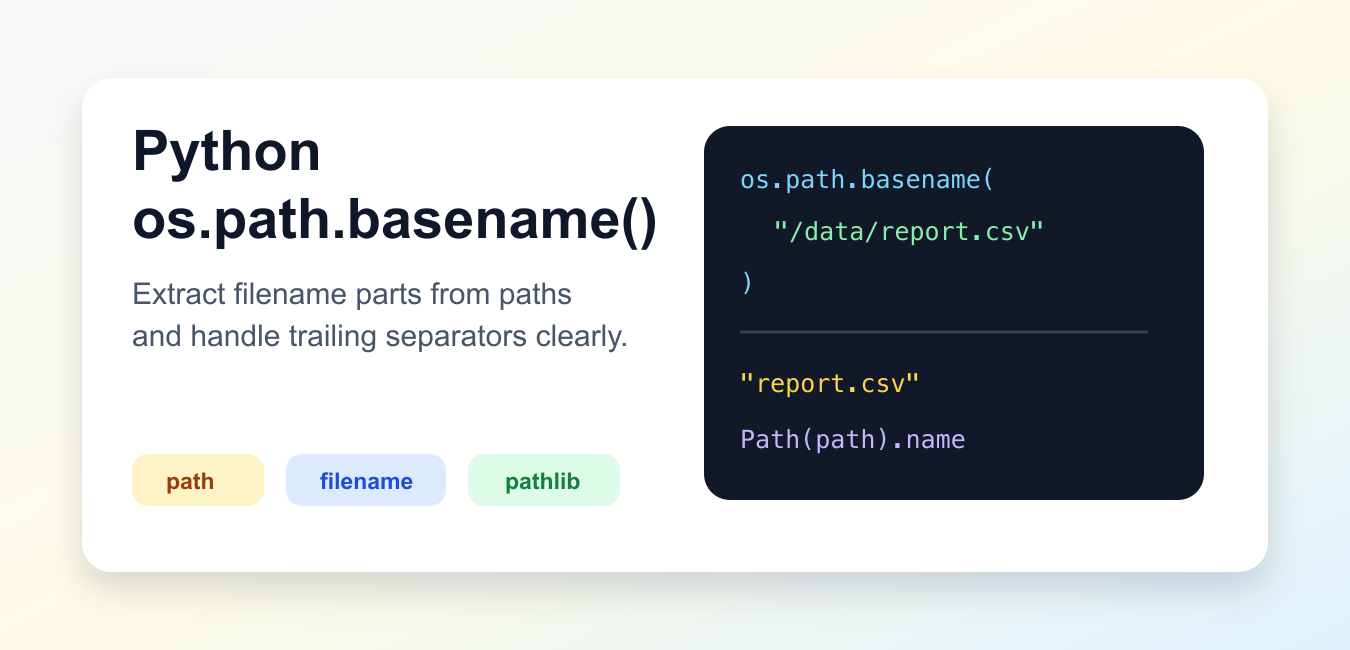
Use Python os.path.basename() for final path components, handle trailing separators, compare pathlib.Path.name, and split extensions safely.
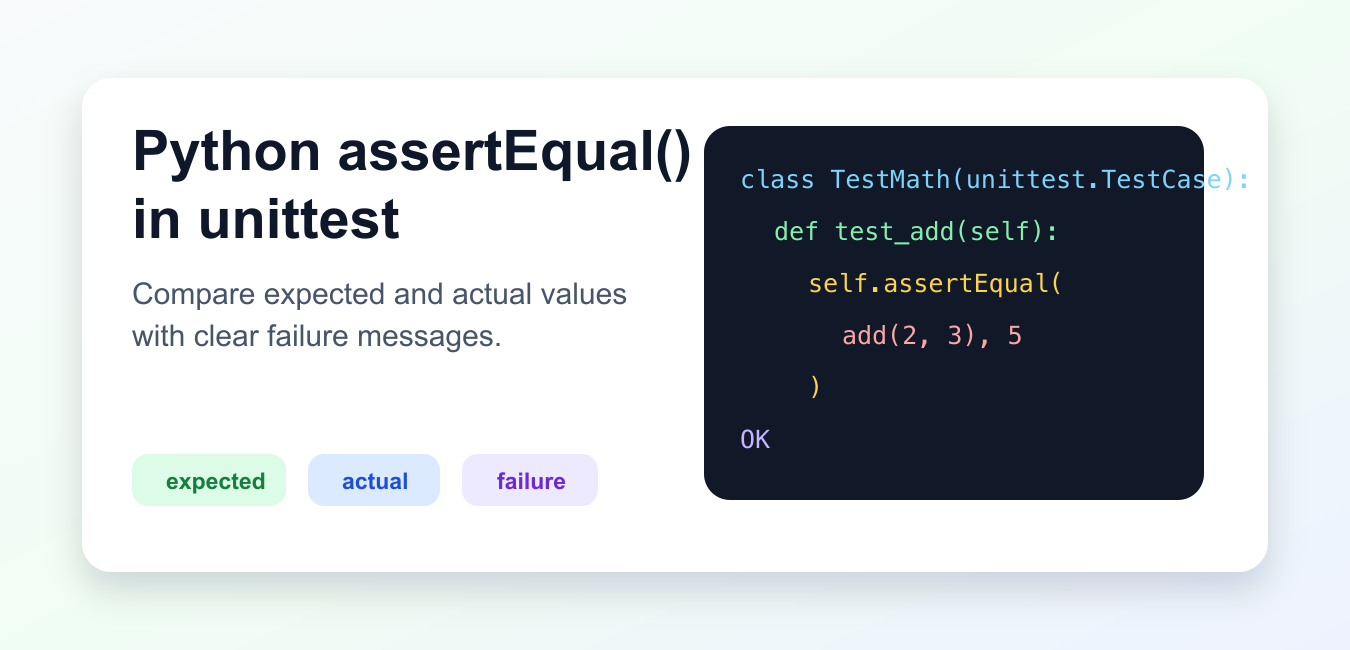
Write clearer Python unit tests with assertEqual by comparing expected first, choosing the narrowest assertion, and diagnosing failures.