Python TypedDict: Required and Optional Keys
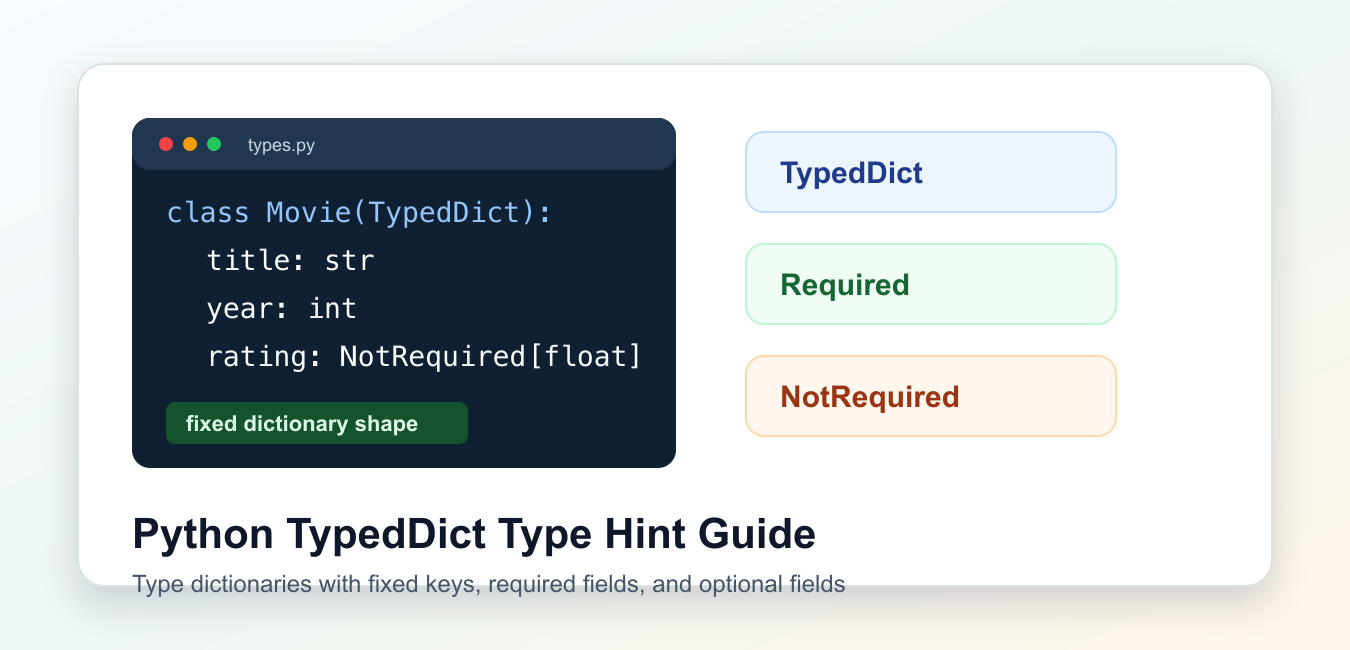
Use Python TypedDict to document dictionary keys and value types, model optional fields, and understand what static typing does not validate at runtime.
Browse Python tutorials for beginners and working developers, including syntax, libraries, examples, projects, and real problem-solving guides.
Use Python TypedDict to document dictionary keys and value types, model optional fields, and understand what static typing does not validate at runtime.
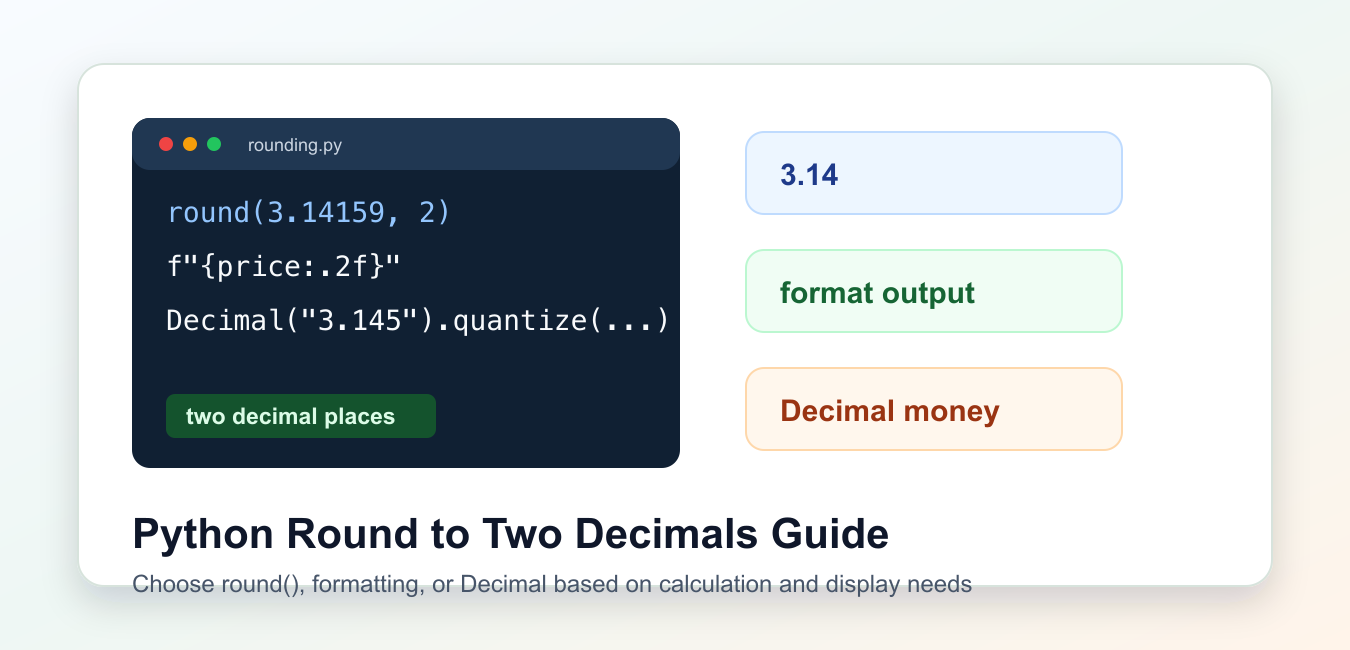
Round Python values to two decimals with round(), f-strings, format(), and Decimal while understanding floating-point ties.

Use Python int() to convert strings and numbers, parse bases, handle whitespace, and avoid common conversion errors.
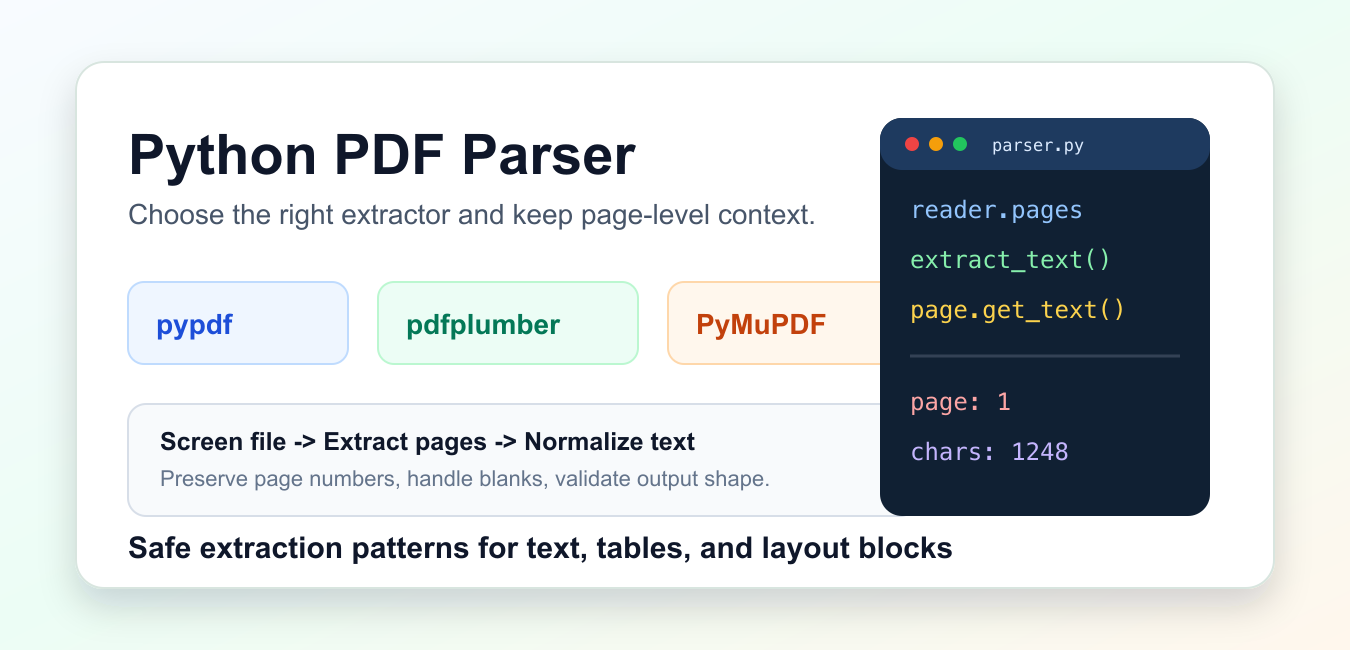
Compare Python PDF parser options for pypdf, pdfplumber, and PyMuPDF, with safe text extraction, scanned PDFs, and fallback choices.

Make Python regex groups optional with ?, read named captures safely, and understand None versus an empty string.
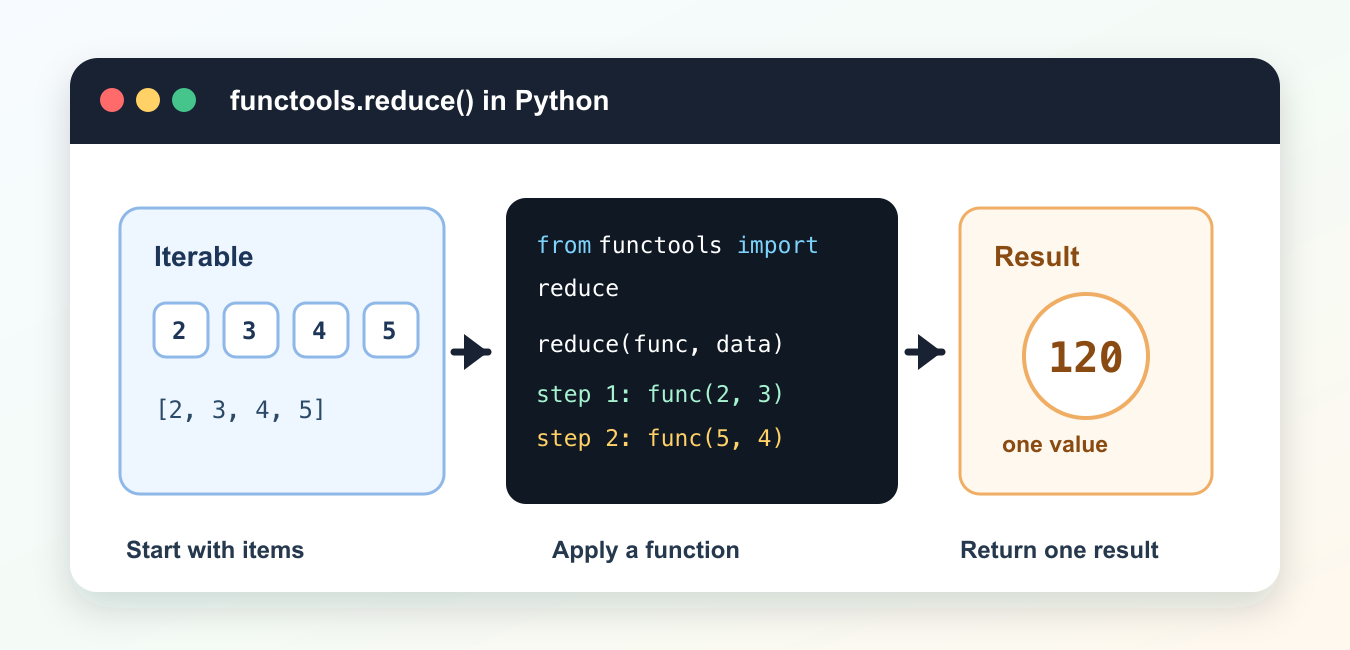
Use Python functools.reduce with an initializer, readable callables, type-aware accumulation, error handling, and alternatives such as sum or a loop.
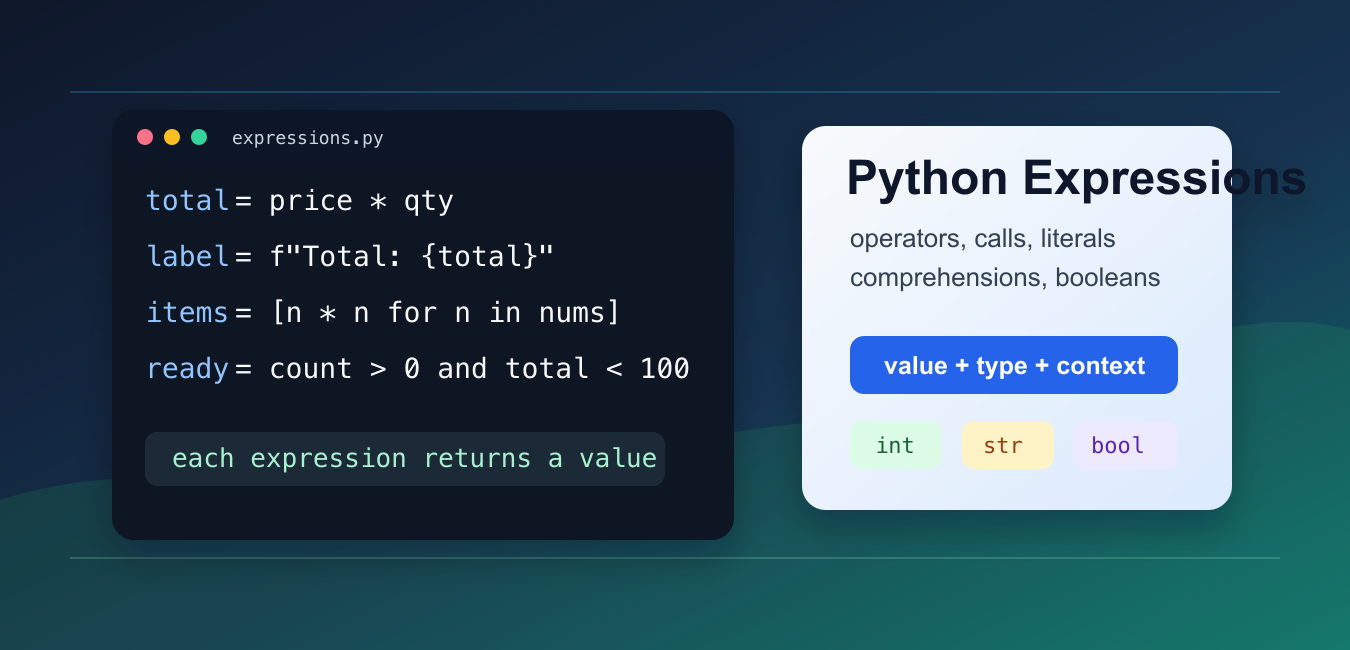
Understand Python expressions, operator precedence, function calls, comprehensions, conditional expressions, assignment expressions, and evaluation order.
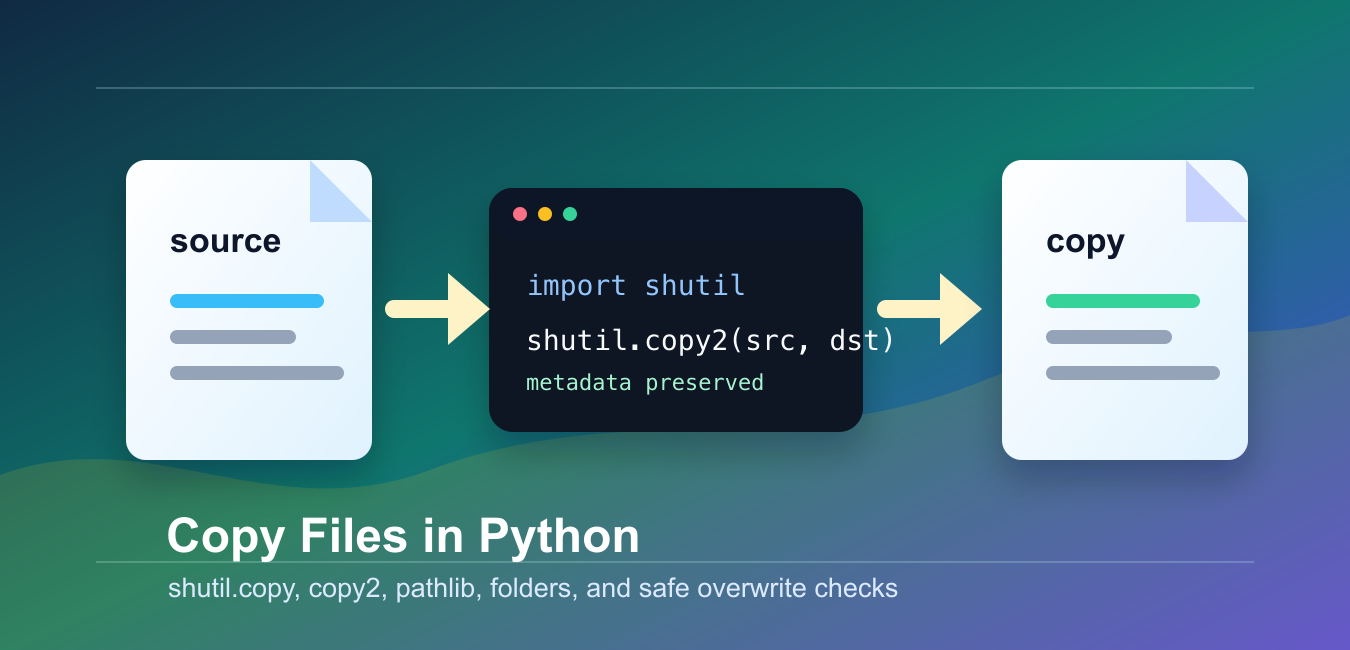
Copy Python files with the right shutil function, destination policy, metadata expectations, symlink behavior, and backup verification.
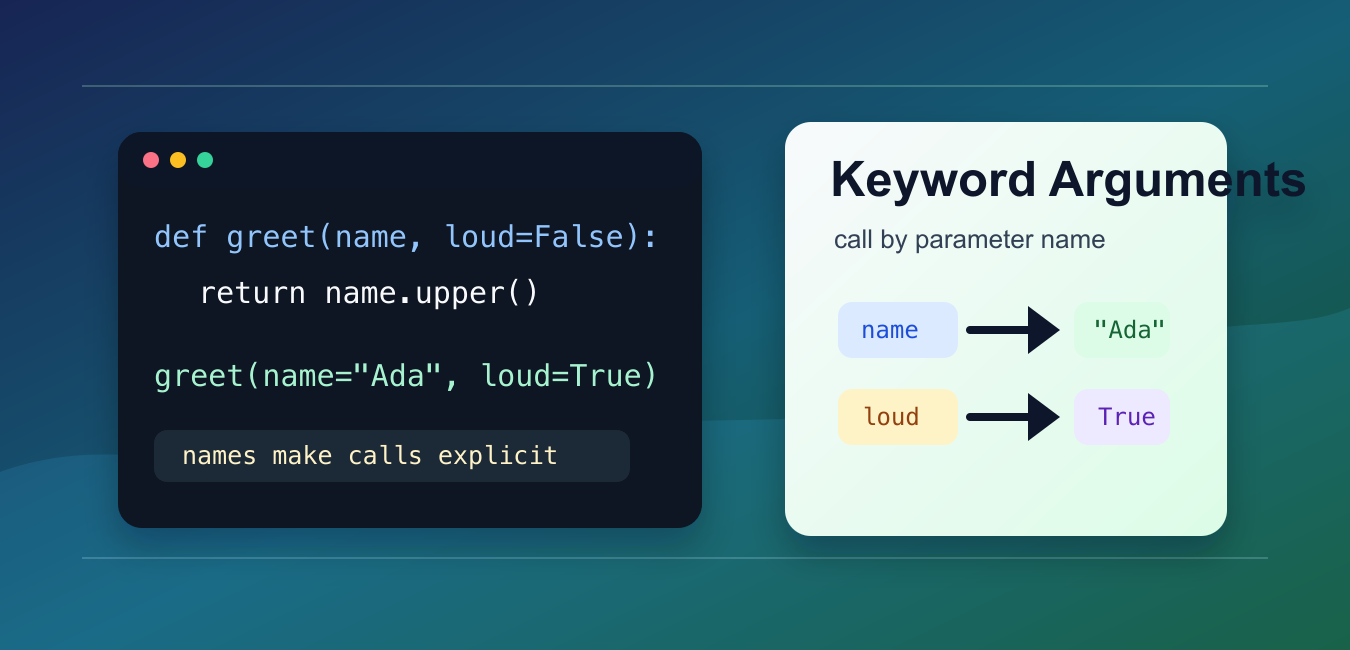
Use Python keyword arguments for readable calls, keyword-only parameters, defaults, unpacking, and controlled **kwargs without hiding API mistakes.
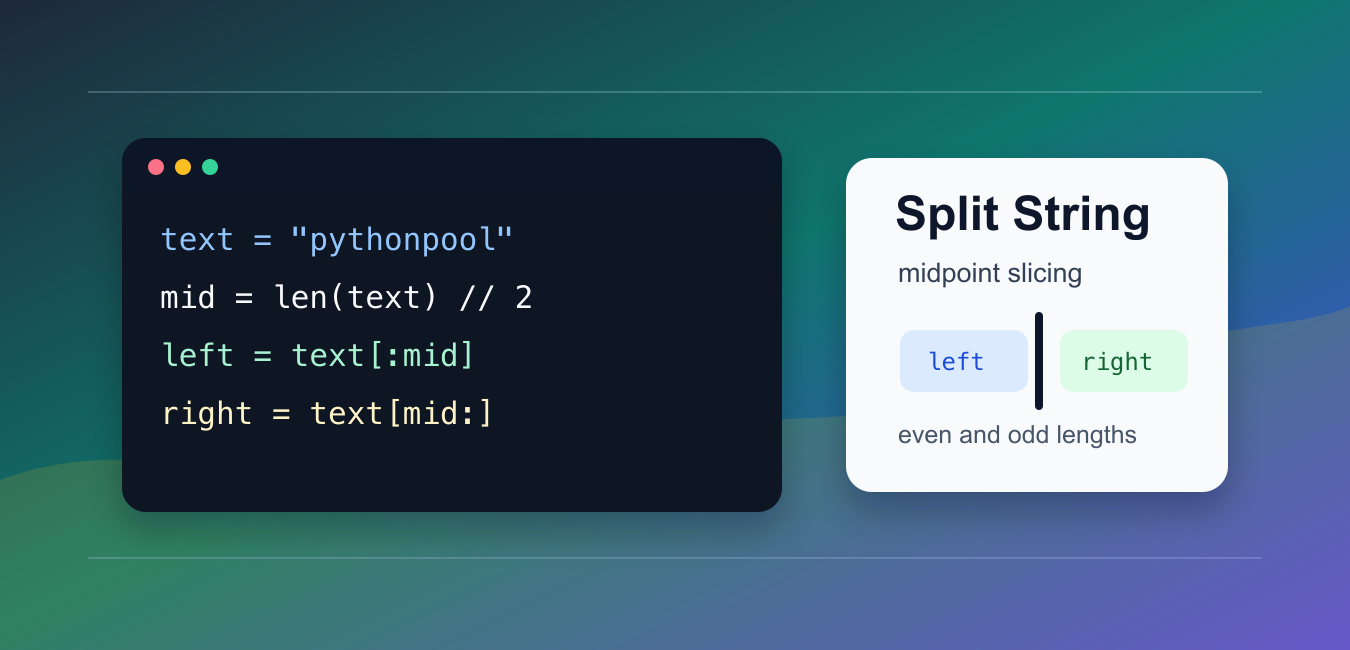
Split a Python string into two halves with len(), integer division, slicing, and an explicit rule for odd-length and empty strings.