Python Key-Value Pairs: Dictionaries, Items, and Safe Lookups

Work with Python key-value pairs using dictionaries, items, get, updates, unpacking, missing keys, ordering, and clear data contracts.
Browse Python tutorials for beginners and working developers, including syntax, libraries, examples, projects, and real problem-solving guides.
Work with Python key-value pairs using dictionaries, items, get, updates, unpacking, missing keys, ordering, and clear data contracts.
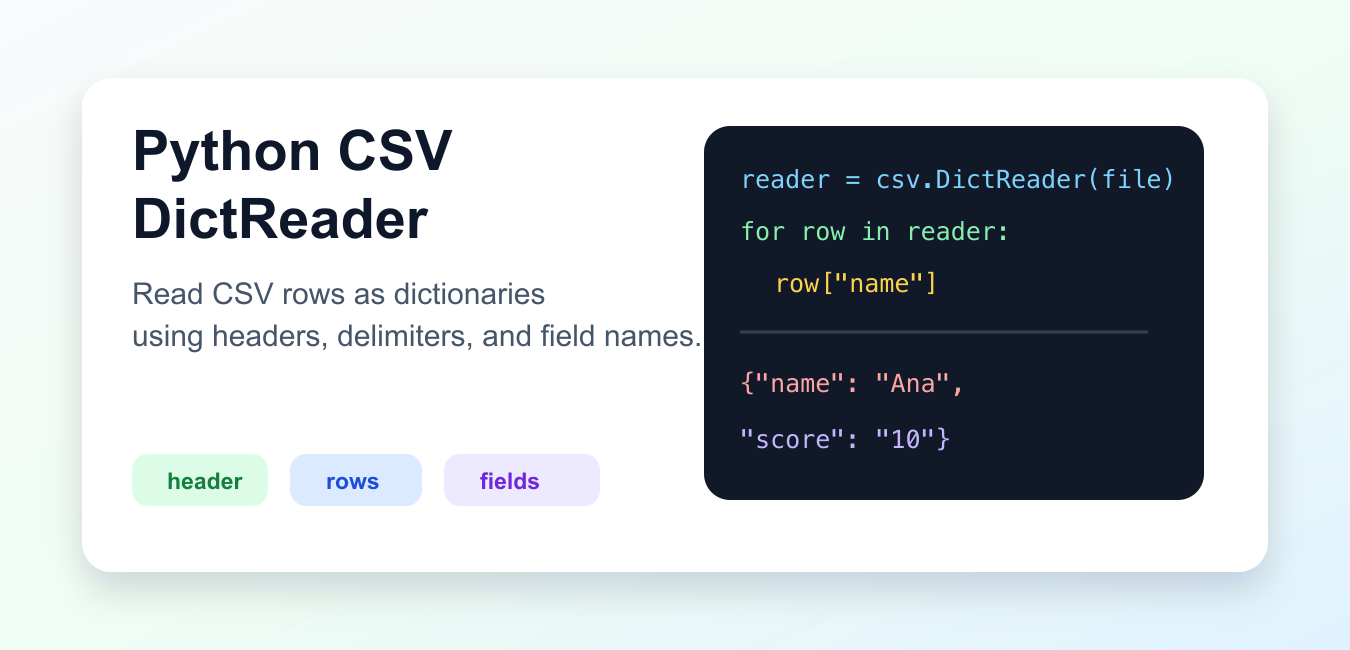
Read CSV files with Python csv.DictReader, handle headers and missing fields, convert types explicitly, validate rows, and write safe imports.
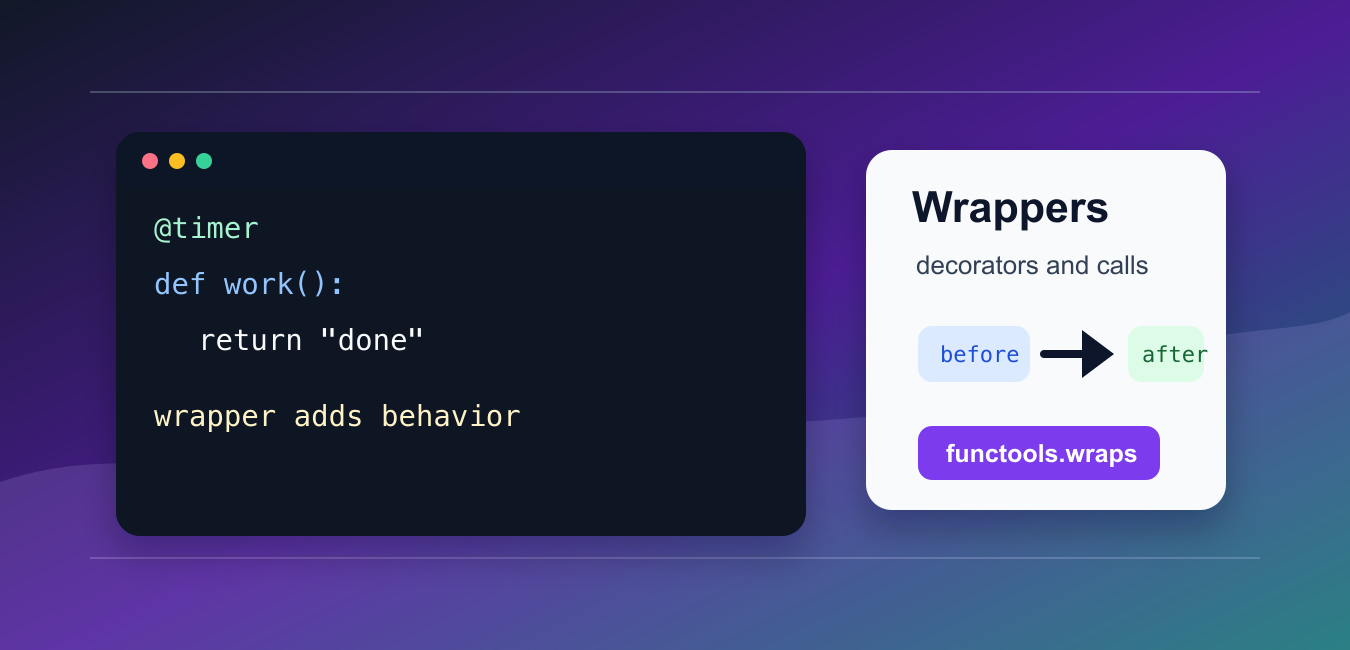
Build Python wrappers and decorators with functools.wraps, arguments, timing, logging, options, and preserved function metadata.

Unpack Python tuples with multiple assignment, starred targets, nested structures, and deliberate length checks instead of fragile positional assumptions.

Use datetime.fromtimestamp() to convert Unix timestamps with explicit time zones, UTC handling, seconds versus milliseconds checks, and clear daylight-saving behavior.
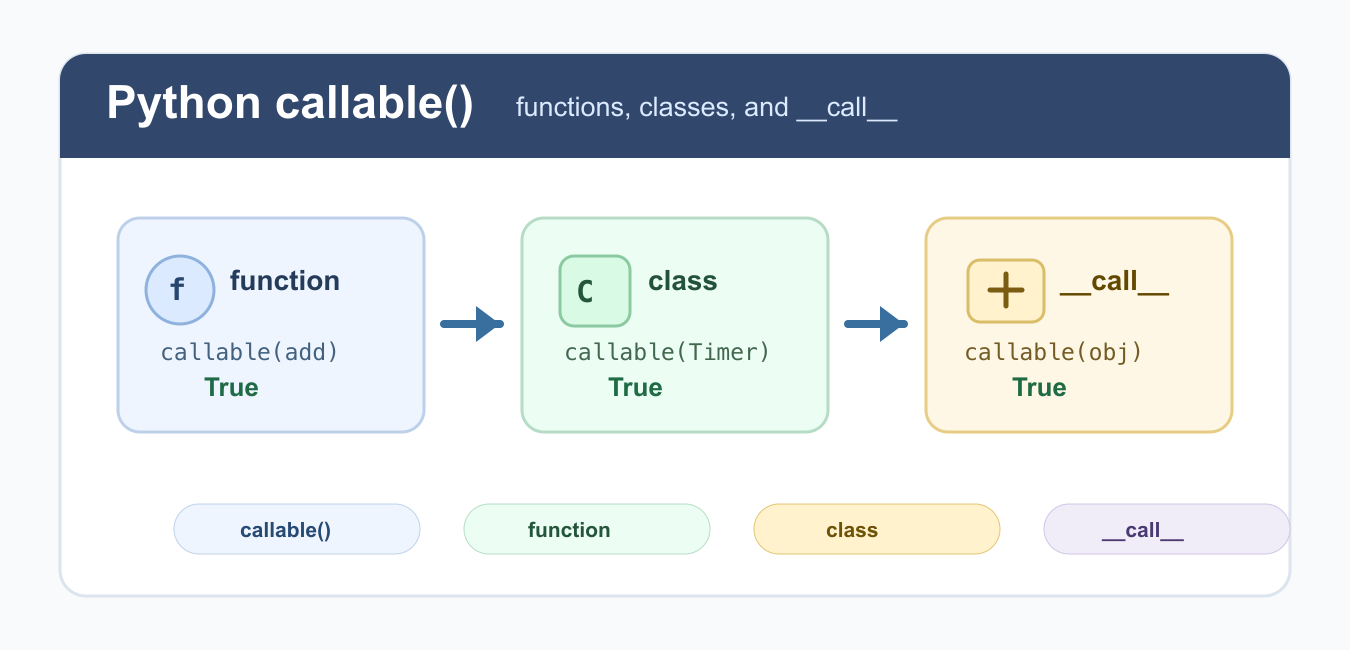
Use Python callable() to check functions, classes, callbacks, and objects with __call__, while understanding what the check cannot guarantee.

Parse URLs in Python with urllib.parse, choose urlsplit or urlparse, read components, build query strings, and avoid unsafe URL joining assumptions.
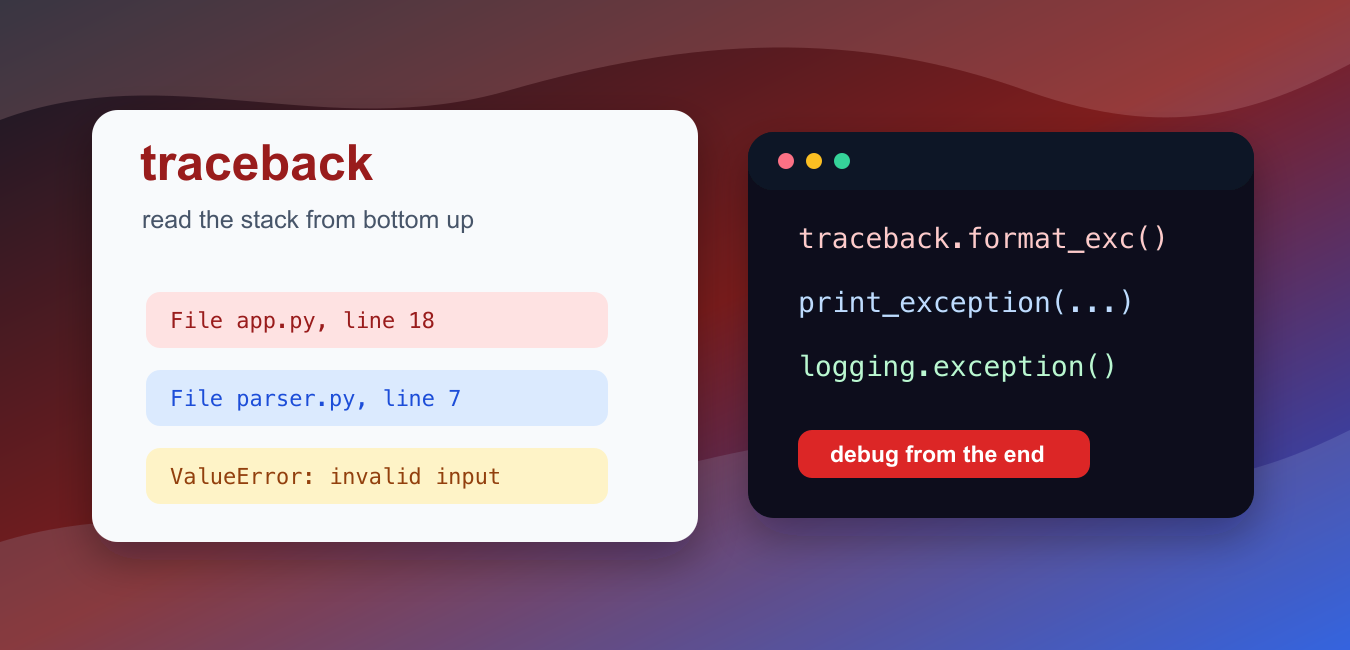
Read Python tracebacks from the failing line upward, format caught exceptions, preserve causes, and log diagnostic context safely.

Use itertools.combinations to generate r-length selections without replacement, understand ordering, counts, memory behavior, and practical examples.

Implement a Python clamp function with min and max bounds, validate reversed limits, handle floats, and compare manual code with standard-library options.