Python String __contains__(): Use in for Substring Checks
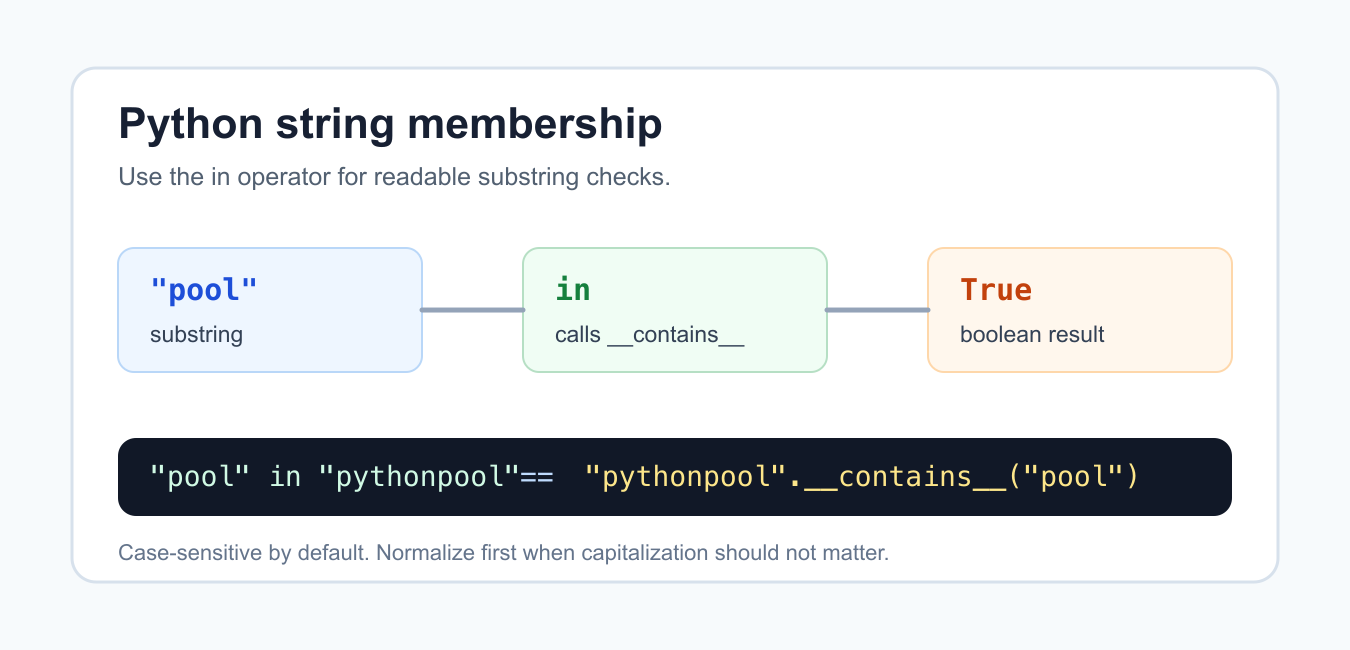
Understand Python string __contains__(), use the clearer in operator for substrings, handle case sensitivity, and avoid incorrect membership assumptions.
Browse practical Python tutorials, error fixes, library guides, data science examples, and project ideas from Python Pool.
Understand Python string __contains__(), use the clearer in operator for substrings, handle case sensitivity, and avoid incorrect membership assumptions.

Use NumPy ravel() to flatten arrays, understand C, Fortran, and memory order, compare it with flatten() and reshape(), and avoid view-related surprises.
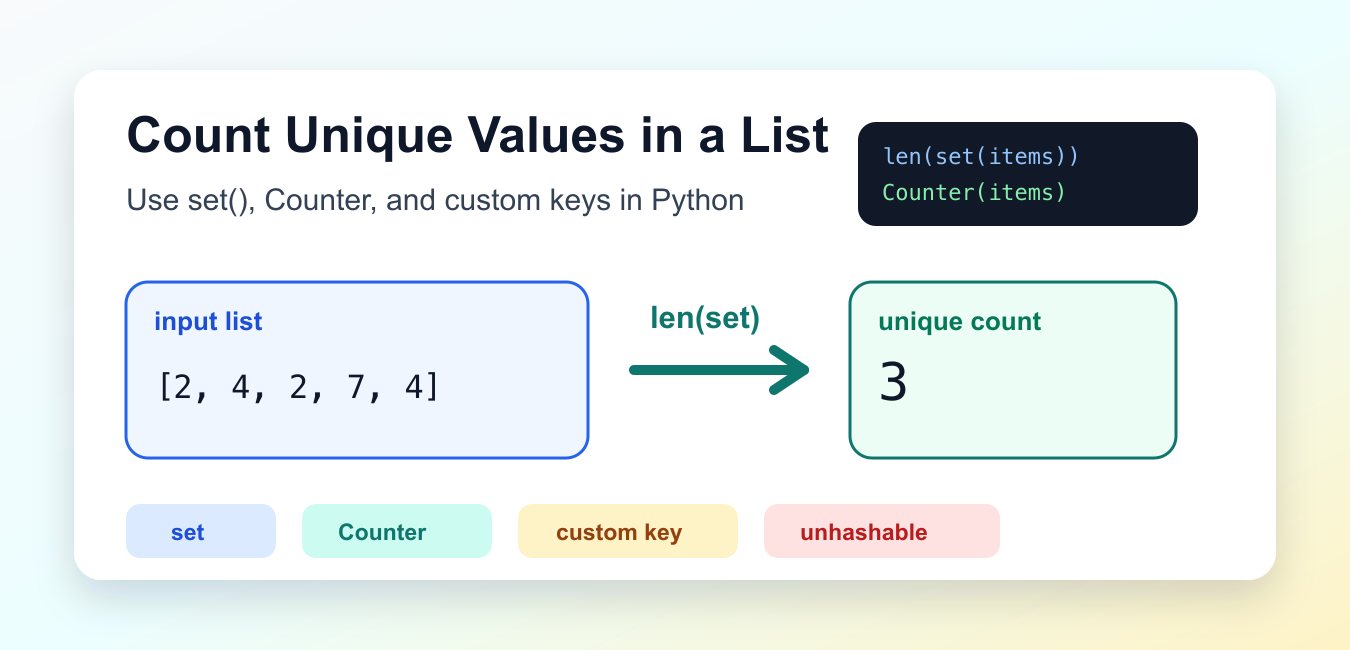
Count unique Python list values with set() or Counter, normalize strings, preserve order, and handle lists or dictionaries that are unhashable.

Use NumPy outer to combine every value in two one-dimensional arrays, understand output shapes, and choose outer, multiply, or broadcasting correctly.

Use Python min() with iterables, multiple arguments, key functions, default values, and empty-input handling.
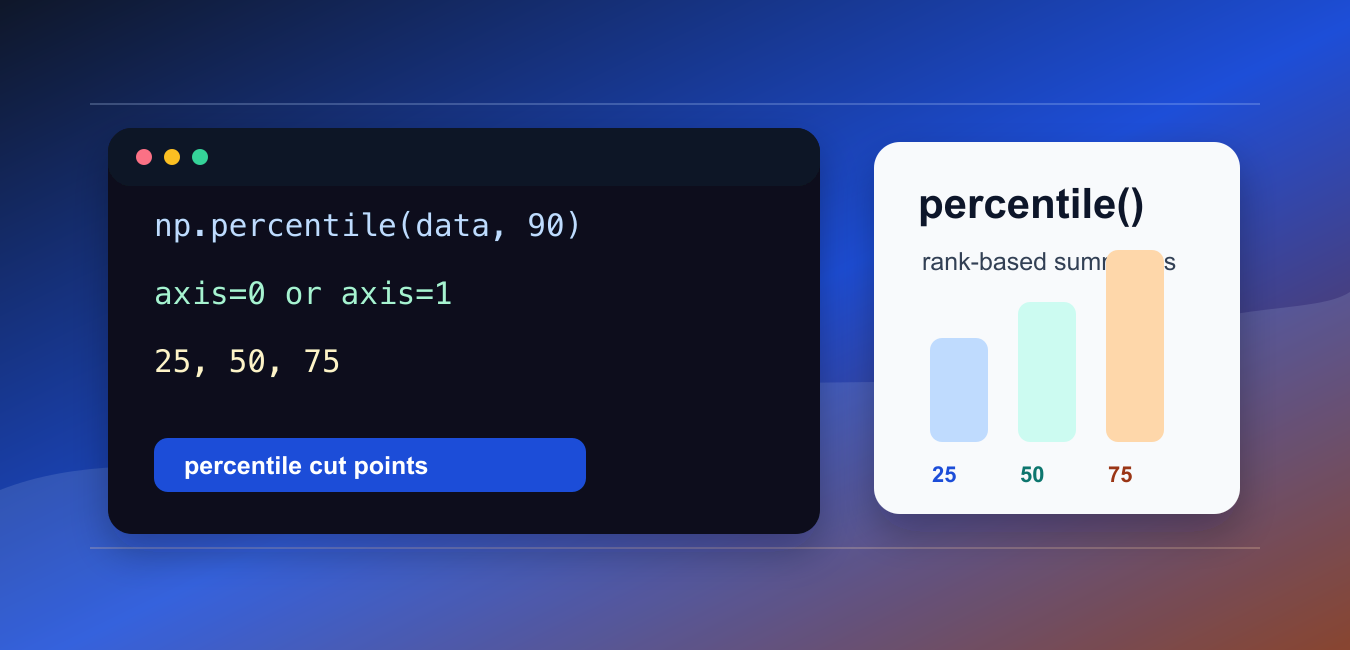
Calculate NumPy percentiles with q, axis, method, keepdims, and nanpercentile while understanding interpolation, shapes, and missing values.

Use NumPy flatten() to create a 1D copy, choose C or Fortran order, compare ravel() and reshape(-1), and avoid accidental mutations.
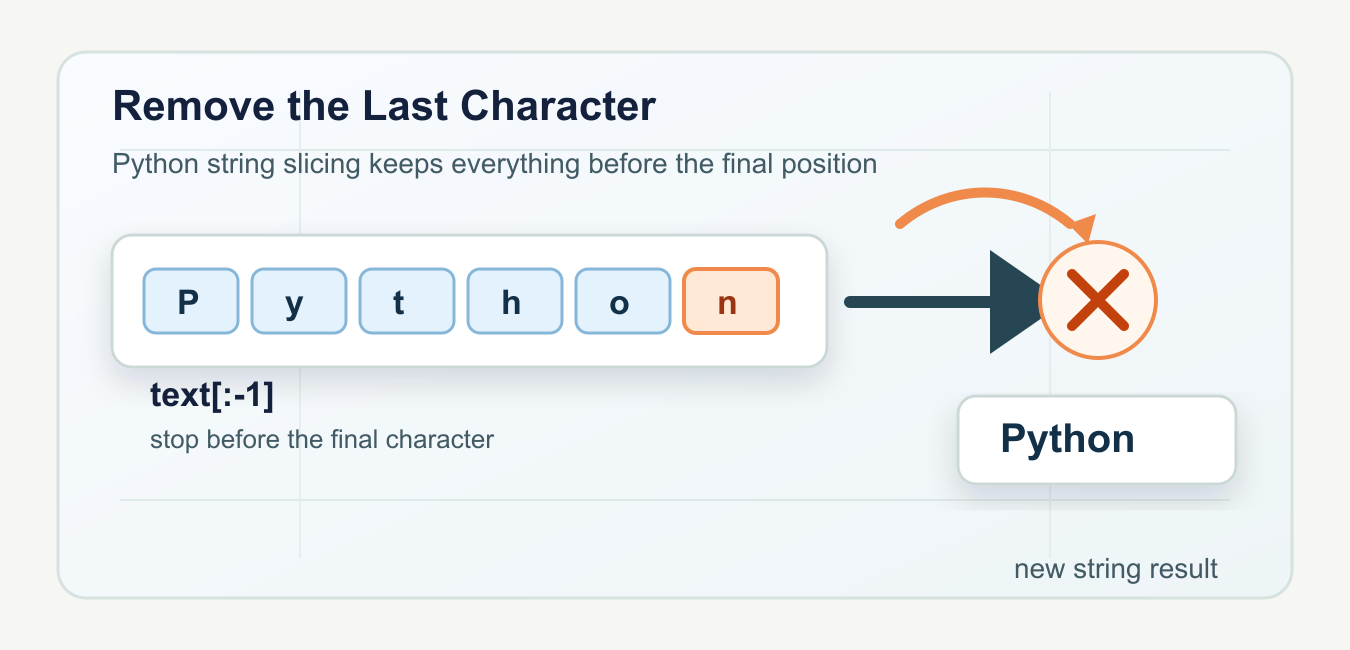
Remove the last Python string character with slicing, removesuffix(), newline cleanup, list processing, and safe handling of empty text.

Calculate NumPy standard deviation with axis, ddof, keepdims, dtype, and NaN policies that match the statistical meaning of your data.

Learn when NumPy asarray returns a view, converts dtype, shares memory, and differs from np.array for ownership and copying.