Python String to Variable Name: Use Dictionaries Safely
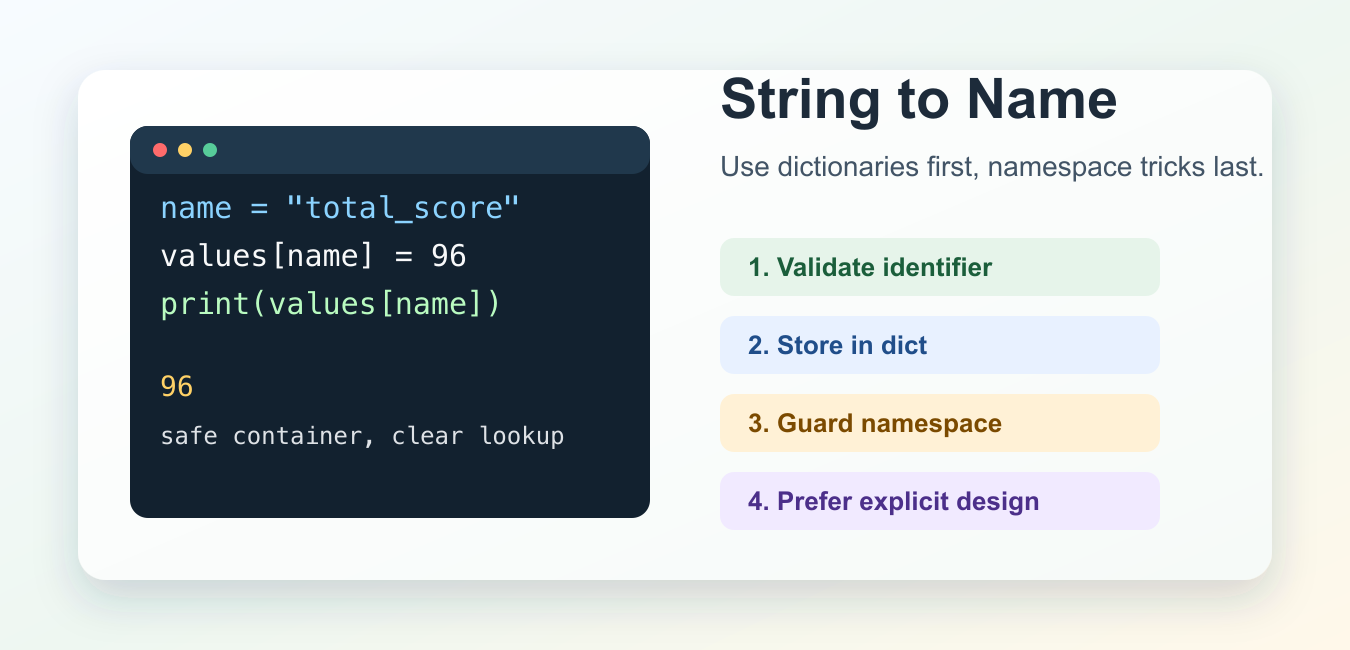
Map Python strings to values with dictionaries or object attributes, validate names, and understand why globals(), locals(), and exec() are fragile choices.
Browse practical Python tutorials, error fixes, library guides, data science examples, and project ideas from Python Pool.
Map Python strings to values with dictionaries or object attributes, validate names, and understand why globals(), locals(), and exec() are fragile choices.
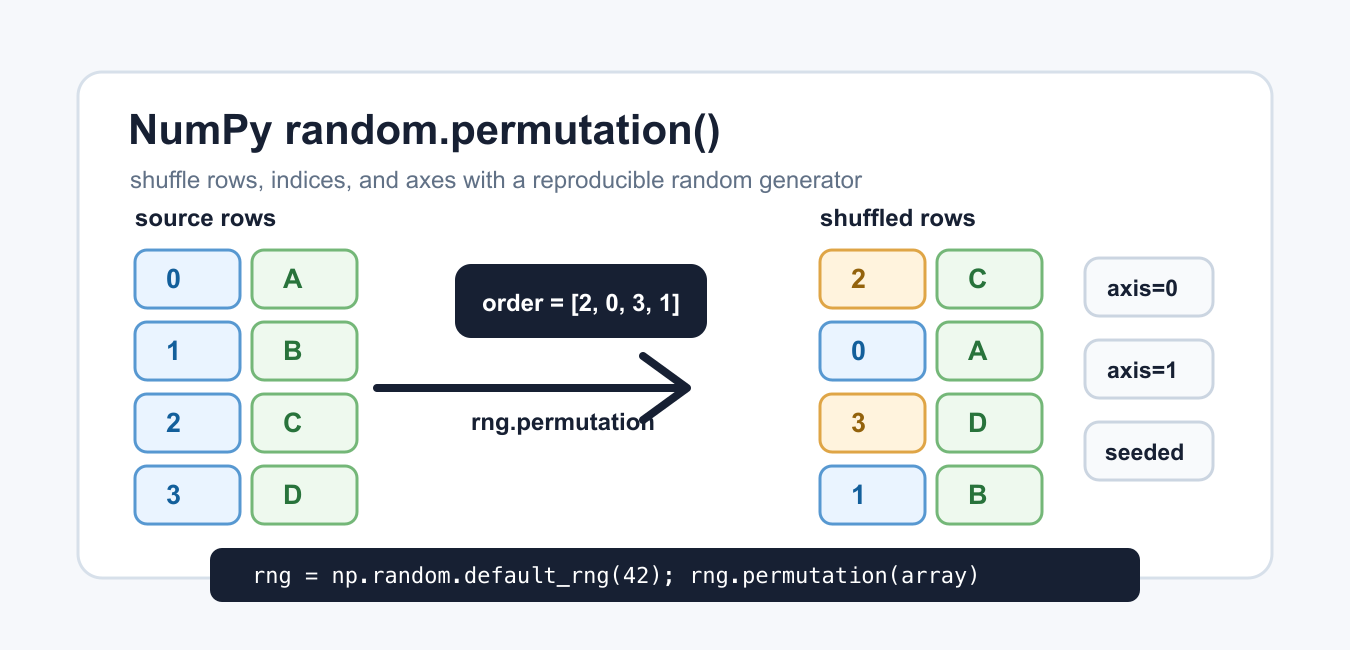
Choose permutation for a shuffled copy, use shuffle for in-place changes, and prefer a seeded Generator in new NumPy code.
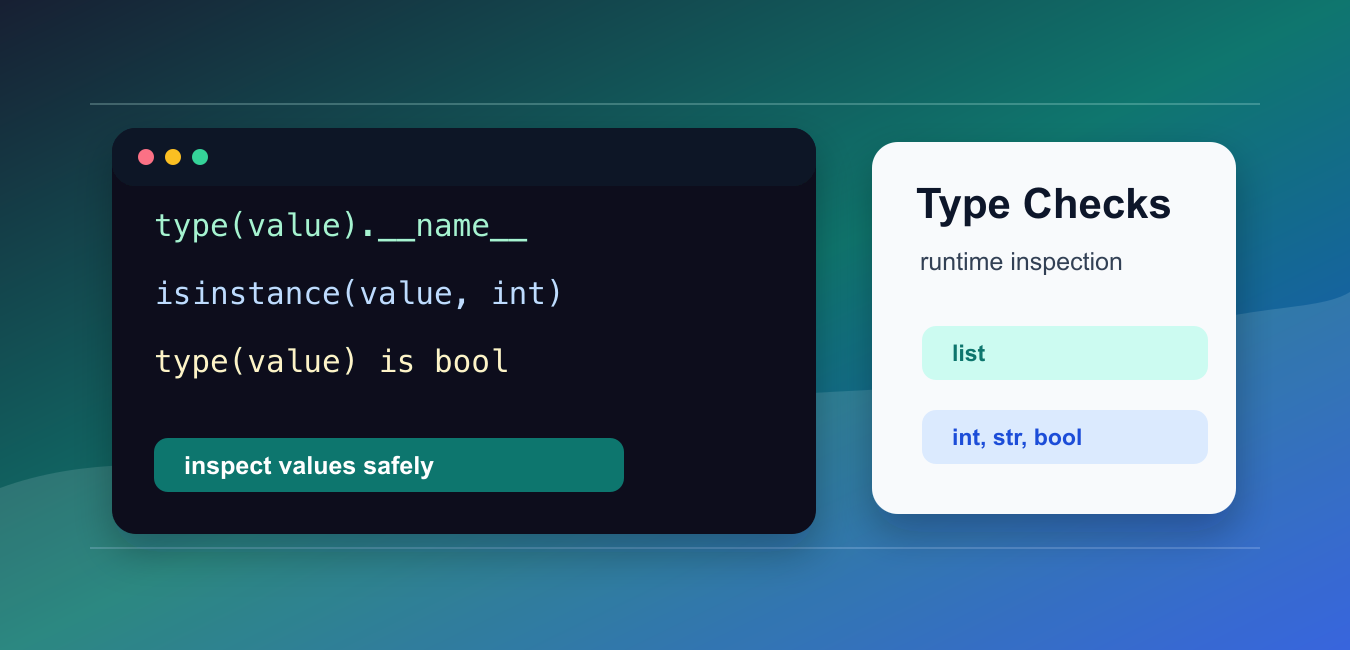
Check Python types with type() for exact identity, isinstance() for compatible classes, and explicit value or behavior validation.
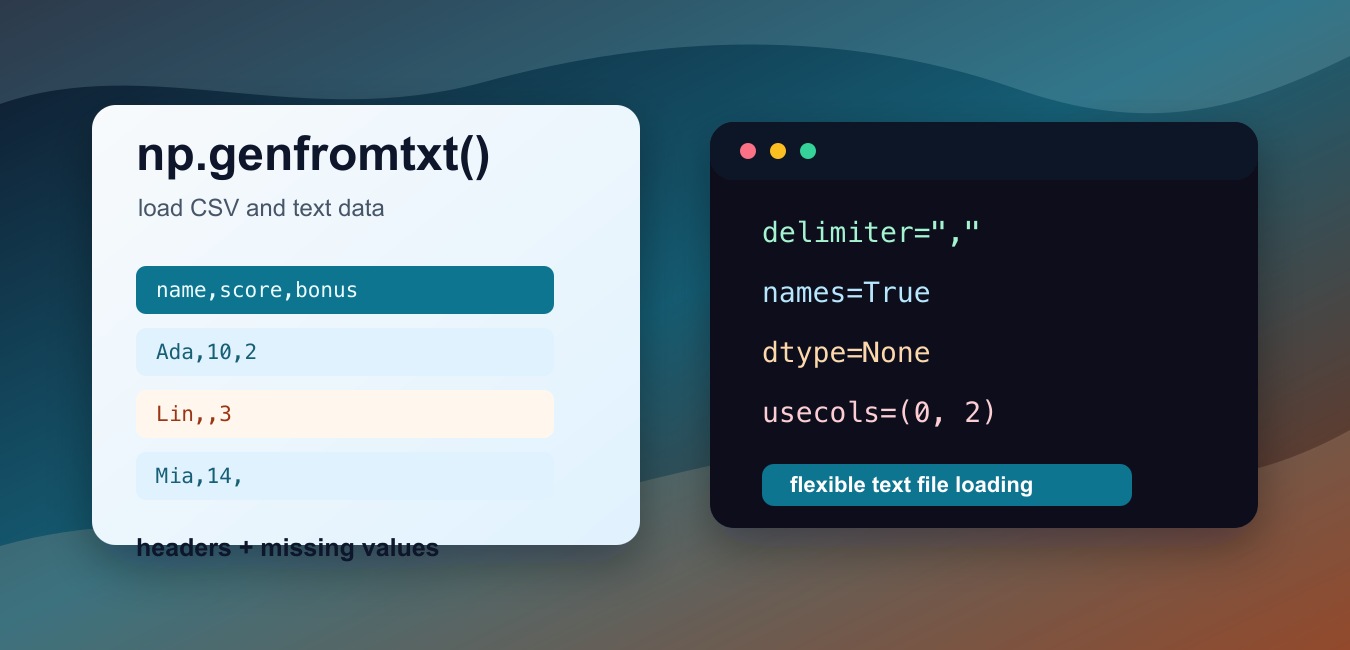
Use NumPy genfromtxt() to load delimited text with missing values, dtype control, column names, converters, and validation.
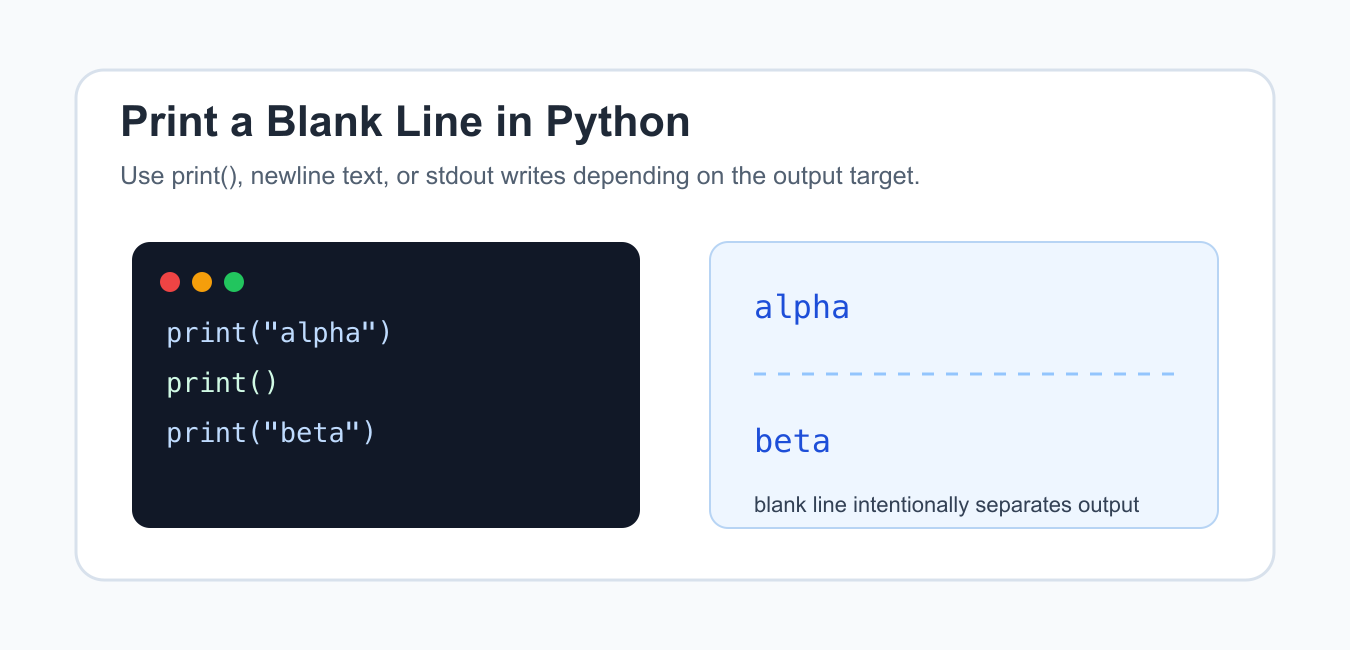
Print blank lines in Python with print, newline characters, separators, and logging while keeping terminal output readable and predictable.
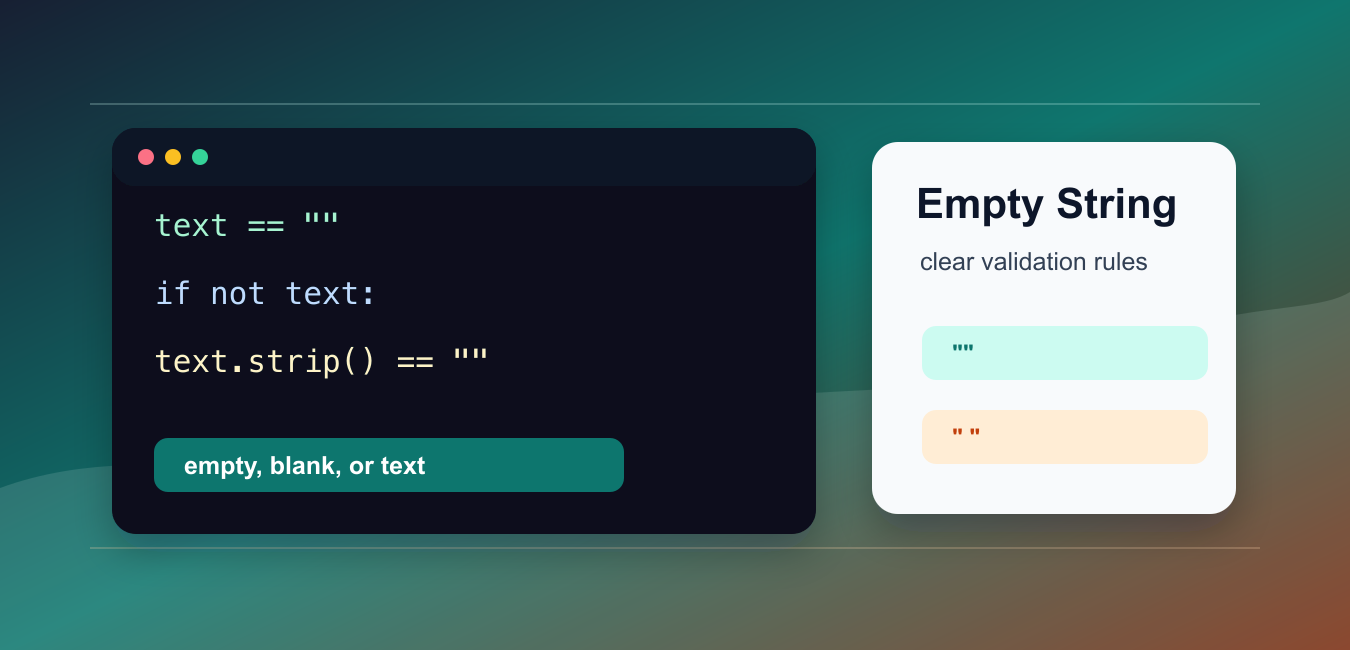
Detect empty Python strings while keeping empty text, whitespace-only input, missing None, and meaningful content separate.

Use Python list.pop() with indexes, stacks, queues, empty-list checks, negative indexes, and alternatives that match the workload.
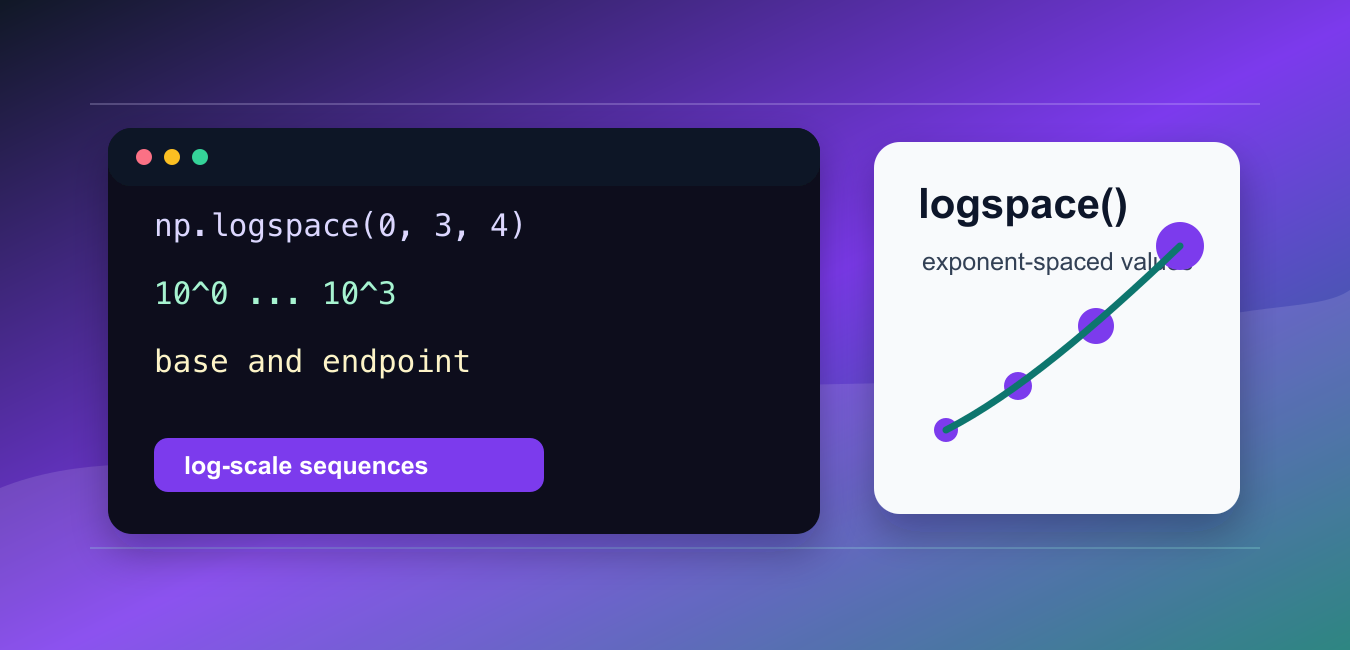
Use NumPy logspace to create logarithmically spaced values, choose start and stop exponents, control endpoint and base, and compare linspace.
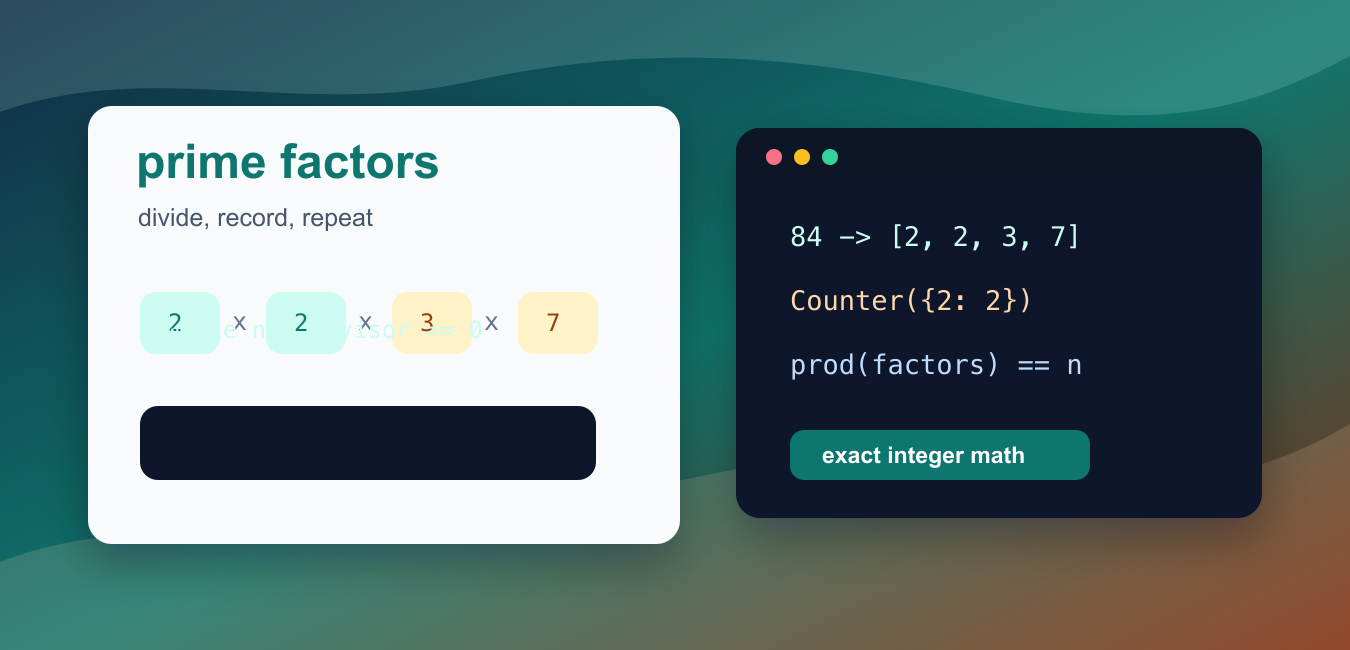
Find prime factors in Python with trial division, handle repeated factors, stop at the square root, and validate edge cases such as 1 and negative inputs.

Convert NumPy arrays to pandas DataFrames with shape, columns, index, dtype, missing values, copy behavior, and practical validation checks.