Fix TypeError: ‘int’ Object Is Not Subscriptable
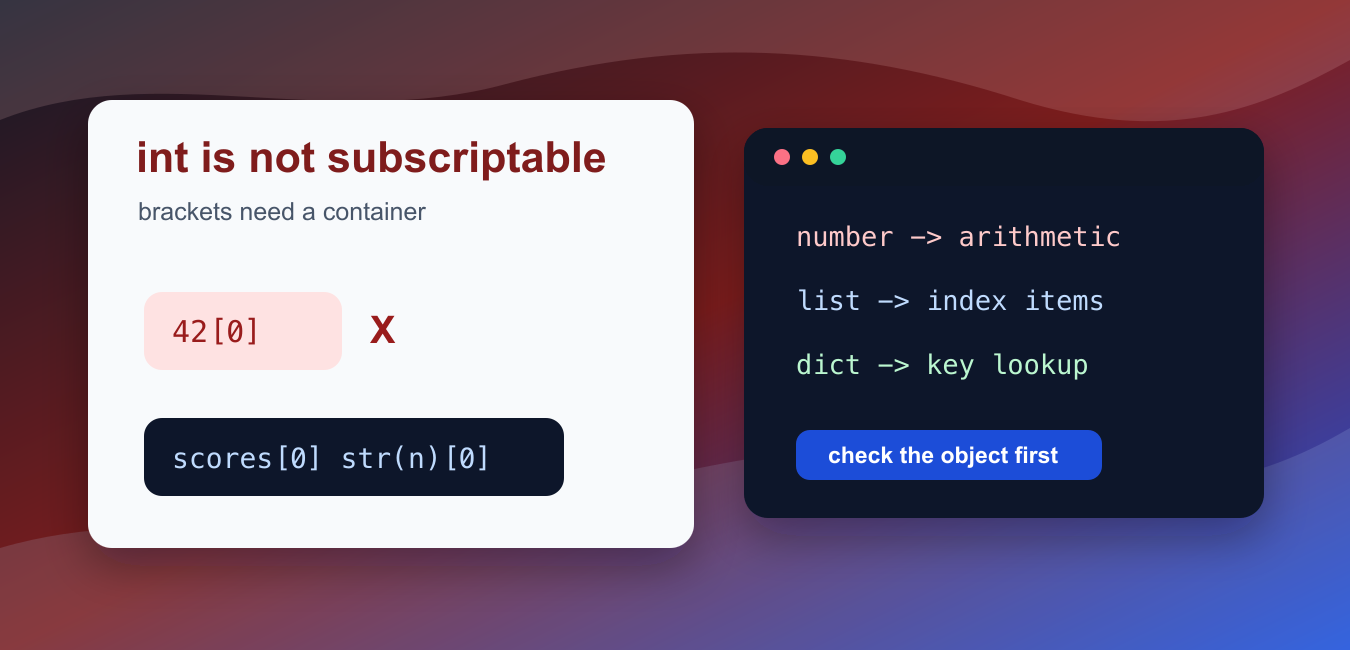
Fix Python’s int object is not subscriptable error by tracing accidental indexing, type assumptions, conversions, and correct sequence access.
Browse practical Python tutorials, error fixes, library guides, data science examples, and project ideas from Python Pool.
Fix Python’s int object is not subscriptable error by tracing accidental indexing, type assumptions, conversions, and correct sequence access.
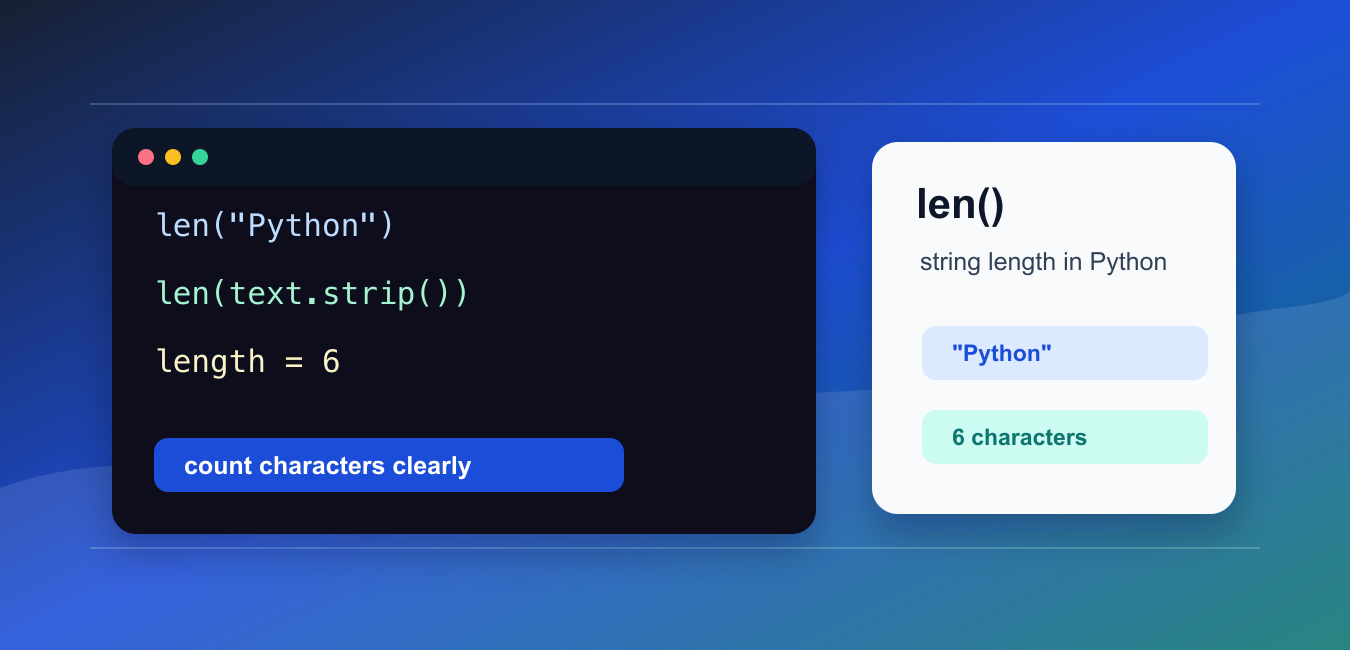
Use len() correctly for Python strings, bytes, lists, Unicode code points, encoded data, and user-facing text limits.
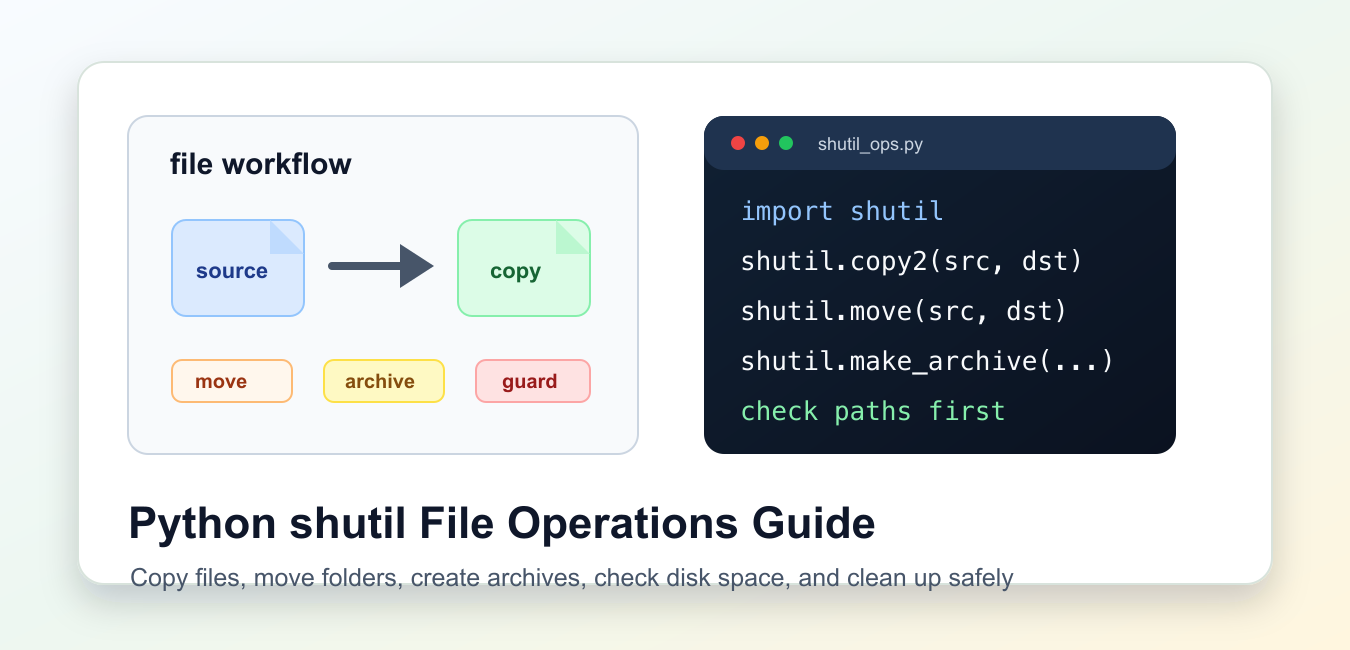
Use Python shutil for high-level file operations including copy, copytree, move, rmtree, and archives with explicit overwrite and cleanup decisions.

Implement A* pathfinding in Python with a priority queue, g and f scores, admissible heuristics, obstacles, and path reconstruction.
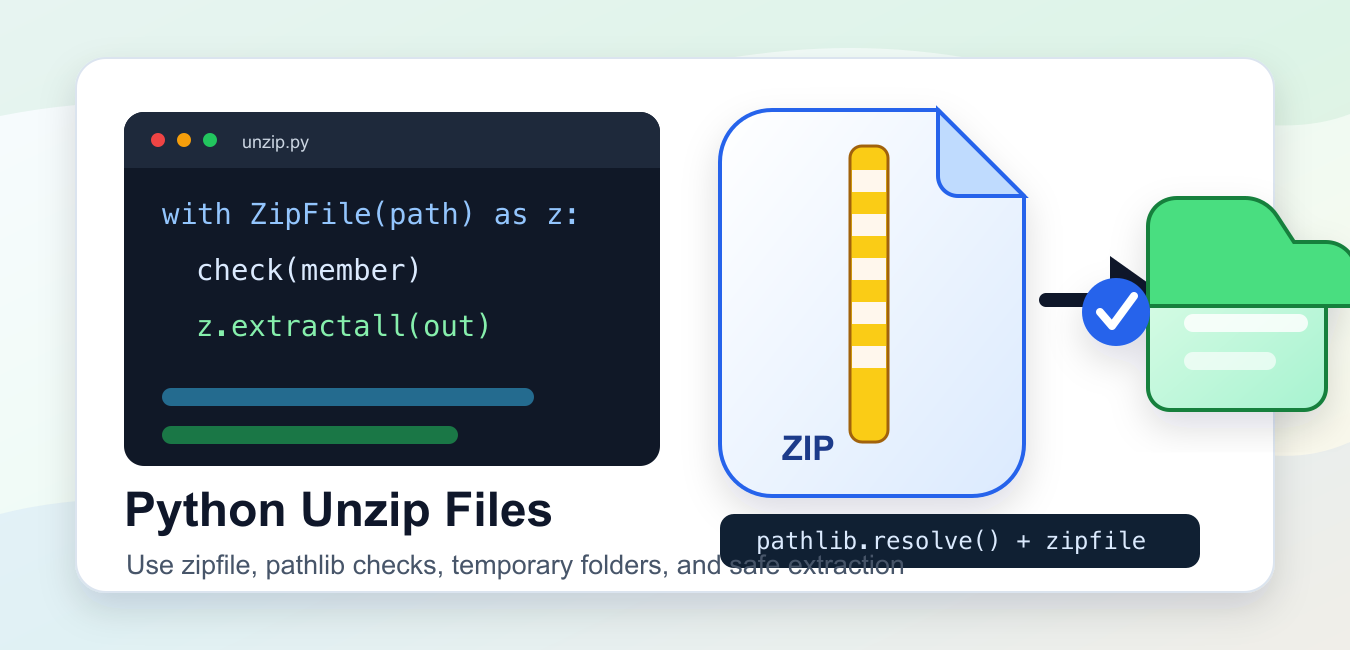
Unzip Python archives with zipfile, list members, extract selected files, prevent path traversal, and handle passwords and errors safely.
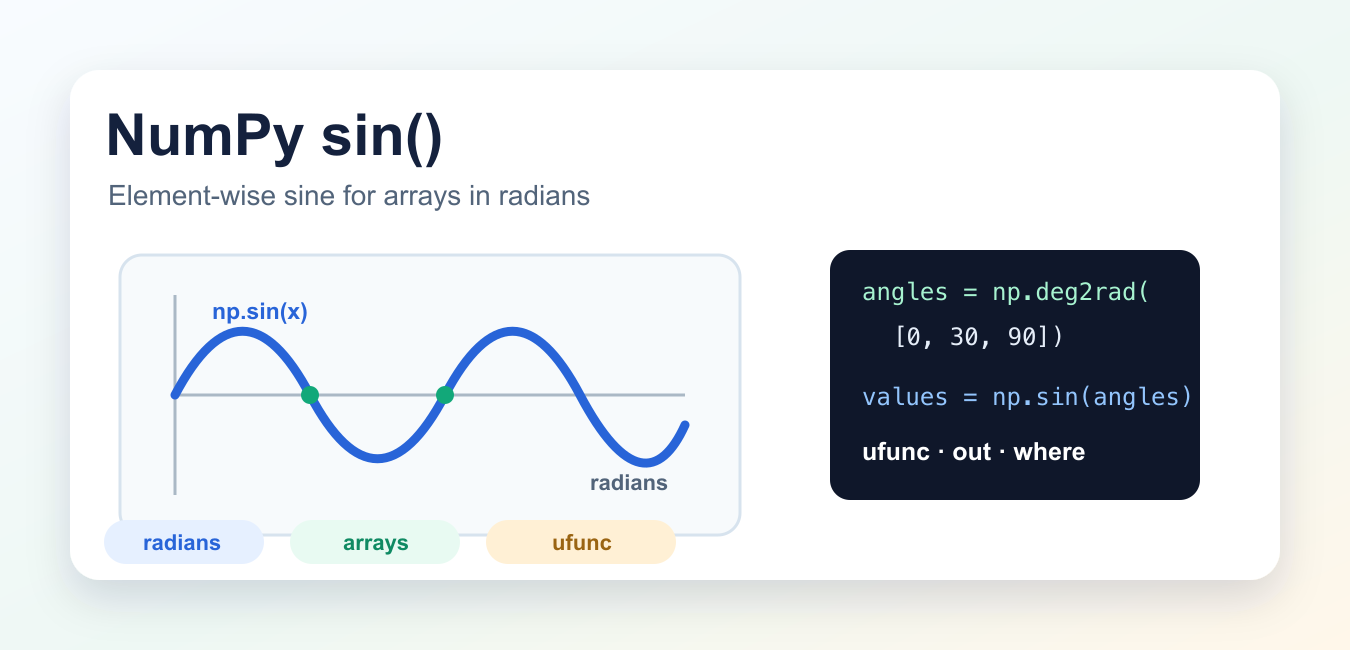
Calculate sine with NumPy in radians, convert degrees safely, use broadcasting, and control output with out and where.
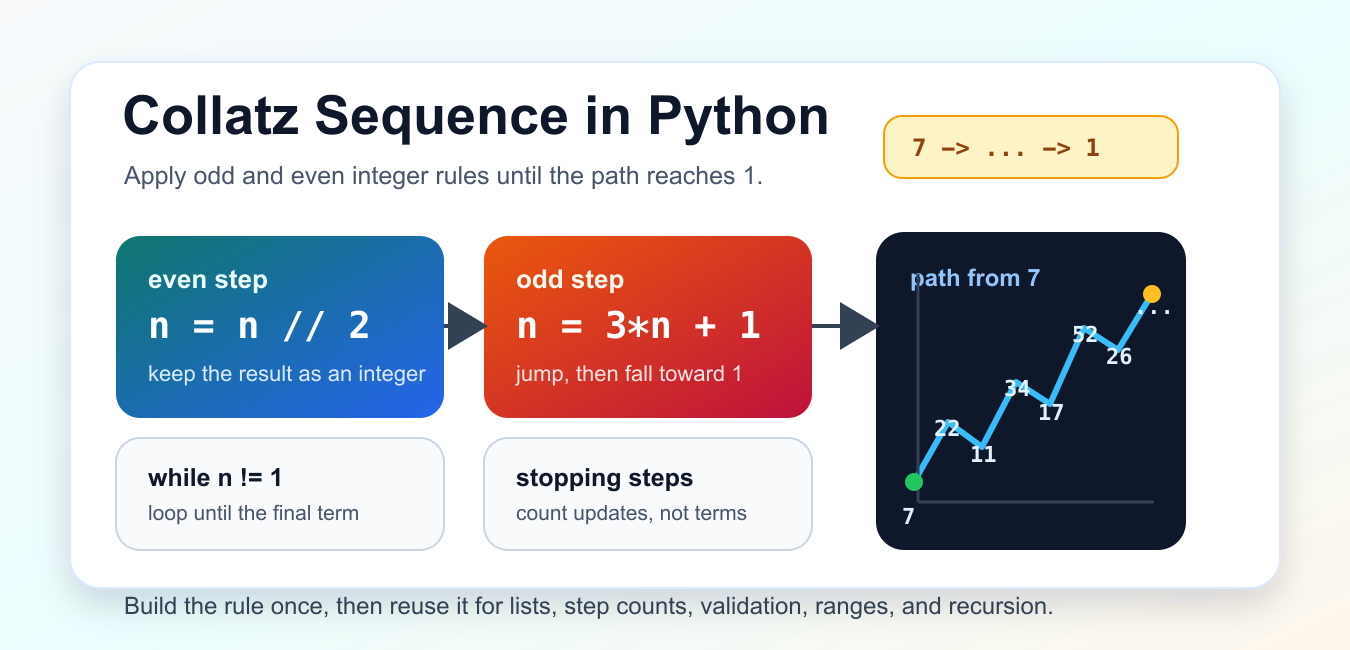
Generate the Collatz sequence in Python with clear stopping rules, cycle detection, input validation, step limits, and safe integer handling.
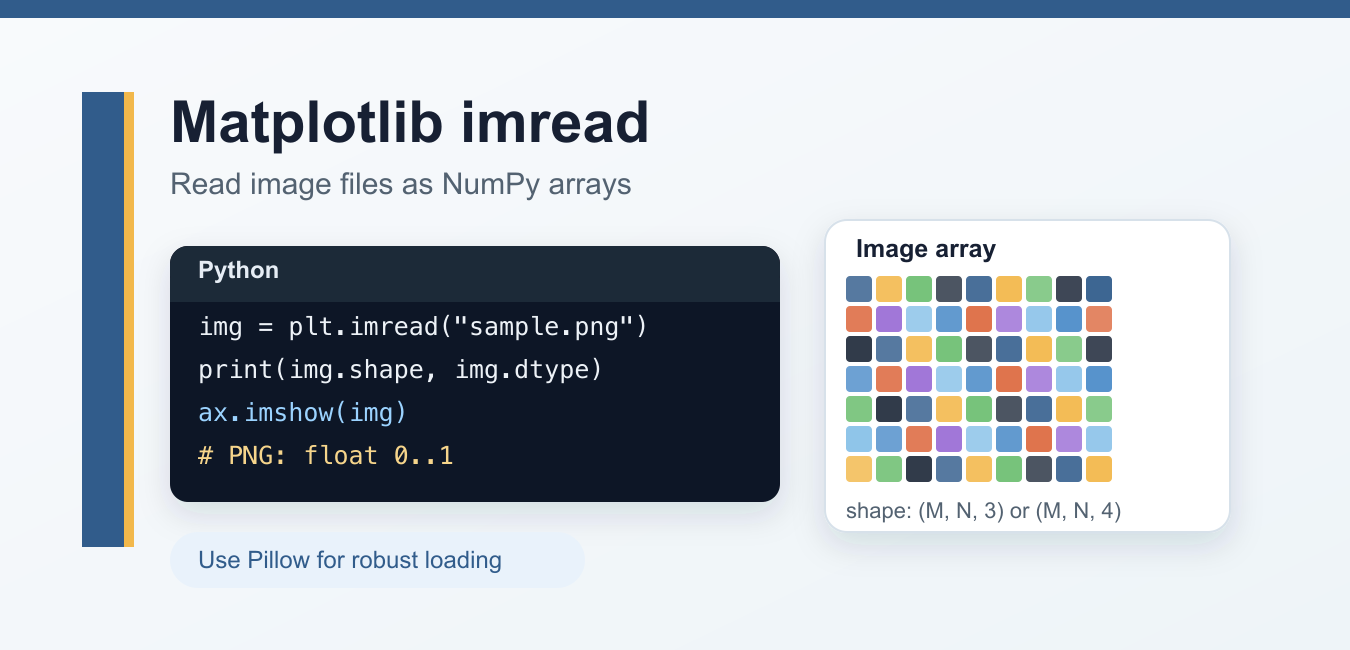
Use matplotlib.image.imread() to load image files, inspect shape and dtype, display RGB or grayscale data, and avoid URL and color-channel mistakes.
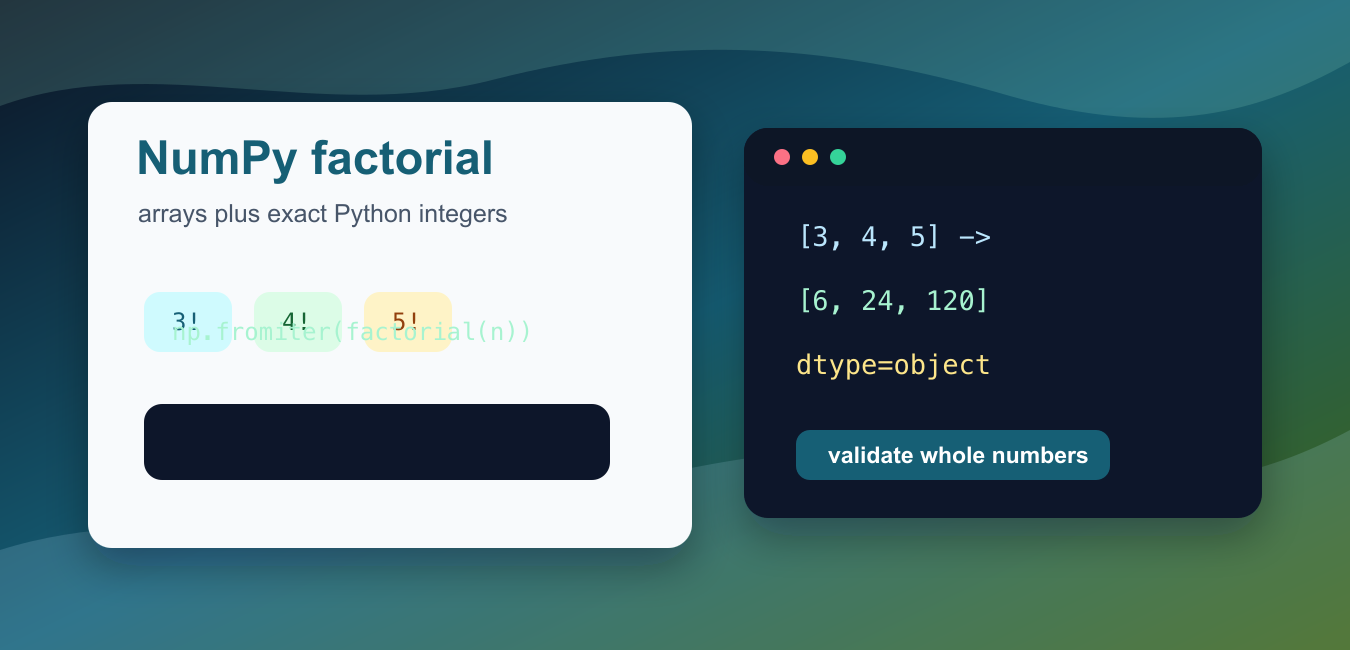
Calculate factorials for NumPy arrays with math.factorial, object-safe approaches, cumulative products, and SciPy exactness choices.

Change Matplotlib plot and figure backgrounds with set_facecolor(), rcParams, and savefig() while preserving readable text, legends, and output files.