Convert int to float in Python: float(), Division, and Precision
Convert integers to floats in Python with float(), mixed arithmetic, division, precision notes, and safe handling of strings and user input.
Browse practical Python tutorials, error fixes, library guides, data science examples, and project ideas from Python Pool.
Convert integers to floats in Python with float(), mixed arithmetic, division, precision notes, and safe handling of strings and user input.
Fix break outside loop by moving break into a for or while loop, using return inside functions, or choosing sys.exit for program termination.

Use NumPy quantile() with q probabilities, axes, interpolation methods, nanquantile, keepdims, weights, and distribution summaries.
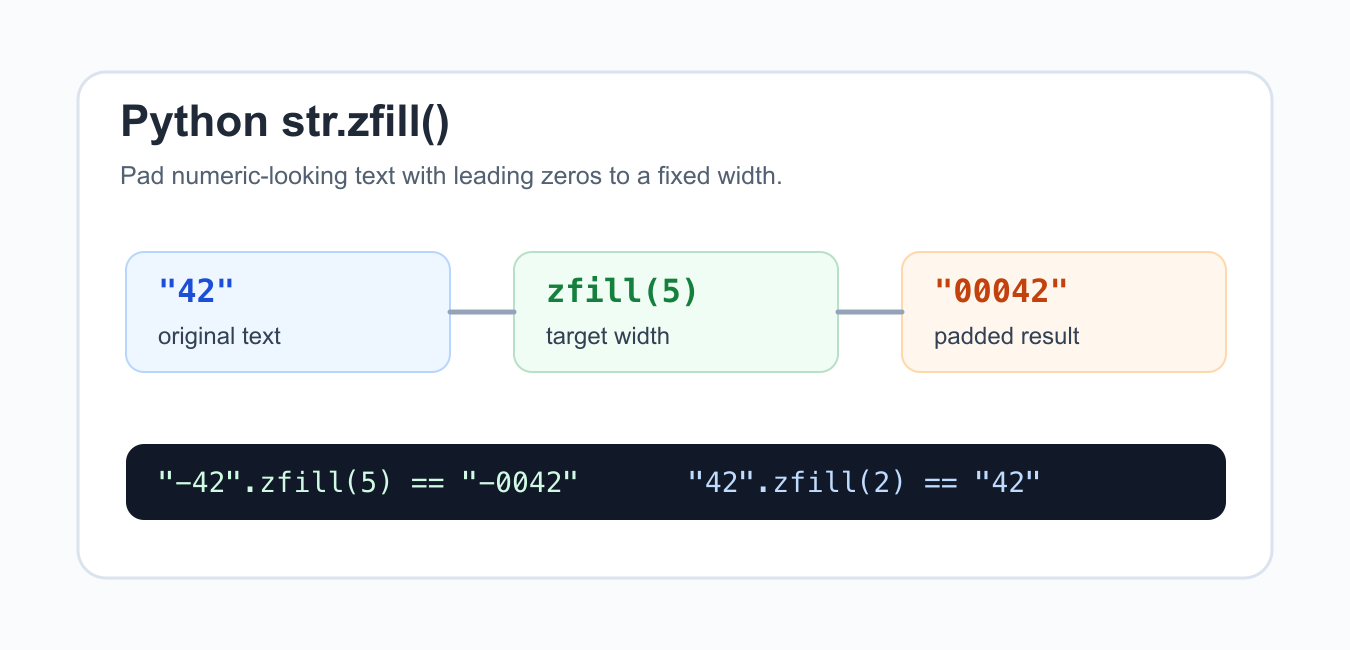
Use Python str.zfill() to add leading zeros, preserve plus and minus signs, and choose the right width for IDs and reports.
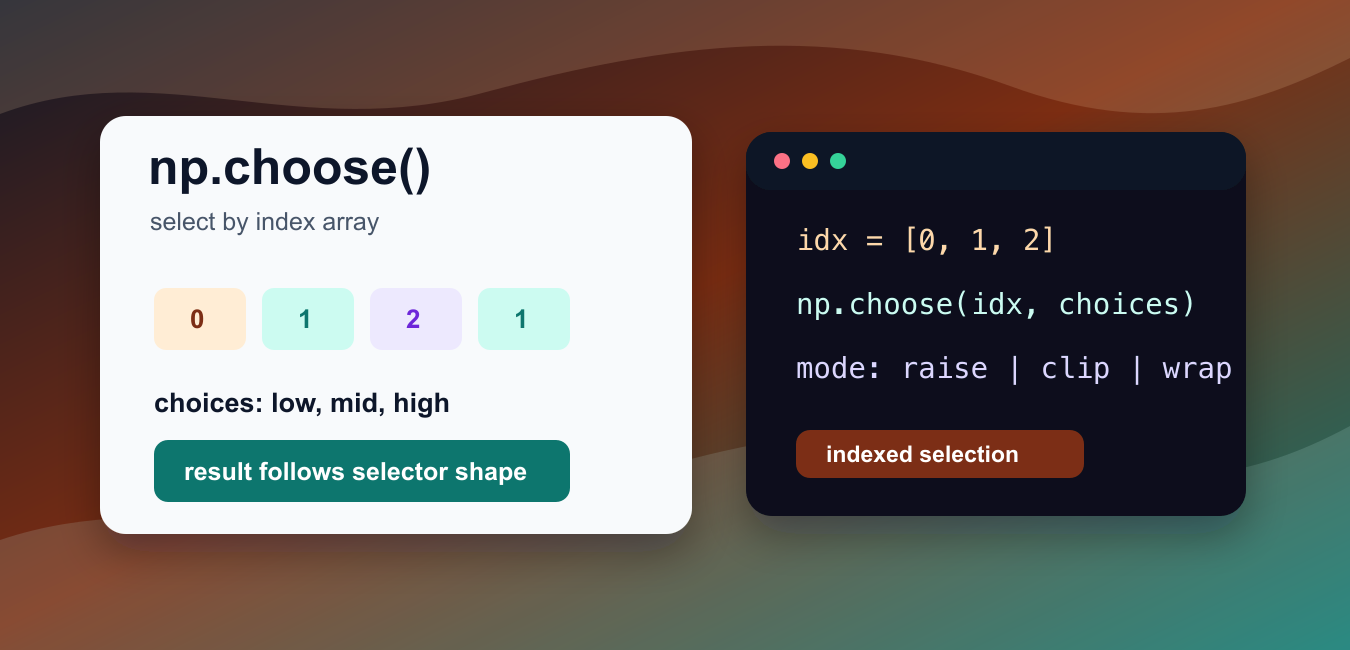
Use numpy.choose for indexed selection with compatible arrays, modes, broadcasting, bounds, dtypes, and clearer alternatives.
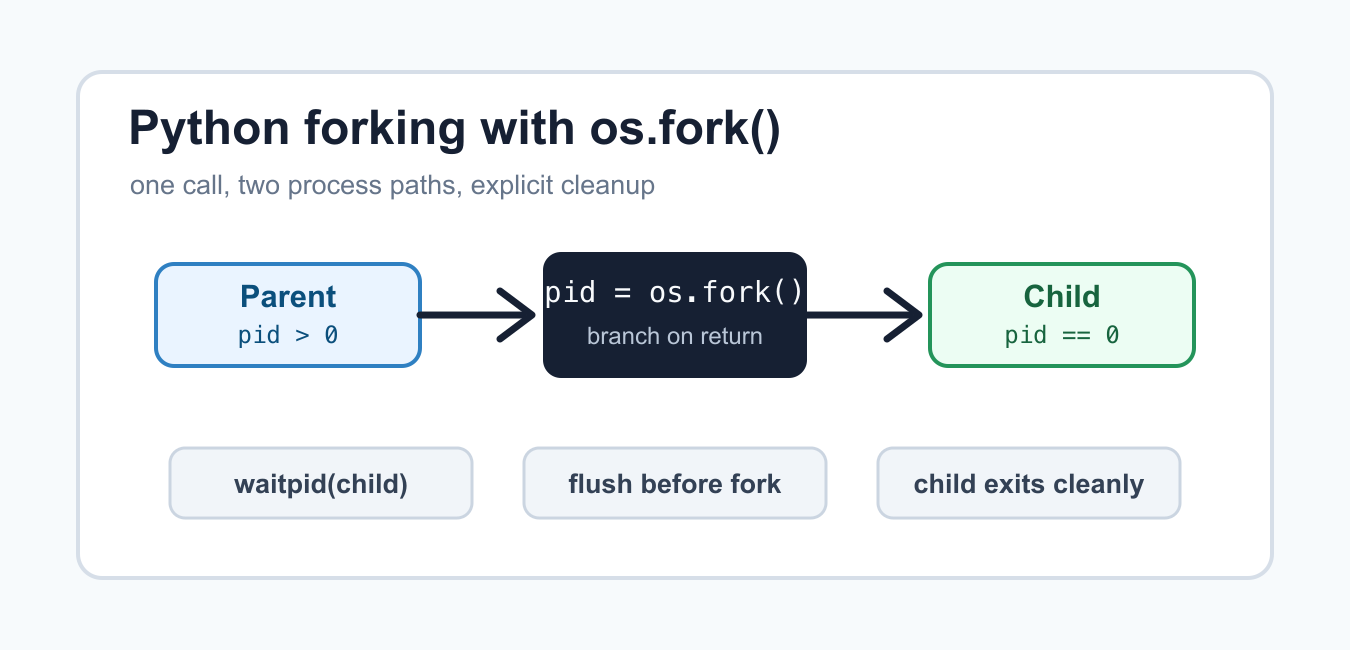
Understand process forking in Python with multiprocessing start methods, copy-on-write, threads, file descriptors, Windows differences, and safe entry points.
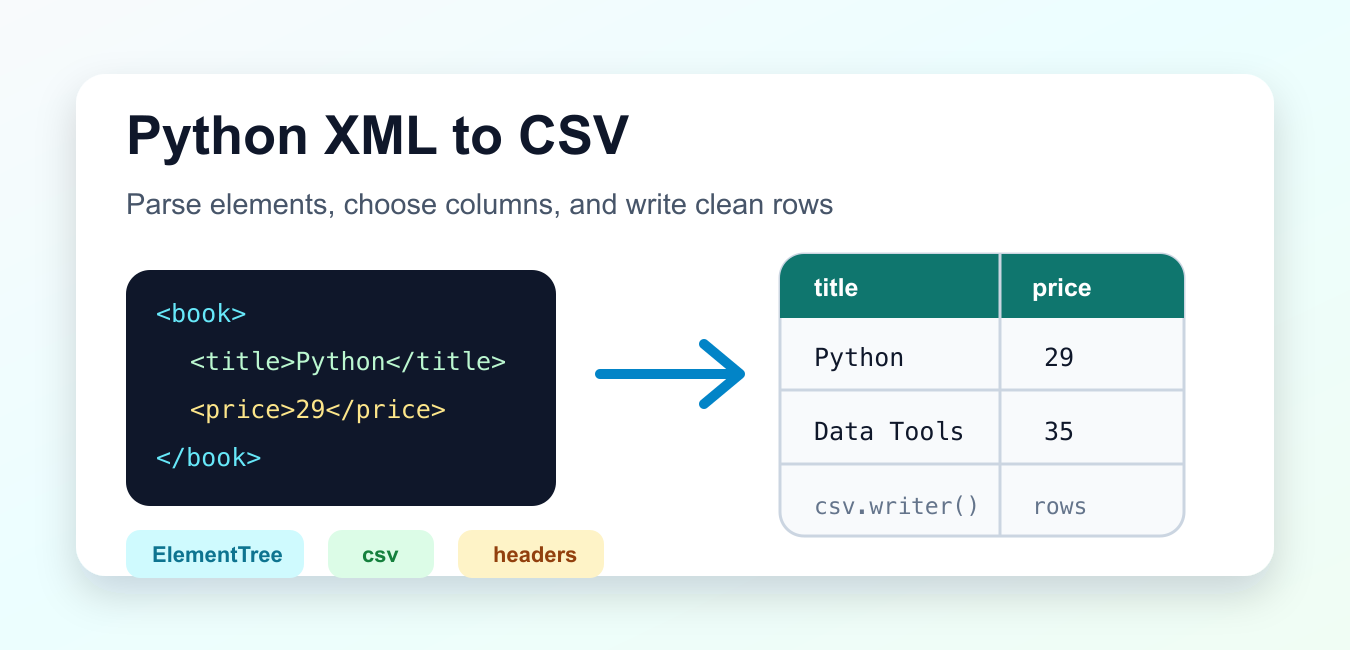
Convert XML to CSV with Python ElementTree and csv while handling nested elements, attributes, missing values, namespaces, security, and repeatable headers.
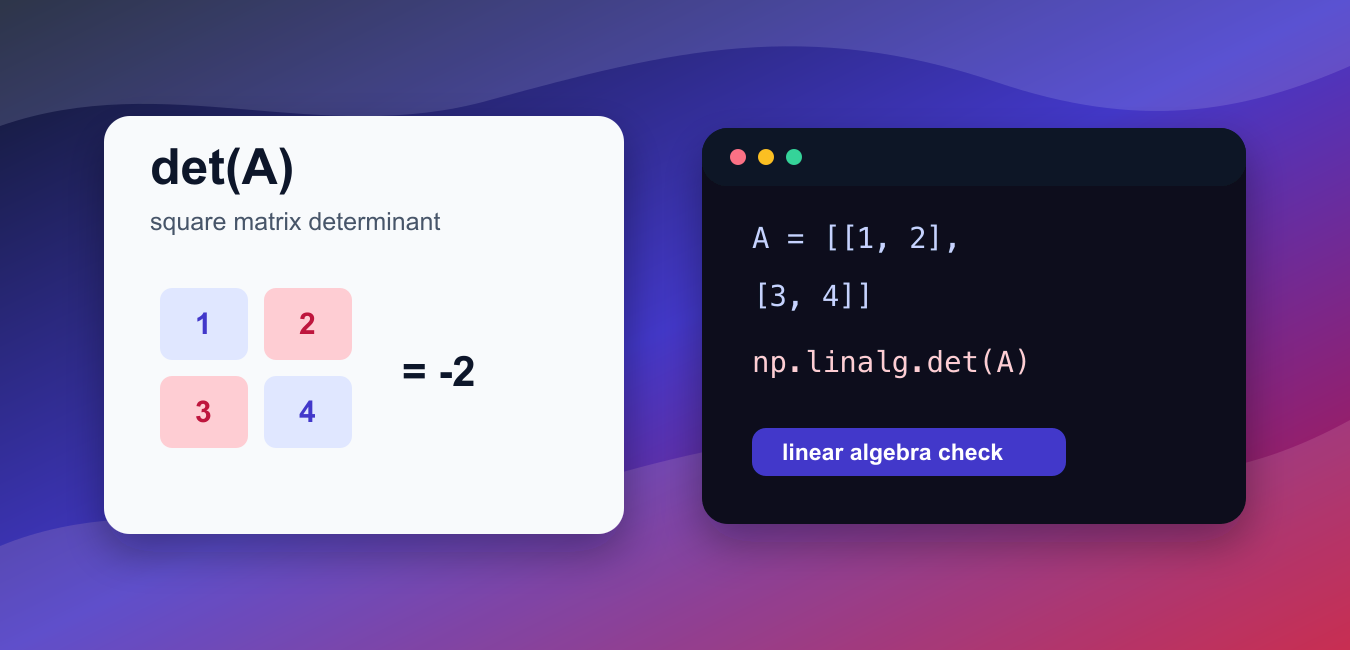
Calculate matrix determinants with NumPy, understand square-array requirements, numerical stability, stacked inputs, and practical validation.
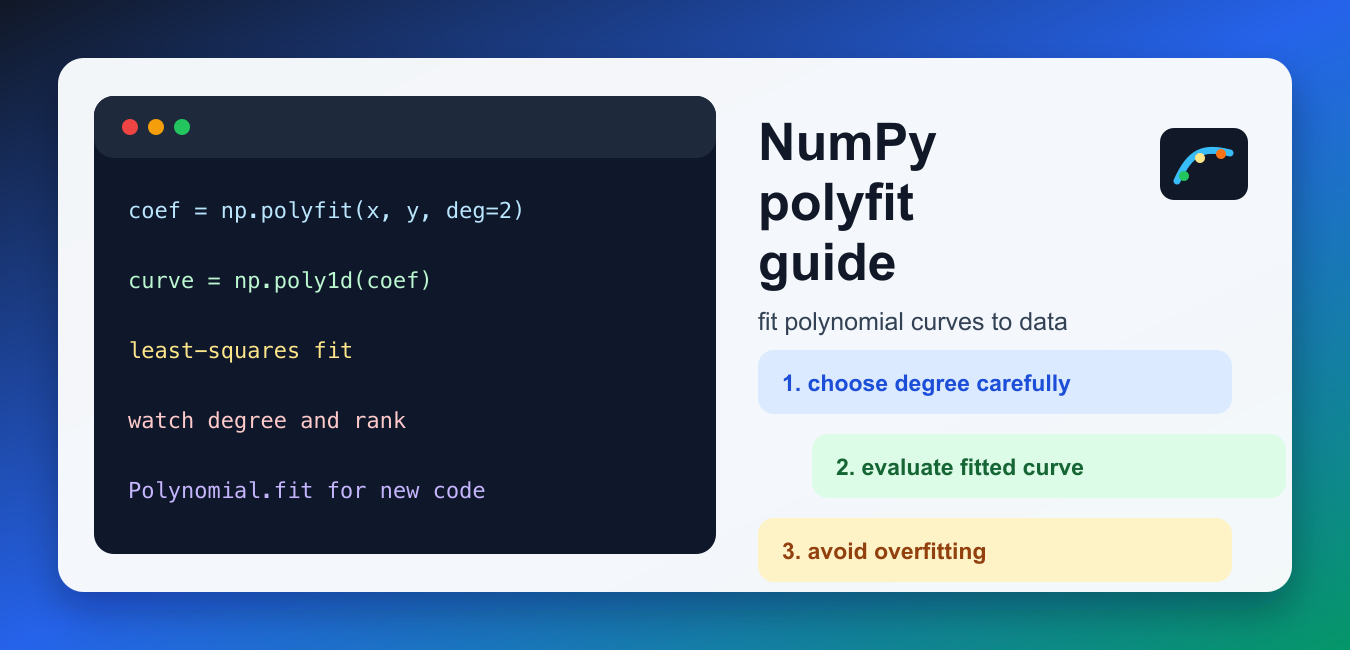
Fit polynomial models with NumPy polyfit(), evaluate them with polyval(), and inspect residuals, rank, weights, and conditioning.

Convert tabular data to first normal form in Python by separating repeating values, defining atomic fields, preserving keys, and validating rows before storage.