How to Negate a Boolean in Python: not, Conditions, and Flags
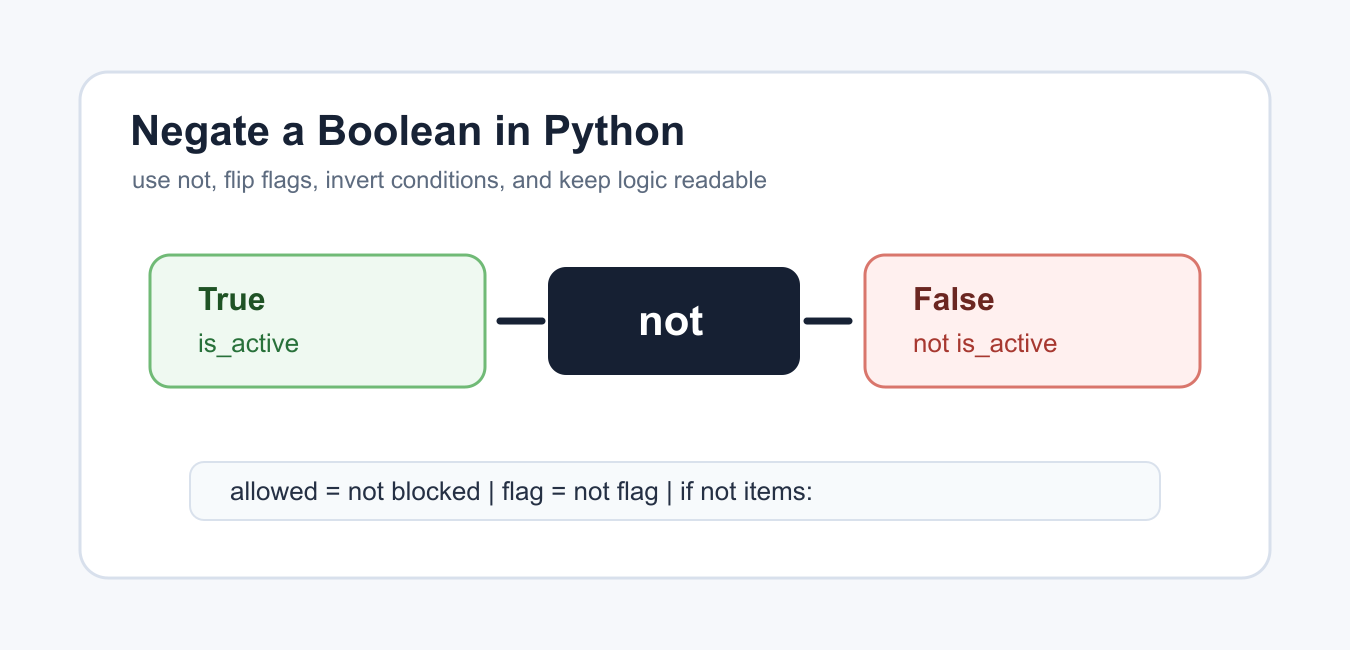
Negate Python booleans with not, invert conditions, toggle flags, handle truthy values, and avoid double-negative logic mistakes.
Browse practical Python tutorials, error fixes, library guides, data science examples, and project ideas from Python Pool.
Negate Python booleans with not, invert conditions, toggle flags, handle truthy values, and avoid double-negative logic mistakes.
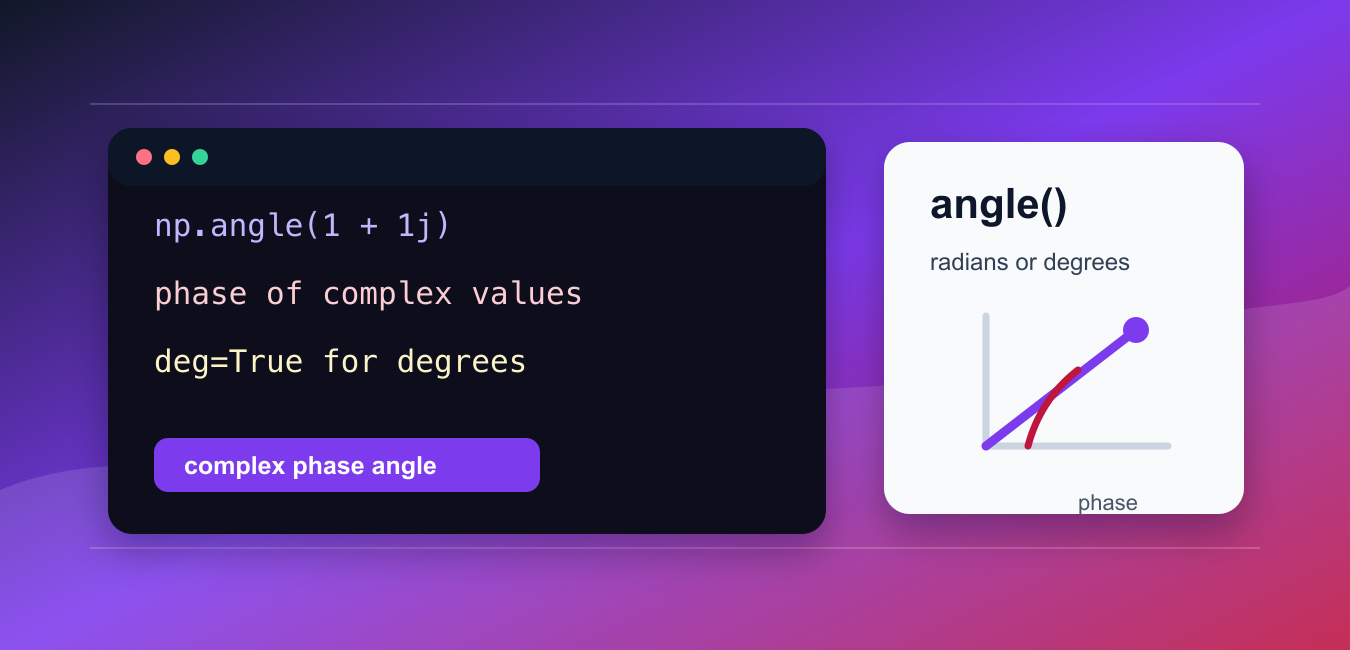
Use NumPy angle() to compute complex phase, choose radians or degrees, understand zero and negative values, and preserve array shapes.
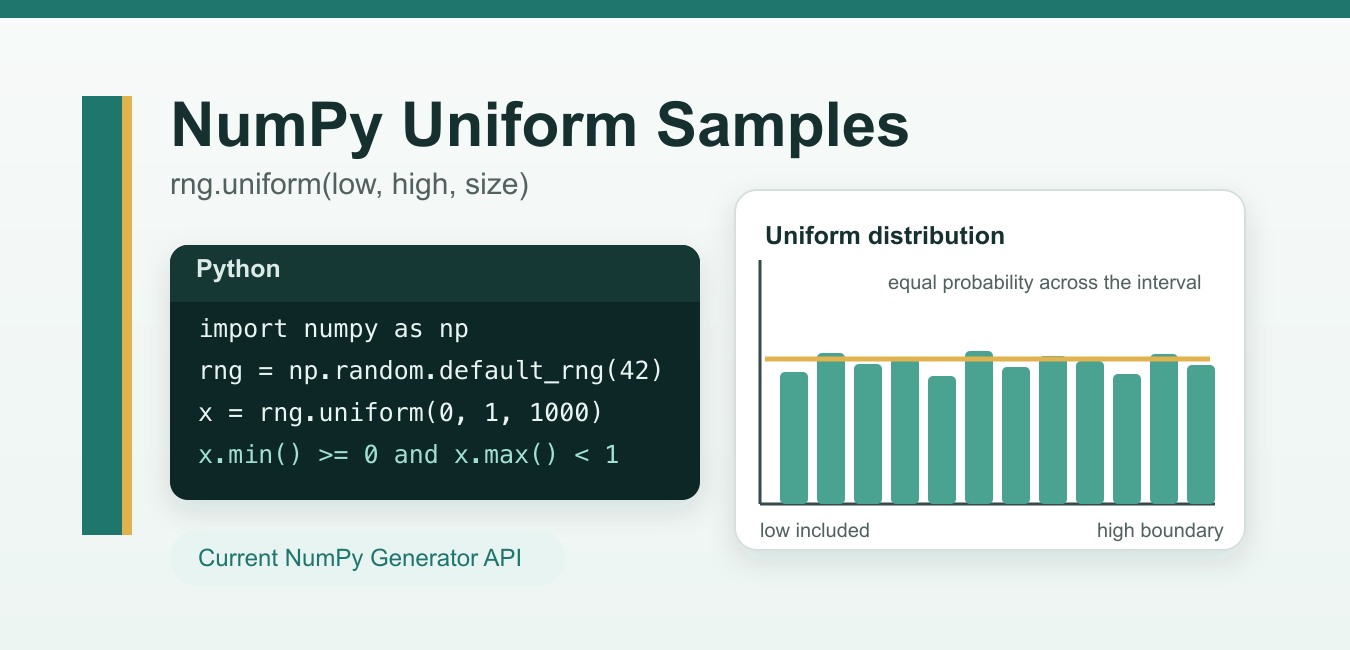
Generate uniform random samples with NumPy using ranges, sizes, modern generators, reproducible seeds, and numerical edge cases.
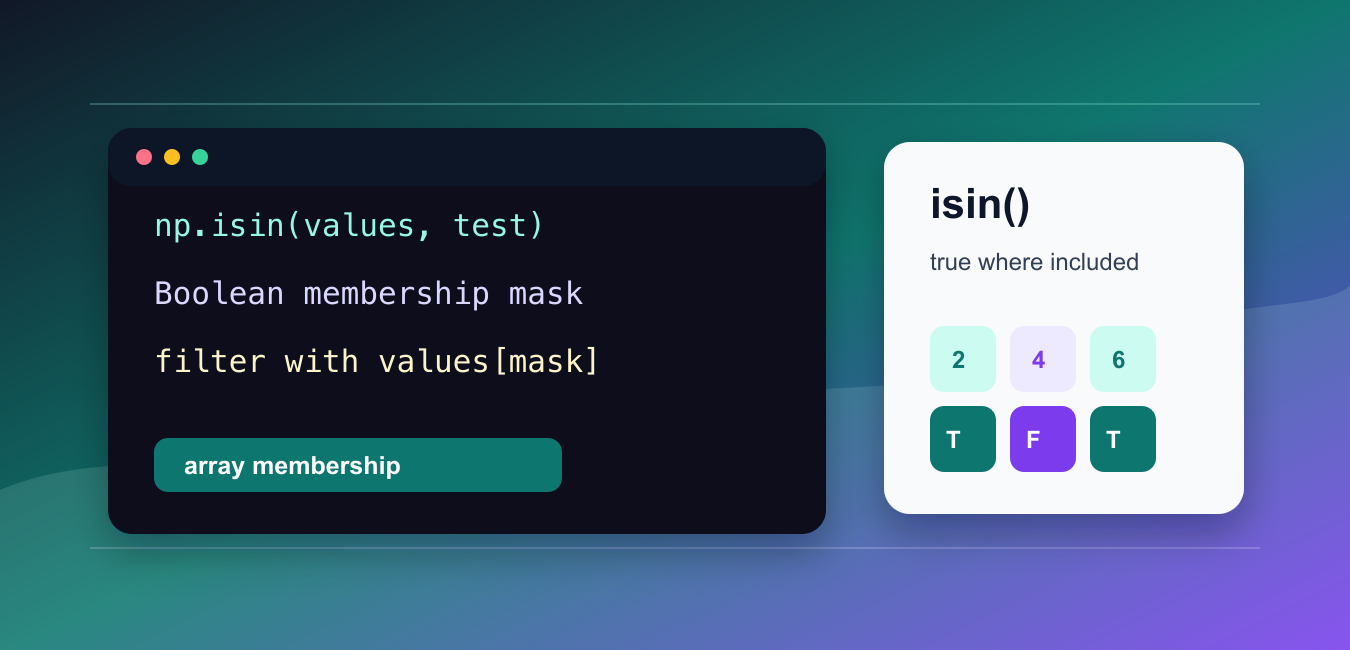
Use NumPy isin() for elementwise membership masks, inverted filters, multidimensional arrays, set inputs, and memory-aware comparisons.

Check whether a Python name exists with locals(), globals(), try/except NameError, hasattr(), getattr(), and better initialization patterns.
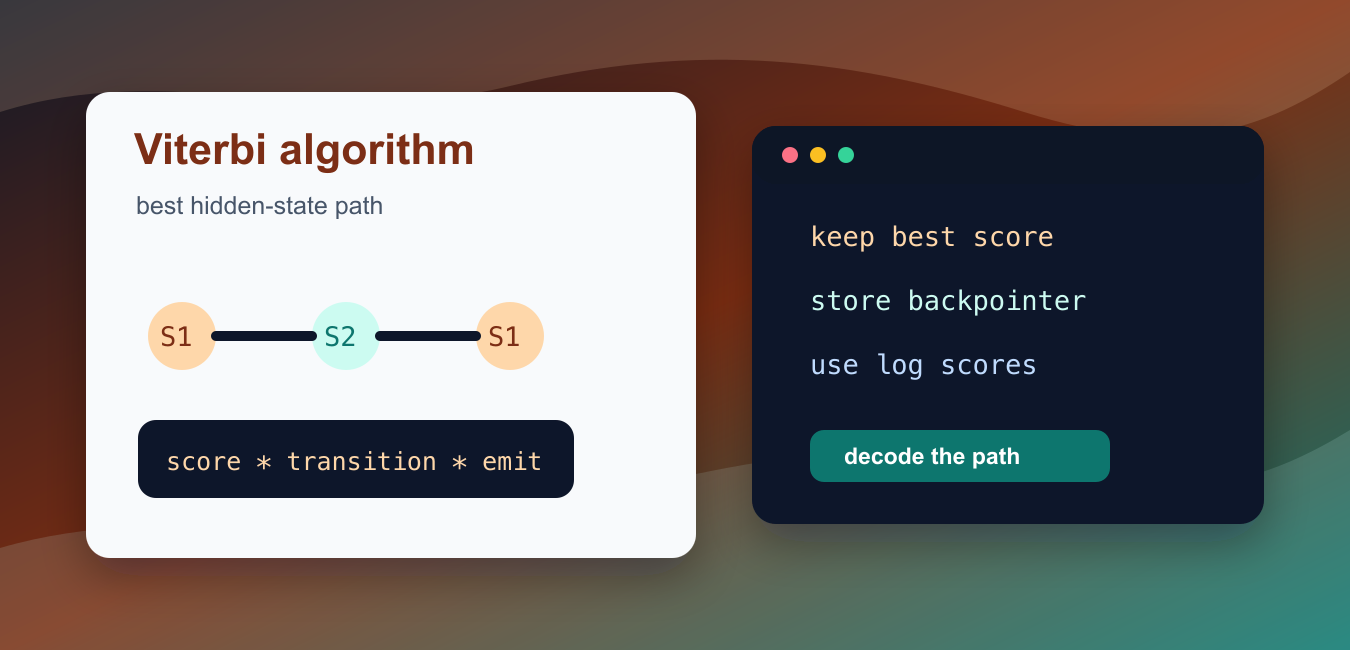
Implement the Viterbi algorithm in Python with dynamic-programming scores, backpointers, hidden states, probabilities, and stable computation.

Use NumPy pad to add values around arrays with constant, edge, reflect, and statistic modes while controlling pad widths and axes.
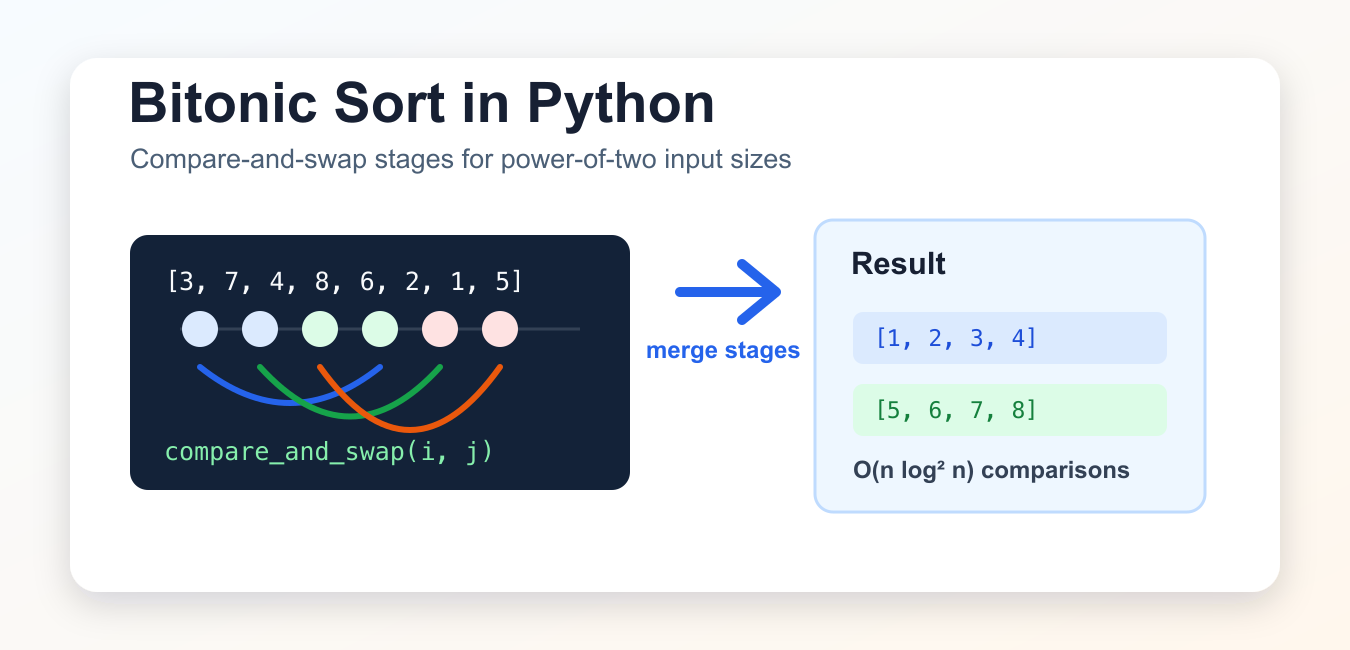
Implement bitonic sort in Python, understand its power-of-two constraint, validate ascending and descending phases, and choose it for parallel sorting networks when appropriate.
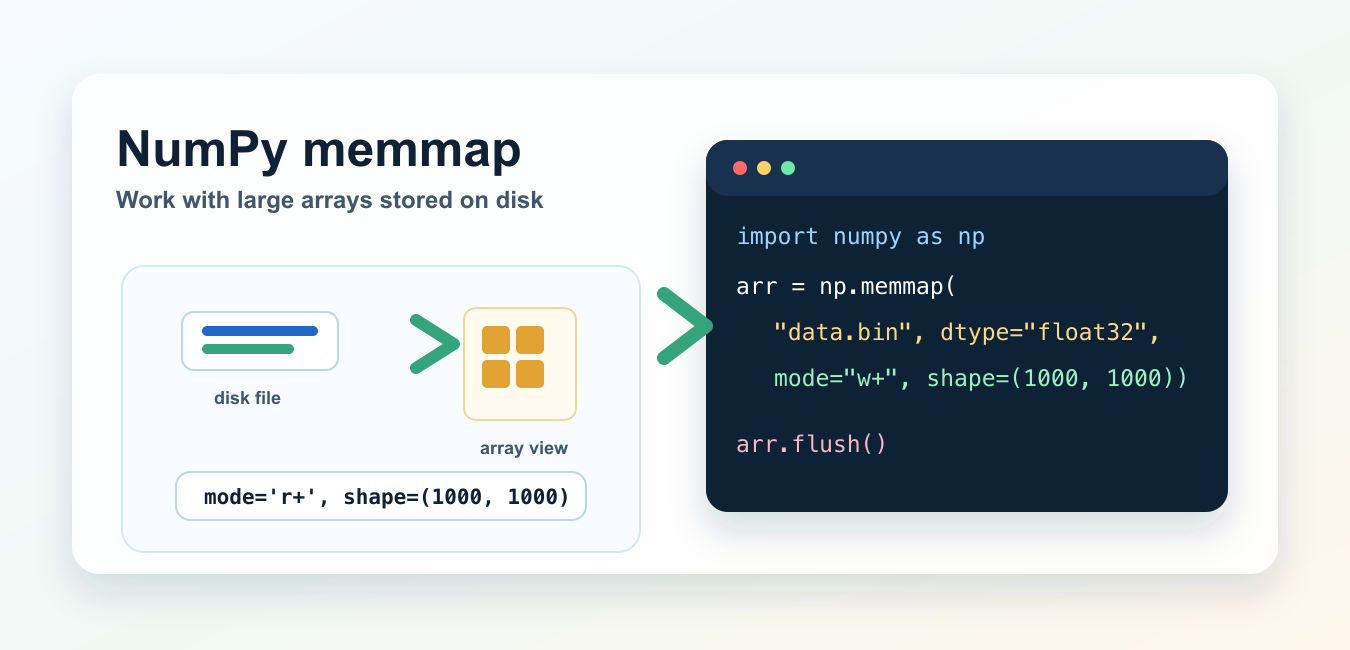
Use NumPy memmap for large array files with the right mode, dtype, shape, flush behavior, and memory expectations without loading the whole file at once.

Build a NumPy Kronecker delta with eye(), equal(), or where(), and distinguish the elementwise delta from np.kron().