Python Comparators: Comparison Operators, Sorting, and Keys
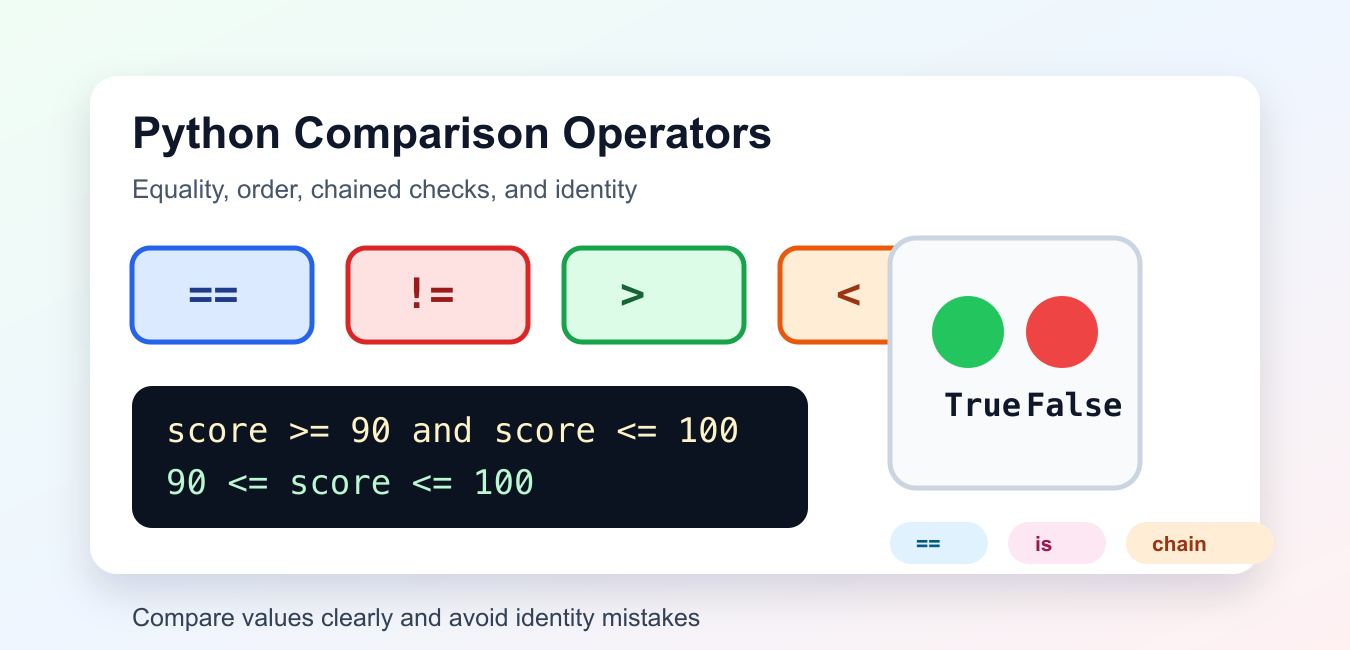
Understand Python comparison operators, rich comparisons, chained conditions, sorting keys, cmp_to_key, equality, and edge cases such as NaN.
Browse Python tutorials for beginners and working developers, including syntax, libraries, examples, projects, and real problem-solving guides.
Understand Python comparison operators, rich comparisons, chained conditions, sorting keys, cmp_to_key, equality, and edge cases such as NaN.

Use Python casefold for robust case-insensitive Unicode matching, understand its difference from lower, and normalize comparison keys without changing display text.
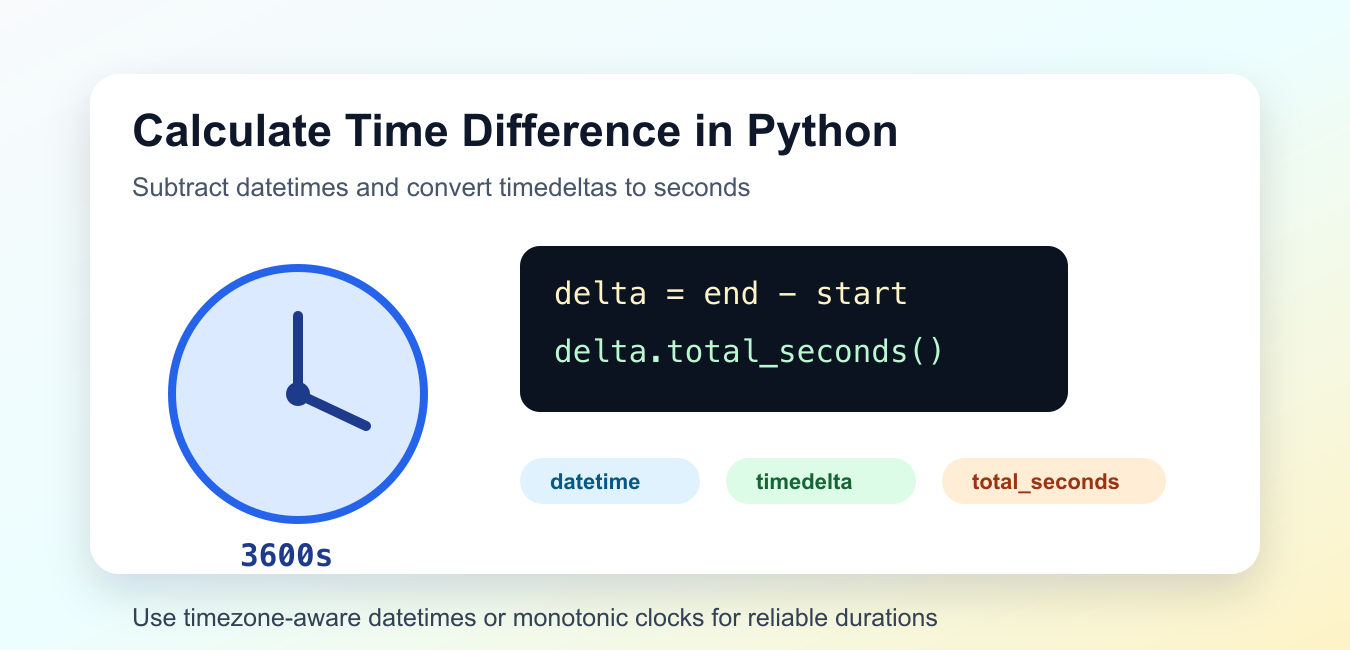
Calculate Python time differences in seconds with datetime, timedelta.total_seconds(), timestamps, timezone-aware values, and rounding.
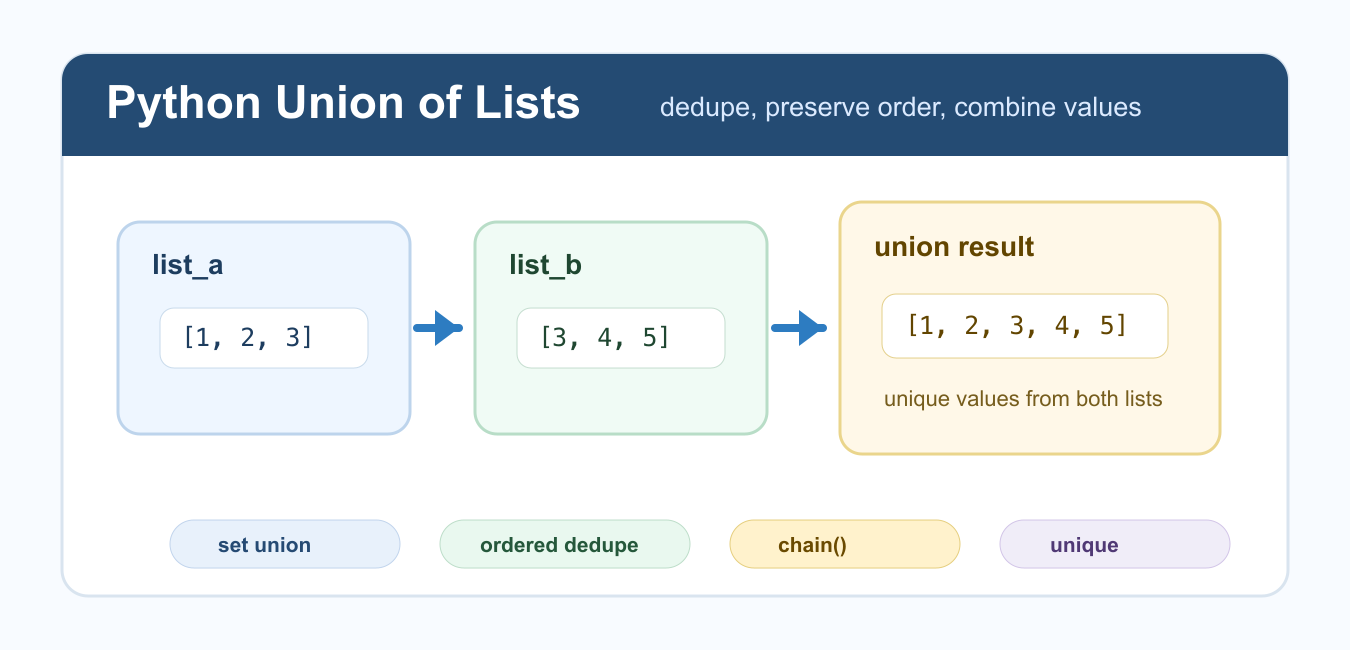
Combine Python lists as a union with order-preserving methods, set operations, hashability checks, duplicate rules, and readable examples.
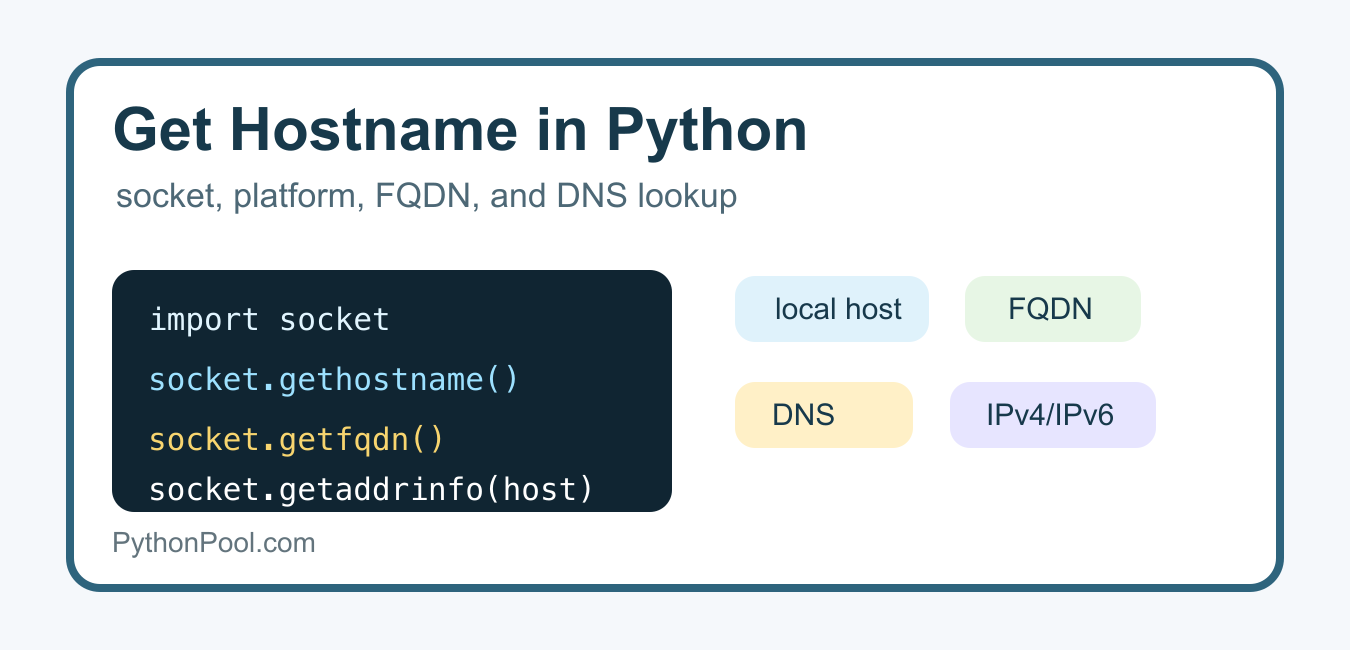
Get a hostname in Python with socket.gethostname(), platform.node(), getfqdn(), reverse DNS, and safe error handling.
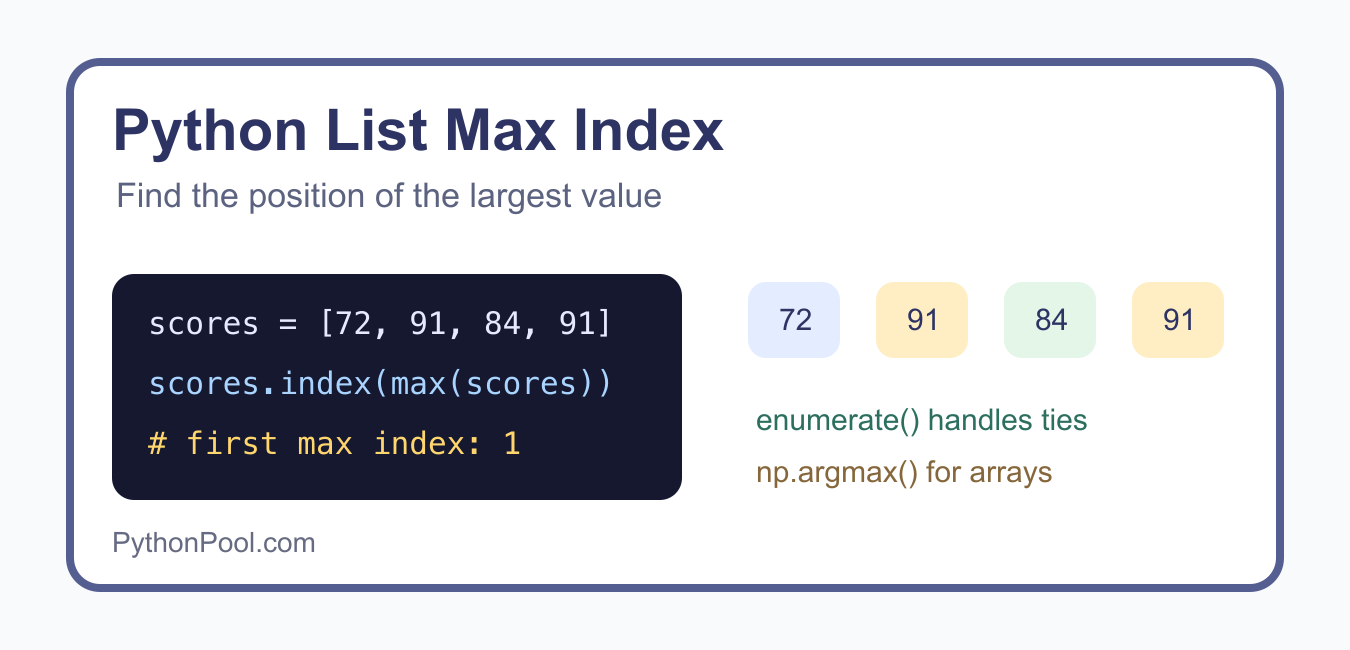
Find the index of the max value in a Python list with max(), index(), enumerate(), ties, empty-list handling, dictionaries, and NumPy argmax.
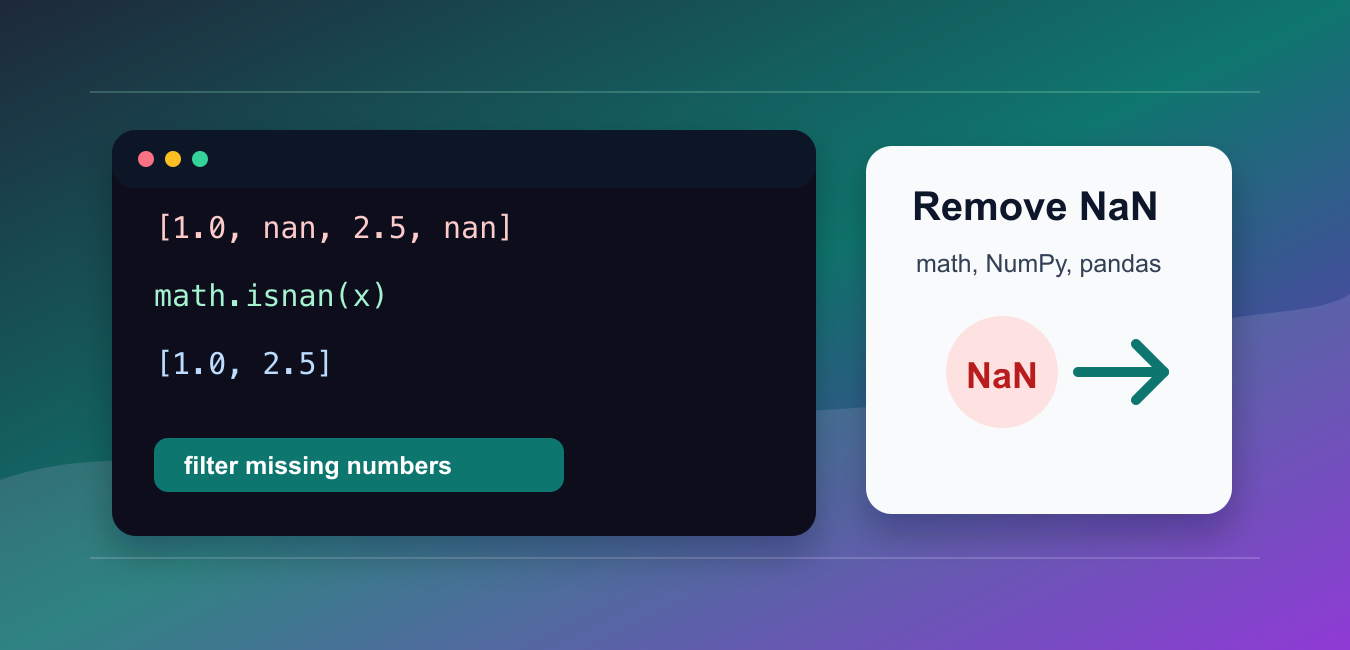
Remove NaN values from a Python list with math.isnan(), safe mixed-type checks, NumPy masks, pandas dropna(), and correct comparisons.

Implement run-length encoding in Python for strings or sequences with counts, decoding, edge cases, Unicode, compression tradeoffs, and tests.
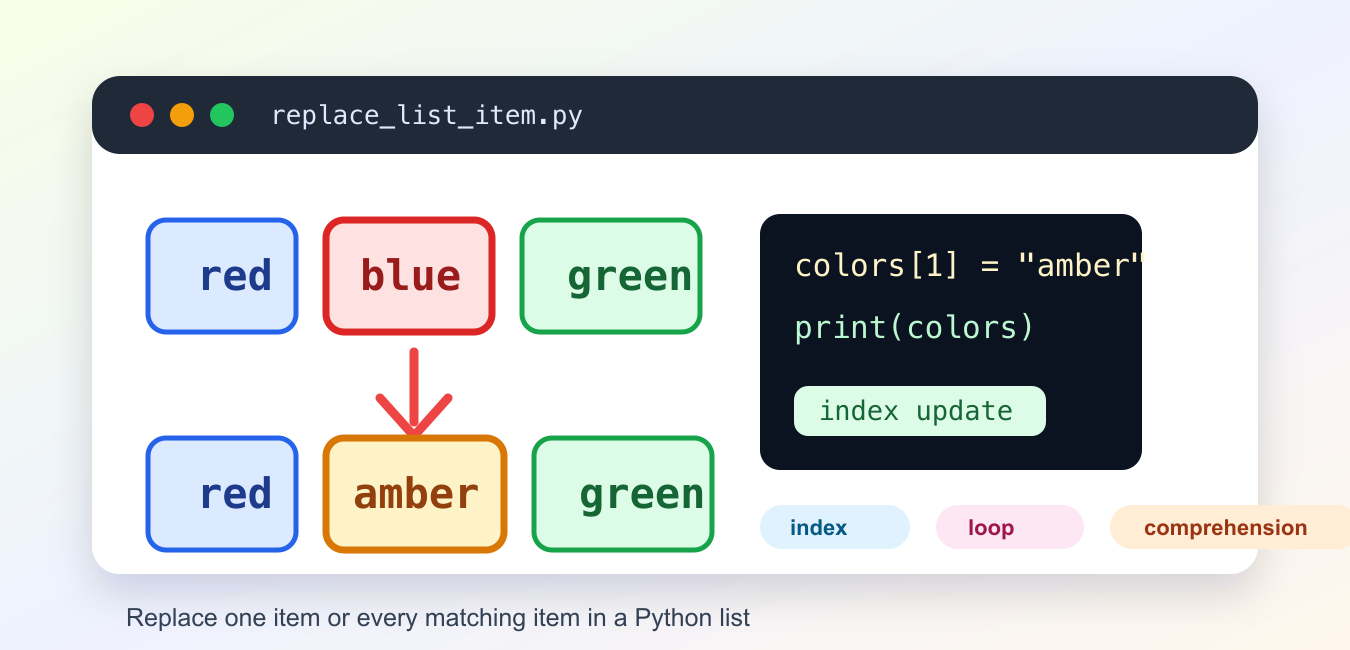
Replace one or many Python list items with index assignment, enumerate, comprehensions, map, or slice assignment based on mutation needs.
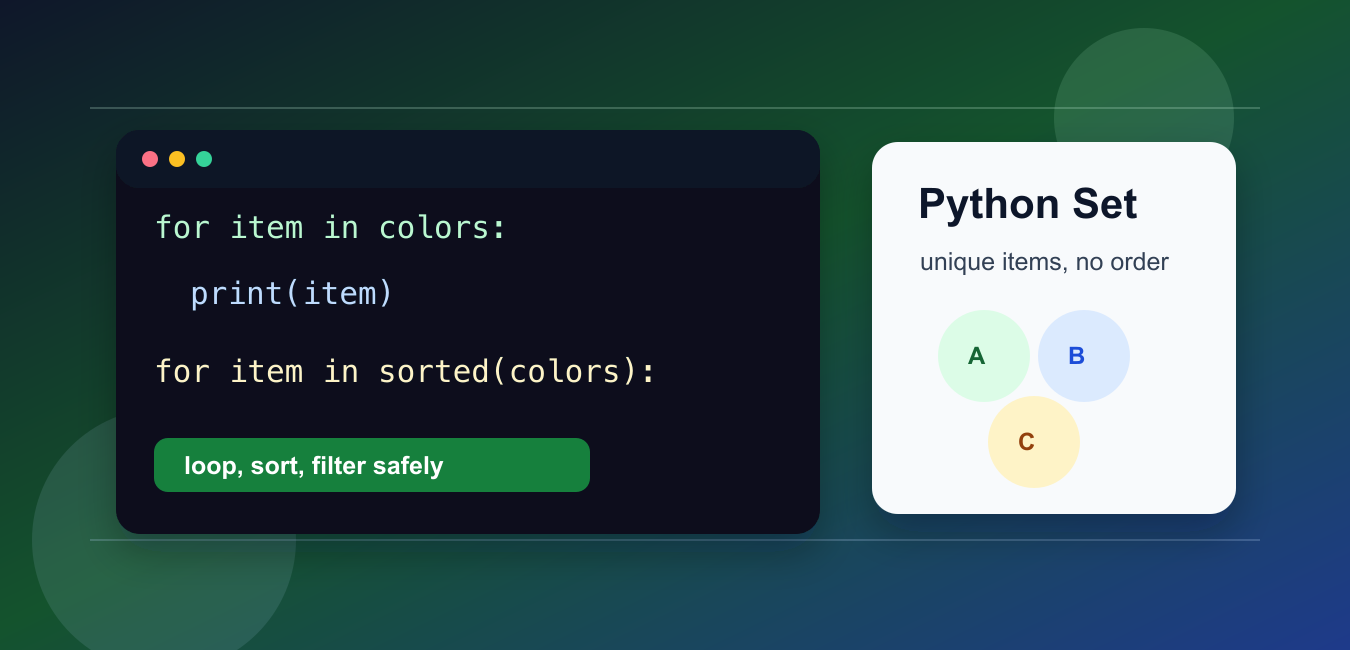
Loop through Python sets for unique values, sort for stable presentation, and preserve order when position matters.