Moving Average in Python: Windows, Weights, and Edges
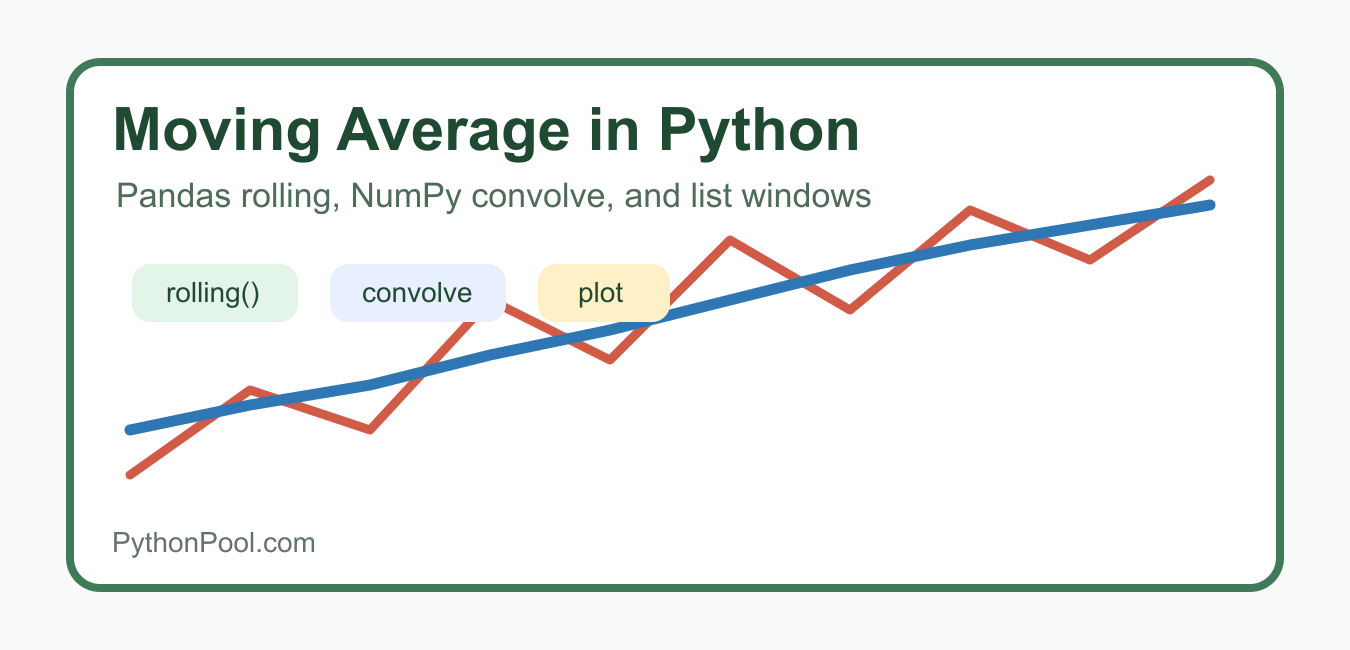
Calculate a moving average in Python with NumPy or a rolling window, choose edge behavior, and avoid leaking future values into time-series analysis.
Browse Python tutorials for beginners and working developers, including syntax, libraries, examples, projects, and real problem-solving guides.
Calculate a moving average in Python with NumPy or a rolling window, choose edge behavior, and avoid leaking future values into time-series analysis.

Choose append() for one object and extend() for iterable items while controlling nesting, aliases, mutation, and return values.
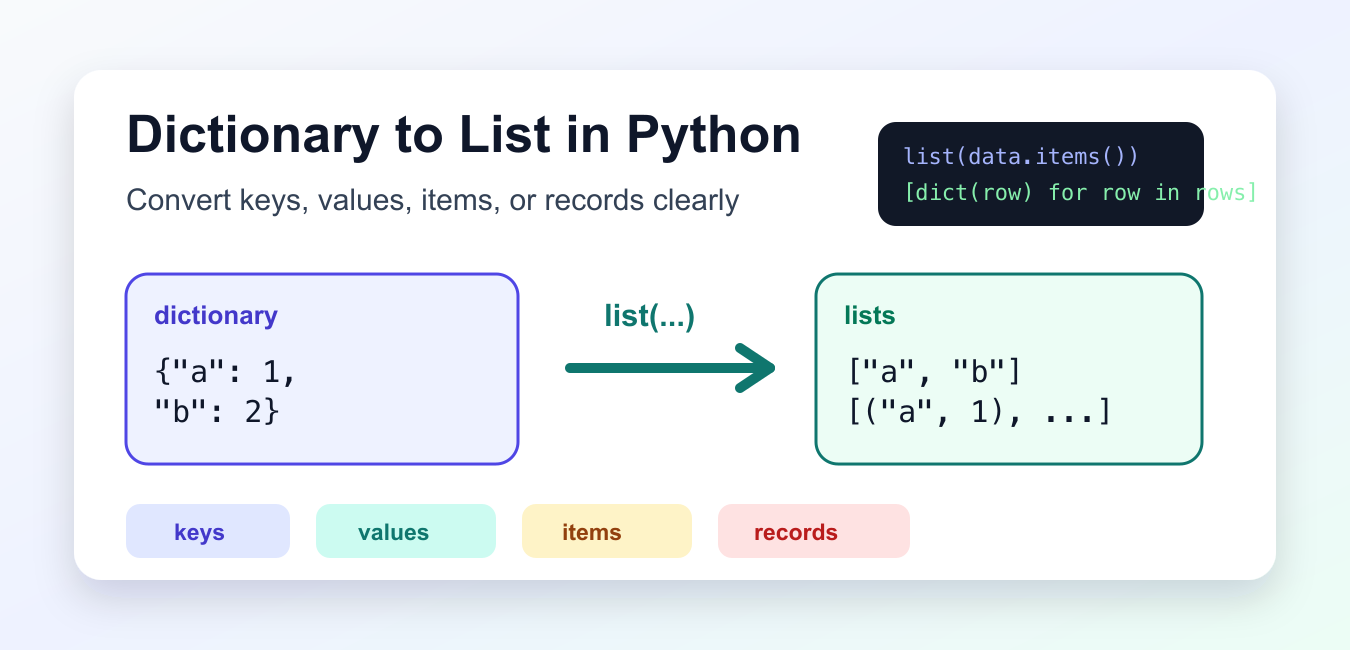
Convert a Python dictionary to a list of keys, values, items, tuples, or records while preserving insertion order and structure.

Understand Python if not with truthiness, None checks, empty collections, boolean negation, guard clauses, and conditions that avoid ambiguity.
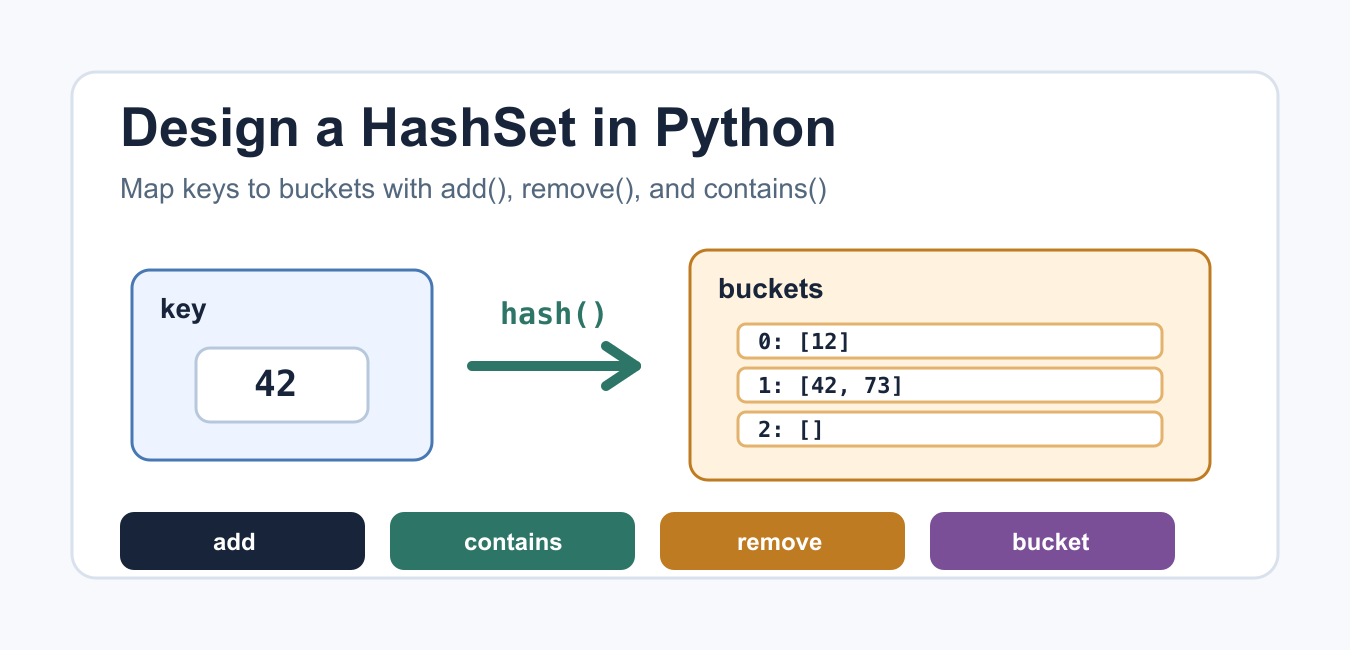
Design a Python HashSet with add, remove, contains, buckets, collisions, hashable keys, and a comparison with the built-in set type.
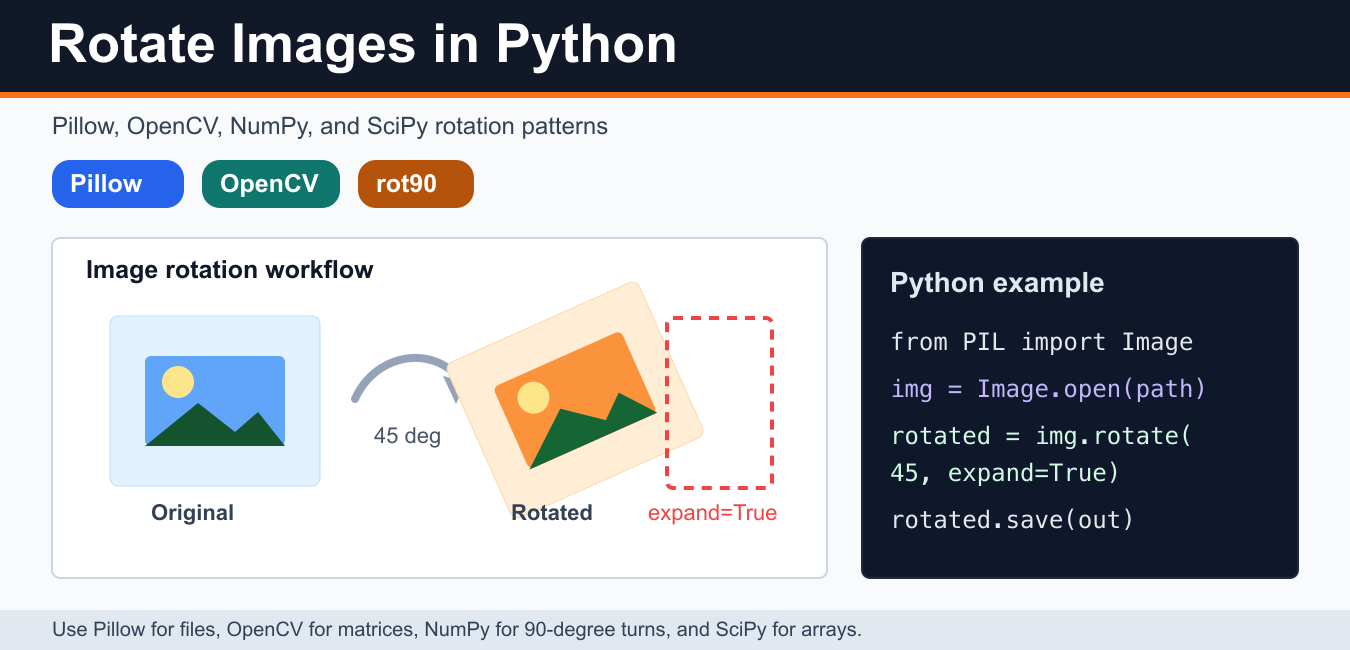
Rotate images in Python with Pillow or OpenCV, choose expand and interpolation settings, prevent clipping, and preserve array shape when using NumPy.
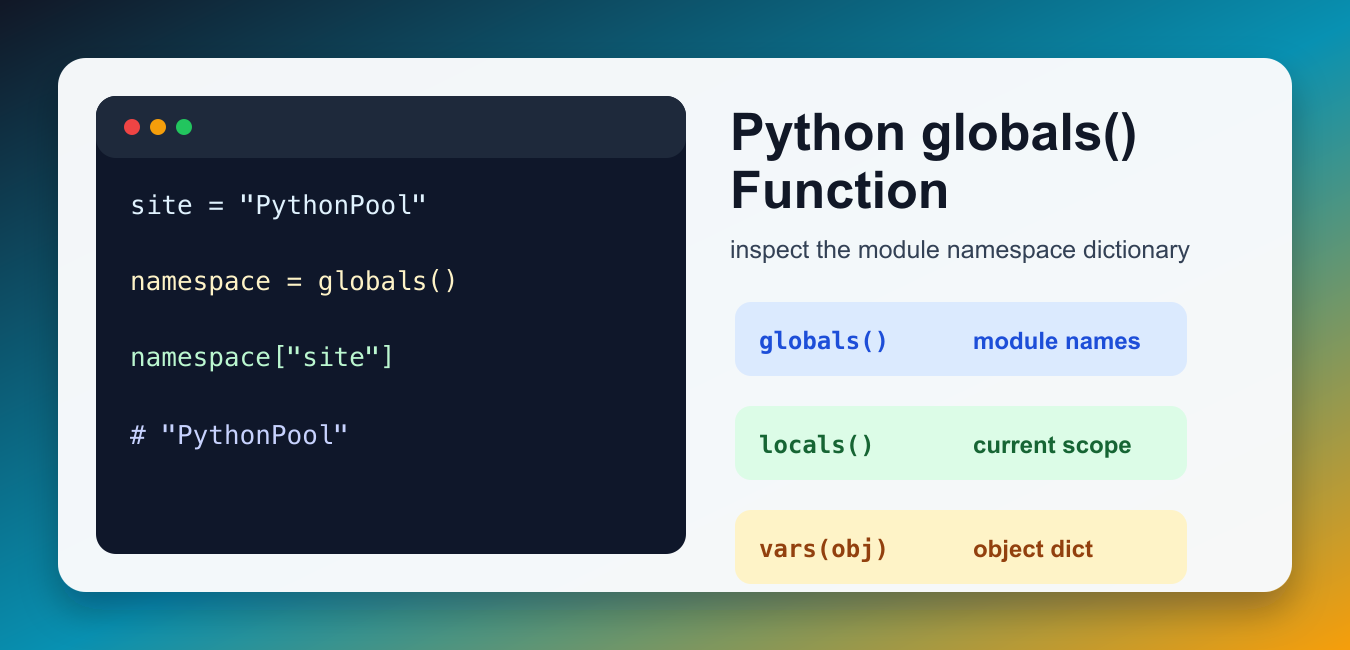
Use Python globals() to inspect the module namespace, understand mutation and scope, avoid hidden dependencies, and choose safer configuration patterns.
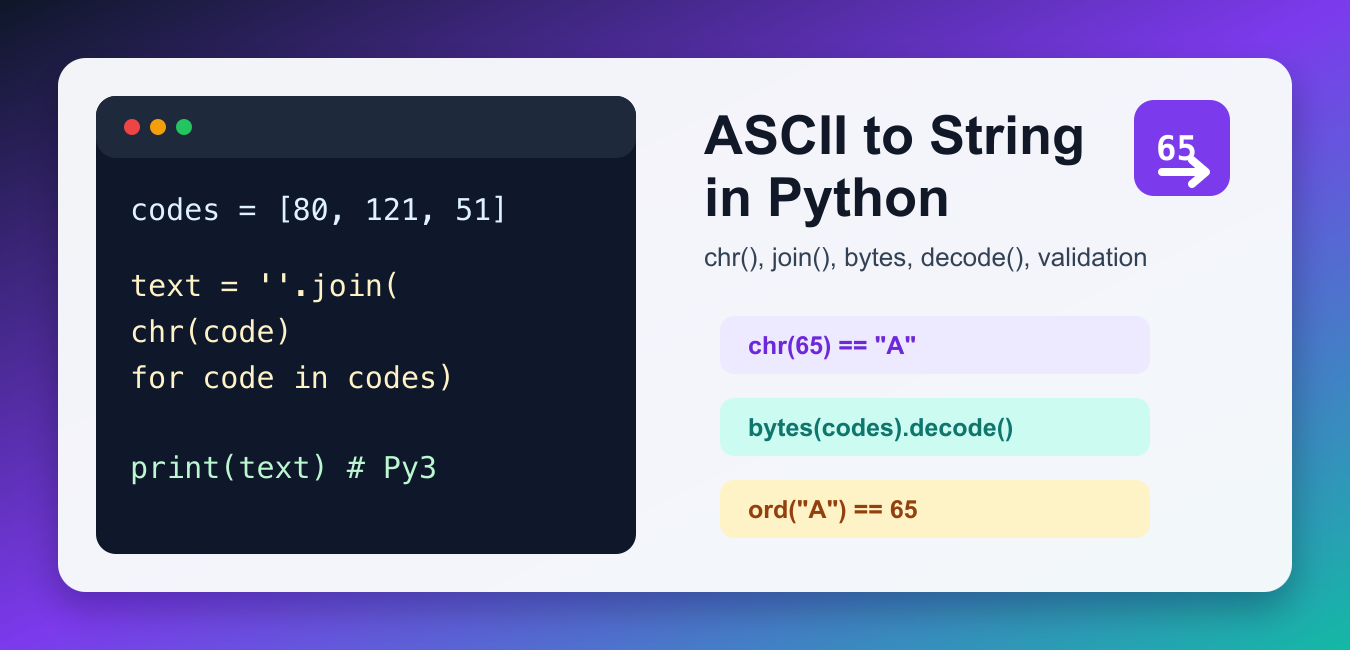
Convert ASCII codes to Python strings with chr, convert characters back with ord, validate the 0-127 range, and distinguish bytes from text.
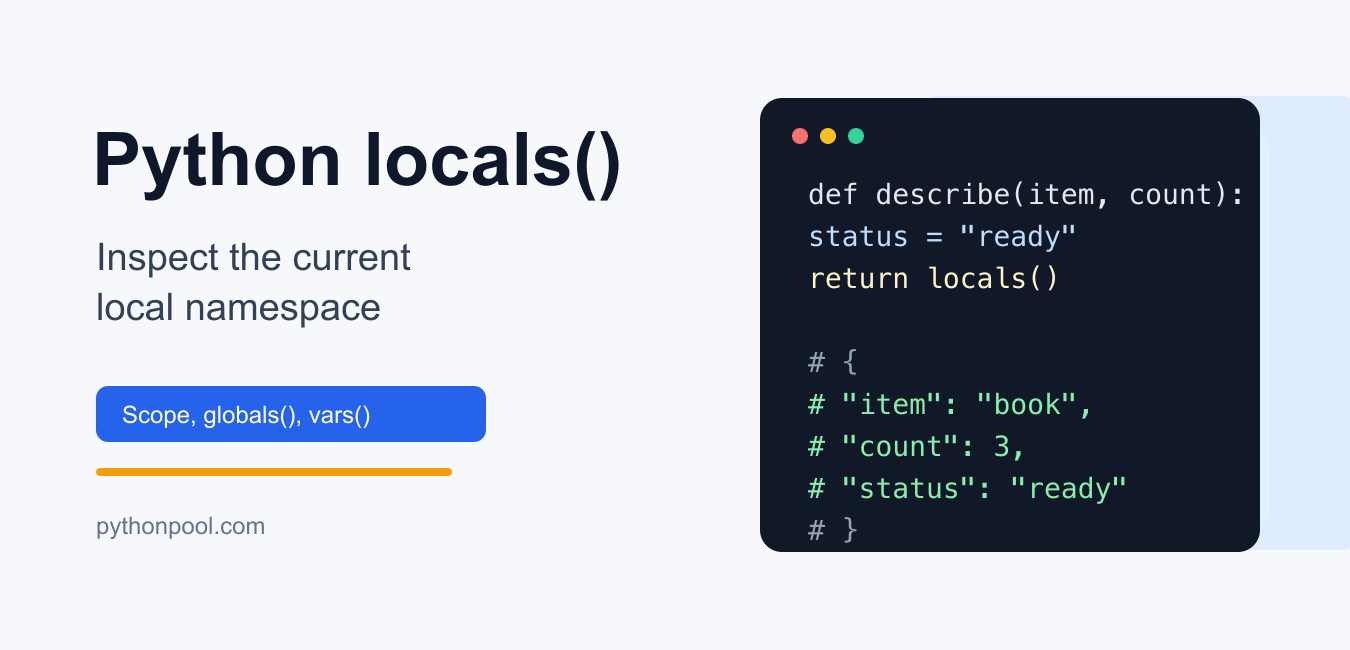
Learn what Python locals() returns, how local scope works, why modifying the returned mapping is unreliable, and safer alternatives.
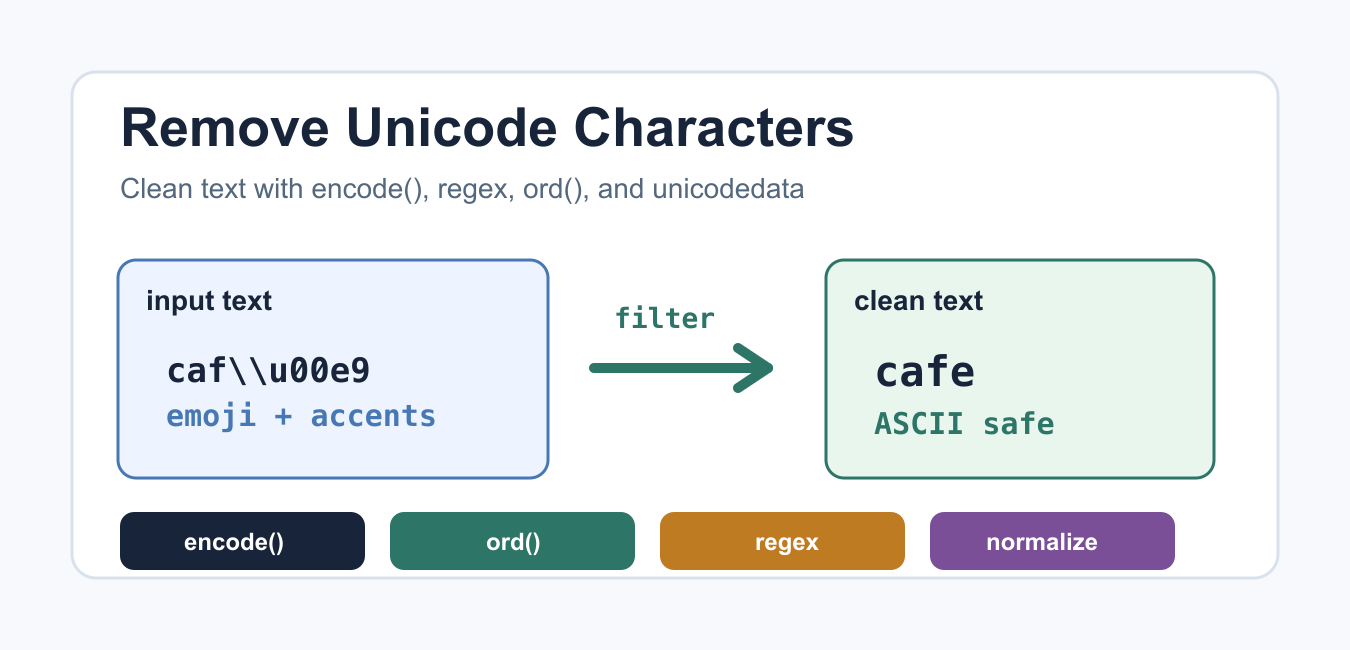
Remove or replace selected Unicode characters in Python with encode/decode, regex, translate, and normalization while preserving the text you actually need.