Print a Blank Line in Python: Newlines and Output Formatting
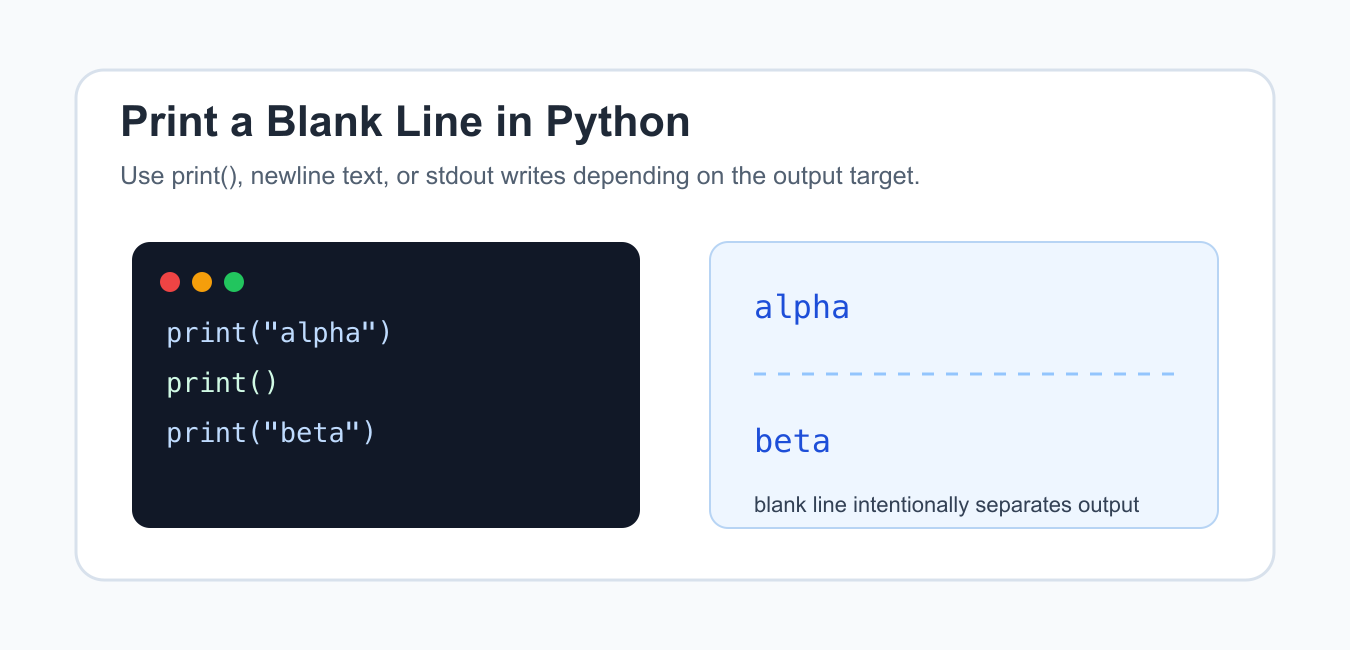
Print blank lines in Python with print, newline characters, separators, and logging while keeping terminal output readable and predictable.
Browse Python tutorials for beginners and working developers, including syntax, libraries, examples, projects, and real problem-solving guides.
Print blank lines in Python with print, newline characters, separators, and logging while keeping terminal output readable and predictable.
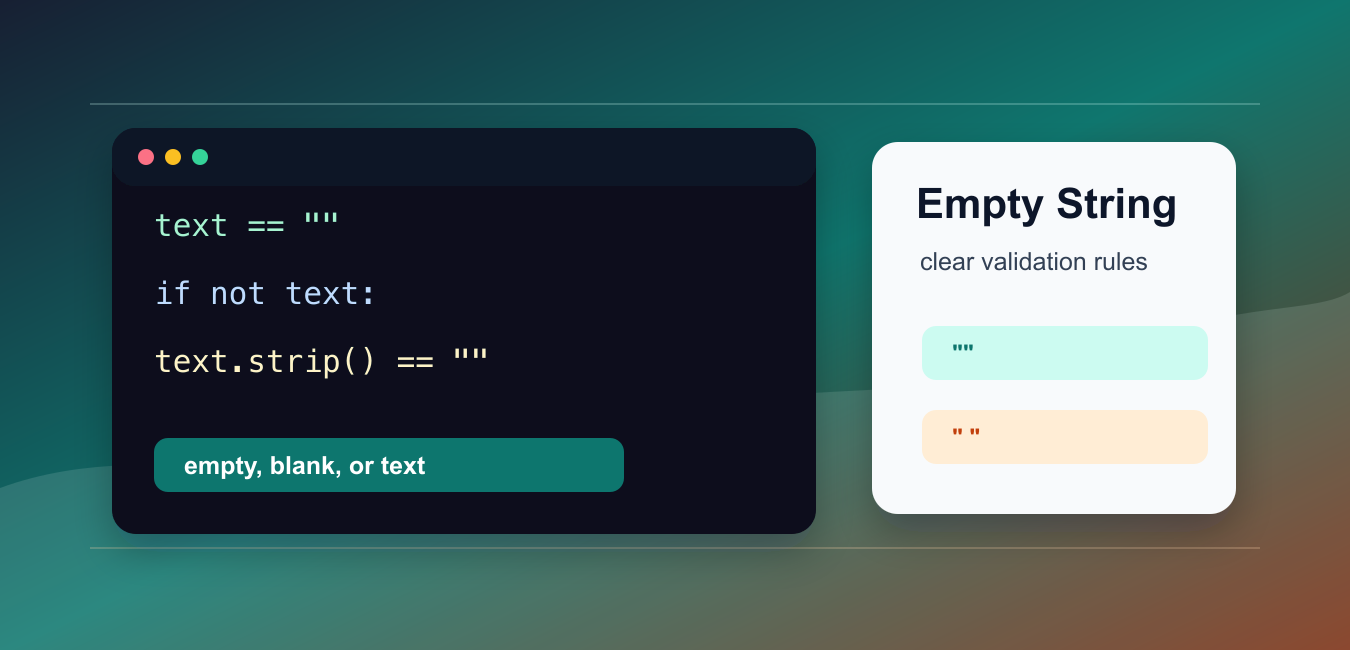
Detect empty Python strings while keeping empty text, whitespace-only input, missing None, and meaningful content separate.

Use Python list.pop() with indexes, stacks, queues, empty-list checks, negative indexes, and alternatives that match the workload.
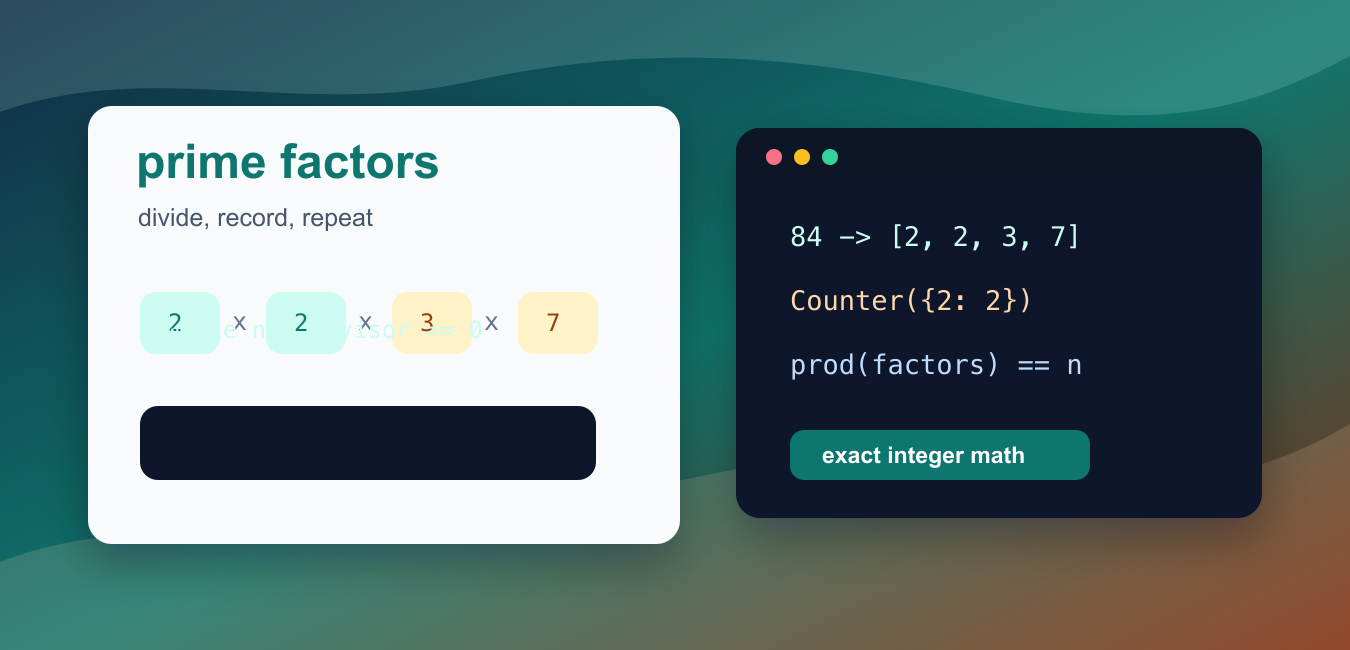
Find prime factors in Python with trial division, handle repeated factors, stop at the square root, and validate edge cases such as 1 and negative inputs.
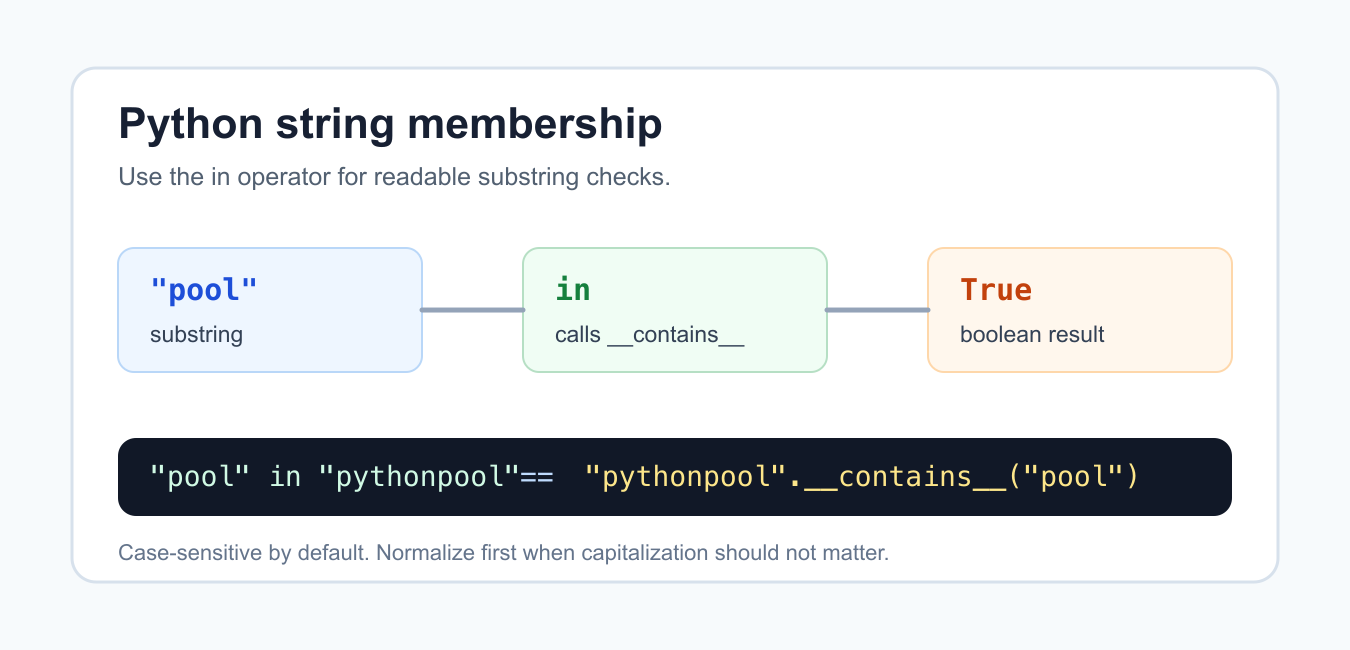
Understand Python string __contains__(), use the clearer in operator for substrings, handle case sensitivity, and avoid incorrect membership assumptions.
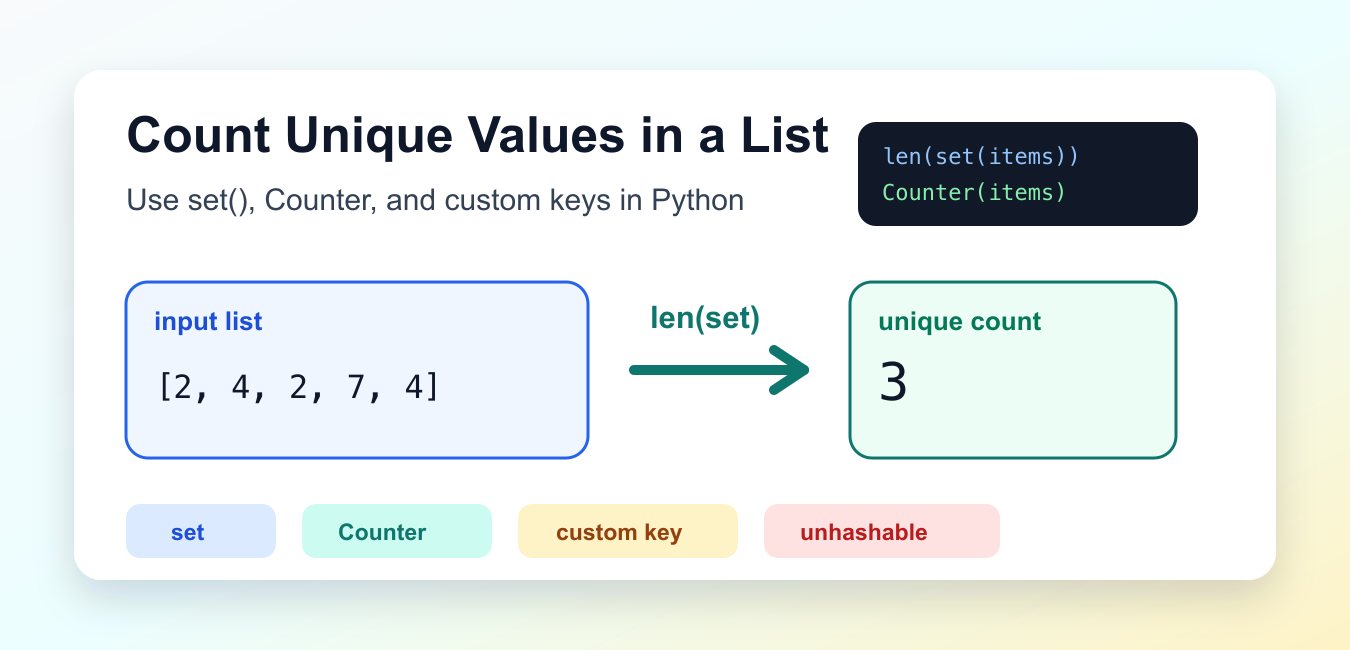
Count unique Python list values with set() or Counter, normalize strings, preserve order, and handle lists or dictionaries that are unhashable.

Use Python min() with iterables, multiple arguments, key functions, default values, and empty-input handling.
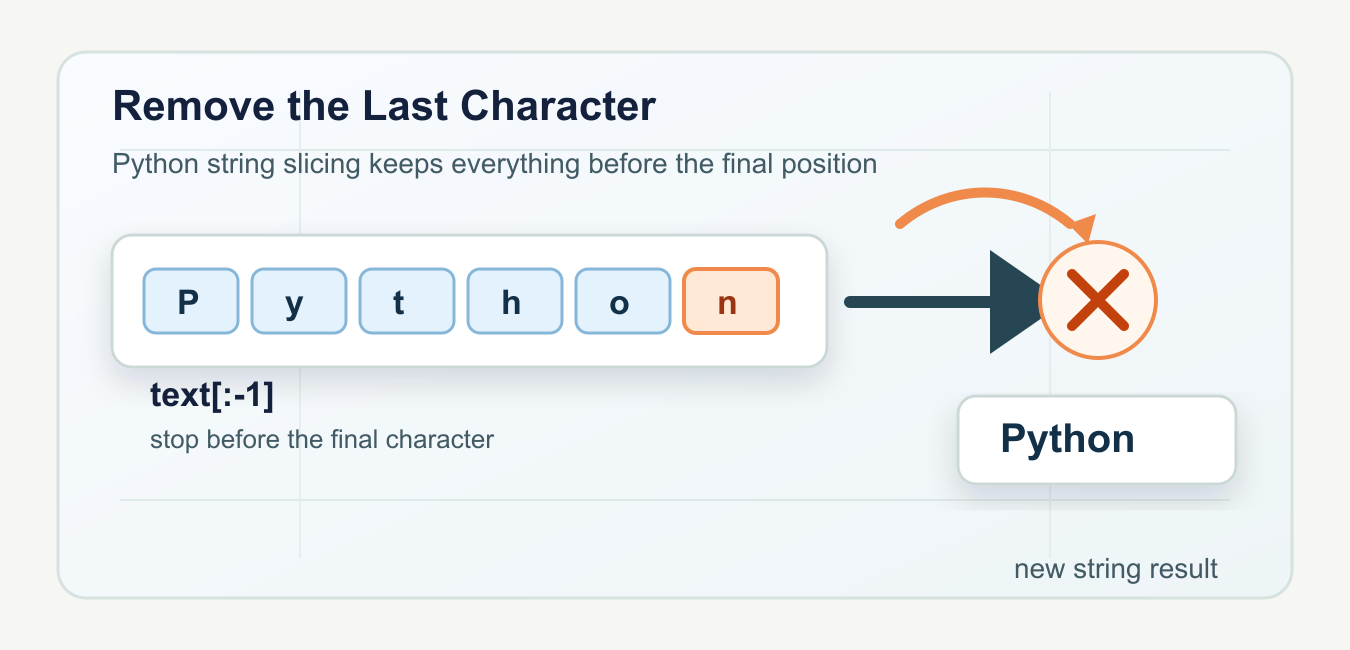
Remove the last Python string character with slicing, removesuffix(), newline cleanup, list processing, and safe handling of empty text.
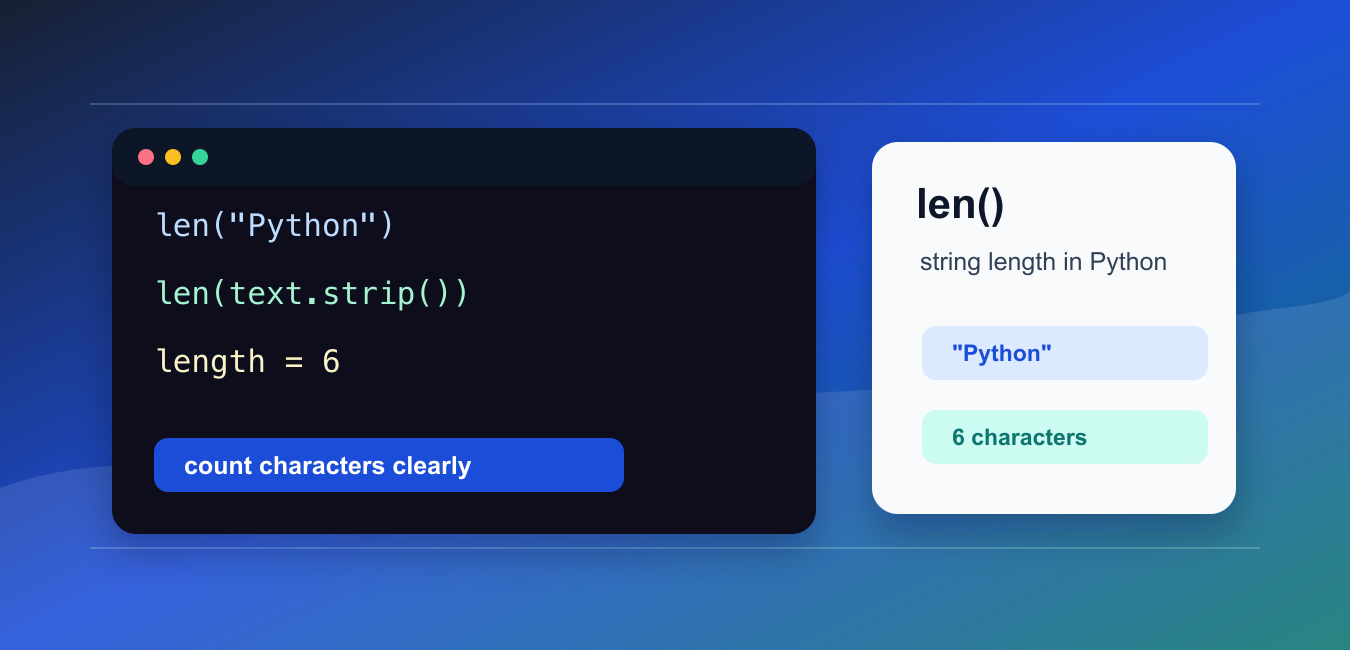
Use len() correctly for Python strings, bytes, lists, Unicode code points, encoded data, and user-facing text limits.
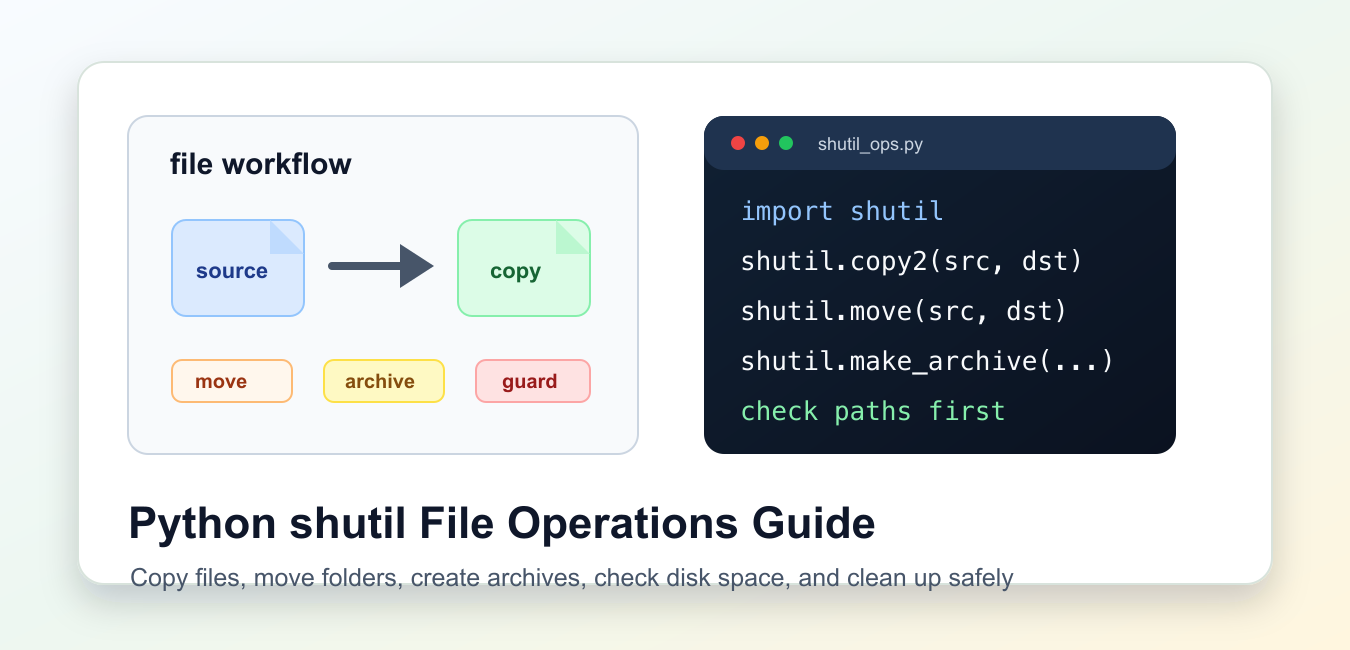
Use Python shutil for high-level file operations including copy, copytree, move, rmtree, and archives with explicit overwrite and cleanup decisions.