A* Algorithm in Python: Heuristics and Shortest Paths

Implement A* pathfinding in Python with a priority queue, g and f scores, admissible heuristics, obstacles, and path reconstruction.
Browse Python tutorials for beginners and working developers, including syntax, libraries, examples, projects, and real problem-solving guides.
Implement A* pathfinding in Python with a priority queue, g and f scores, admissible heuristics, obstacles, and path reconstruction.
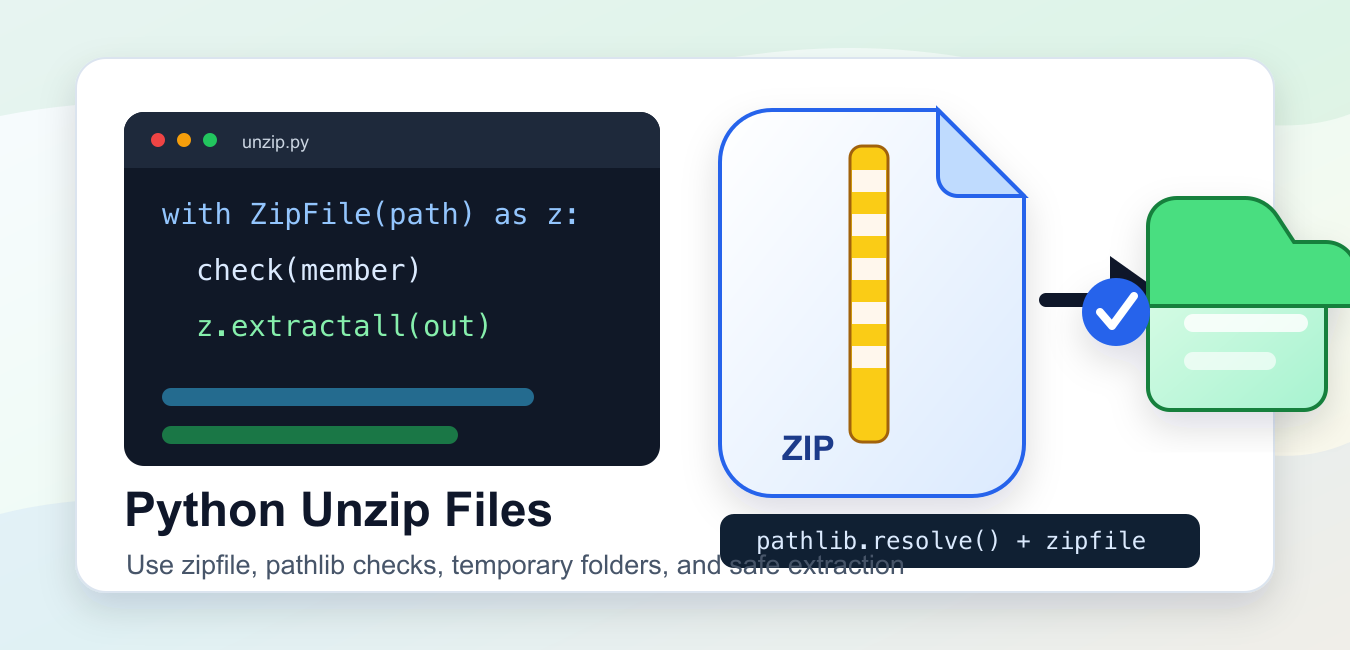
Unzip Python archives with zipfile, list members, extract selected files, prevent path traversal, and handle passwords and errors safely.
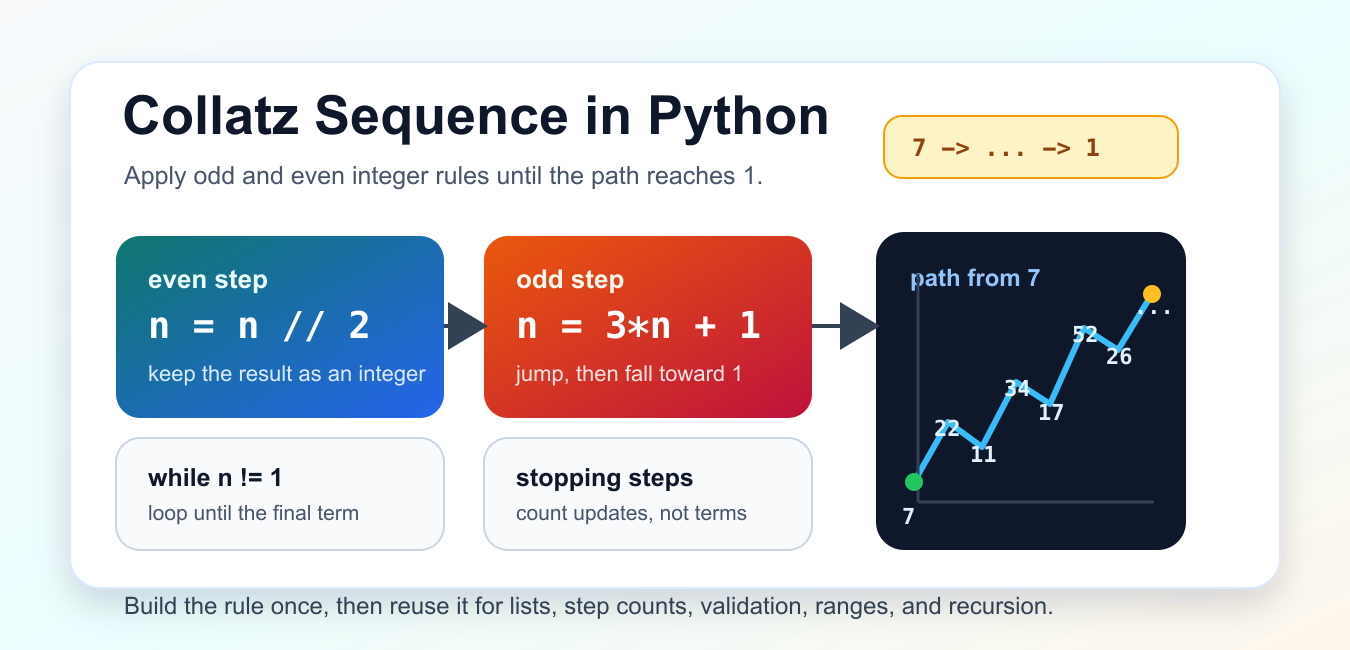
Generate the Collatz sequence in Python with clear stopping rules, cycle detection, input validation, step limits, and safe integer handling.
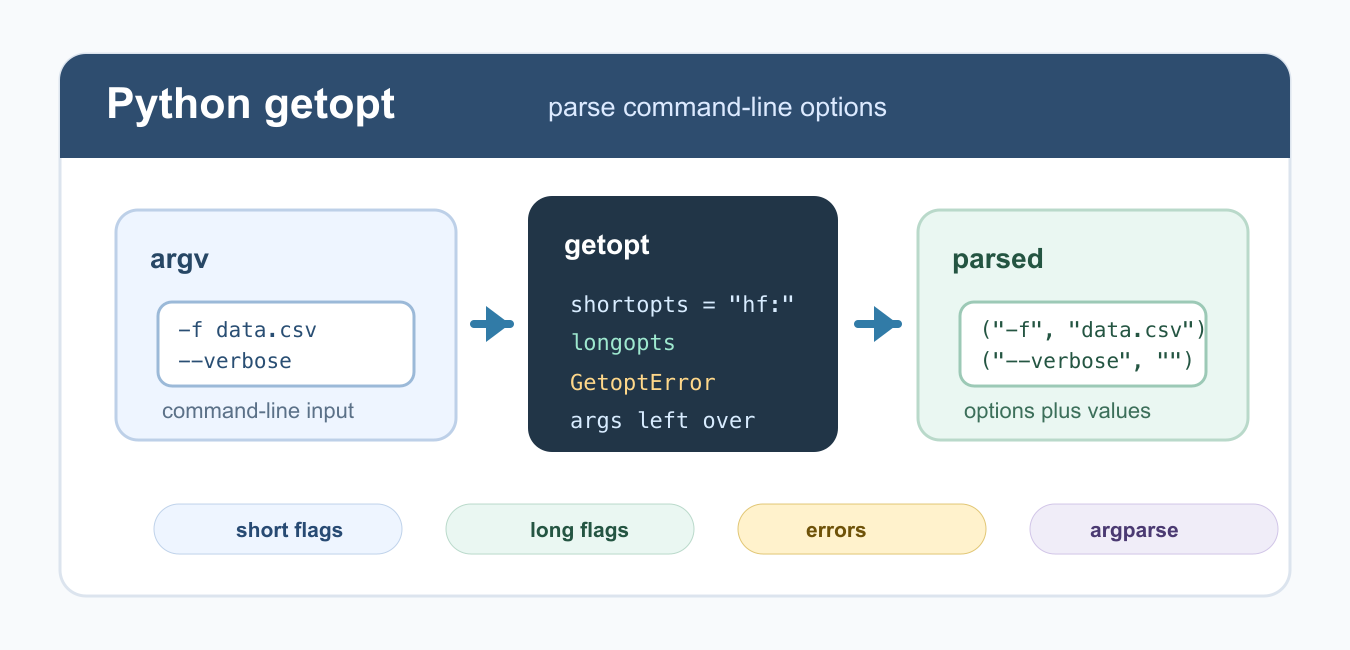
Use Python getopt to parse short and long command-line options, validate required arguments, handle errors, and know when argparse is the better choice.
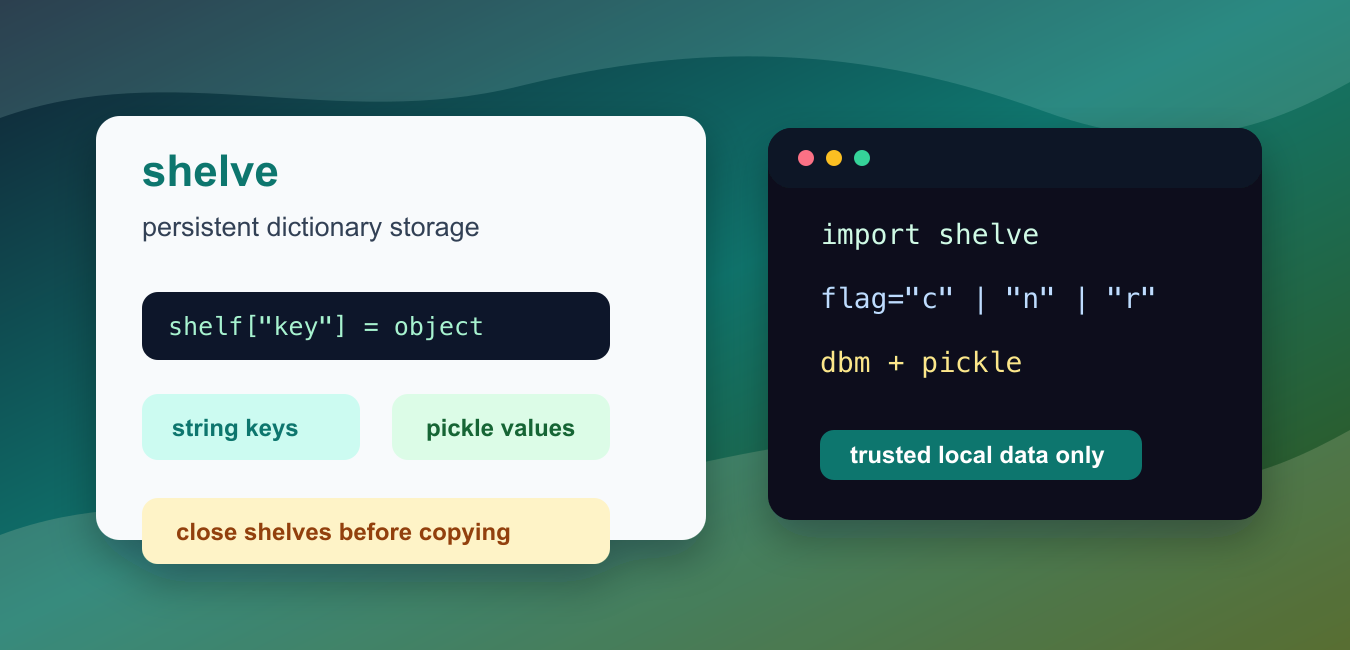
Use Python shelve for small persistent mappings, choose modes, manage sync and keys, and understand dbm, pickle, concurrency, and trust limits.
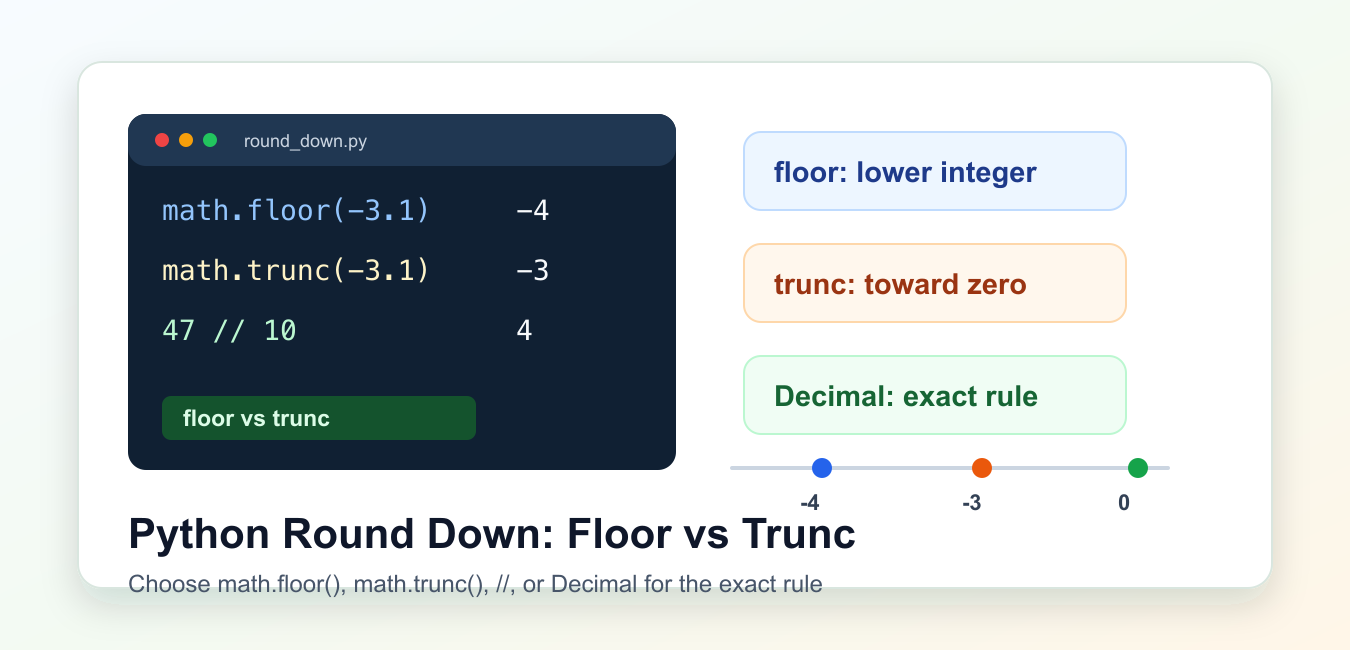
Round numbers down in Python with math.floor and floor division, understand negative values, and choose Decimal when exact decimal rules matter.
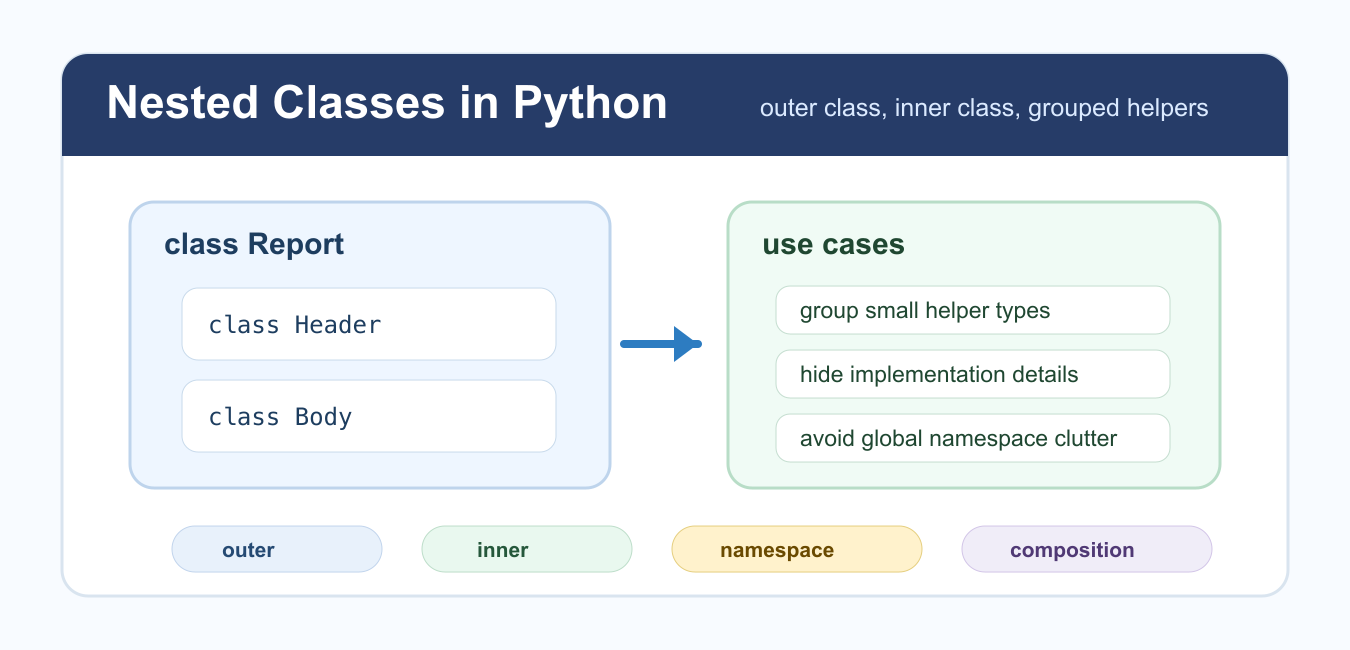
Use nested classes in Python when a helper type belongs to one outer class, while understanding scope, instances, inheritance, and alternatives.
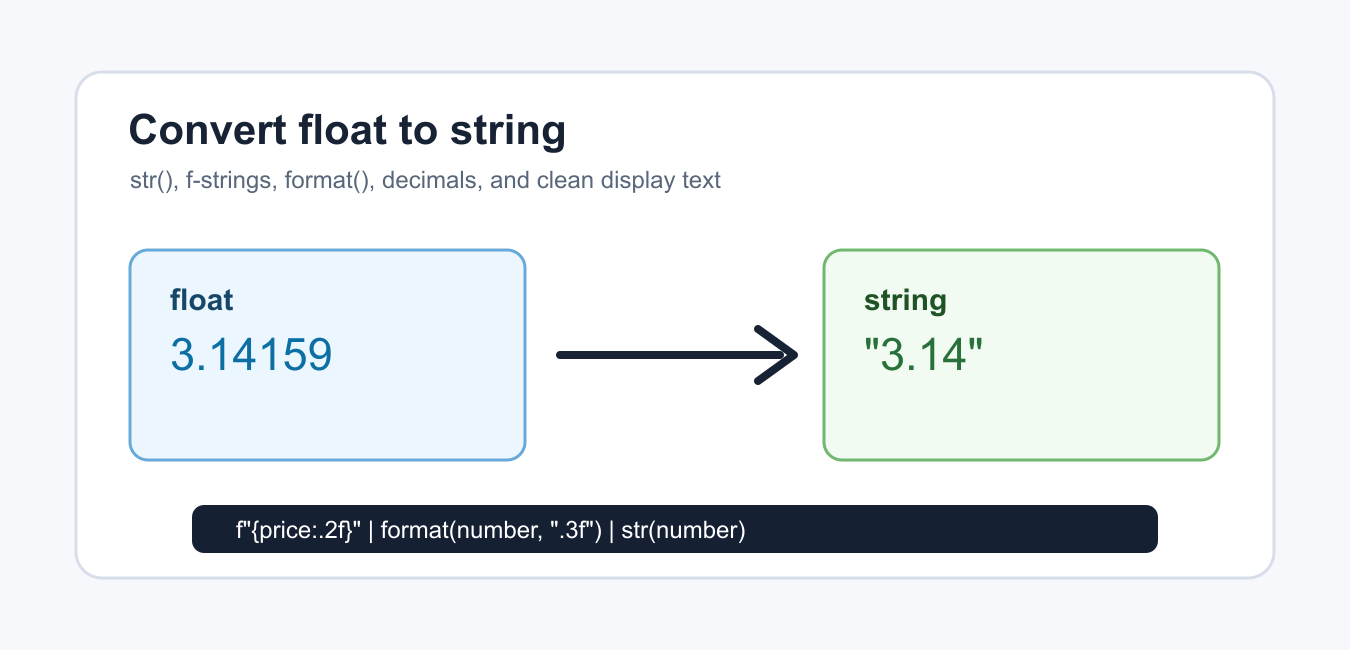
Convert Python floats to strings with str(), f-strings, format(), fixed decimals, scientific notation, and predictable machine-readable output.
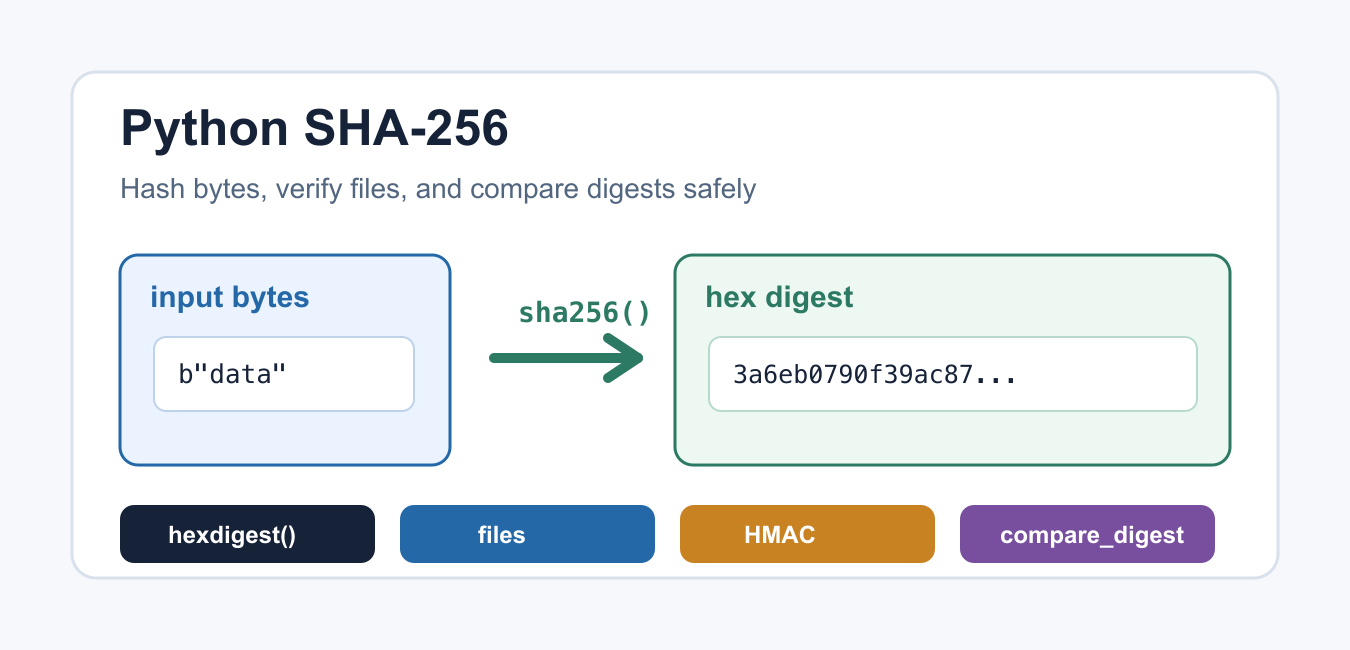
Calculate SHA-256 in Python with hashlib, hash files in chunks, compare digests safely, and distinguish integrity checks from password storage or encryption.
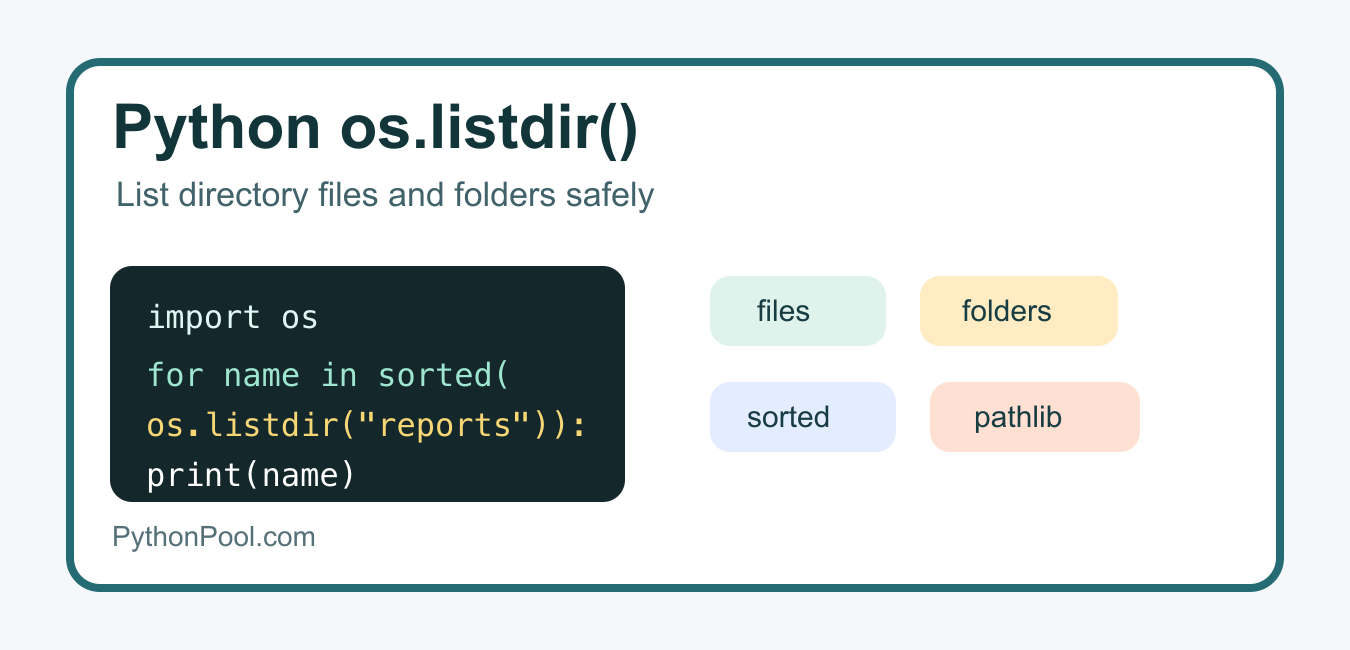
Choose names, Path objects, or directory entries based on whether you need metadata, and make ordering and error handling explicit.