Python getpass: Read Passwords Without Echoing Input
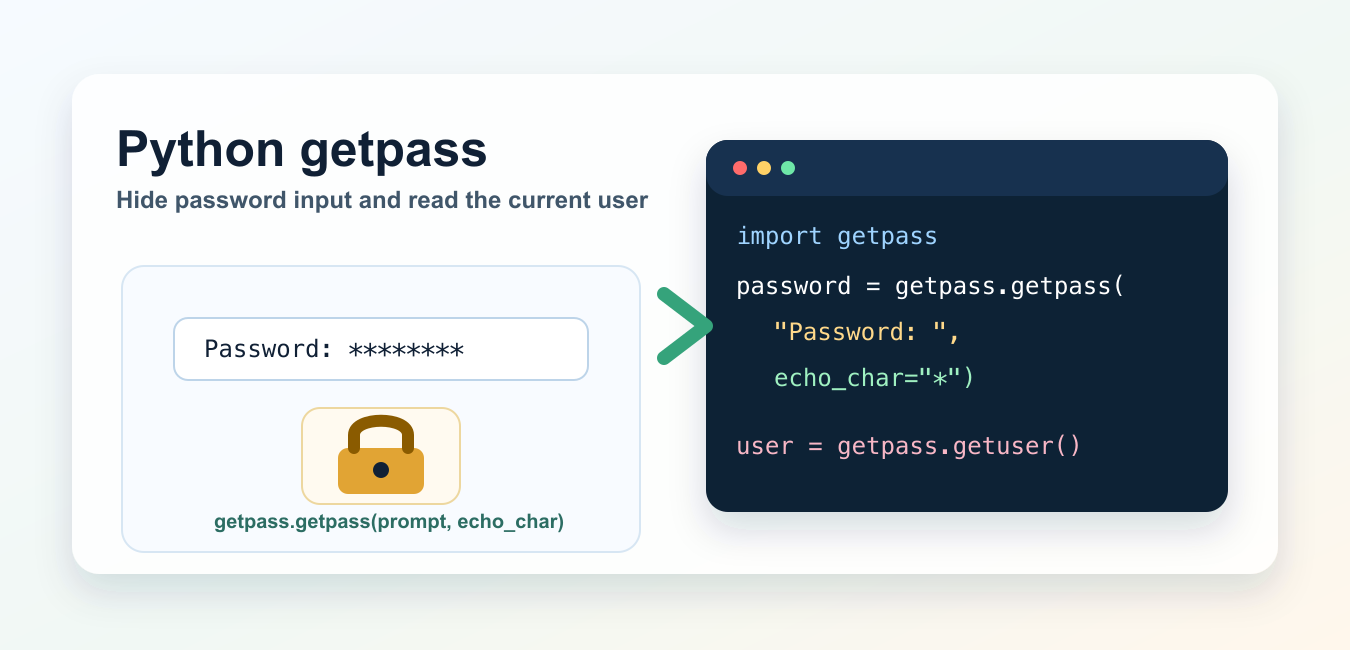
Use Python getpass to read secrets without terminal echo, handle non-interactive environments, and keep credentials out of source code and logs.
Browse Python tutorials for beginners and working developers, including syntax, libraries, examples, projects, and real problem-solving guides.
Use Python getpass to read secrets without terminal echo, handle non-interactive environments, and keep credentials out of source code and logs.
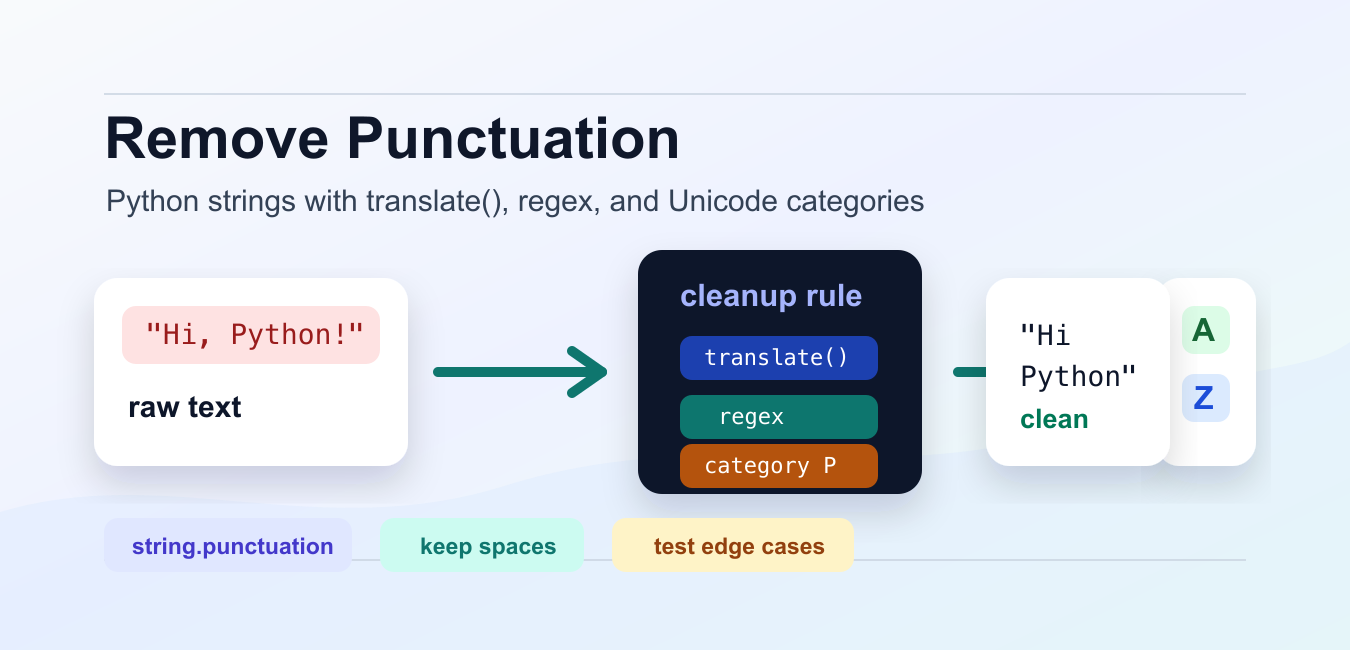
Clean punctuation in Python by choosing an ASCII translation, targeted regex, or Unicode-aware policy that matches the text and meaning.
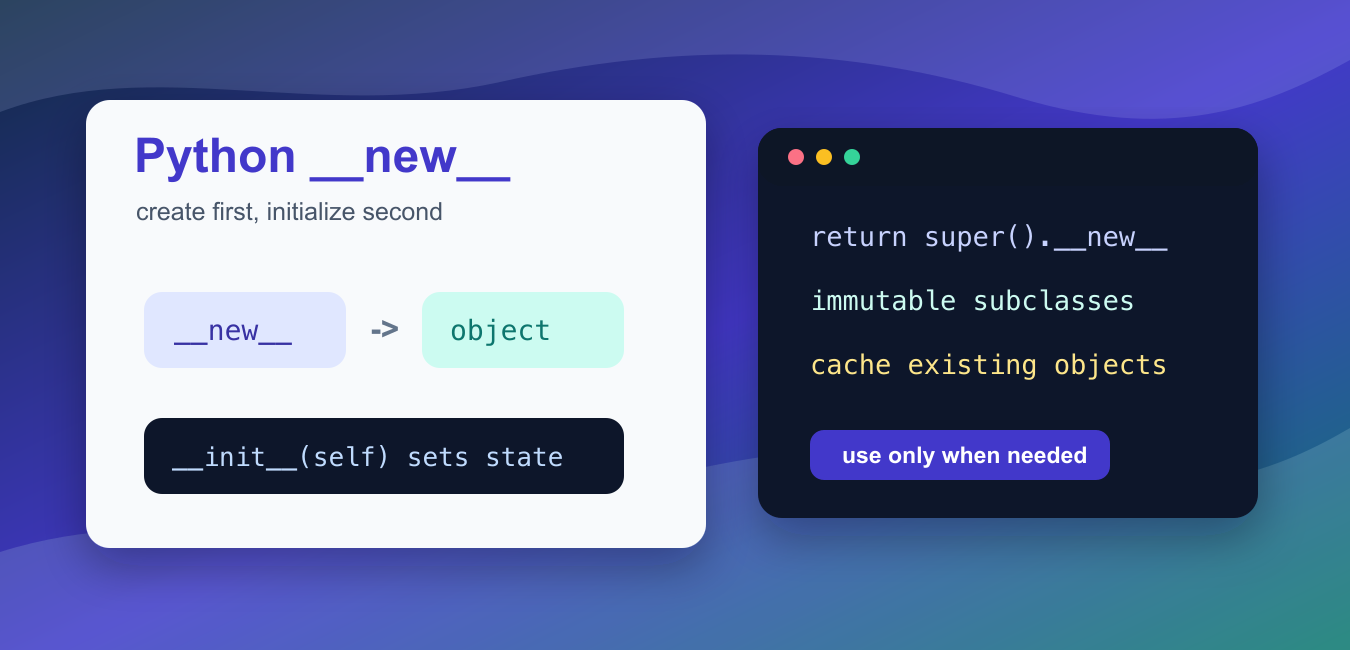
Understand Python __new__ versus __init__, immutable types, custom allocation, singleton patterns, cooperative inheritance, and safe object construction.
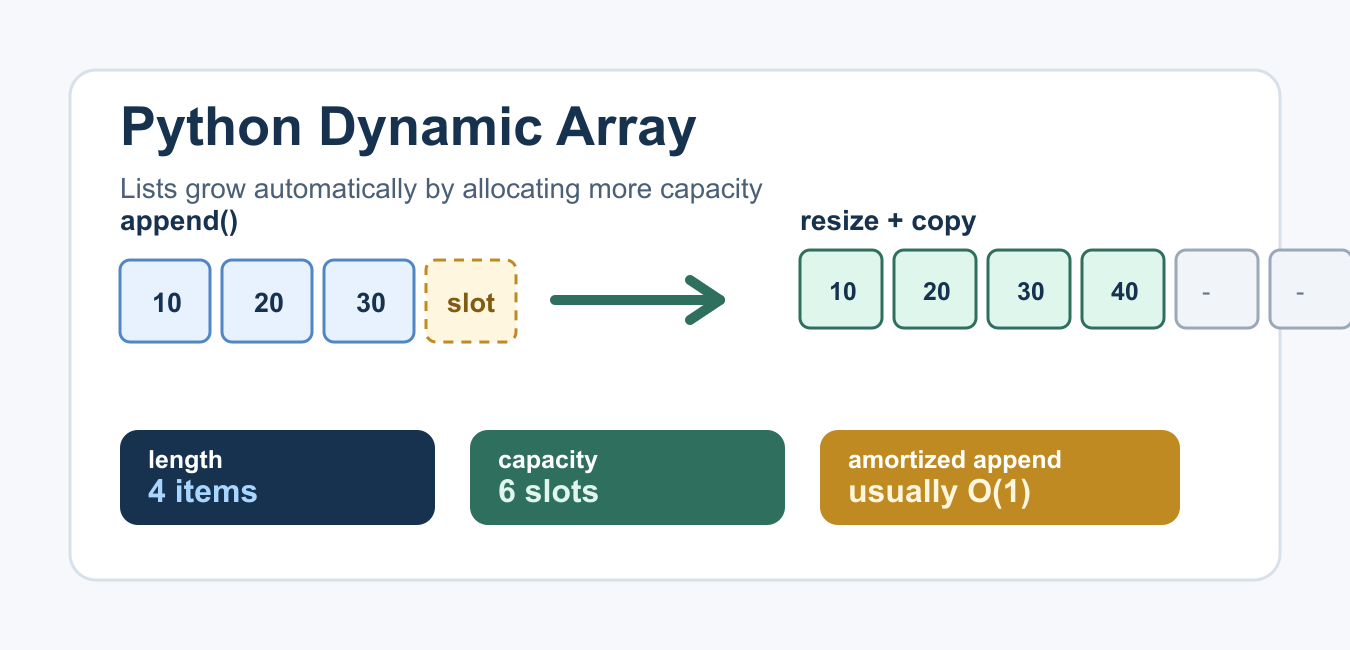
Build dynamic arrays in Python with lists, append and extend, capacity tradeoffs, NumPy arrays, resizing costs, and clear type choices.

Use Python threading.Lock with context managers, timeouts, and small critical sections to protect shared mutable state without deadlocks.
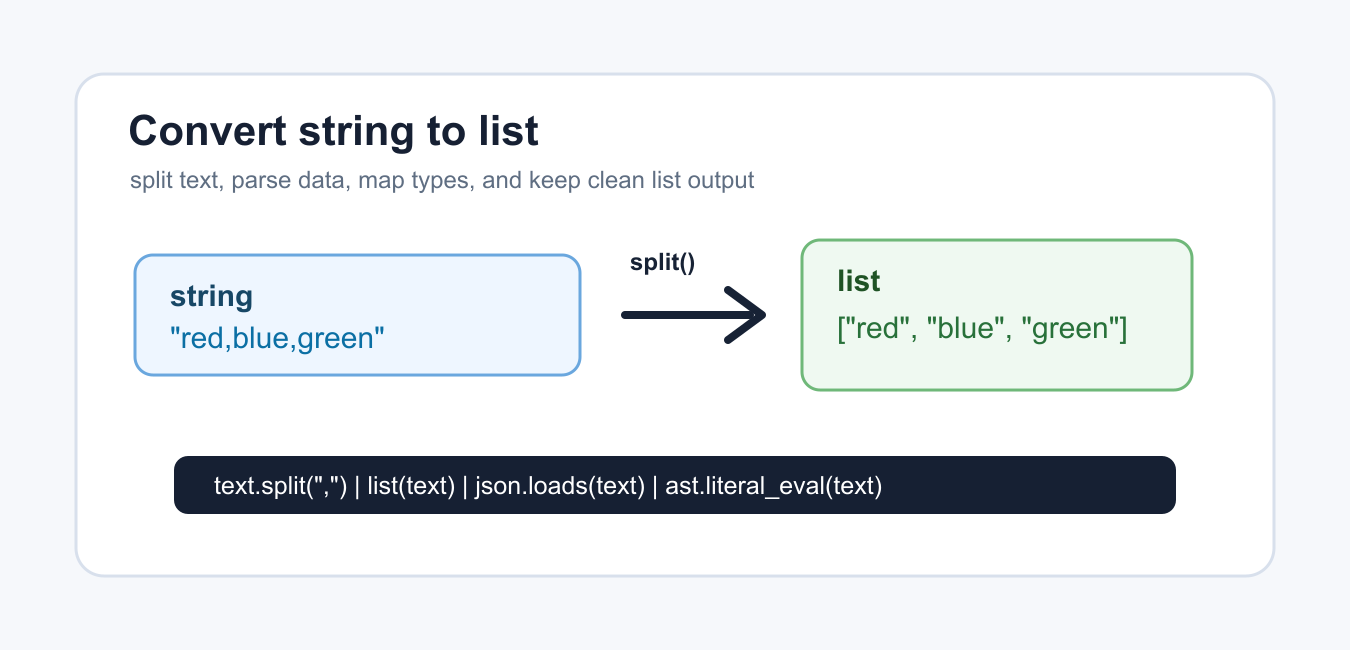
Convert strings to lists in Python with list characters, split words, delimiter-aware parsing, JSON, and literal_eval without unsafe eval calls.
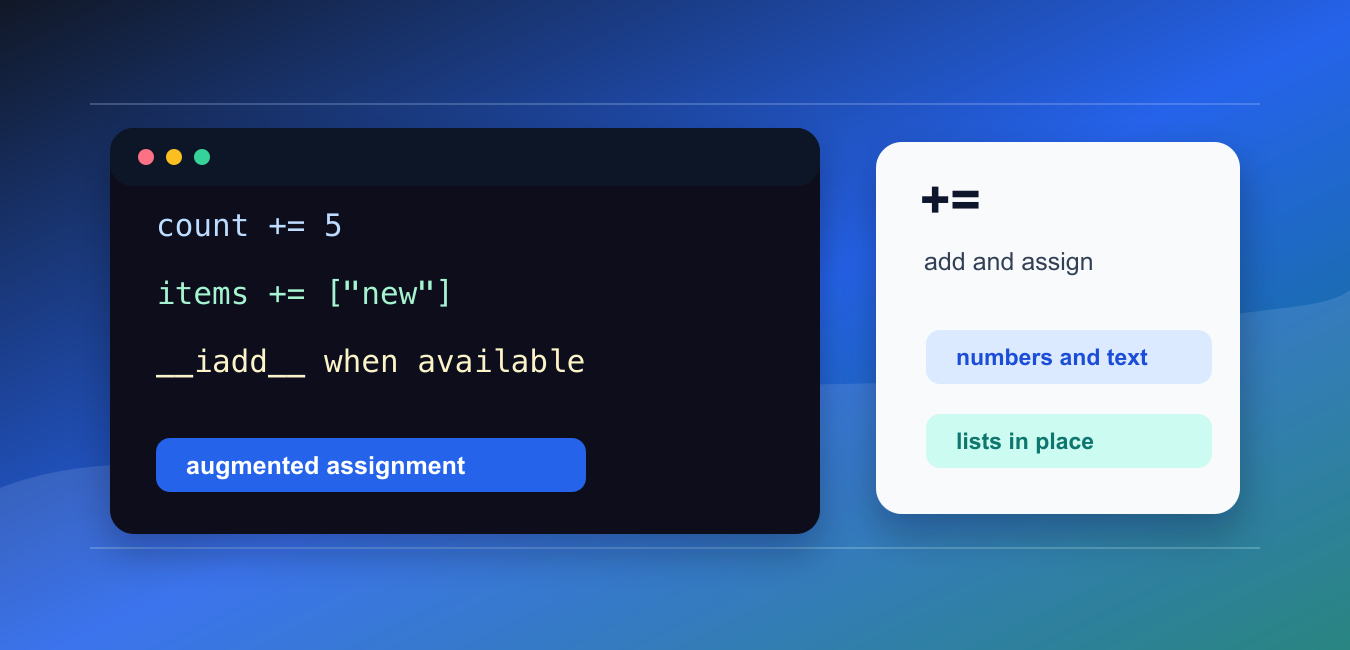
Learn how Python’s += operator updates numbers, strings, lists, and custom objects, including mutation, type behavior, and common mistakes.

Use Python’s syslog module carefully with priorities, facilities, formatting, secure data handling, platform differences, and testing guidance.
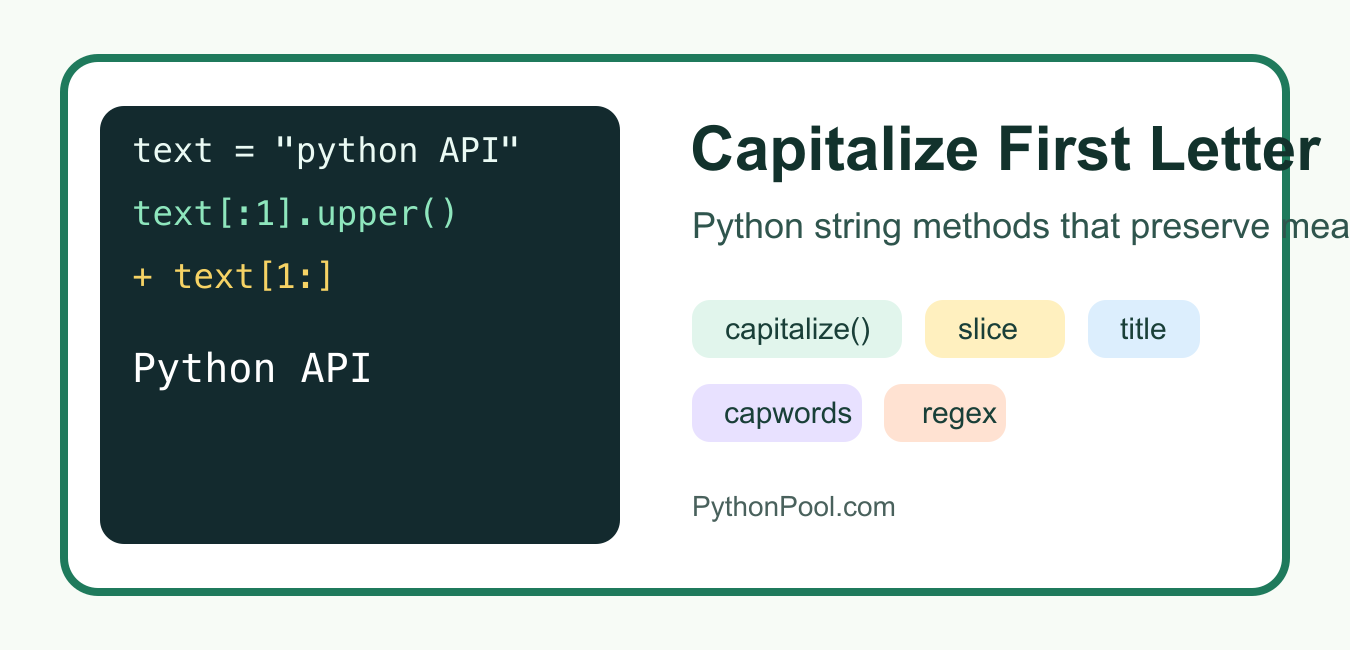
Capitalize the first letter in Python with capitalize(), slicing, title(), and Unicode-aware rules for strings and words.
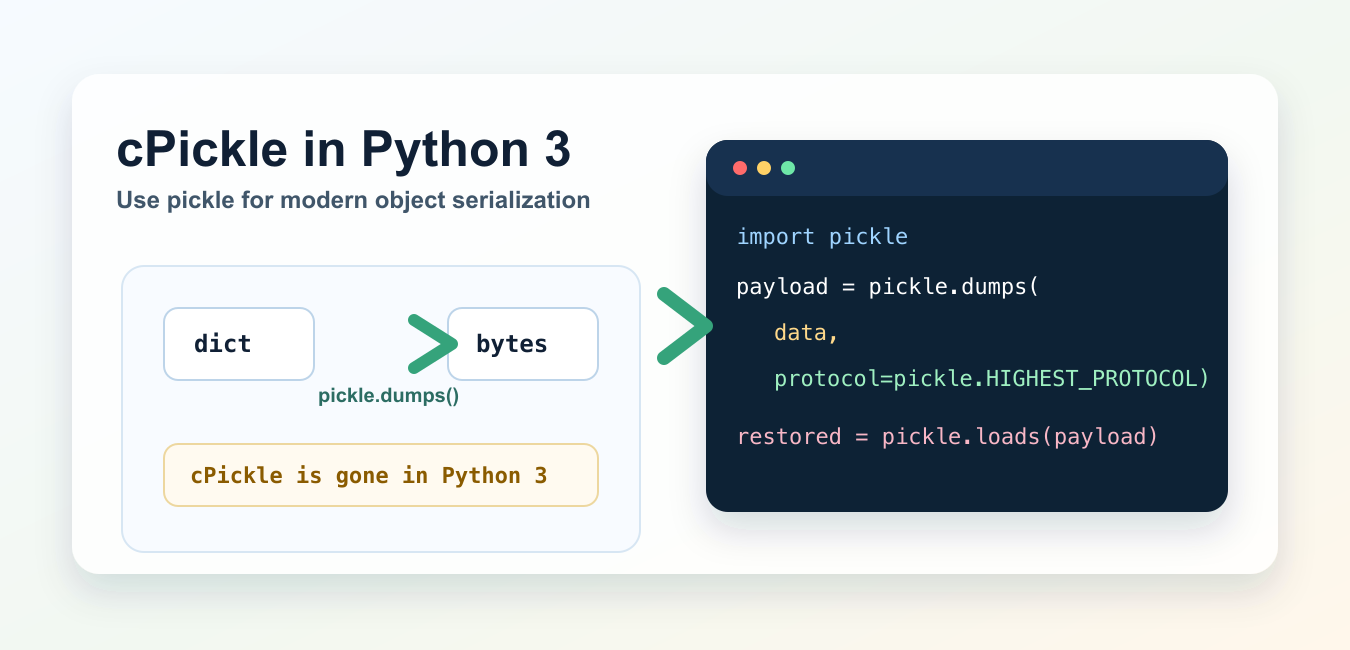
Replace cPickle in Python 3 with pickle, migrate dumps and loads code, and avoid unsafe unpickling when handling serialized data.