Convert int to float in Python: float(), Division, and Precision
Convert integers to floats in Python with float(), mixed arithmetic, division, precision notes, and safe handling of strings and user input.
Browse Python tutorials for beginners and working developers, including syntax, libraries, examples, projects, and real problem-solving guides.
Convert integers to floats in Python with float(), mixed arithmetic, division, precision notes, and safe handling of strings and user input.
Fix break outside loop by moving break into a for or while loop, using return inside functions, or choosing sys.exit for program termination.
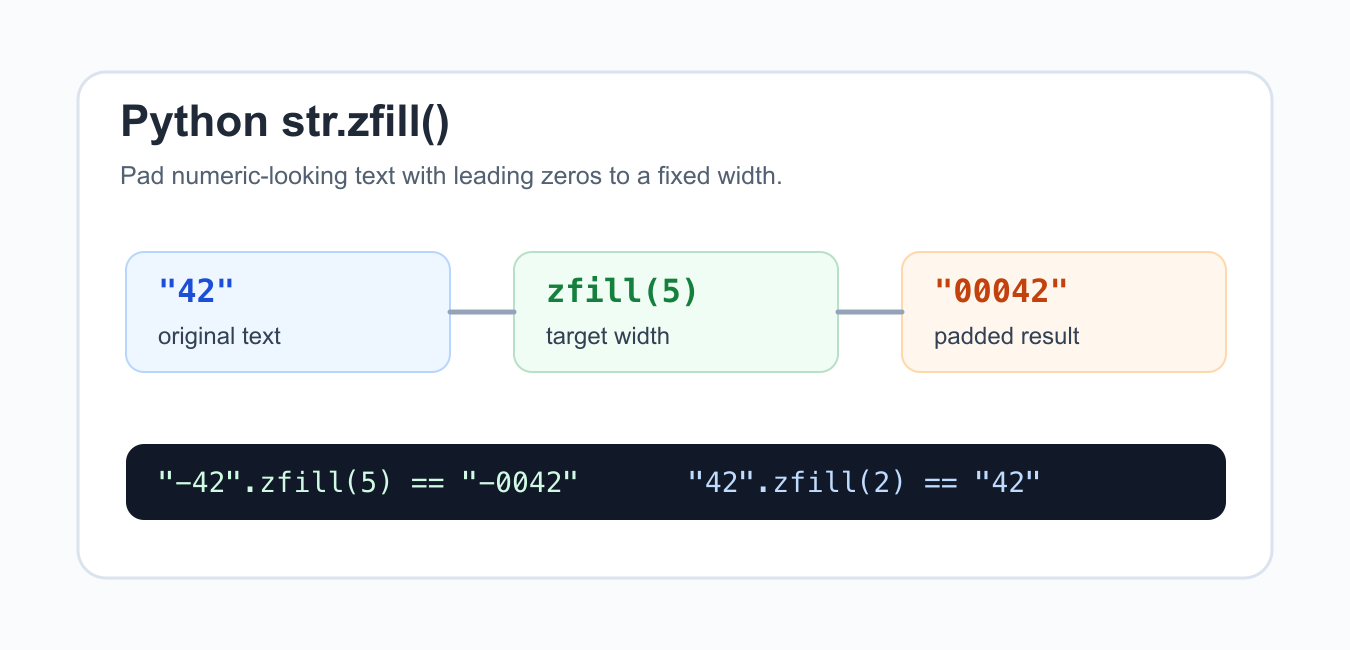
Use Python str.zfill() to add leading zeros, preserve plus and minus signs, and choose the right width for IDs and reports.
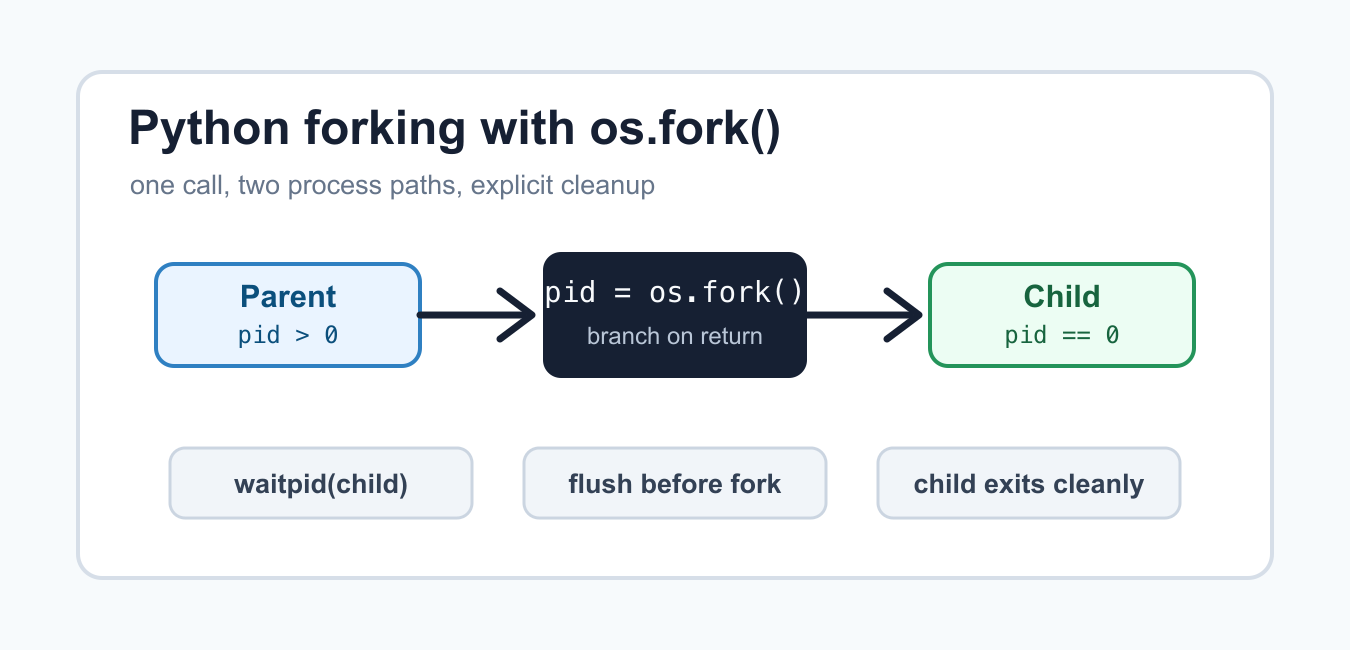
Understand process forking in Python with multiprocessing start methods, copy-on-write, threads, file descriptors, Windows differences, and safe entry points.
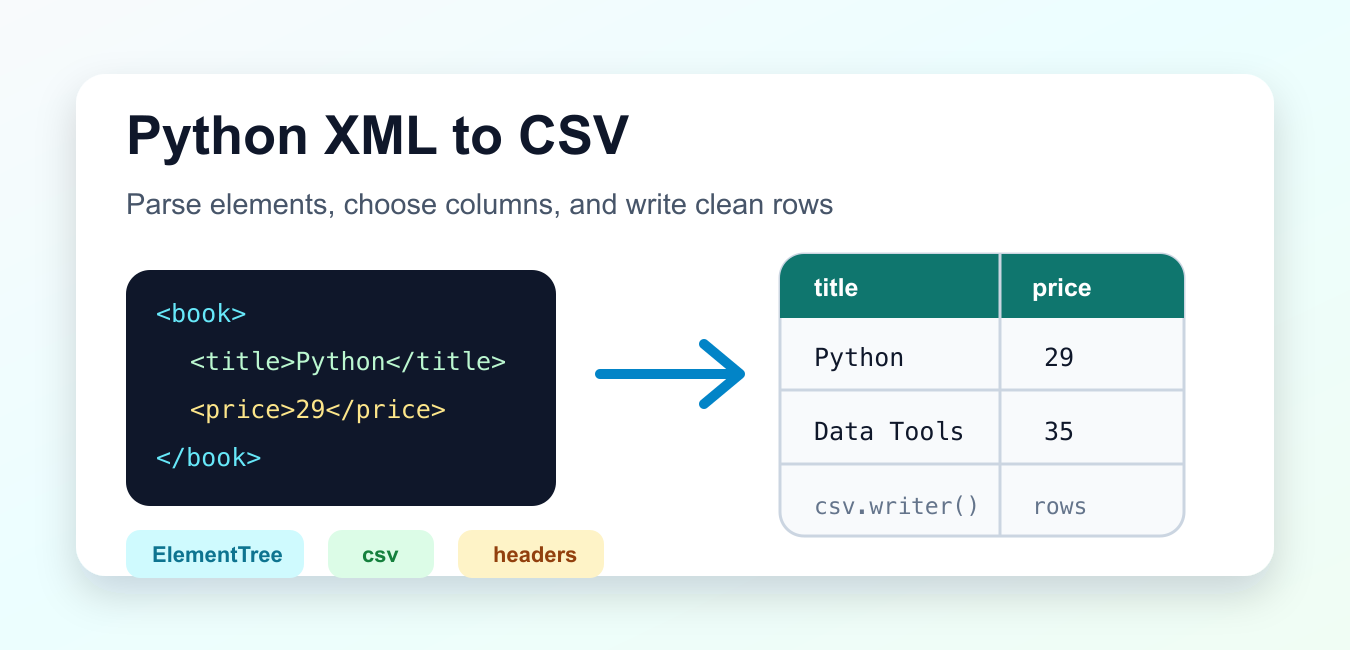
Convert XML to CSV with Python ElementTree and csv while handling nested elements, attributes, missing values, namespaces, security, and repeatable headers.

Convert tabular data to first normal form in Python by separating repeating values, defining atomic fields, preserving keys, and validating rows before storage.
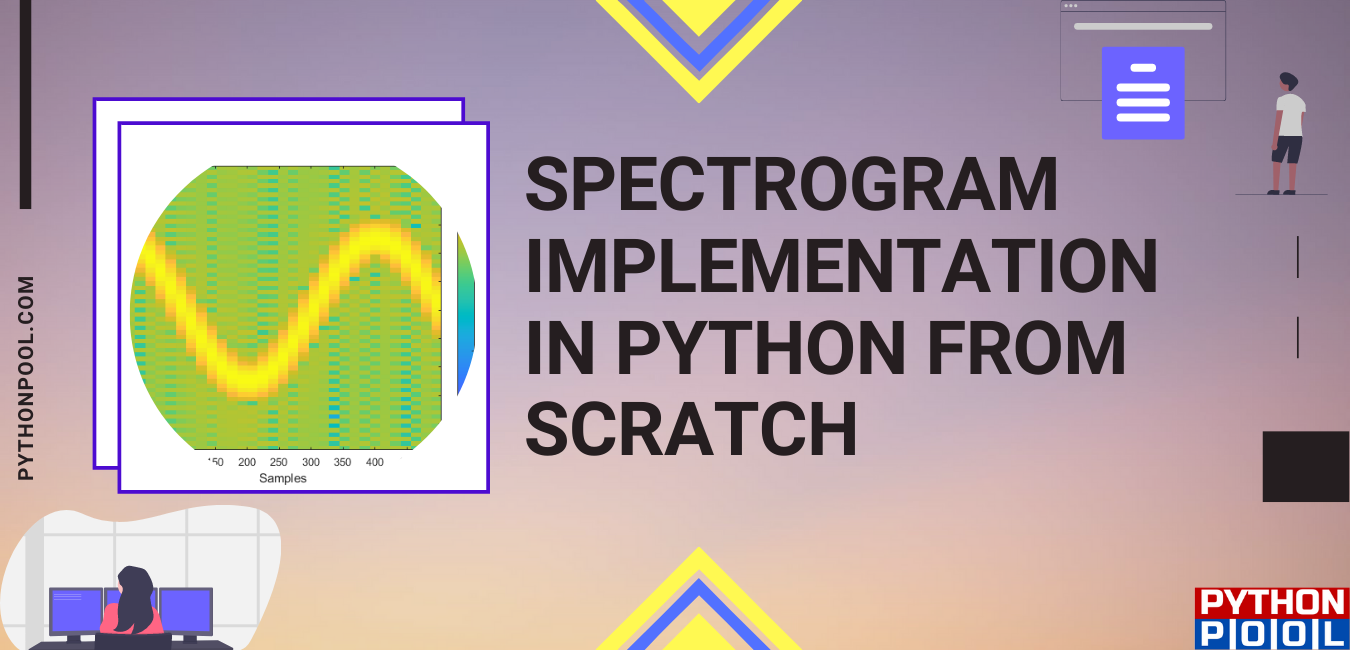
Create and interpret a Python spectrogram with SciPy, sampling rate, window size, overlap, frequency axes, and decibel scaling.
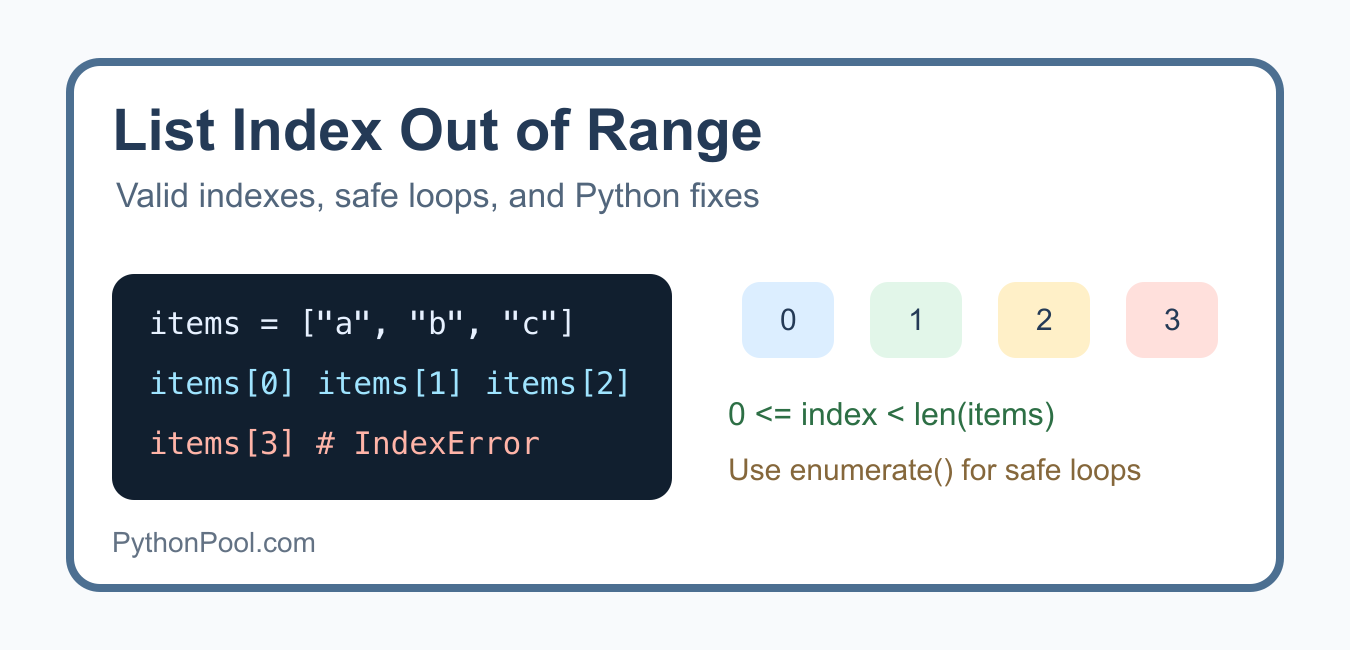
Fix Python list index errors by checking zero-based boundaries, avoiding off-by-one loops, and handling empty or nested lists safely.

Convert Python tuples to strings with str(), join(), map(), formatting, nested values, separators, and explicit handling for non-string elements.
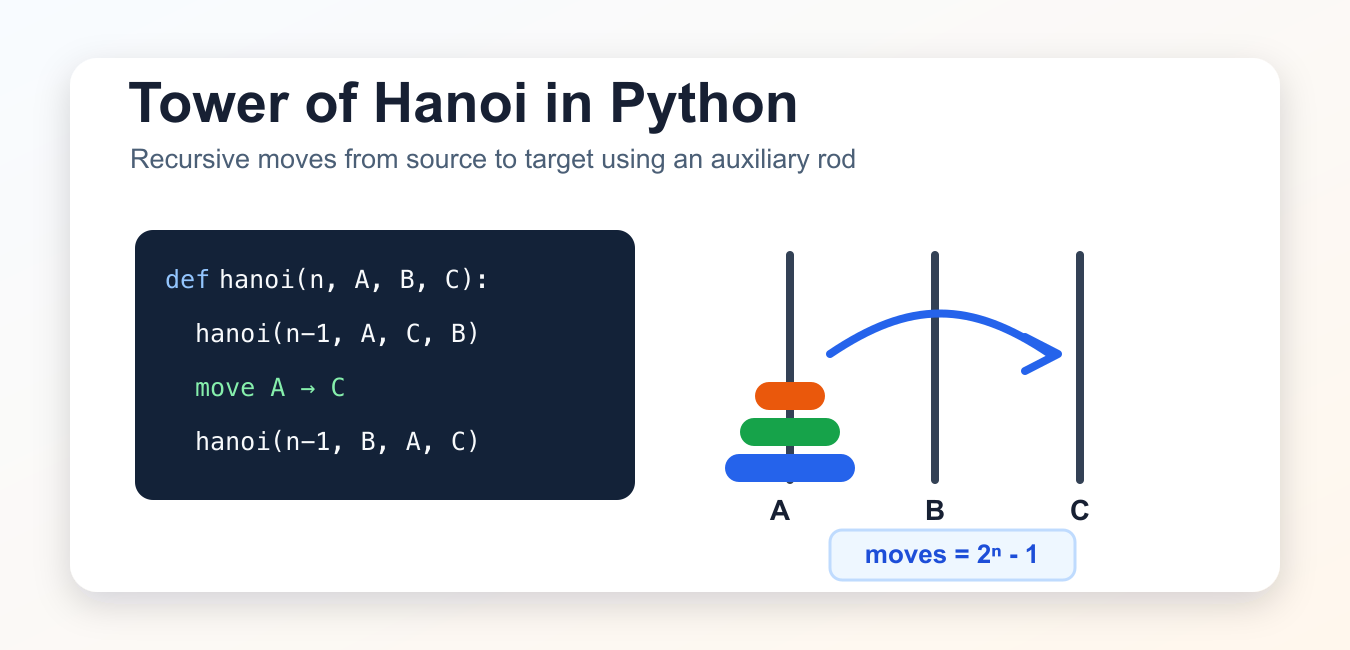
Solve the Tower of Hanoi in Python with recursion, understand the 2^n – 1 move count, validate the algorithm, and compare iterative execution for larger inputs.