Check if a List Is Empty in Python: if not, len(), and NumPy
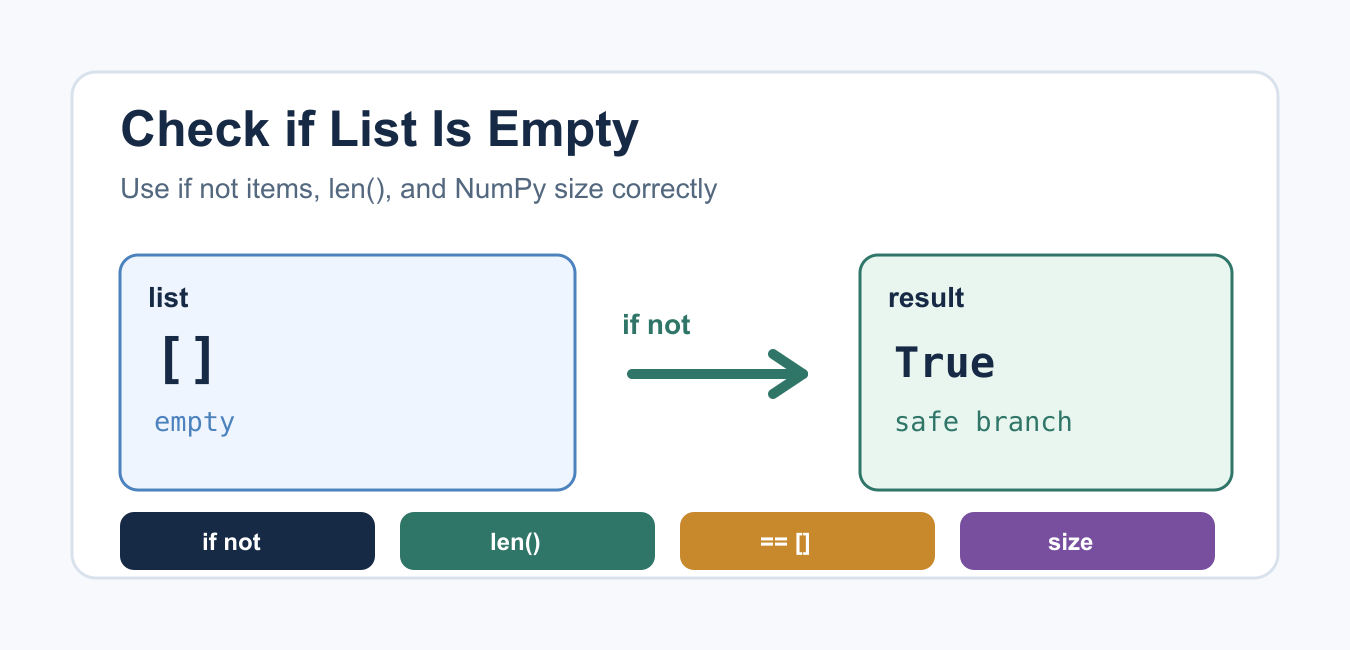
Check an ordinary Python list with if not items, use len() when the count matters, and use array.size for NumPy arrays.
Browse Python tutorials for beginners and working developers, including syntax, libraries, examples, projects, and real problem-solving guides.
Check an ordinary Python list with if not items, use len() when the count matters, and use array.size for NumPy arrays.
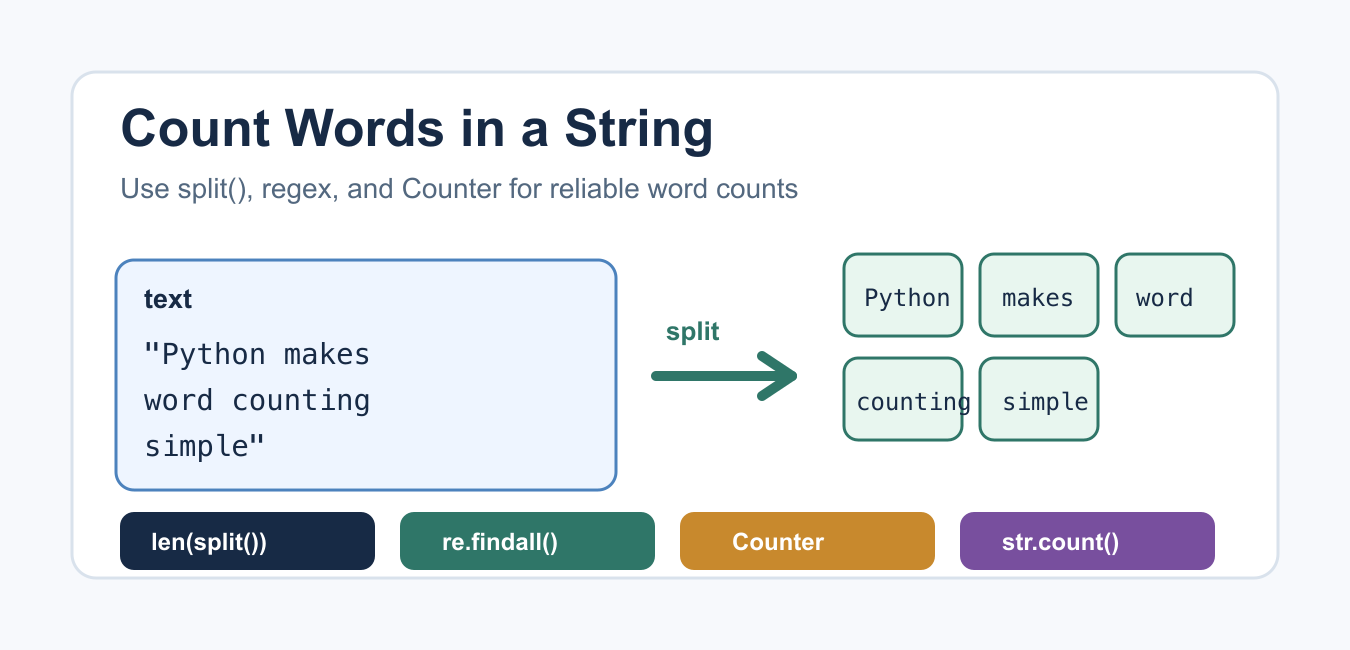
Count words in Python strings with split(), regular expressions, Counter, punctuation rules, Unicode text, and frequency analysis.
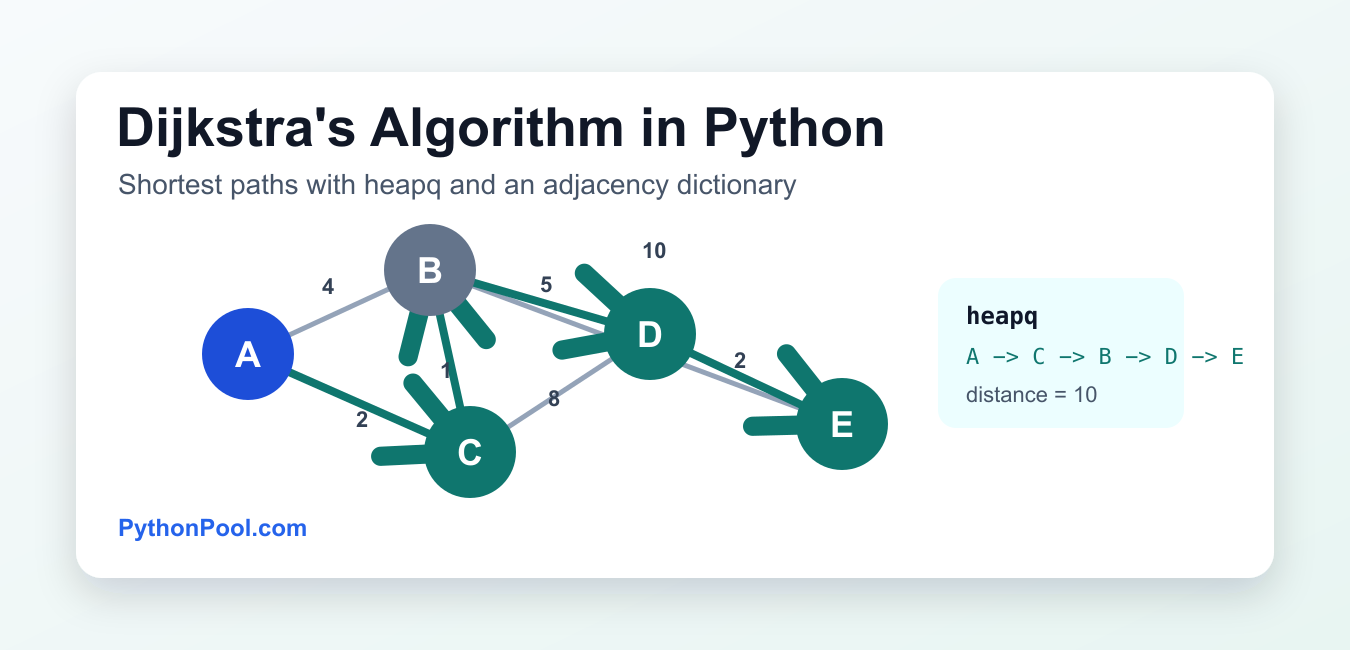
Implement Dijkstra’s shortest-path algorithm in Python with heapq, adjacency lists, distance updates, stale-entry checks, and non-negative edge weights.
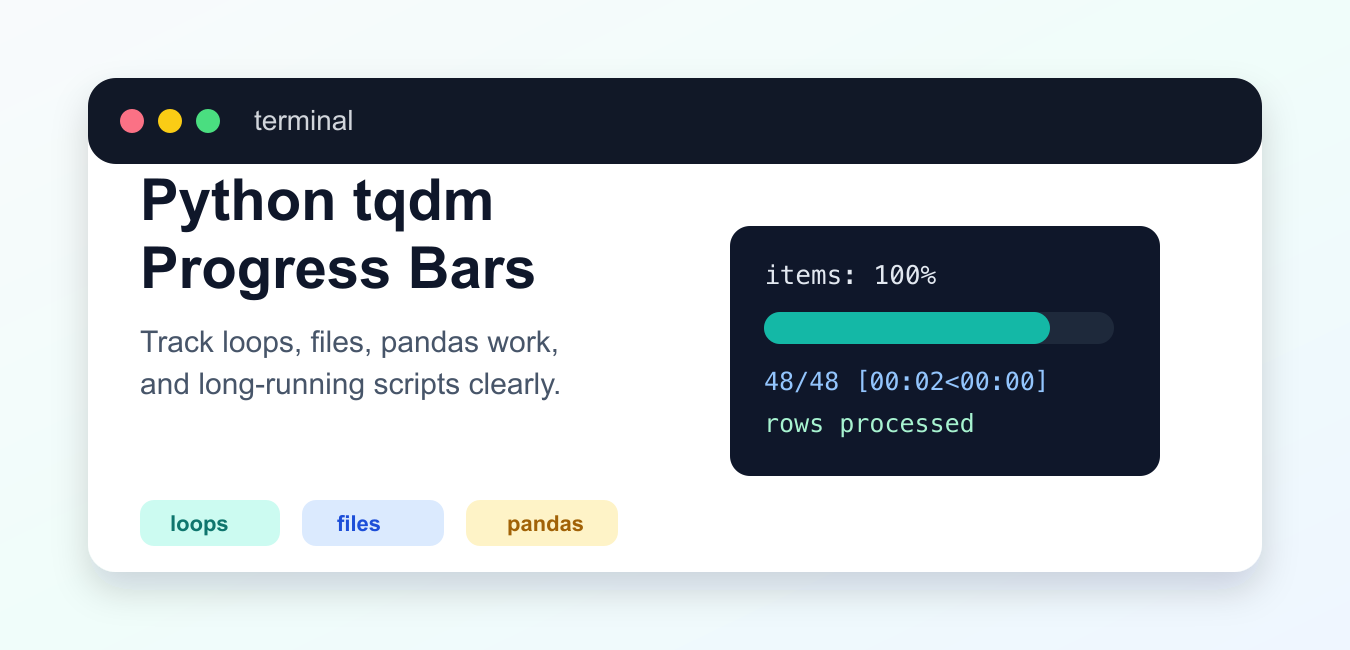
Add useful tqdm progress bars to Python loops, files, and pandas while keeping units, estimates, and automated logs readable.
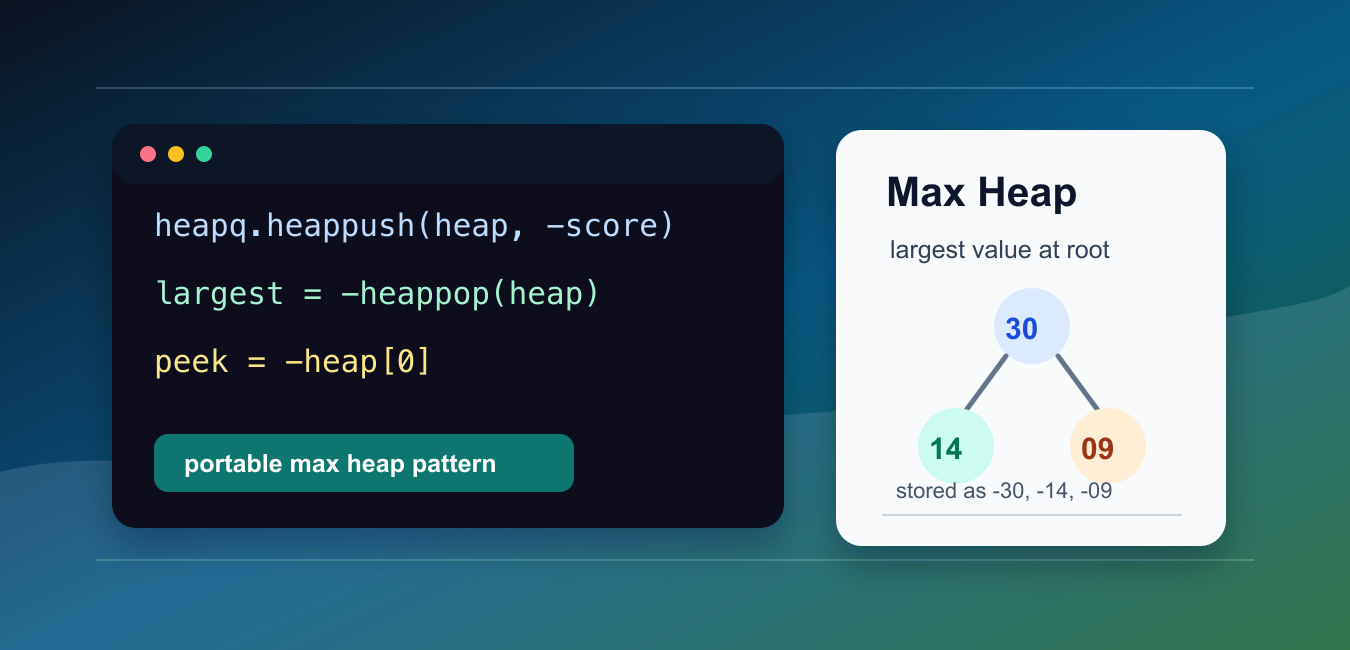
Build a max heap in Python with heapq by negating numeric priorities, understand push and pop complexity, and handle ties and non-numeric keys safely.
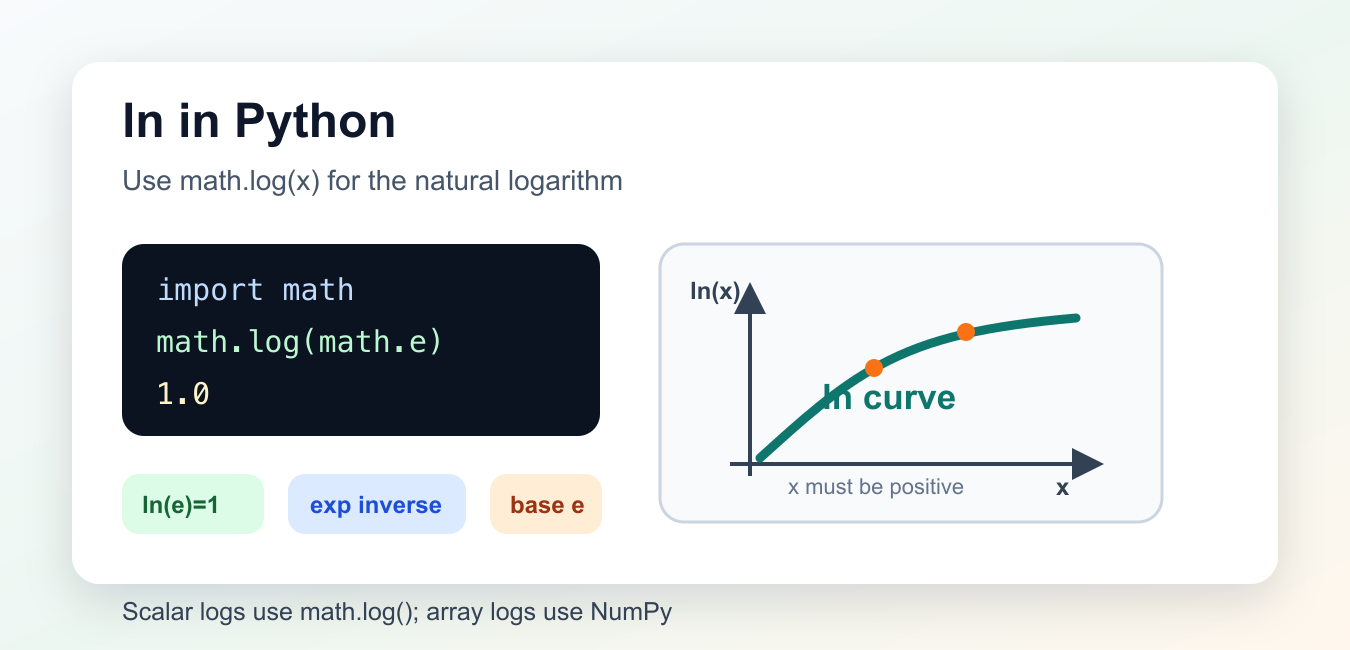
Calculate ln in Python with math.log() for scalars, np.log() for arrays, explicit positive-domain validation, and stable near-zero formulas.
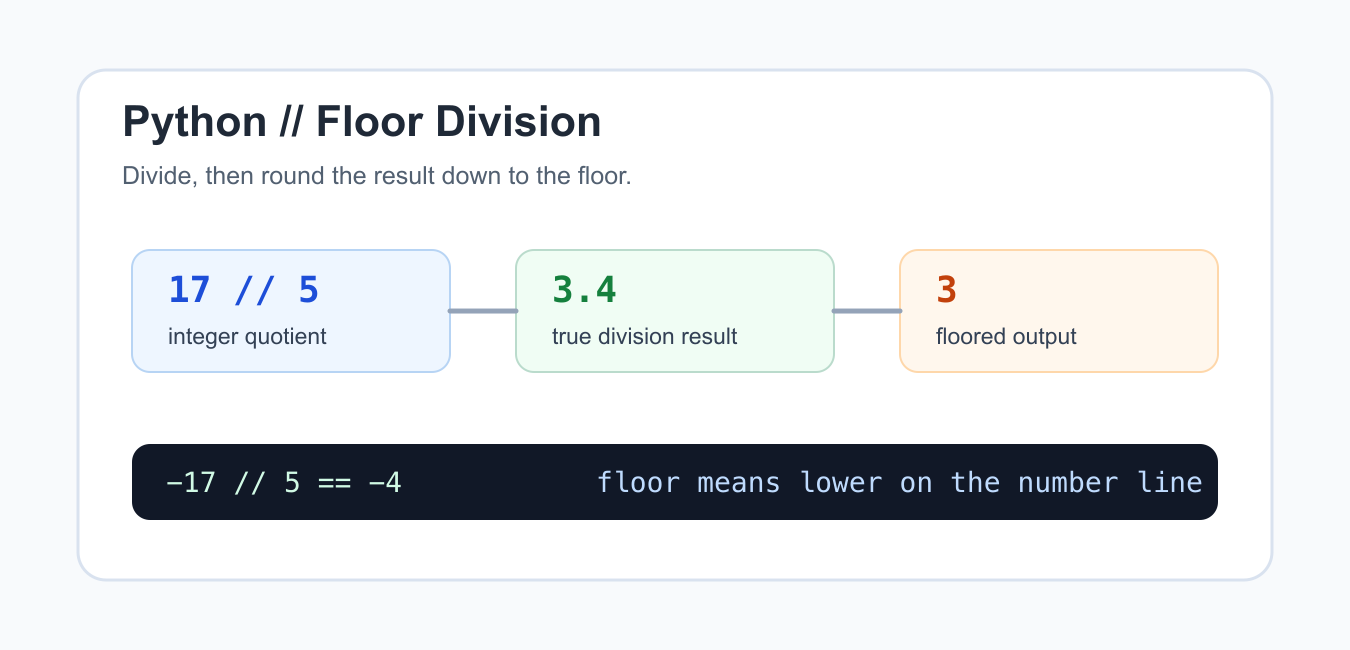
Understand // as floor division, see why negative results round down, and choose /, //, or divmod deliberately.
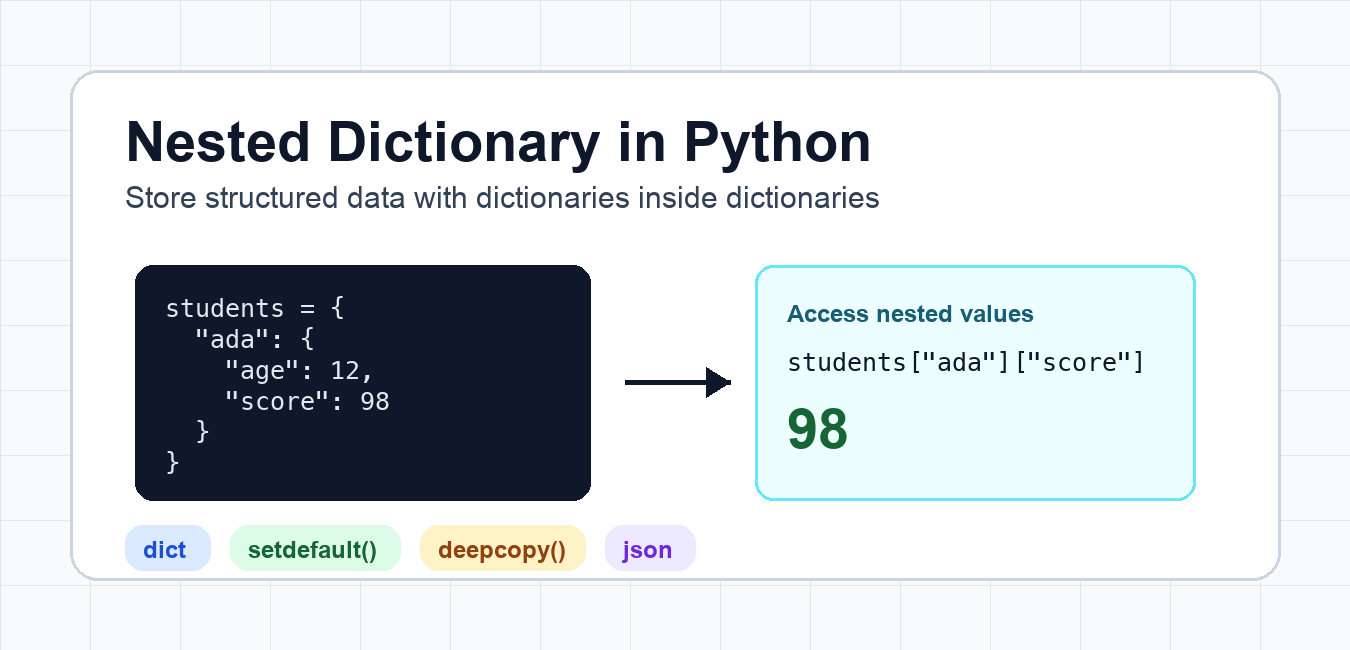
Learn nested dictionaries in Python with examples for access, safe updates, loops, setdefault(), deep copies, JSON, and missing keys.
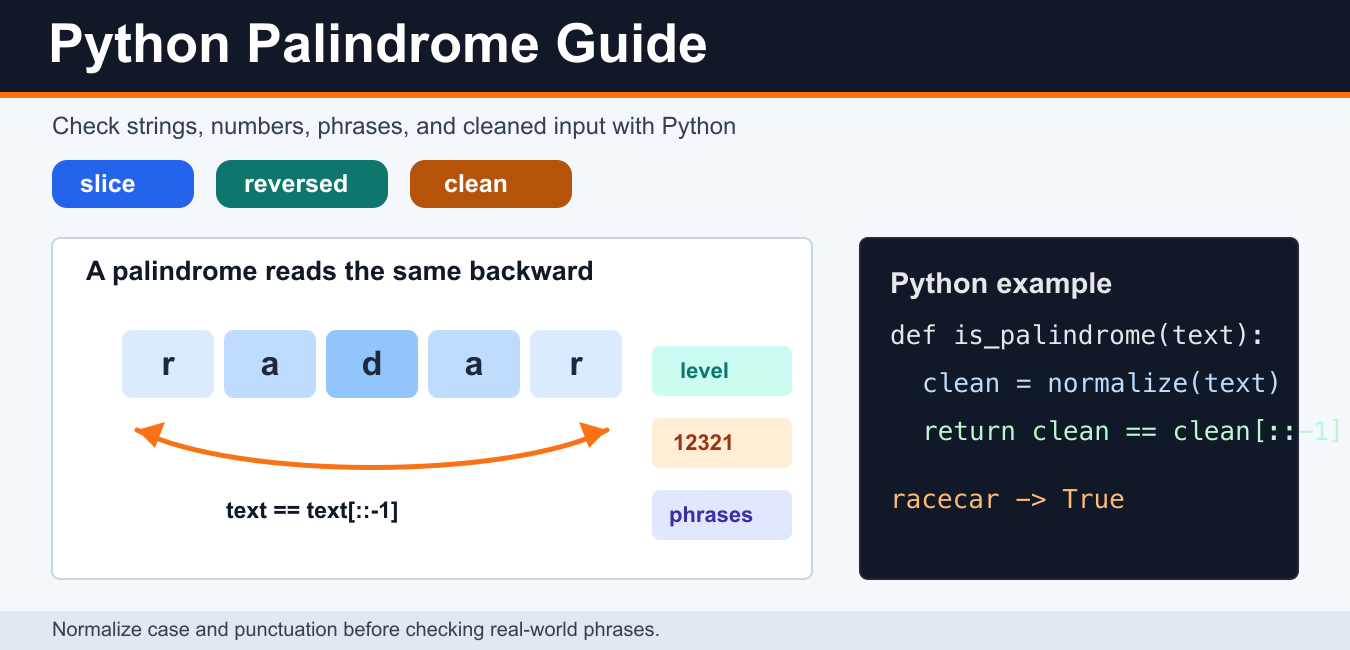
Check palindromes in Python with slicing, reversed(), loops, numbers, normalization, and clear handling of spaces and punctuation.
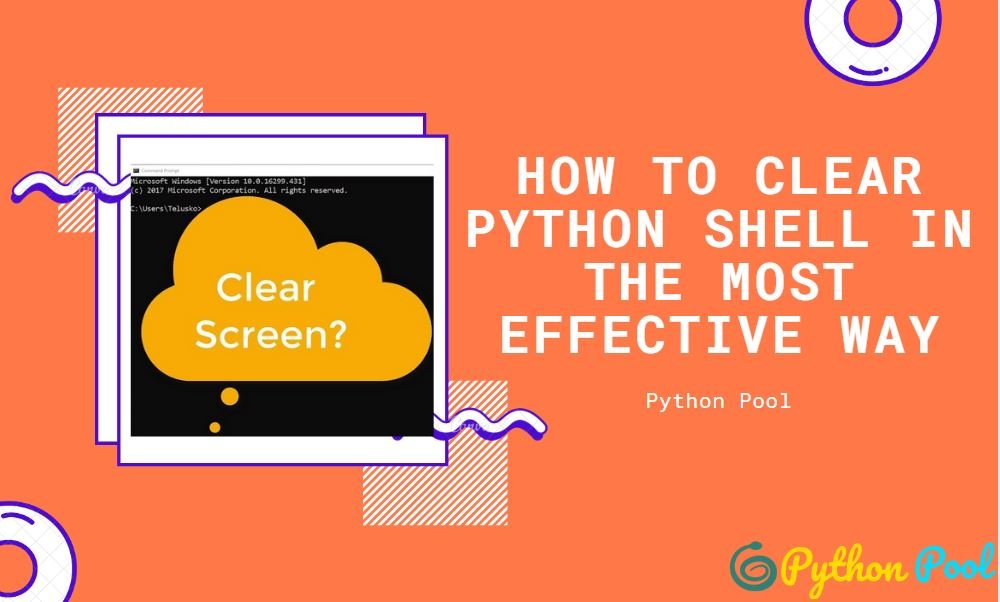
Clear a Python shell or terminal on Windows, macOS, Linux, IDLE, and notebooks while distinguishing screen clearing from resetting variables.