Convert a Python Float to a String: Precision and Formatting
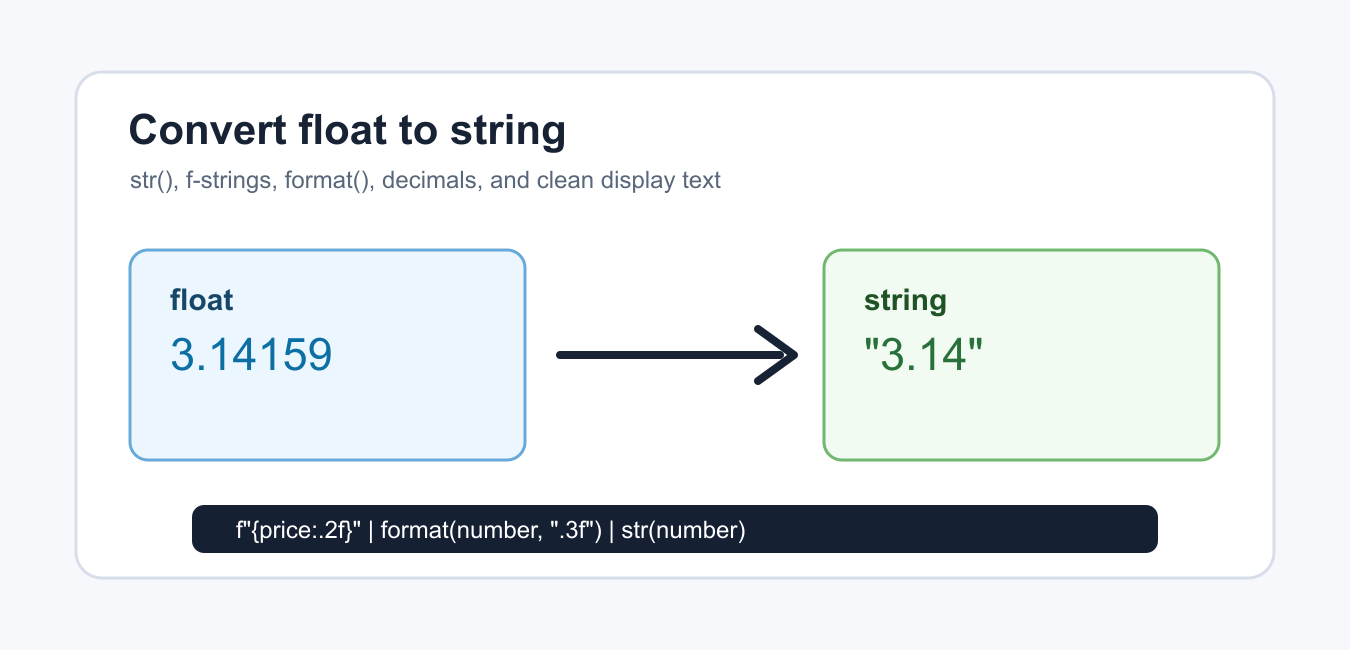
Convert Python floats to strings with str(), f-strings, format(), fixed decimals, scientific notation, and predictable machine-readable output.
Browse practical Python tutorials, error fixes, library guides, data science examples, and project ideas from Python Pool.
Convert Python floats to strings with str(), f-strings, format(), fixed decimals, scientific notation, and predictable machine-readable output.
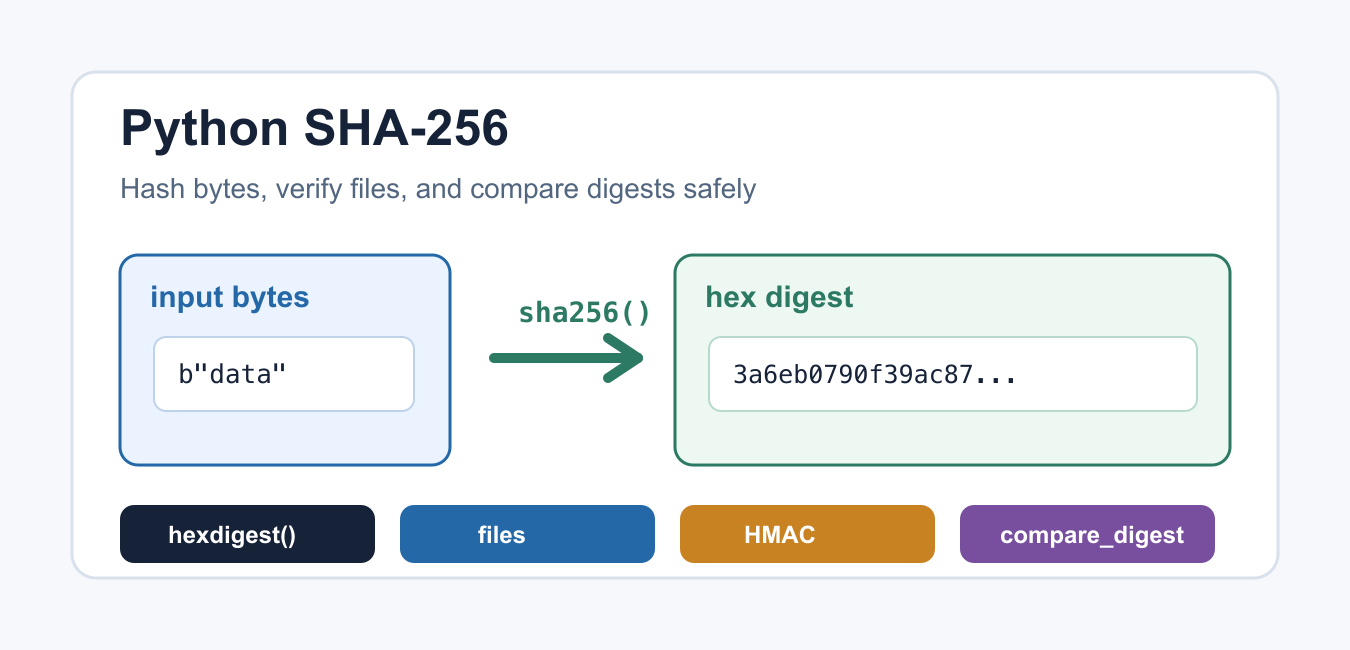
Calculate SHA-256 in Python with hashlib, hash files in chunks, compare digests safely, and distinguish integrity checks from password storage or encryption.
Use NumPy cross for 3D vector products and batches, control vector axes, understand broadcasting, and replace deprecated 2D inputs.
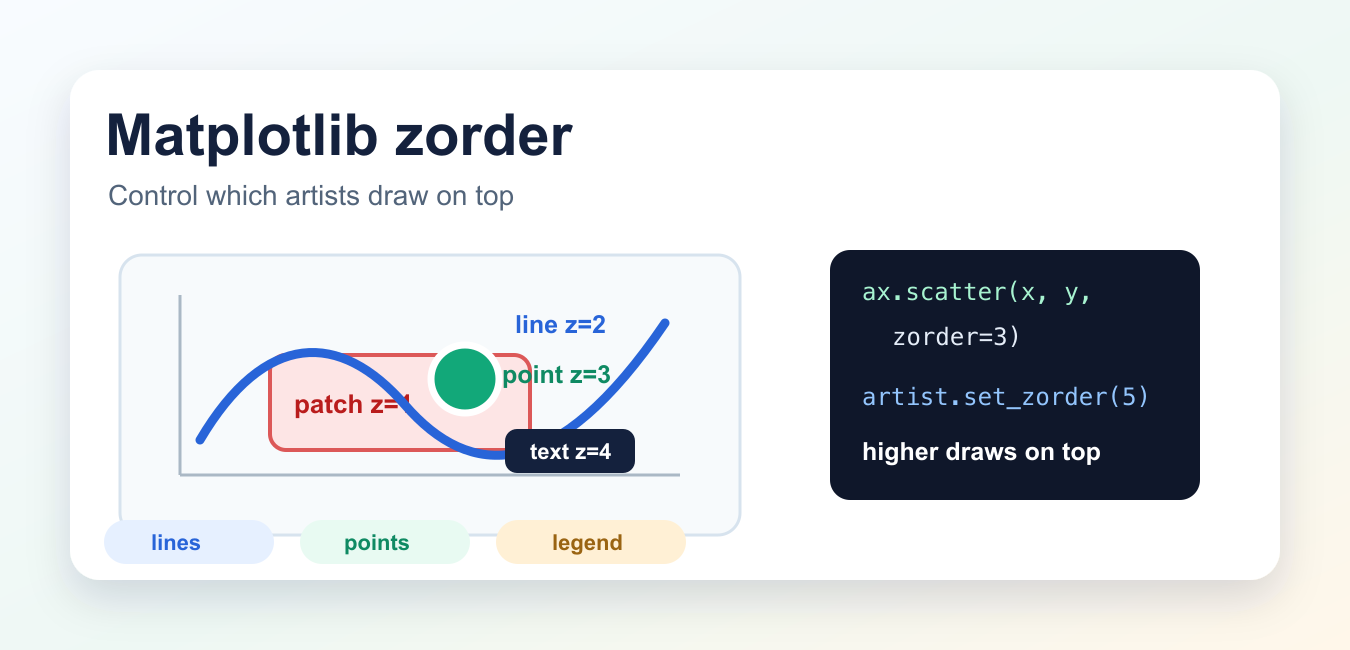
Control which Matplotlib artists appear in front with zorder, including grids, patches, lines, text, annotations, and legends.
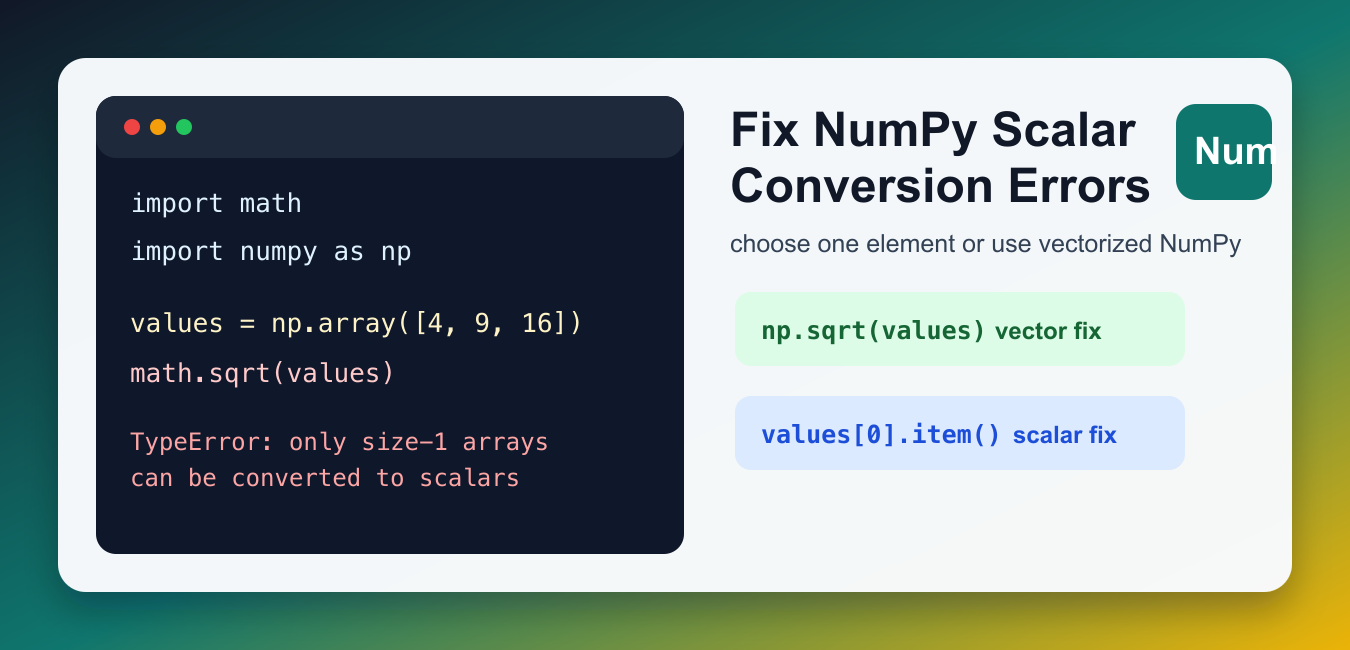
Fix this NumPy TypeError with ufuncs, indexing, astype(), shape checks, and a clear choice between one scalar and an array-wide result.
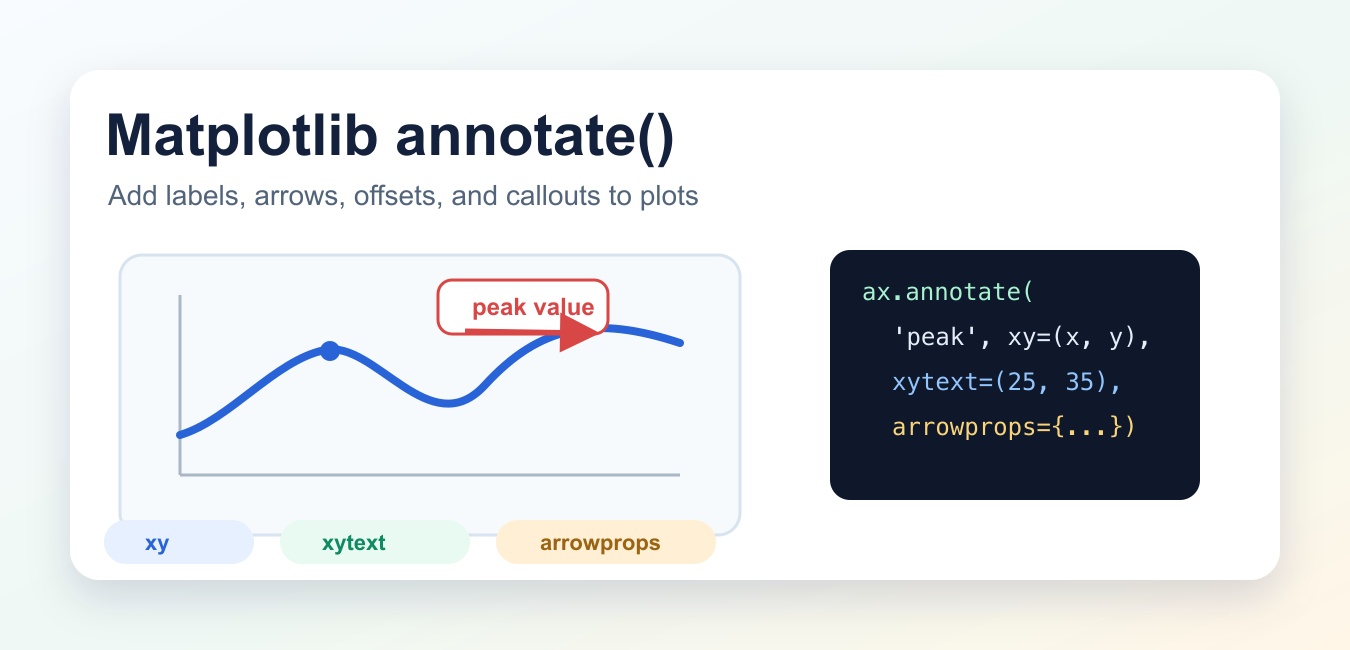
Use Matplotlib annotate() with xy, xytext, arrows, coordinate systems, boxed labels, clipping, and readable exported plots.
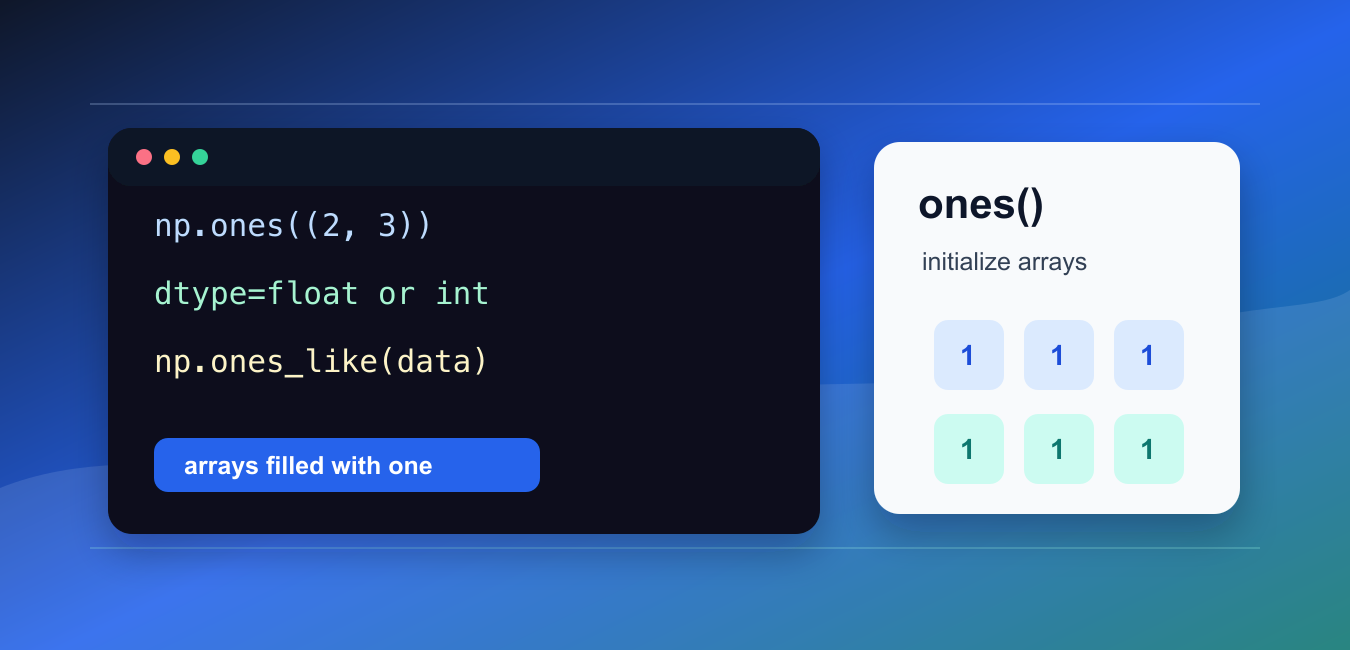
Use NumPy ones() with shapes, dtype, order, and ones_like() to create predictable arrays for masks, initialization, broadcasting, and numerical computation.
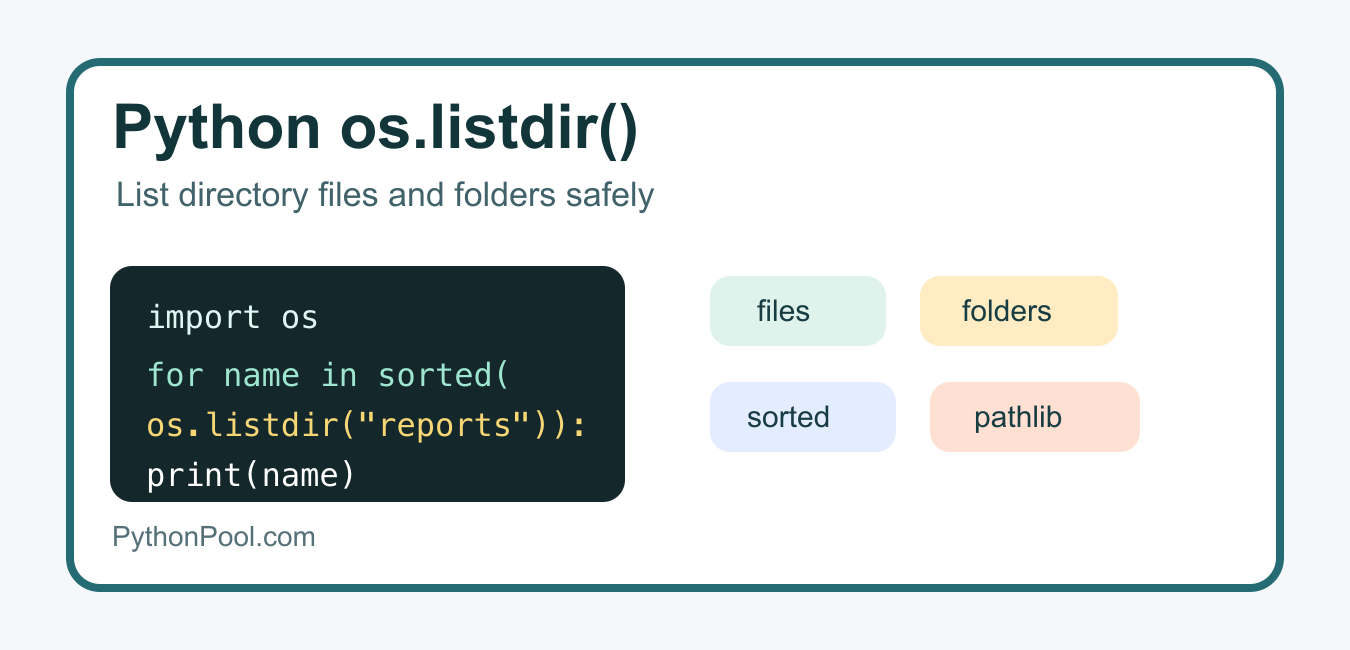
Choose names, Path objects, or directory entries based on whether you need metadata, and make ordering and error handling explicit.
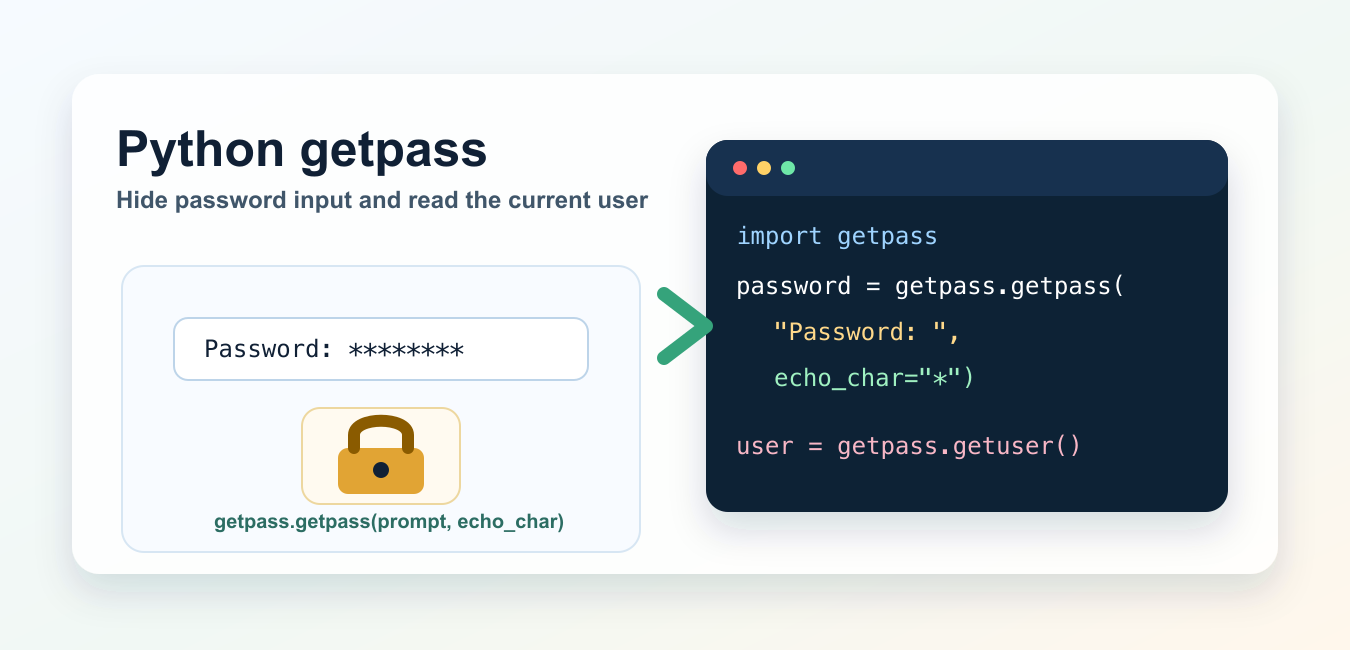
Use Python getpass to read secrets without terminal echo, handle non-interactive environments, and keep credentials out of source code and logs.
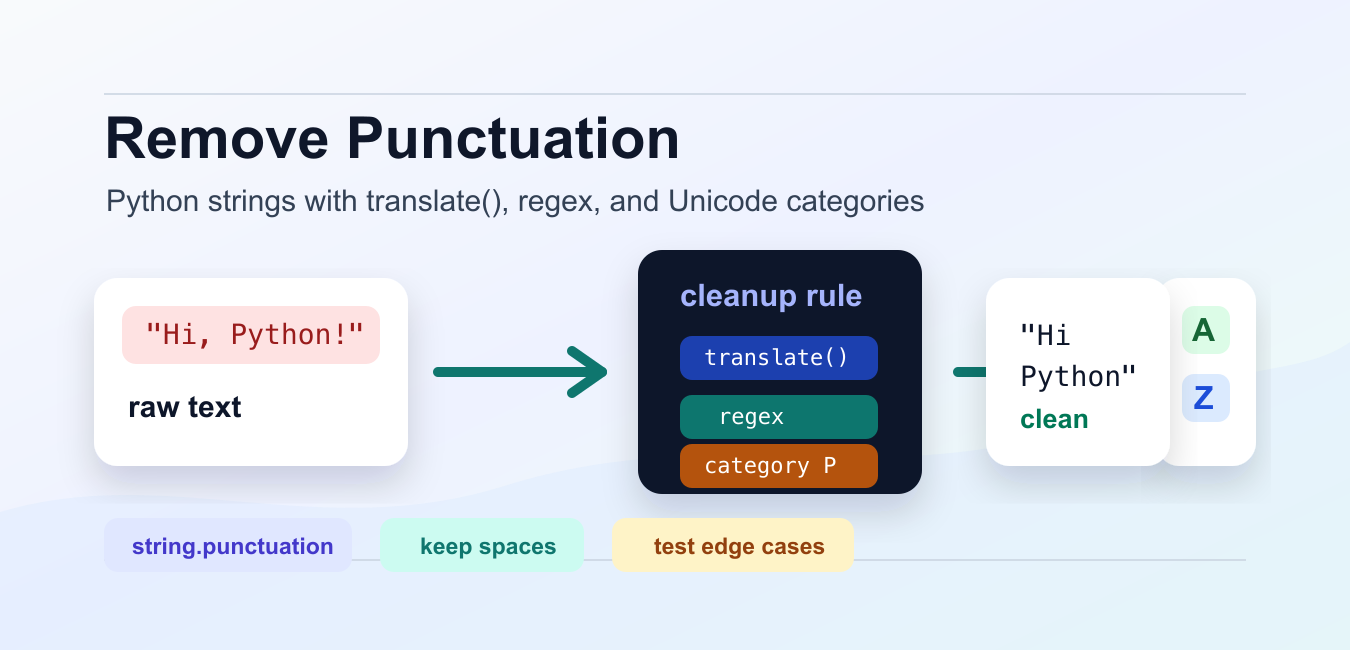
Clean punctuation in Python by choosing an ASCII translation, targeted regex, or Unicode-aware policy that matches the text and meaning.