Autocorrelation in Python: Formula, Lags, and Reliable Analysis
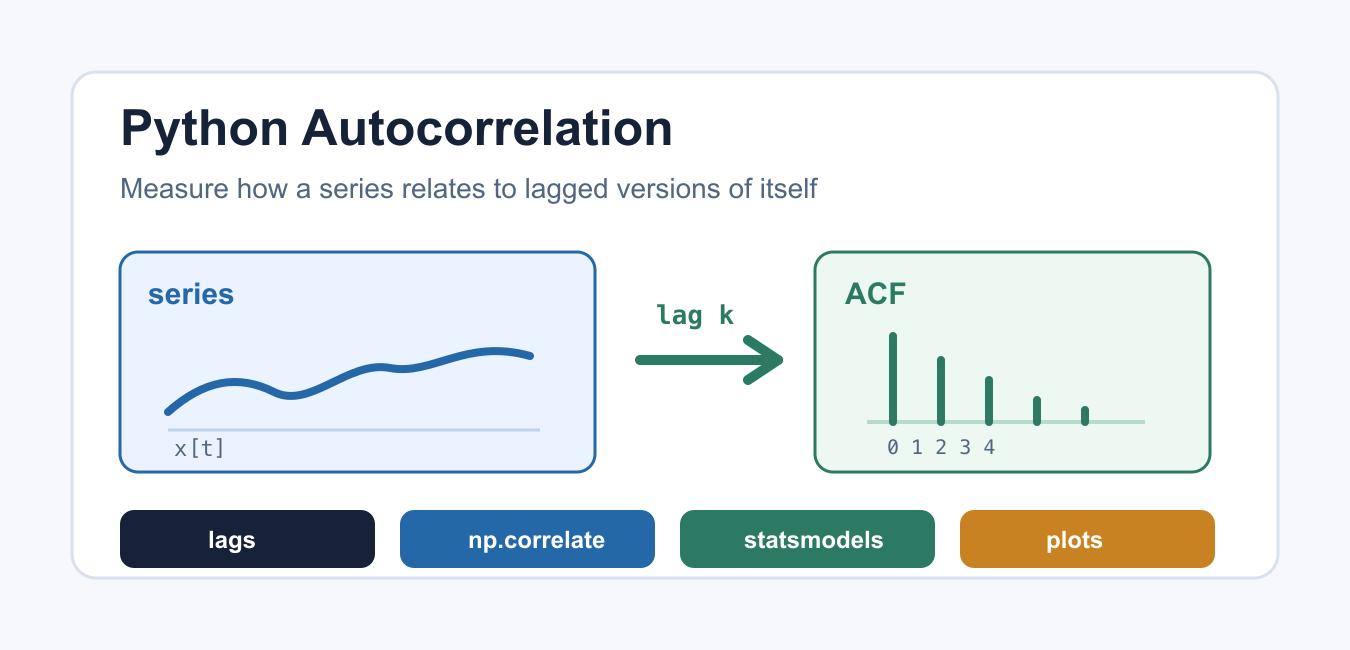
Compute autocorrelation in Python with centered series, lag conventions, missing values, normalization, confidence limits, and time-series checks.
Browse practical Python tutorials, error fixes, library guides, data science examples, and project ideas from Python Pool.
Compute autocorrelation in Python with centered series, lag conventions, missing values, normalization, confidence limits, and time-series checks.
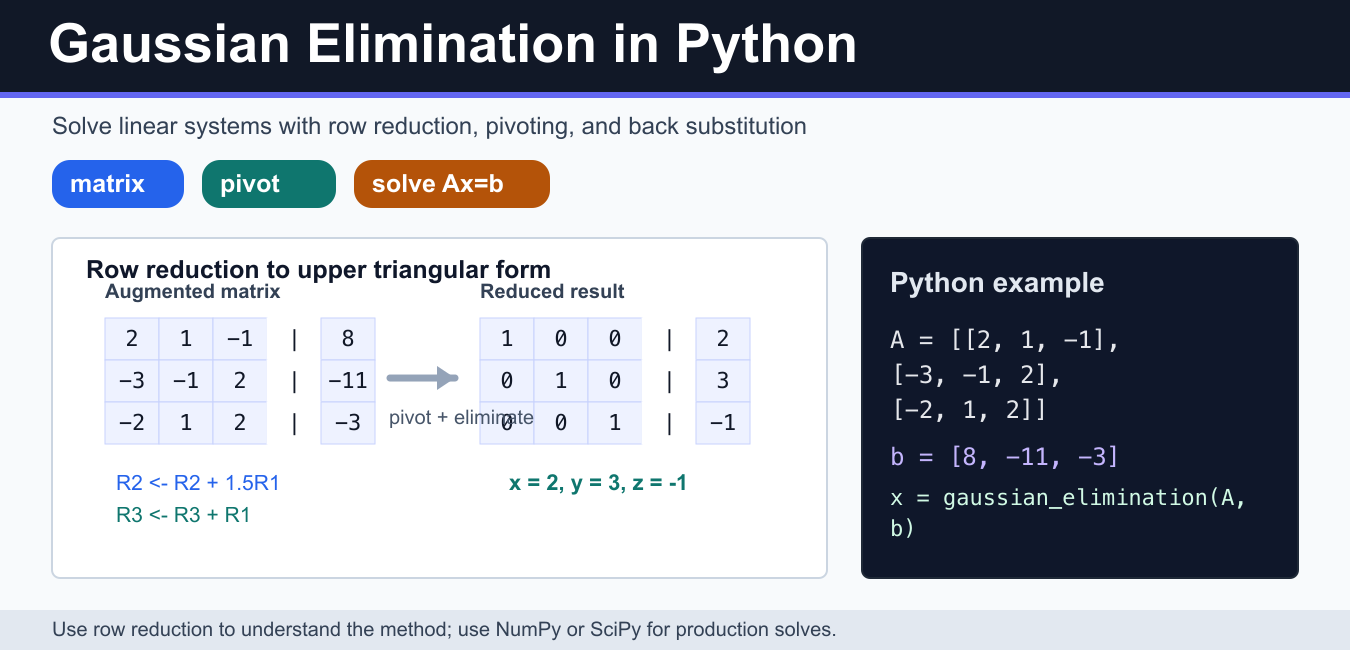
Implement Gaussian elimination in Python with pivoting, row operations, numerical stability, singular matrices, and NumPy alternatives.
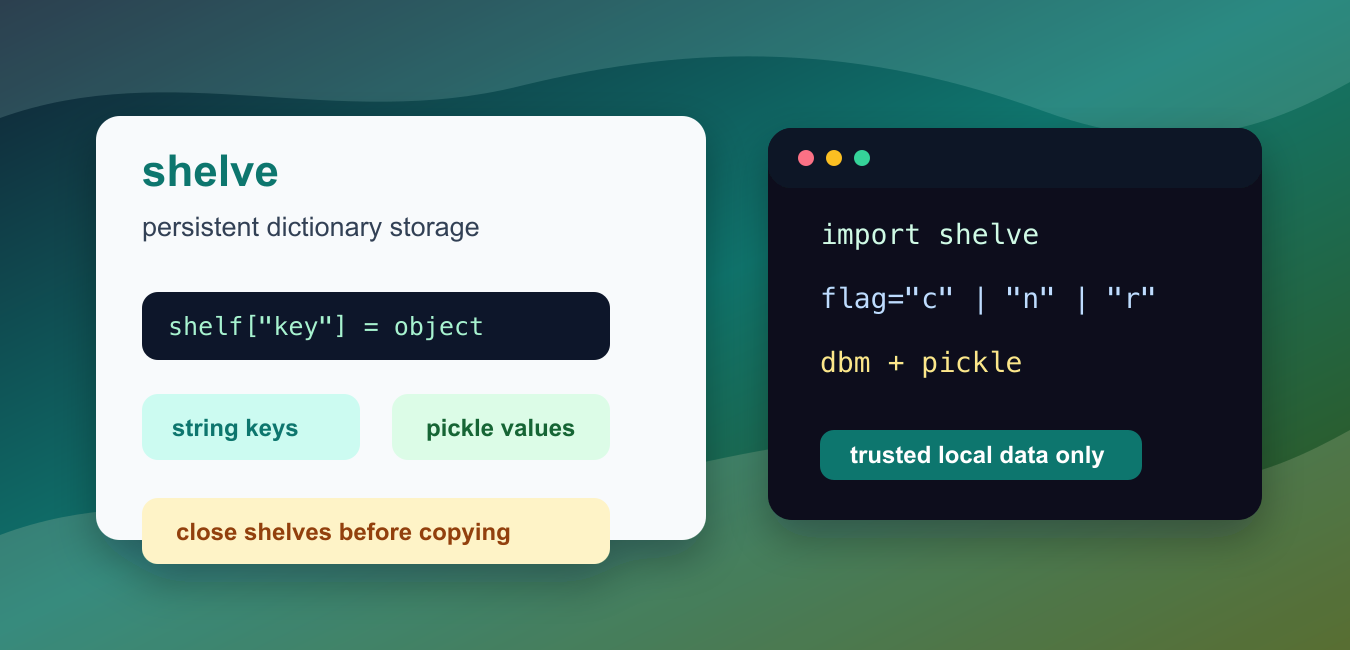
Use Python shelve for small persistent mappings, choose modes, manage sync and keys, and understand dbm, pickle, concurrency, and trust limits.
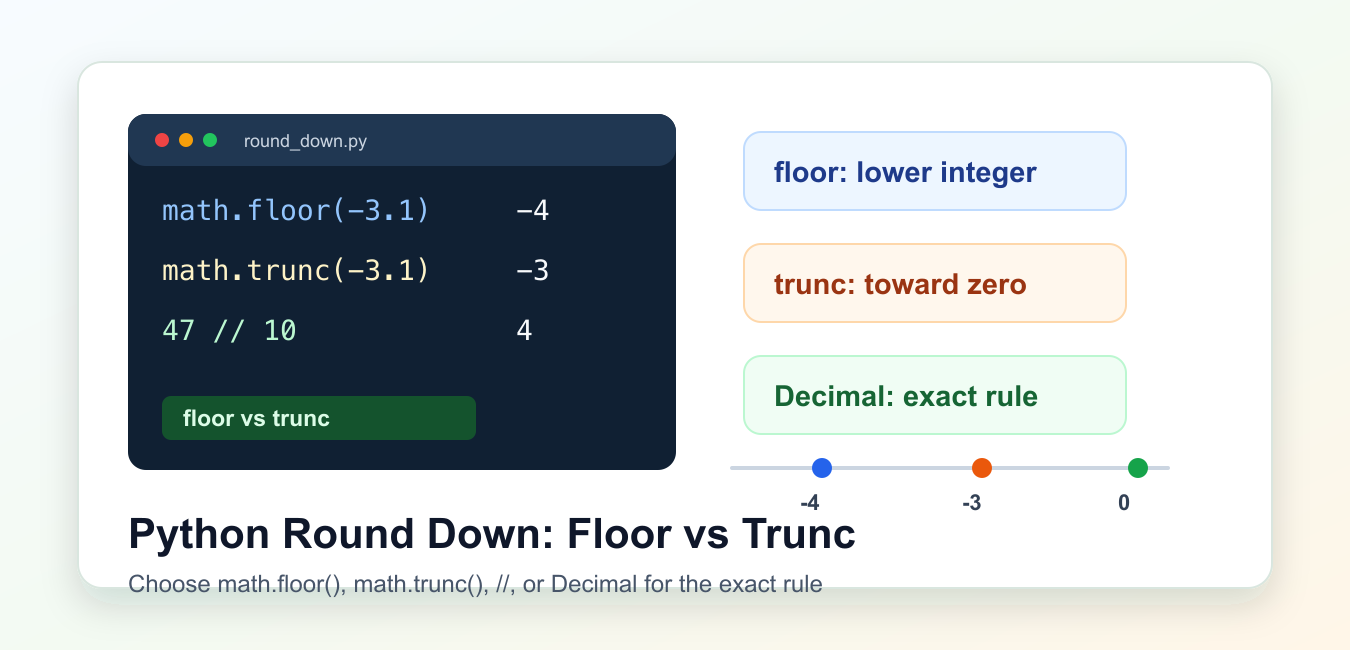
Round numbers down in Python with math.floor and floor division, understand negative values, and choose Decimal when exact decimal rules matter.

Shuffle NumPy arrays with Generator.shuffle, reproducible seeds, in-place mutation, axes, copies, and safe data-pair handling.
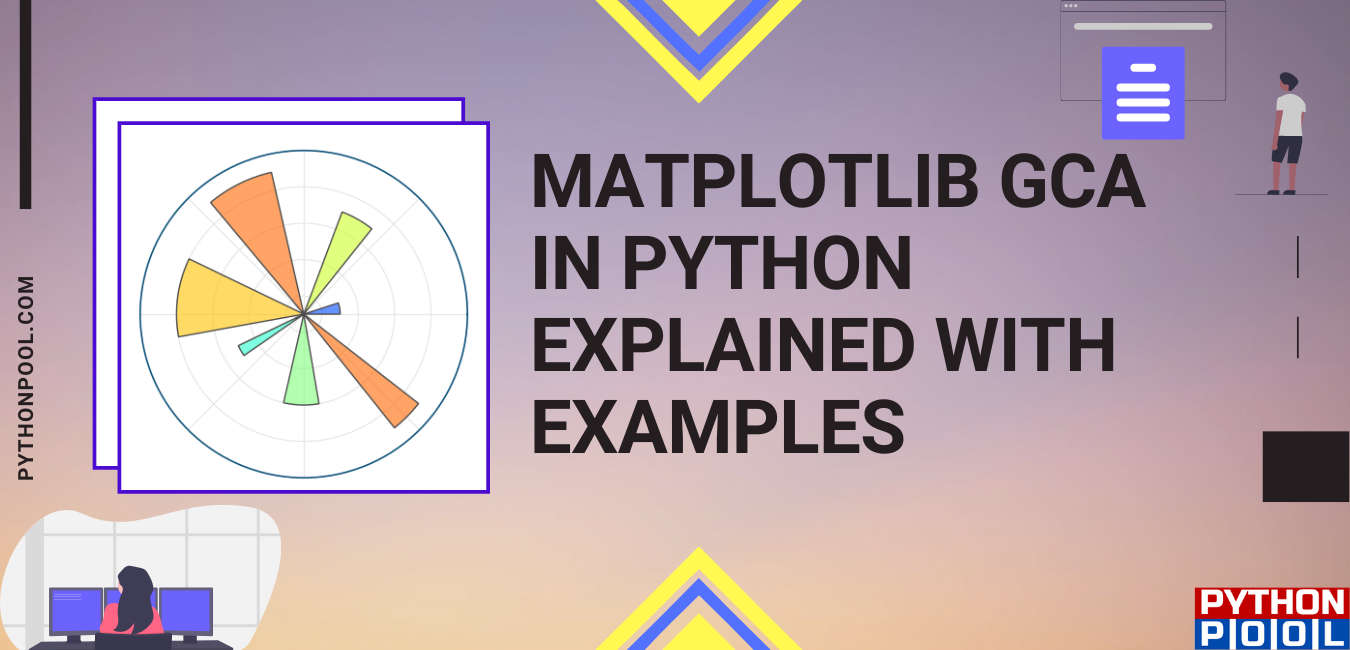
Understand matplotlib.pyplot.gca(), current Axes state, gca() versus gcf(), and why explicit subplots are clearer in new code.
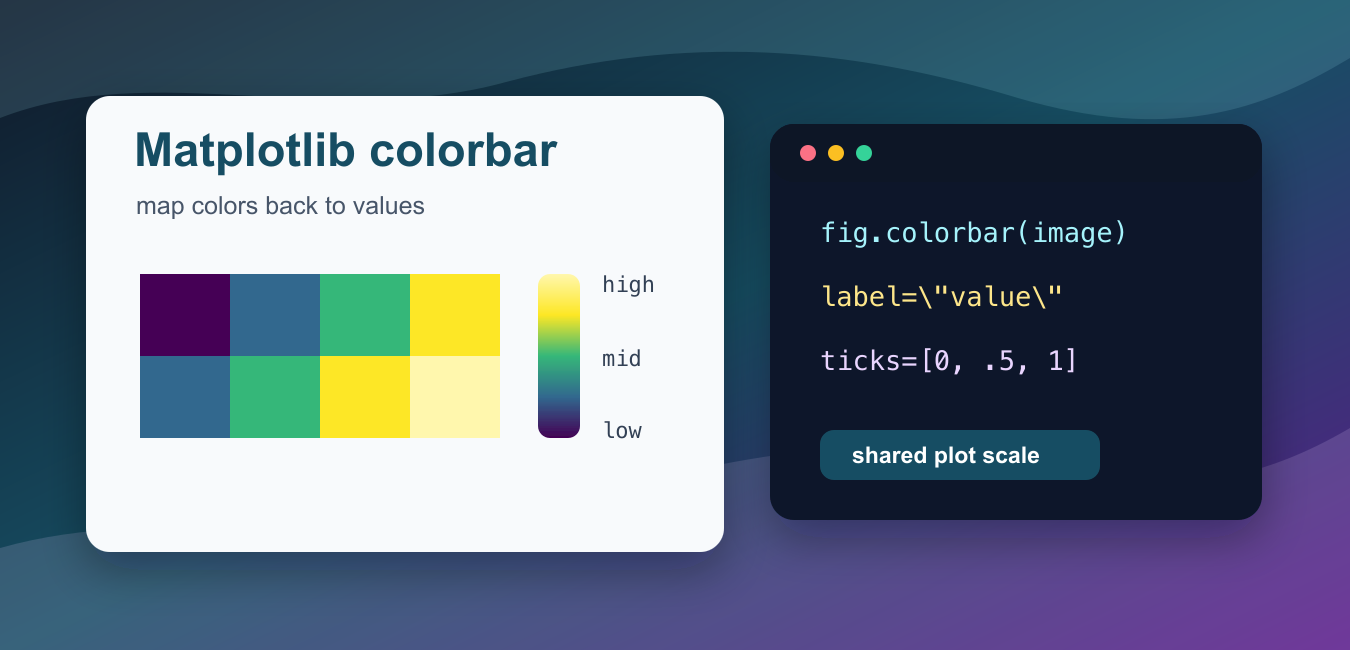
Create an honest Matplotlib colorbar by connecting it to a mappable, controlling cmap and norm, sharing scales, and managing layout.
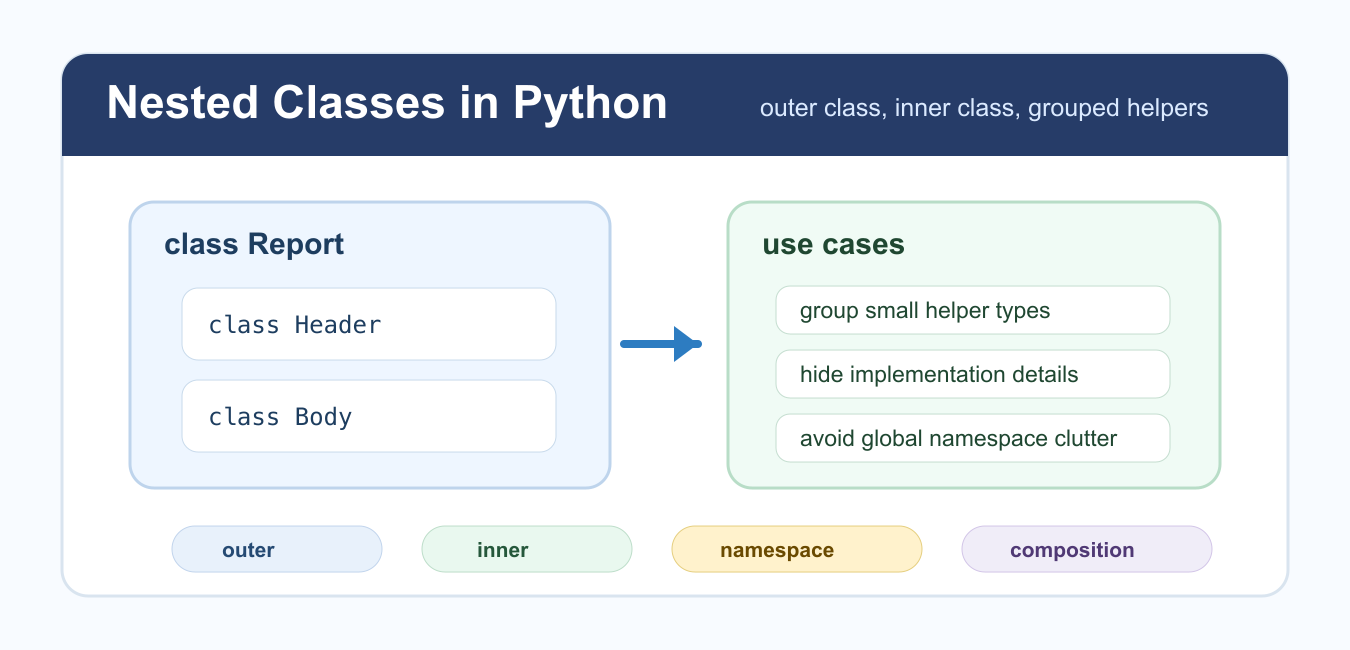
Use nested classes in Python when a helper type belongs to one outer class, while understanding scope, instances, inheritance, and alternatives.

Fix Matplotlib subplot spacing with tight_layout, constrained layout, subplots_adjust, and GridSpec without clipped labels or overlapping axes.
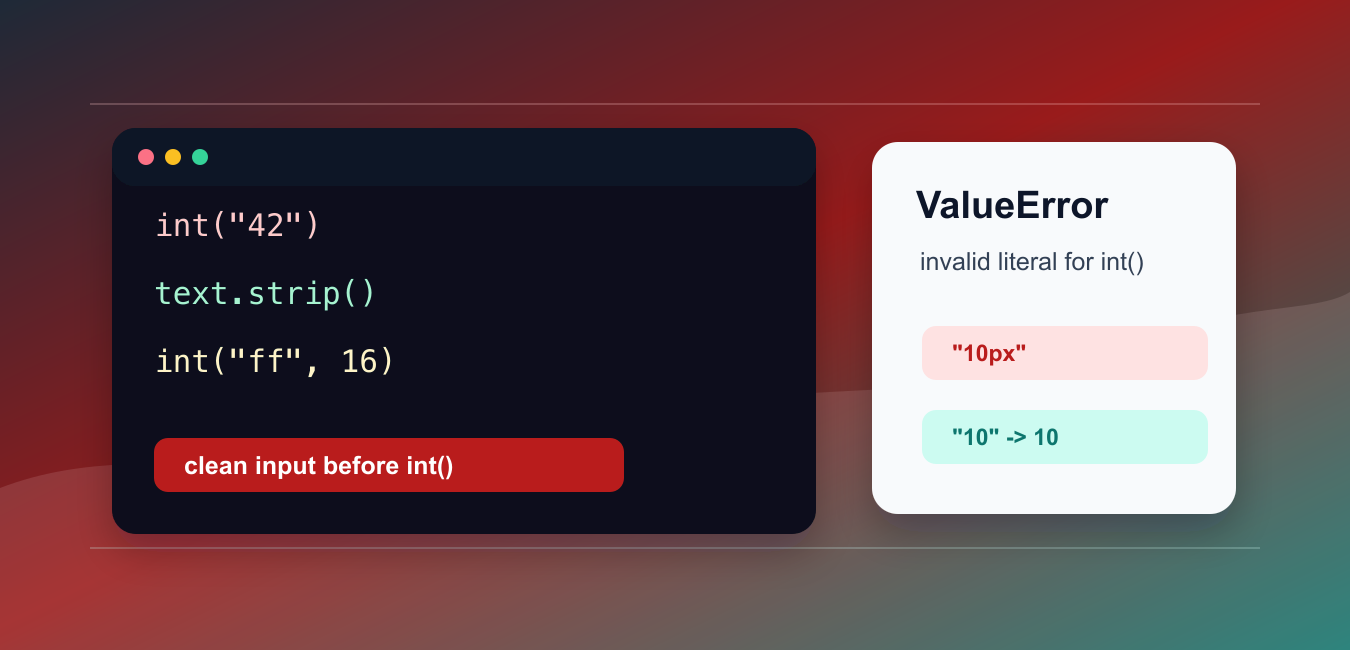
Fix invalid literal for int() with base 10 by validating text, stripping whitespace, handling decimals, choosing bases, and reporting bad input.