Python __new__: Control Object Creation Before __init__
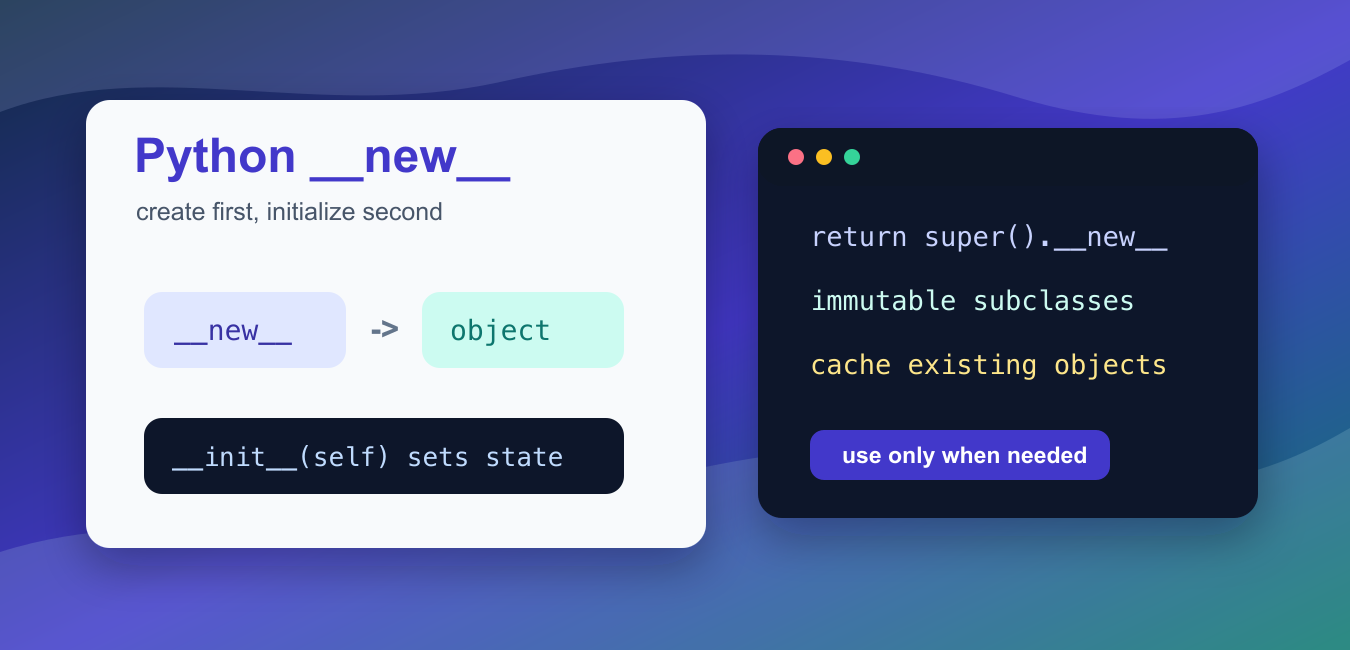
Understand Python __new__ versus __init__, immutable types, custom allocation, singleton patterns, cooperative inheritance, and safe object construction.
Browse practical Python tutorials, error fixes, library guides, data science examples, and project ideas from Python Pool.
Understand Python __new__ versus __init__, immutable types, custom allocation, singleton patterns, cooperative inheritance, and safe object construction.
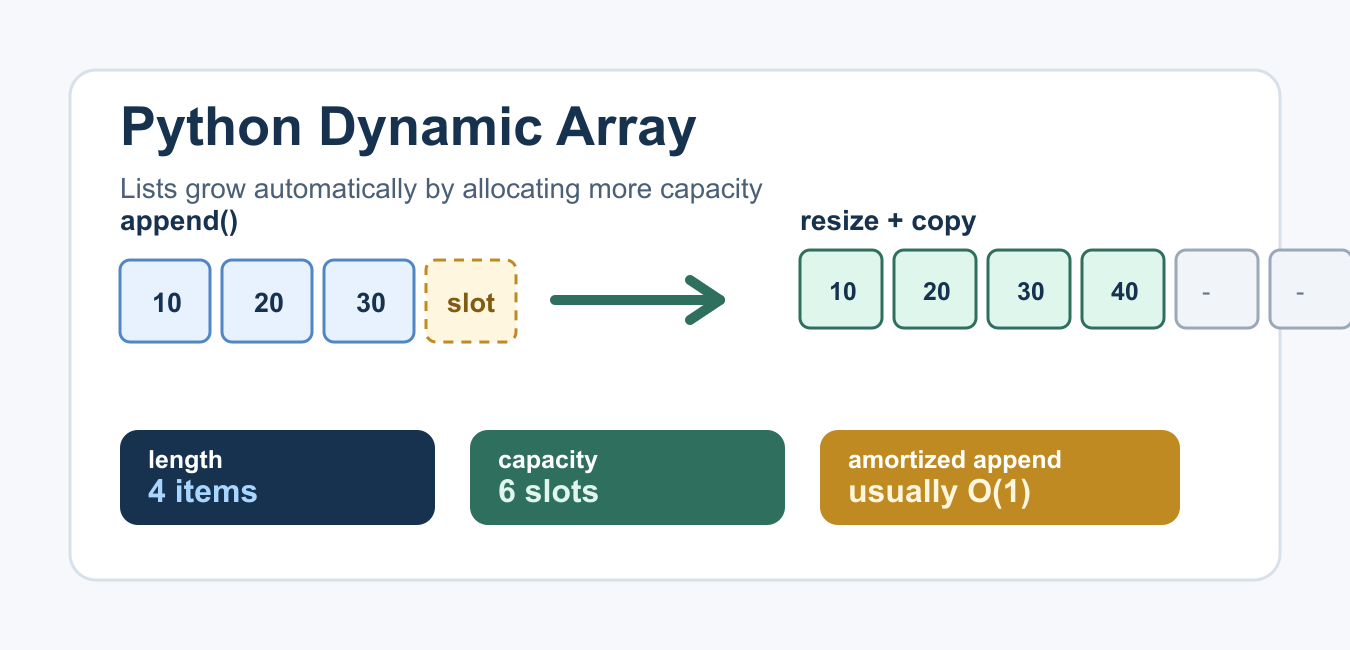
Build dynamic arrays in Python with lists, append and extend, capacity tradeoffs, NumPy arrays, resizing costs, and clear type choices.

Use Python threading.Lock with context managers, timeouts, and small critical sections to protect shared mutable state without deadlocks.
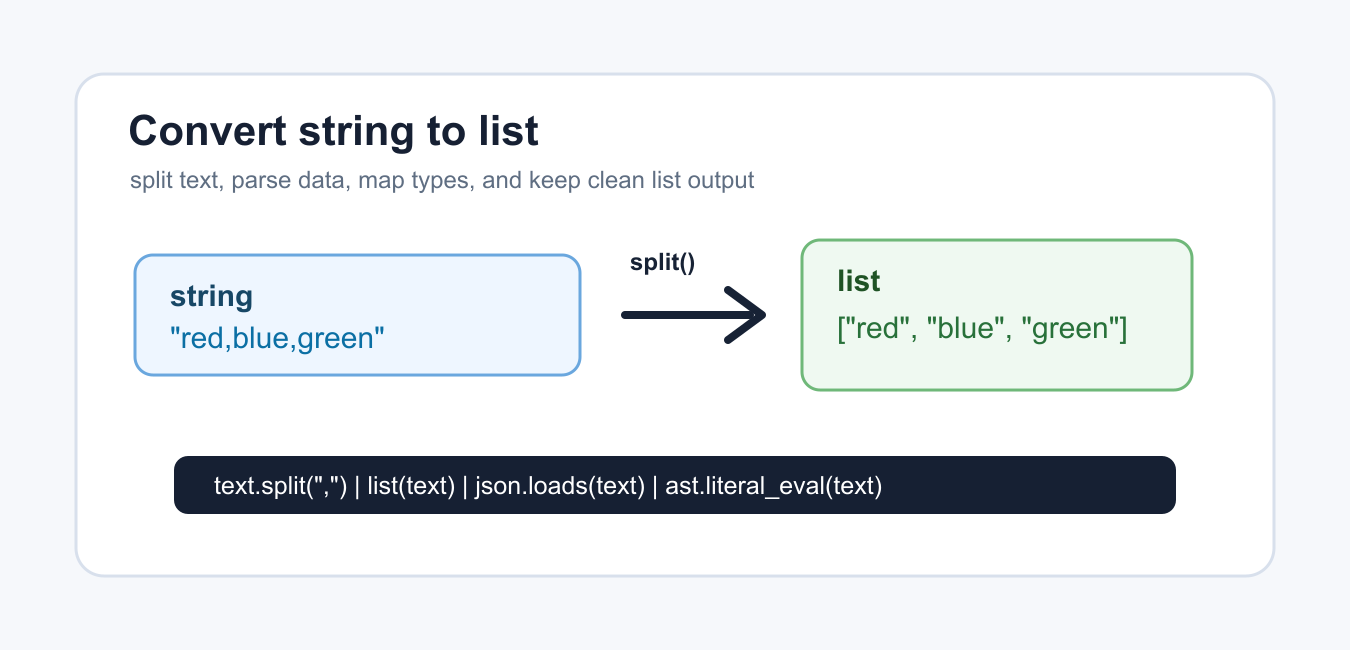
Convert strings to lists in Python with list characters, split words, delimiter-aware parsing, JSON, and literal_eval without unsafe eval calls.

Normalize NumPy arrays with min-max and L2 scaling while handling constant arrays, NaN values, axes, and division-by-zero safely.
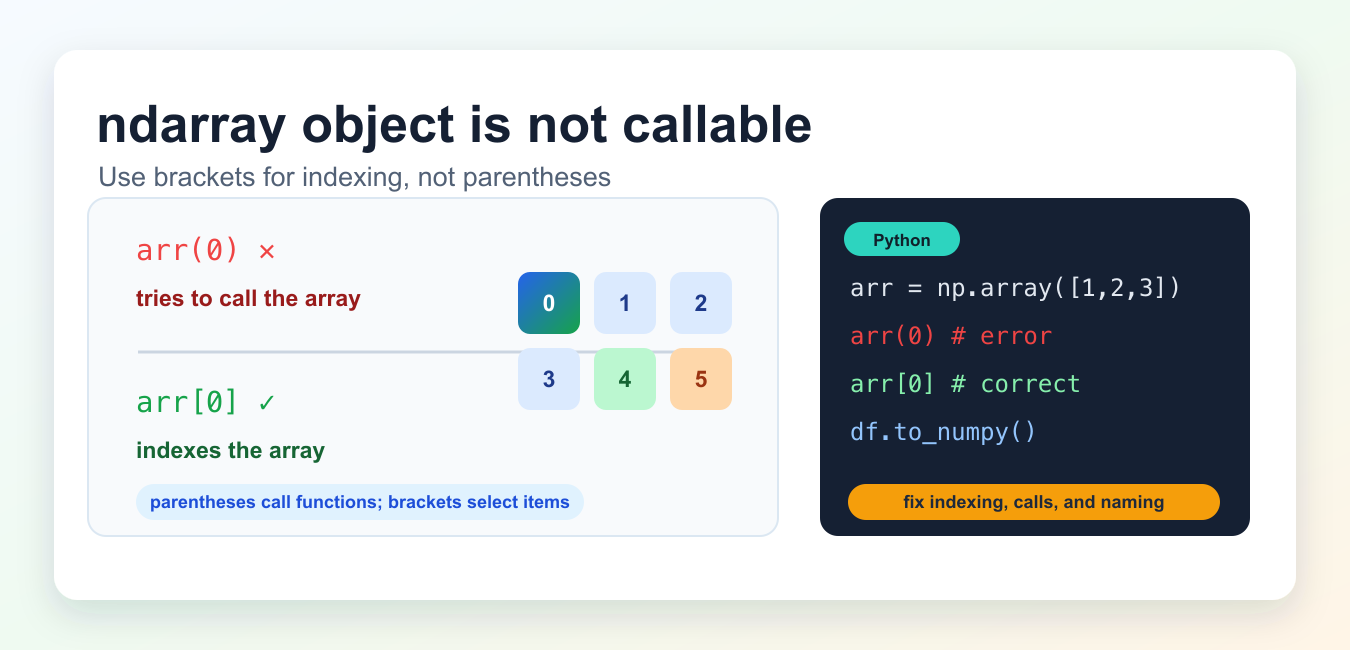
Fix NumPy ndarray object is not callable by using brackets for indexing, avoiding overwritten function names, and separating arrays from callable APIs.
Choose rtol and atol from the measurement scale, understand broadcasting, and use assert_allclose for strict tests.
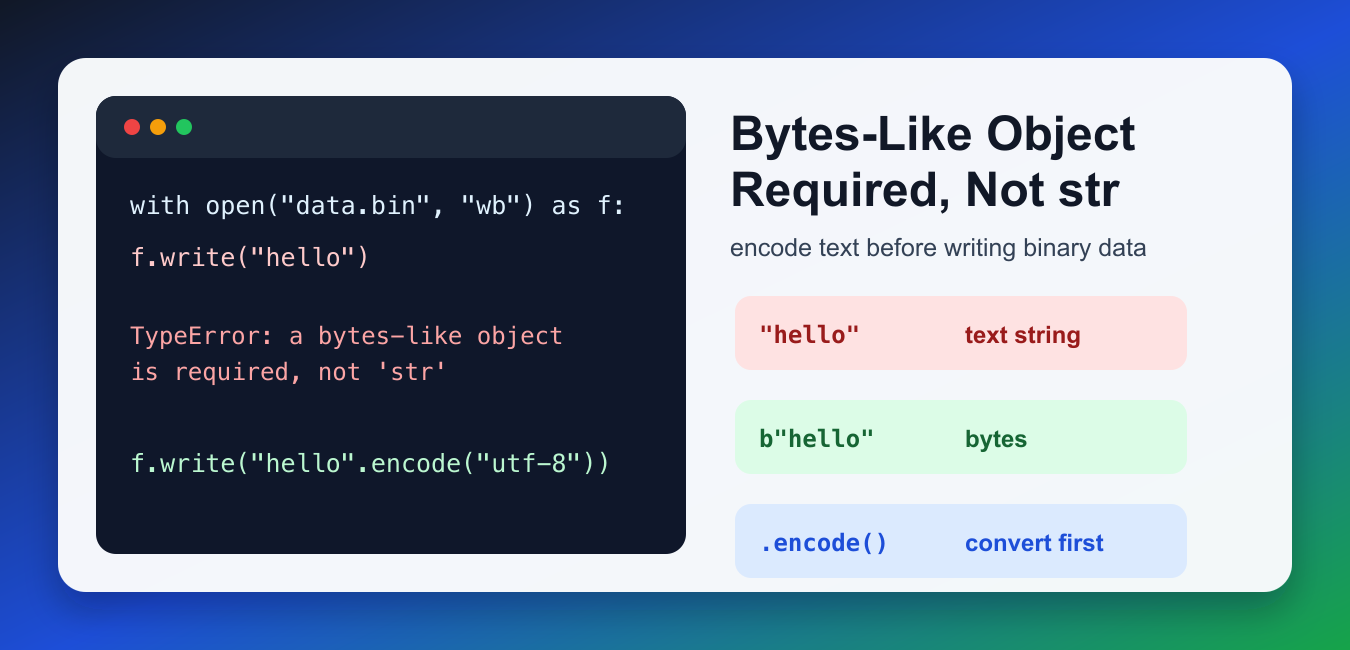
Fix Python bytes-like object errors by separating text and binary data, encoding and decoding deliberately, and checking file, regex, hashing, and serialization APIs.
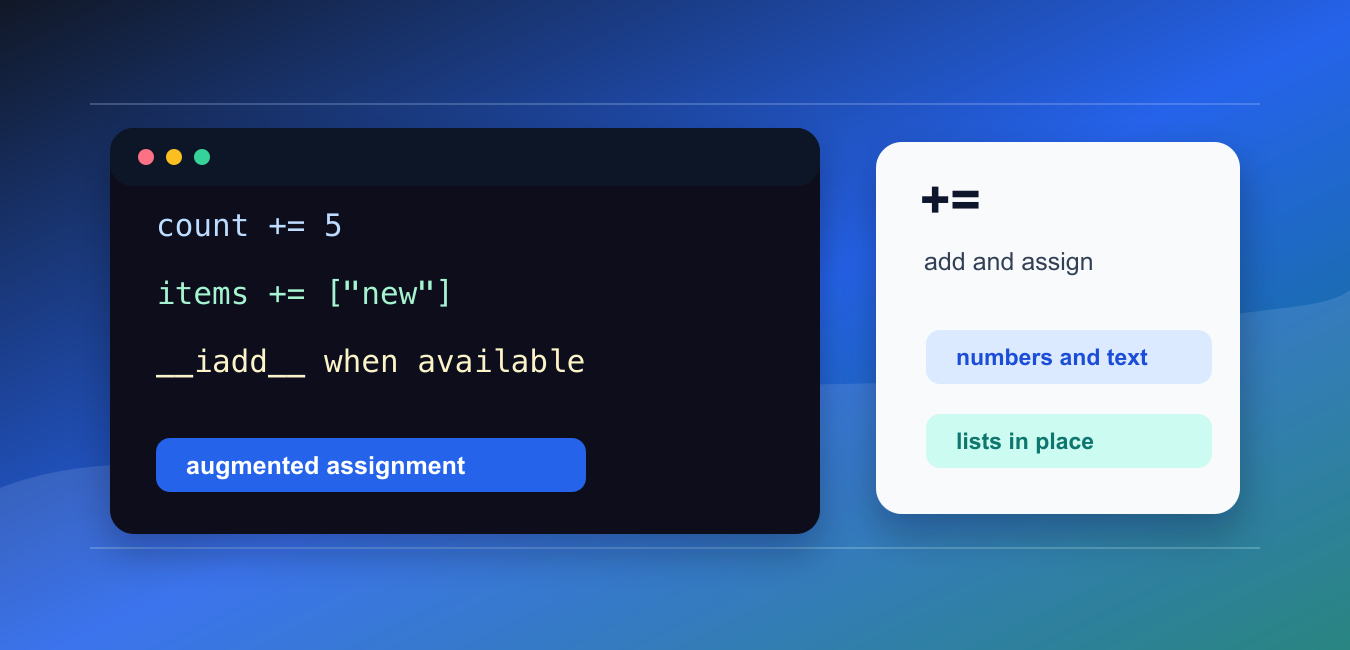
Learn how Python’s += operator updates numbers, strings, lists, and custom objects, including mutation, type behavior, and common mistakes.
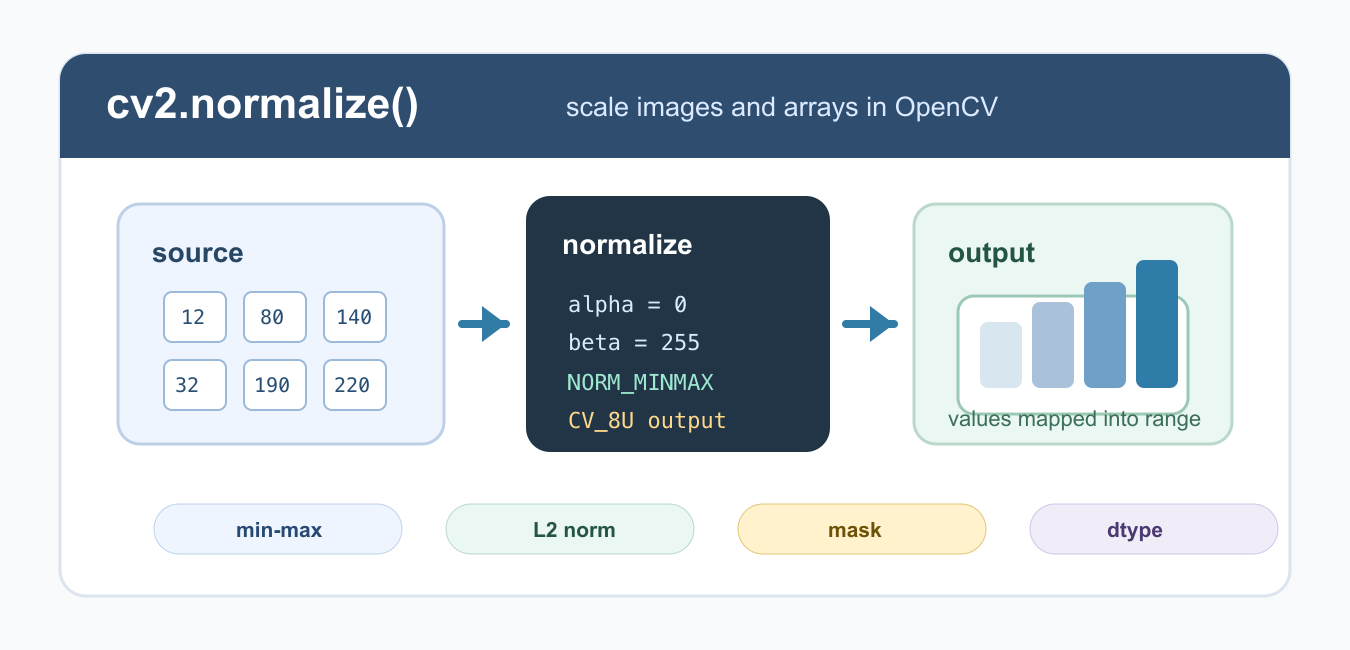
Normalize OpenCV images and arrays by choosing the right range or norm, then validating masks, channels, dtype, and the purpose of the result.