Python Syslog: Send Application Logs to a System Logger

Use Python’s syslog module carefully with priorities, facilities, formatting, secure data handling, platform differences, and testing guidance.
Browse practical Python tutorials, error fixes, library guides, data science examples, and project ideas from Python Pool.
Use Python’s syslog module carefully with priorities, facilities, formatting, secure data handling, platform differences, and testing guidance.
Lists can change, so Python cannot use them as set members or dictionary keys; convert them only when the new immutable meaning is correct.
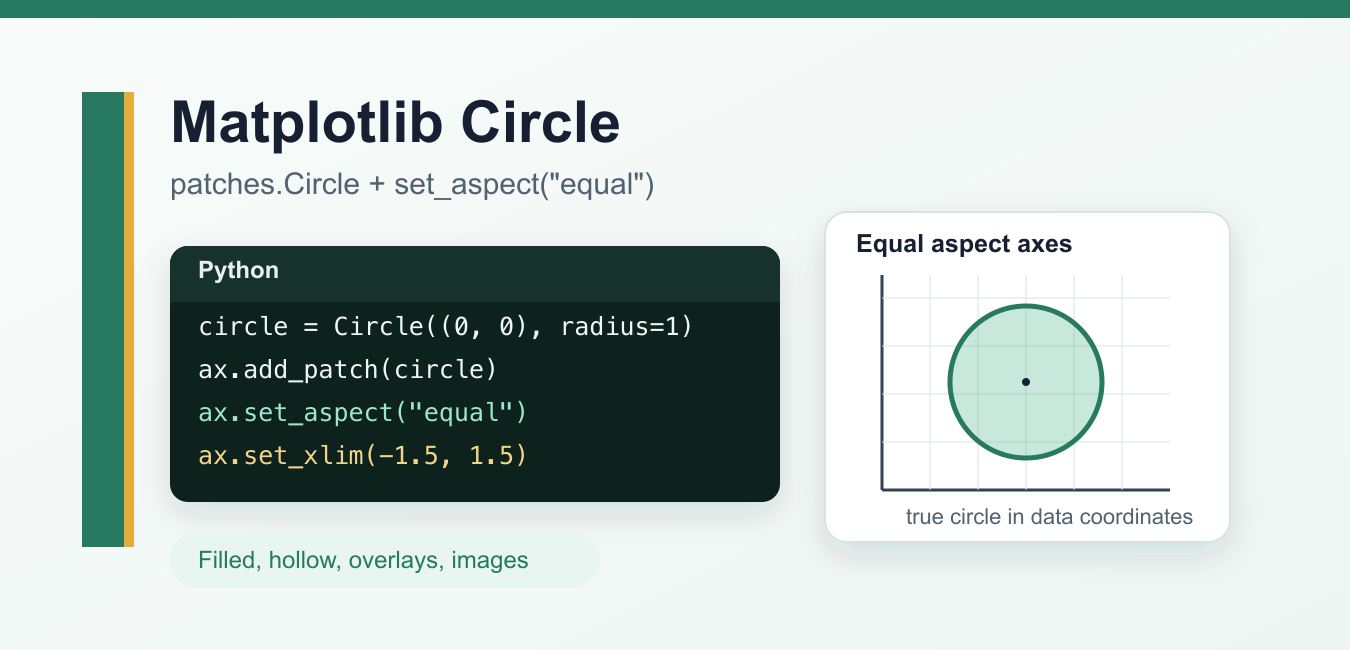
Draw true Matplotlib circles with patches.Circle, equal aspect ratio, hollow outlines, labels, and saved figures without distorted geometry.
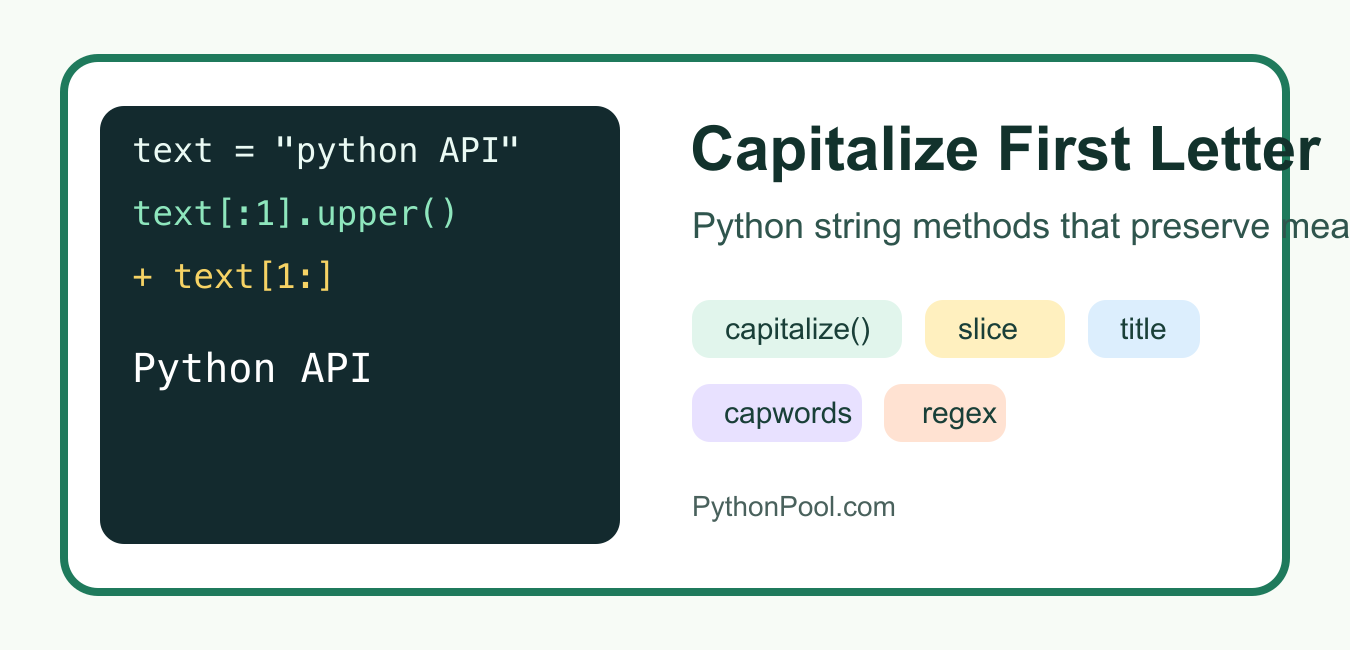
Capitalize the first letter in Python with capitalize(), slicing, title(), and Unicode-aware rules for strings and words.
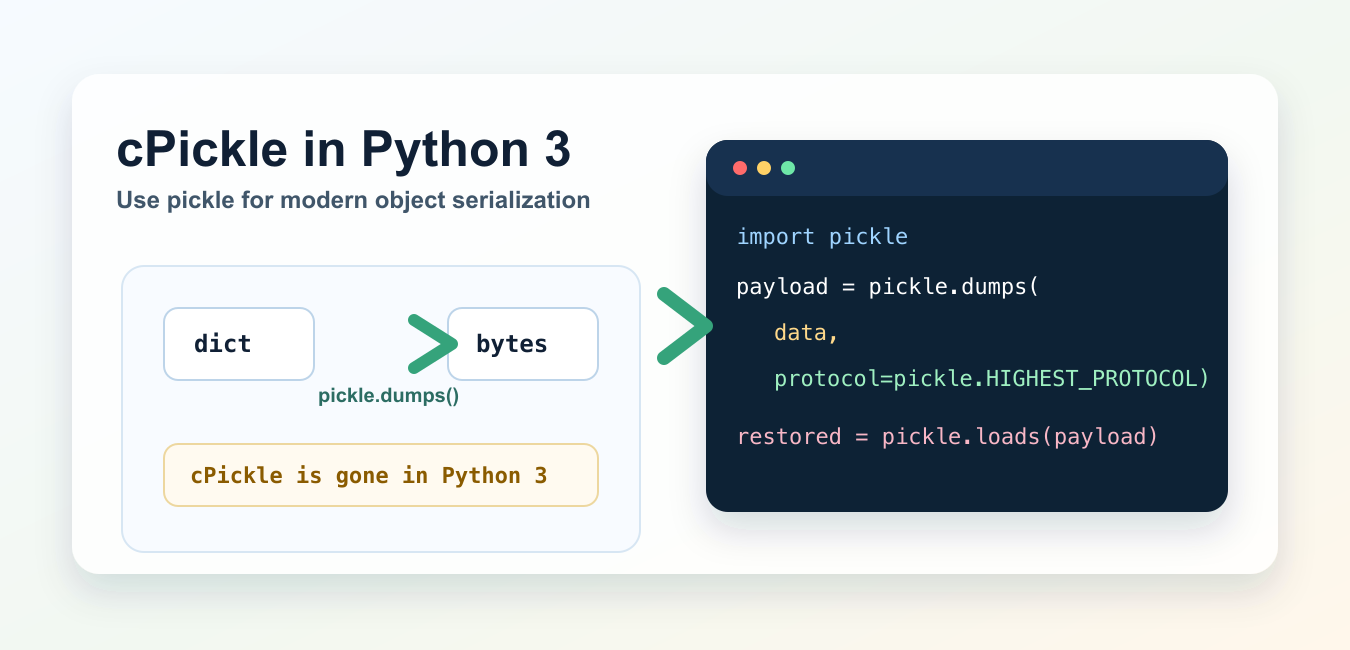
Replace cPickle in Python 3 with pickle, migrate dumps and loads code, and avoid unsafe unpickling when handling serialized data.
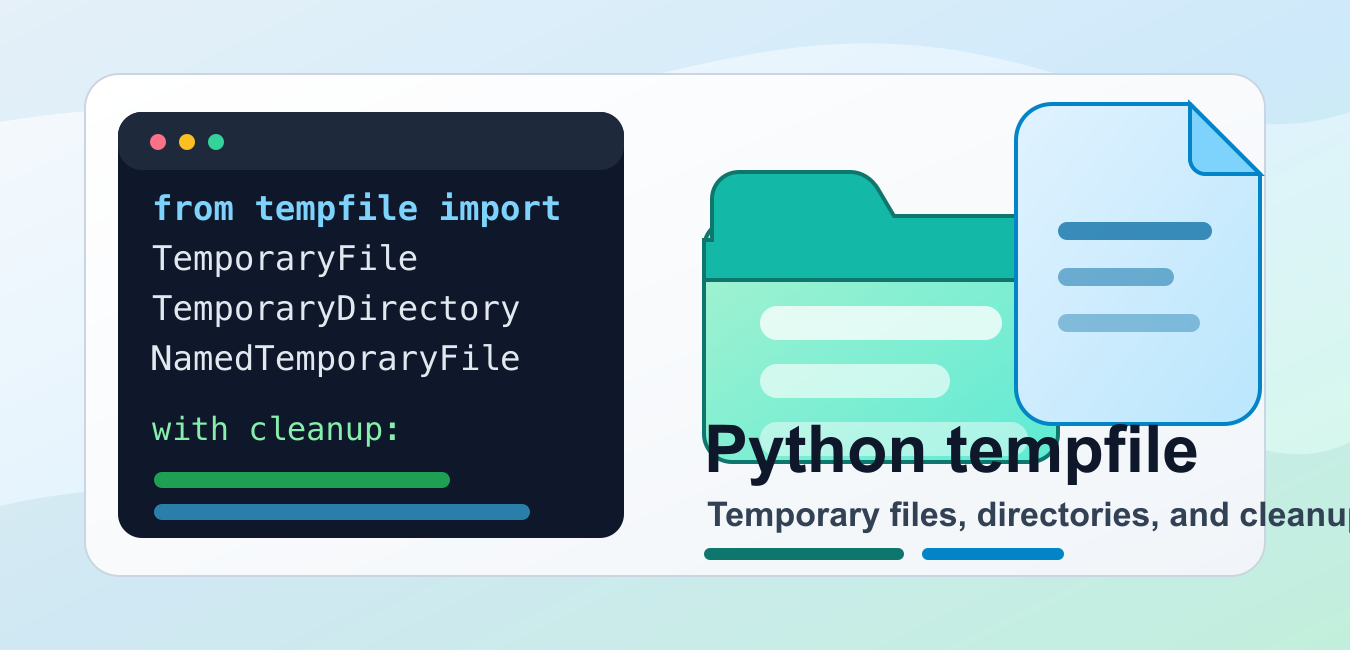
Create temporary files and directories safely with Python tempfile, including NamedTemporaryFile, TemporaryDirectory, cleanup, and permissions.
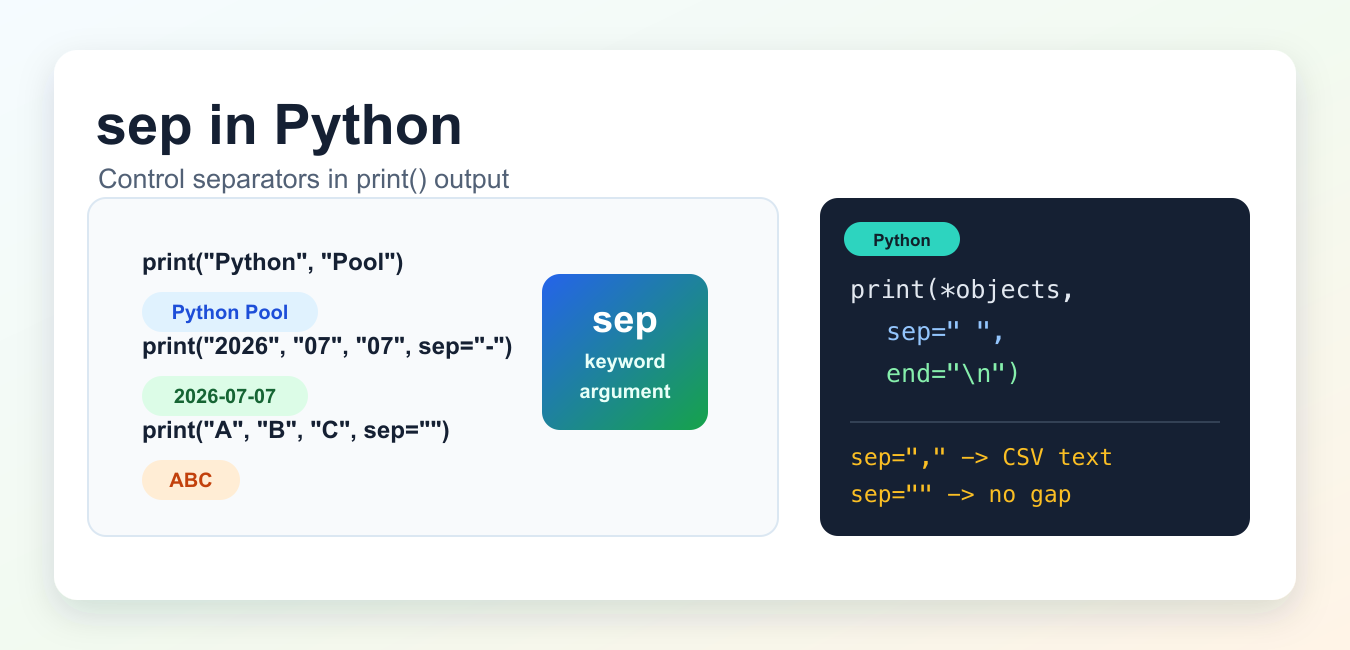
Use sep in Python print() to control spaces, tabs, newlines, CSV-style output, and when join() is better.
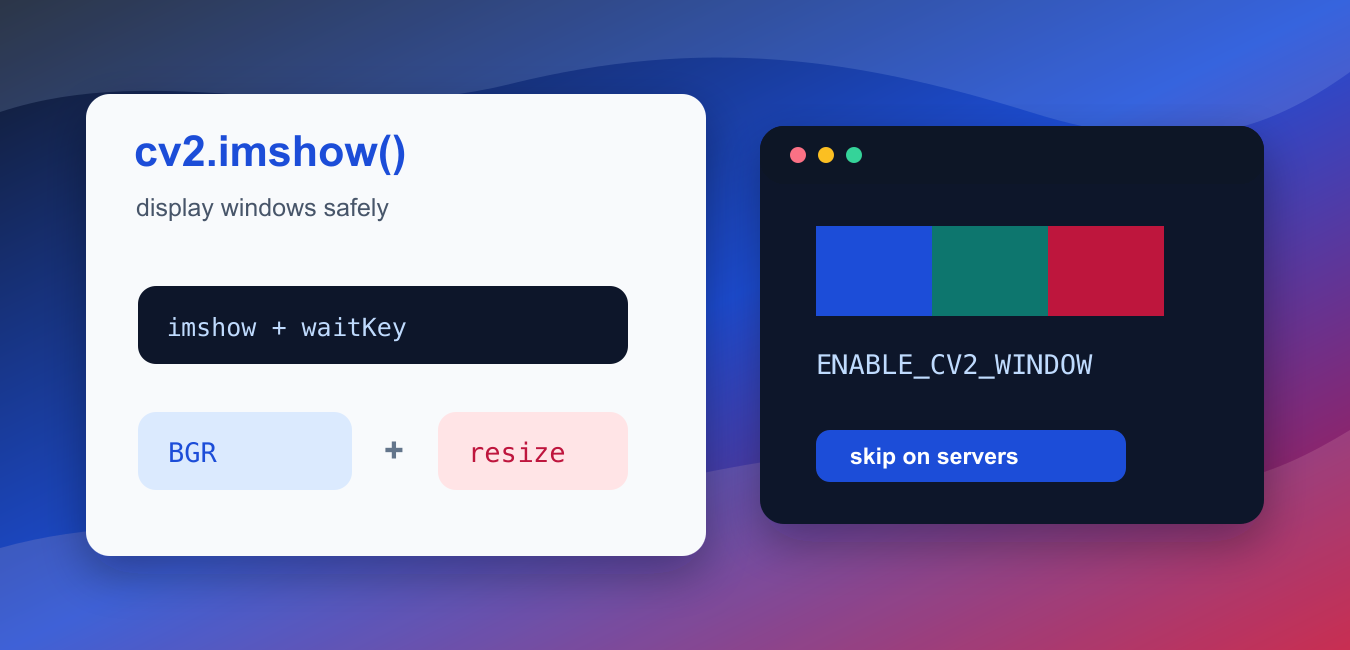
Use OpenCV cv2.imshow() with waitKey(), destroyAllWindows(), valid image checks, and headless-safe alternatives for Python image workflows.
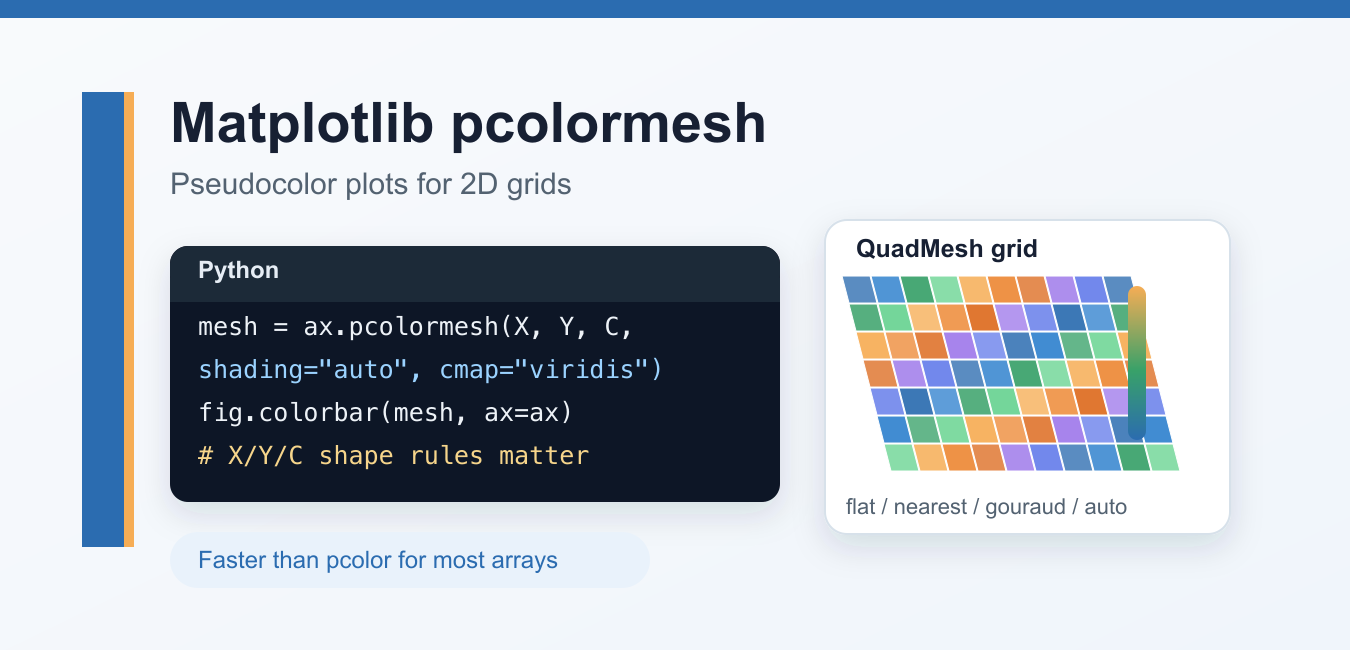
Use Matplotlib pcolormesh for 2D grids with correct X, Y, C dimensions, shading modes, colorbars, and uneven coordinate spacing.
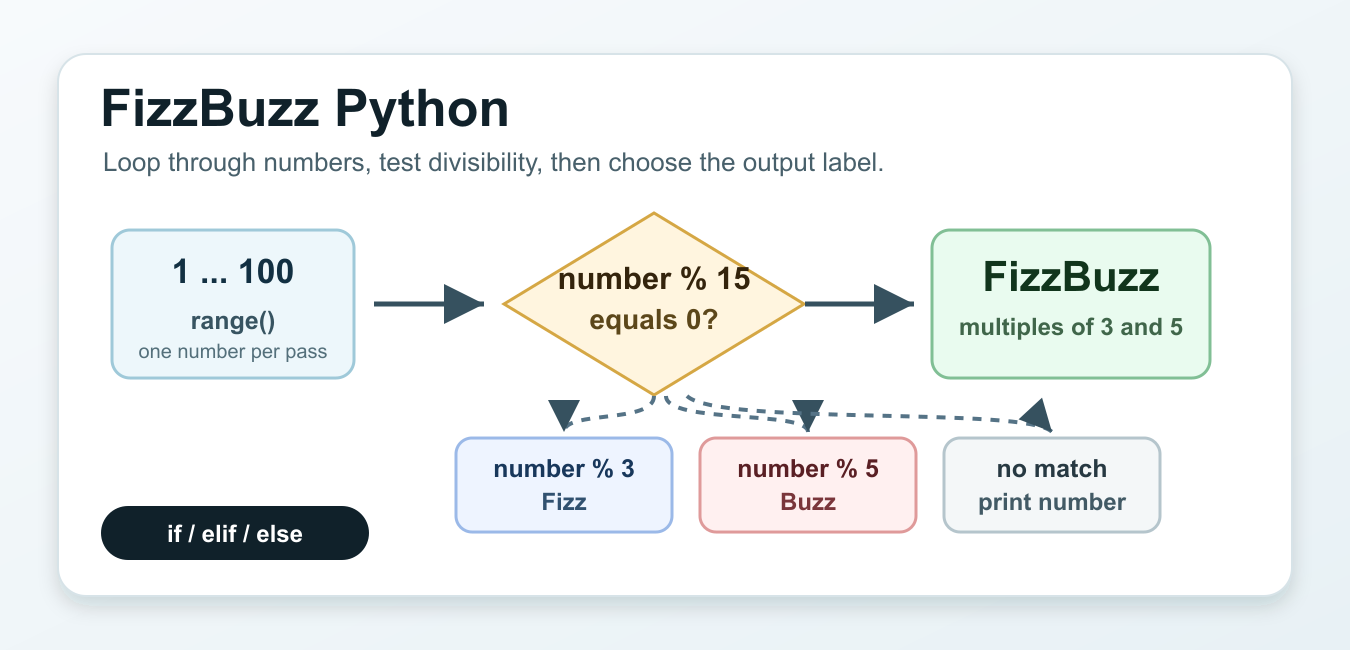
Write FizzBuzz in Python with readable condition order, modulo tests, range boundaries, reusable functions, and testable output.