Python Static Variables: Class Attributes, Constants, and Shared State
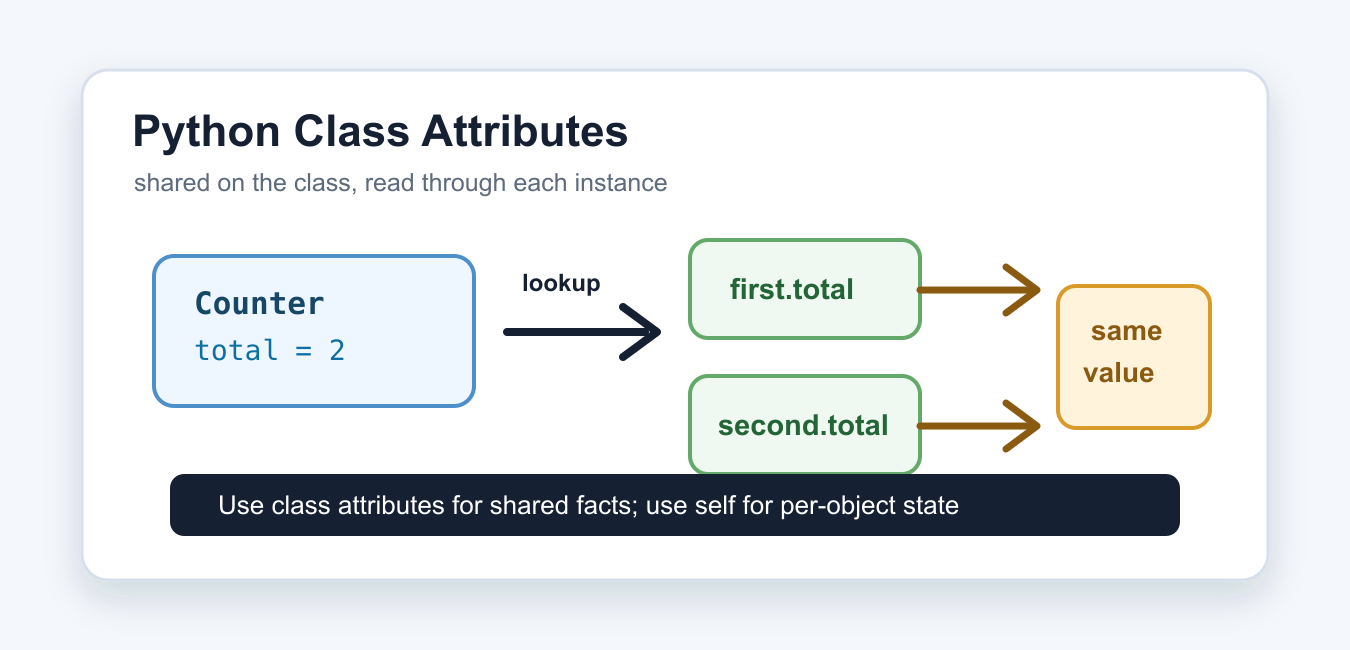
Understand Python static variables through class attributes, instance attributes, class methods, constants, shared state, and safe design patterns.
Browse practical Python tutorials, error fixes, library guides, data science examples, and project ideas from Python Pool.
Understand Python static variables through class attributes, instance attributes, class methods, constants, shared state, and safe design patterns.
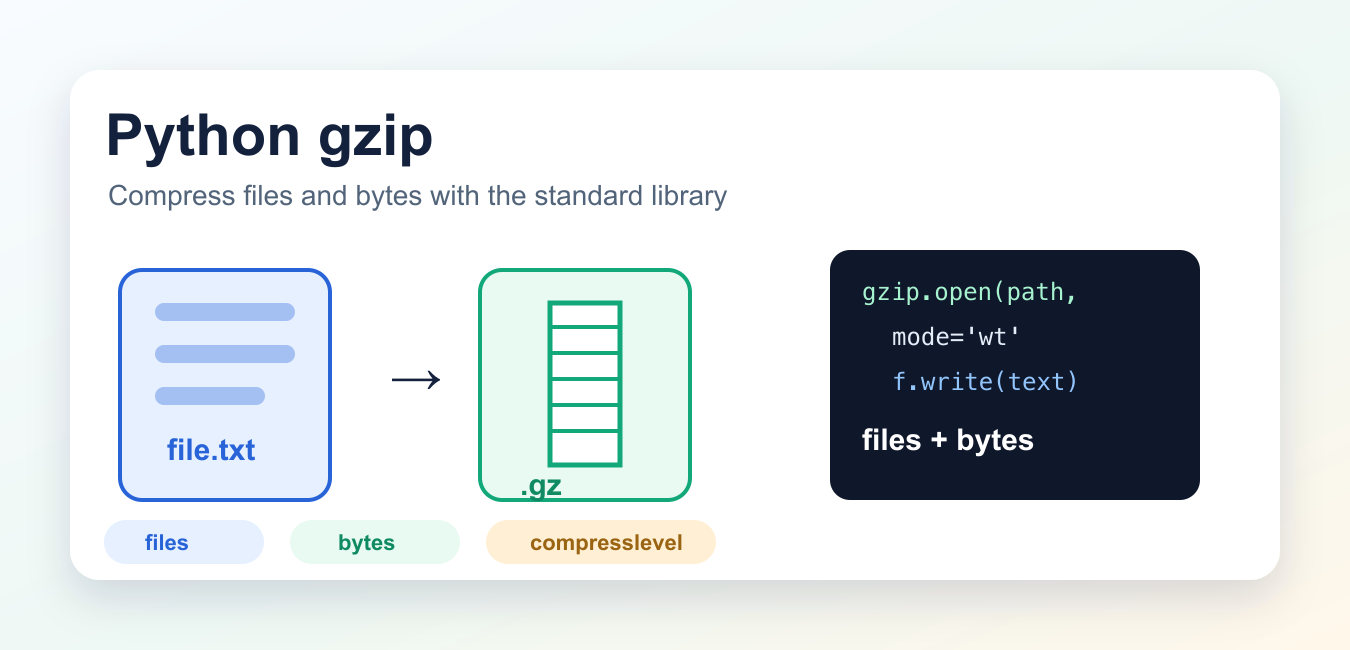
Use Python gzip.open(), compress(), and decompress() for text and binary files, choose compression levels, and handle corrupt gzip data.

Clear Matplotlib axes and figures with ax.clear(), fig.clear(), plt.cla(), plt.clf(), and plt.close() without leaking plot resources.
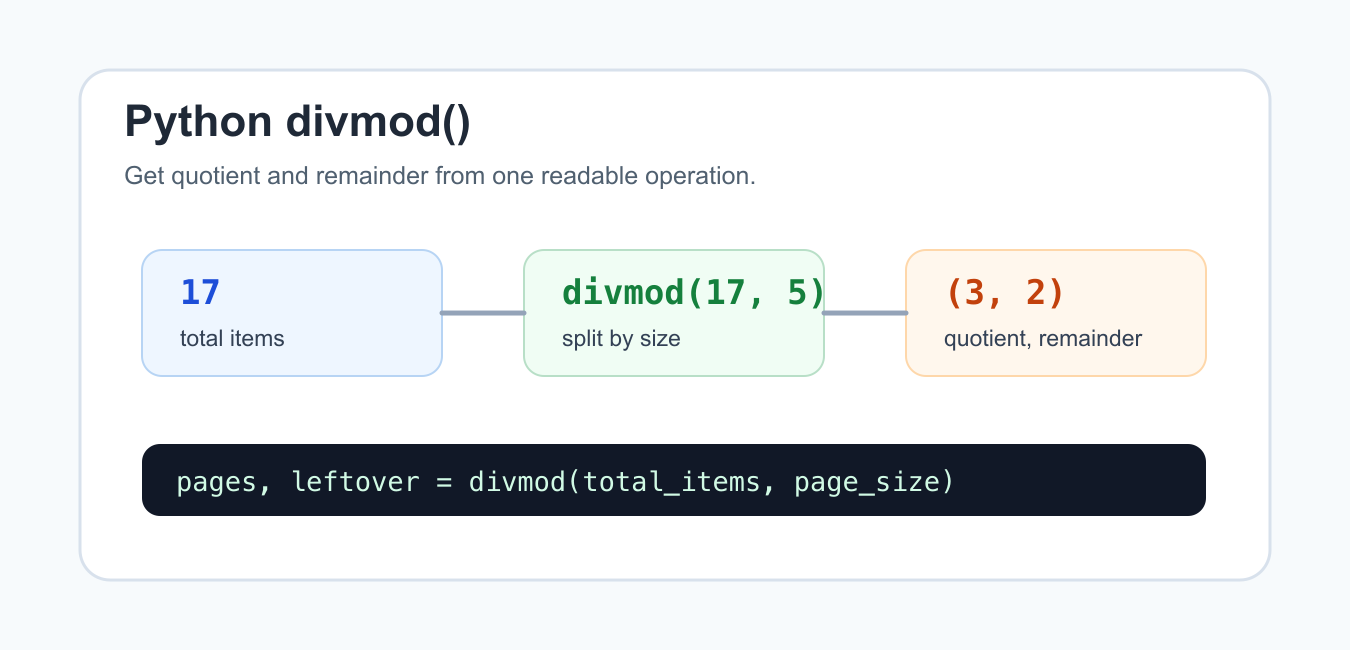
Use Python divmod for quotient and remainder together, understand floor division with negatives, guard zero divisors, and format time or chunks.

Sort Python tuples by one or more fields with sorted, sort, key functions, itemgetter, reverse order, and stable tie handling.

Use NumPy loadtxt to read delimited text into arrays with dtype, delimiter, skiprows, usecols, unpack, converters, and validation for real-world files.

Use numpy.log for elementwise natural logarithms while handling positive domains, zeros, negative values, dtypes, warnings, and stable numerical workflows.
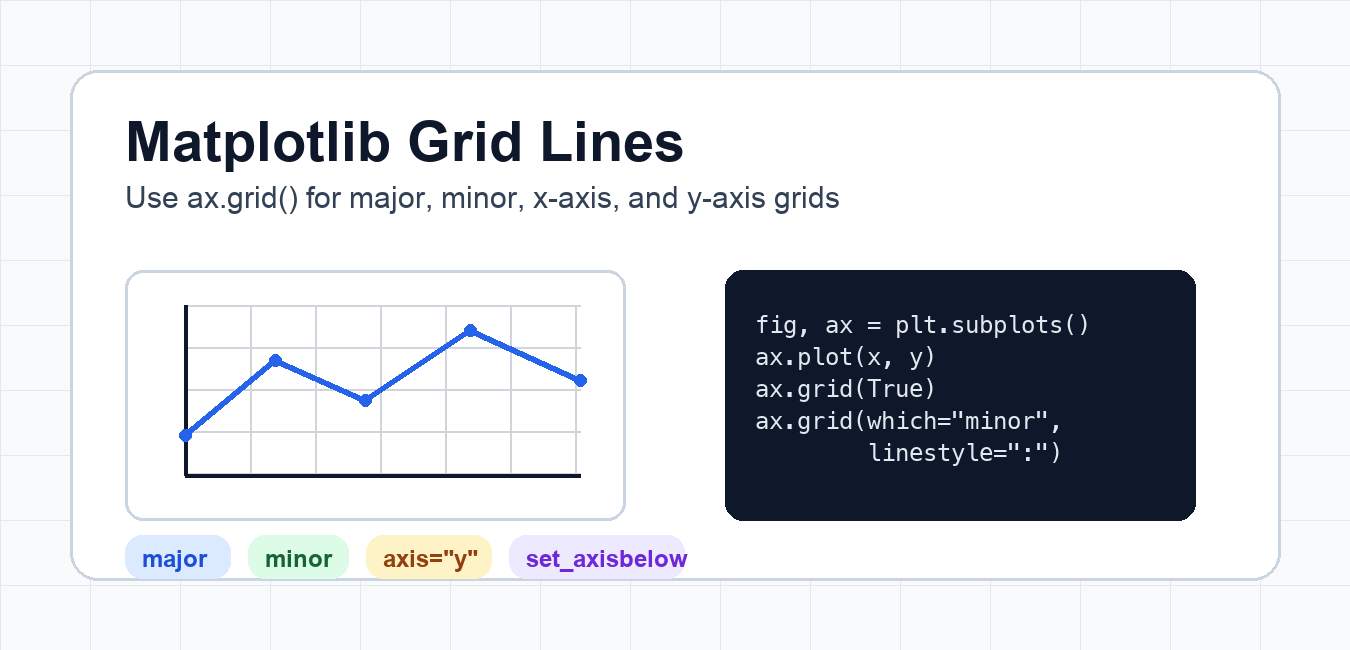
Use Matplotlib grid lines to support reading values, with deliberate major or minor ticks, axis selection, styling, and layering.

Learn NumPy ogrid with open-grid shapes, broadcasting, masks, complex steps, and comparisons with mgrid and meshgrid.
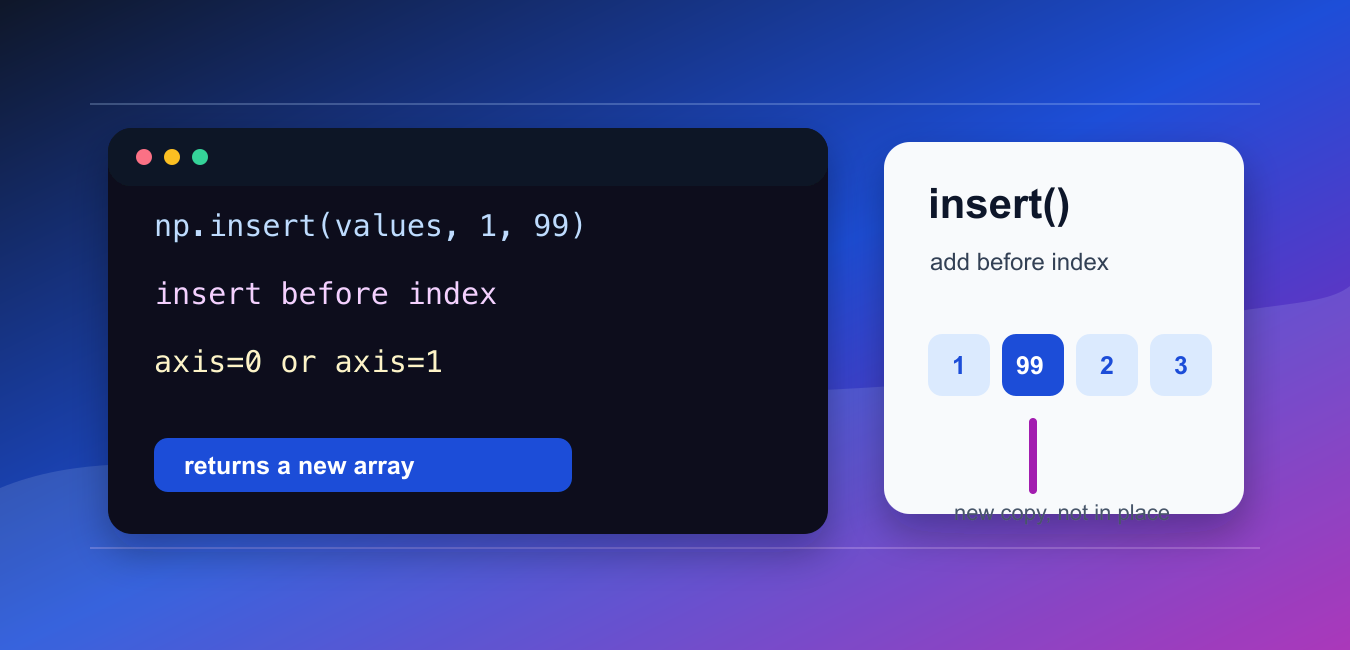
Use numpy.insert() to add values along an axis, understand its copy semantics, handle indices and broadcasting, and choose concatenate when it is clearer.