Python next(): Iterators, Defaults, and StopIteration
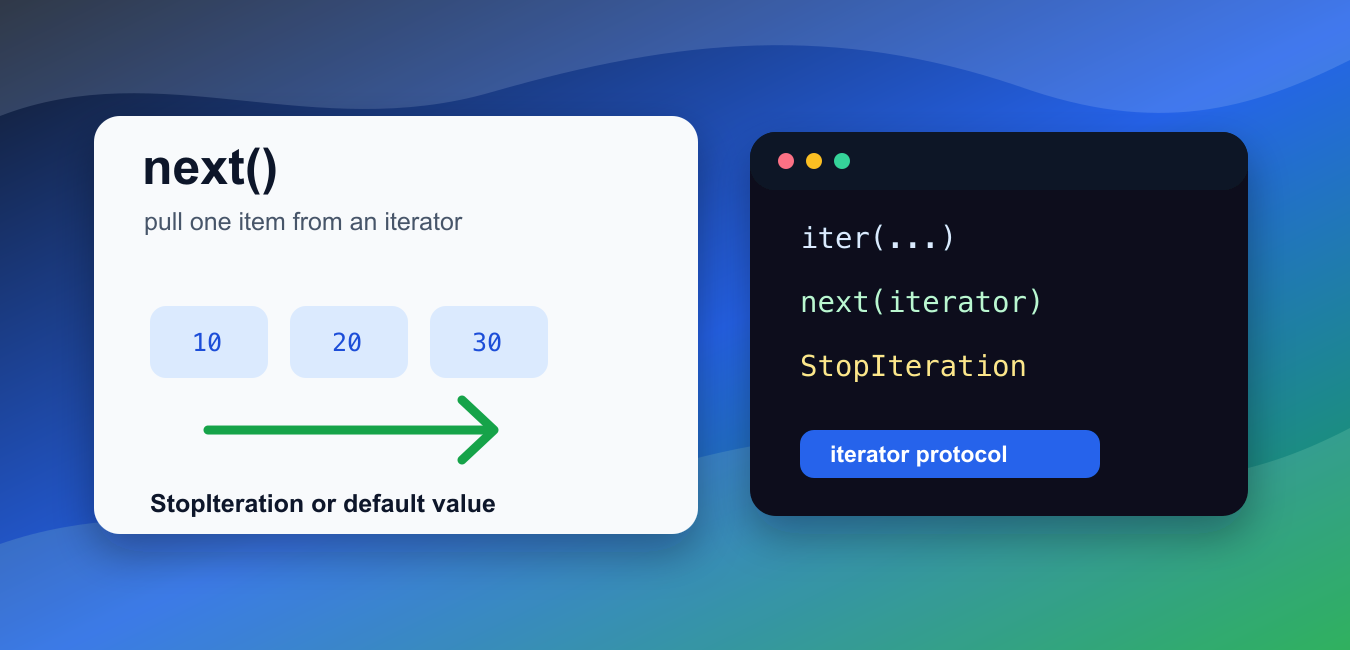
Read one item from an iterator with next(), choose a safe default, find first matches lazily, and understand exhaustion.
Browse practical Python tutorials, error fixes, library guides, data science examples, and project ideas from Python Pool.
Read one item from an iterator with next(), choose a safe default, find first matches lazily, and understand exhaustion.
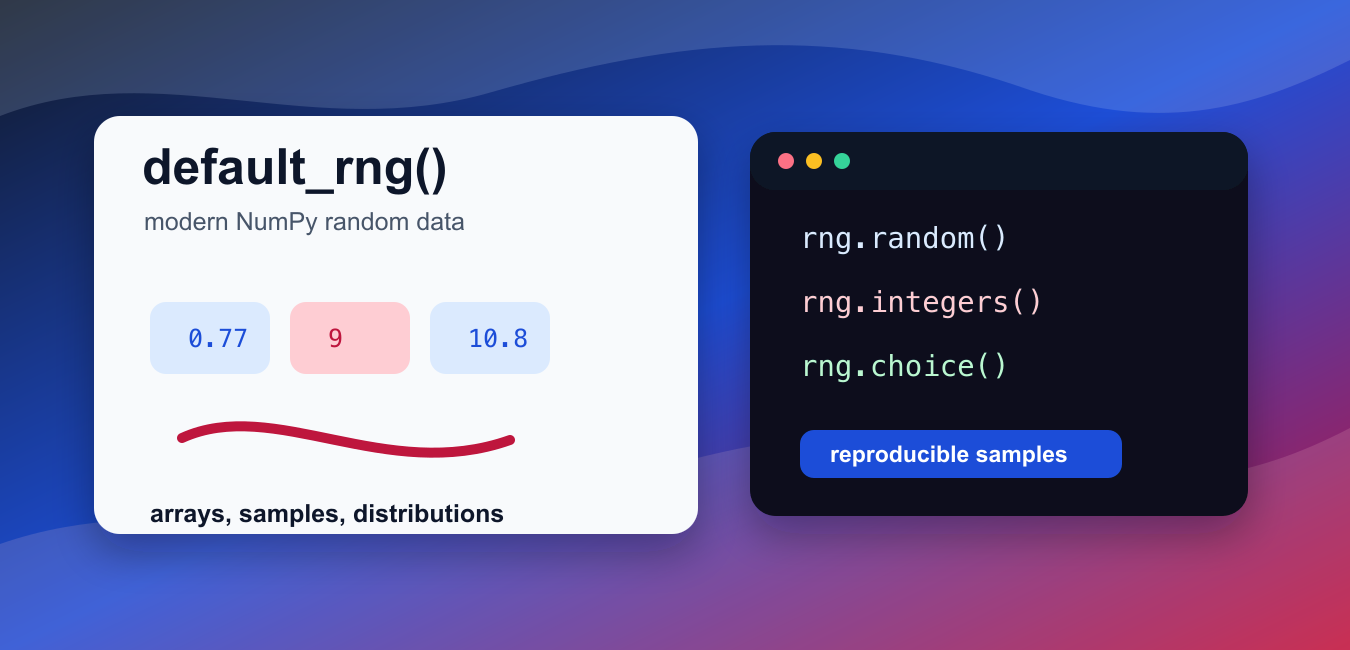
Use NumPy random generators with independent streams, seeds, distributions, reproducibility, and safe separation from cryptographic randomness.
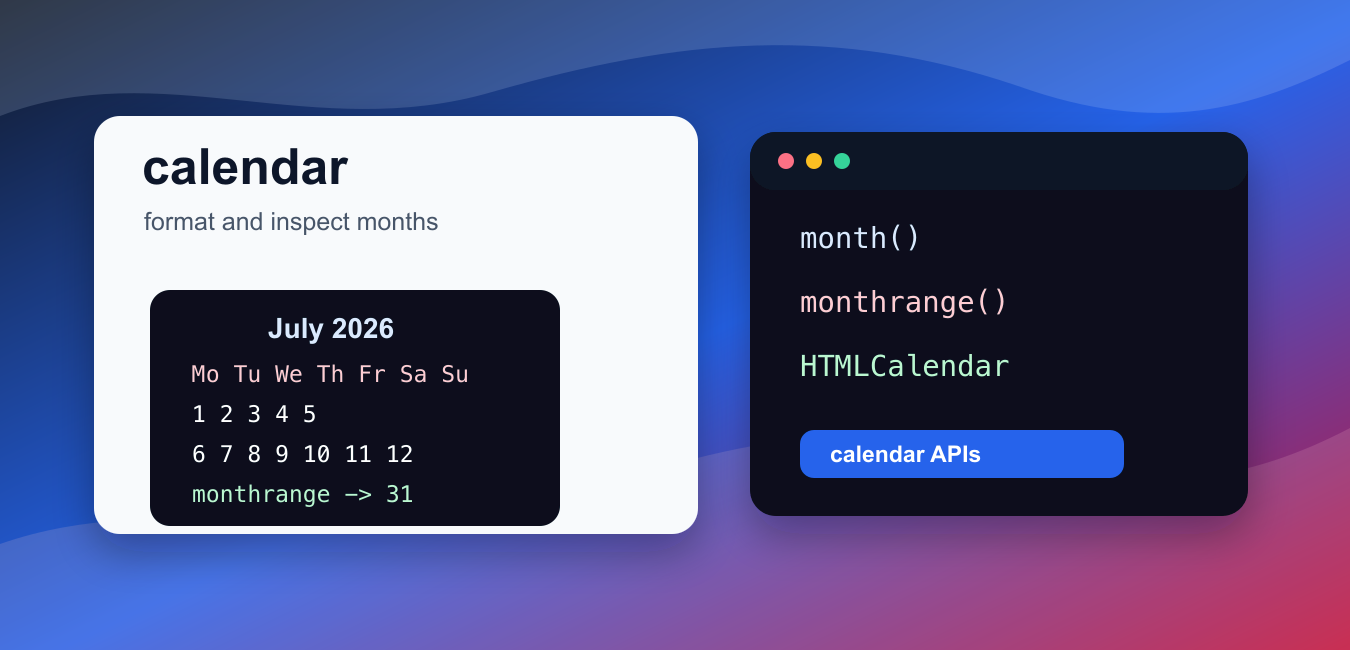
Use Python’s calendar module to print months, find weekdays, format calendars, and control the first weekday without confusing dates and indexes.
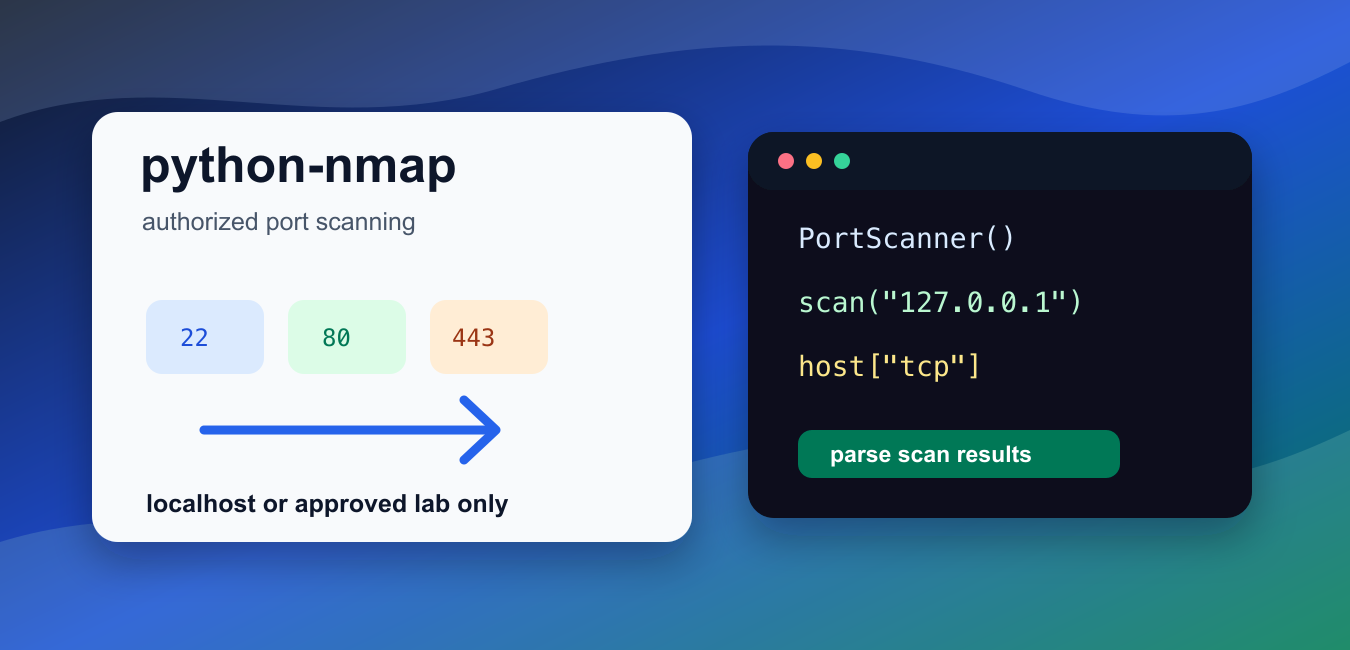
Learn python-nmap for authorized network inventory with explicit targets, Nmap installation checks, structured results, timeouts, and responsible scanning boundaries.
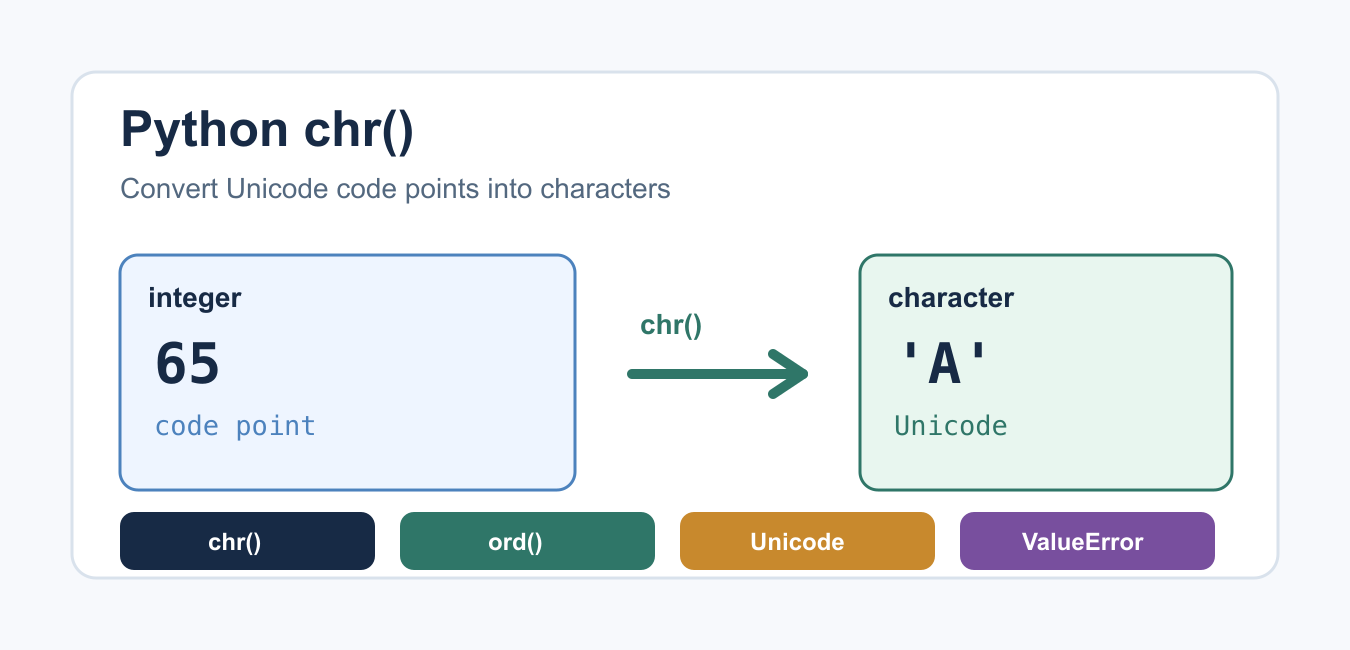
Learn Python chr() with Unicode code points, ord(), validation, printable text, errors, and safe handling of user-supplied integers.
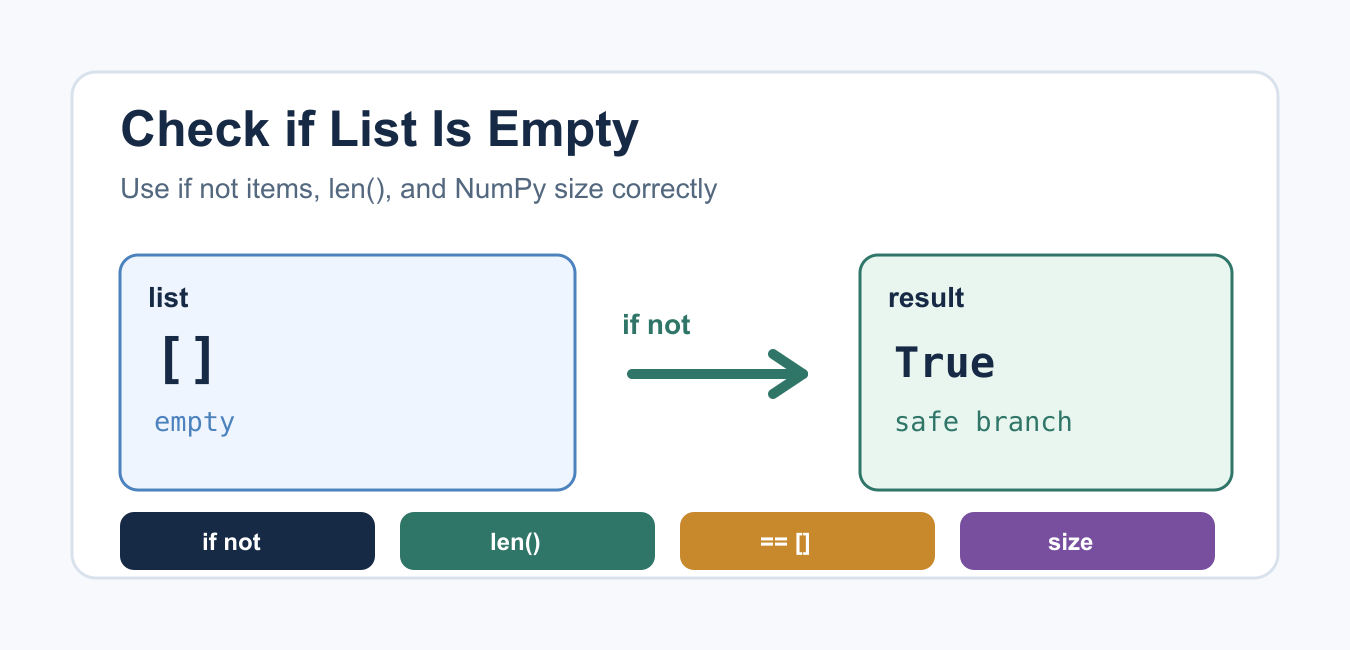
Check an ordinary Python list with if not items, use len() when the count matters, and use array.size for NumPy arrays.
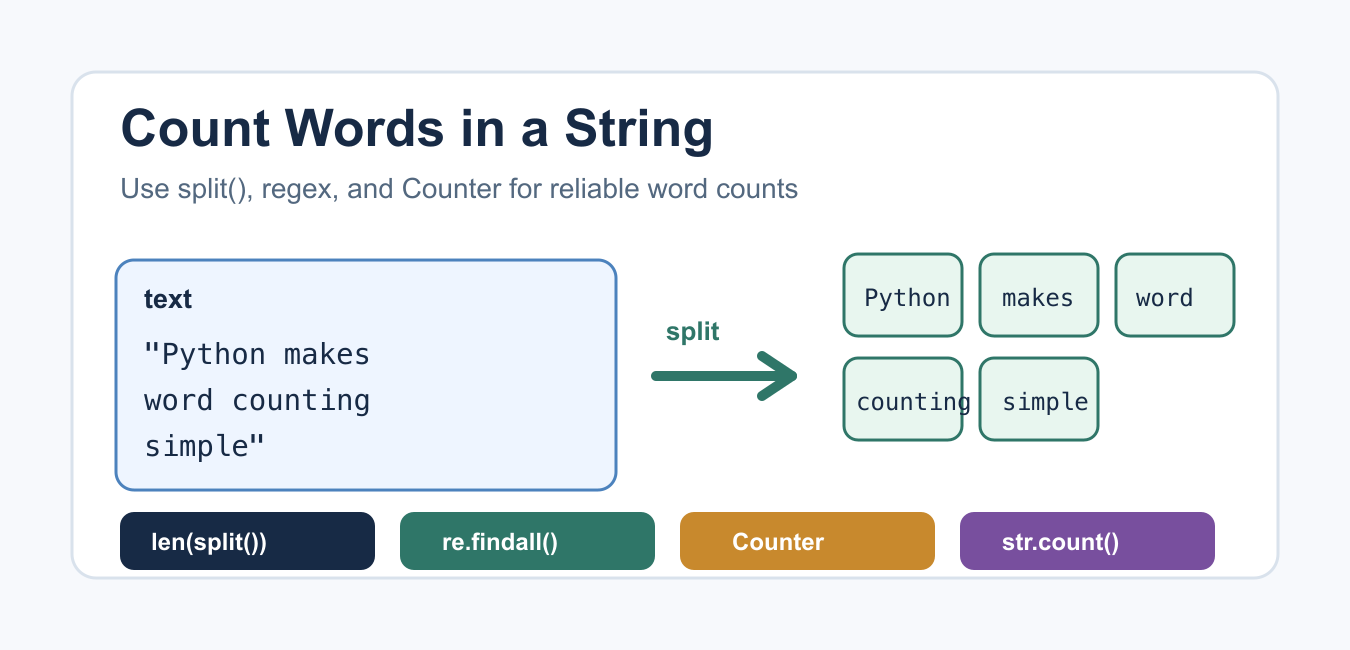
Count words in Python strings with split(), regular expressions, Counter, punctuation rules, Unicode text, and frequency analysis.
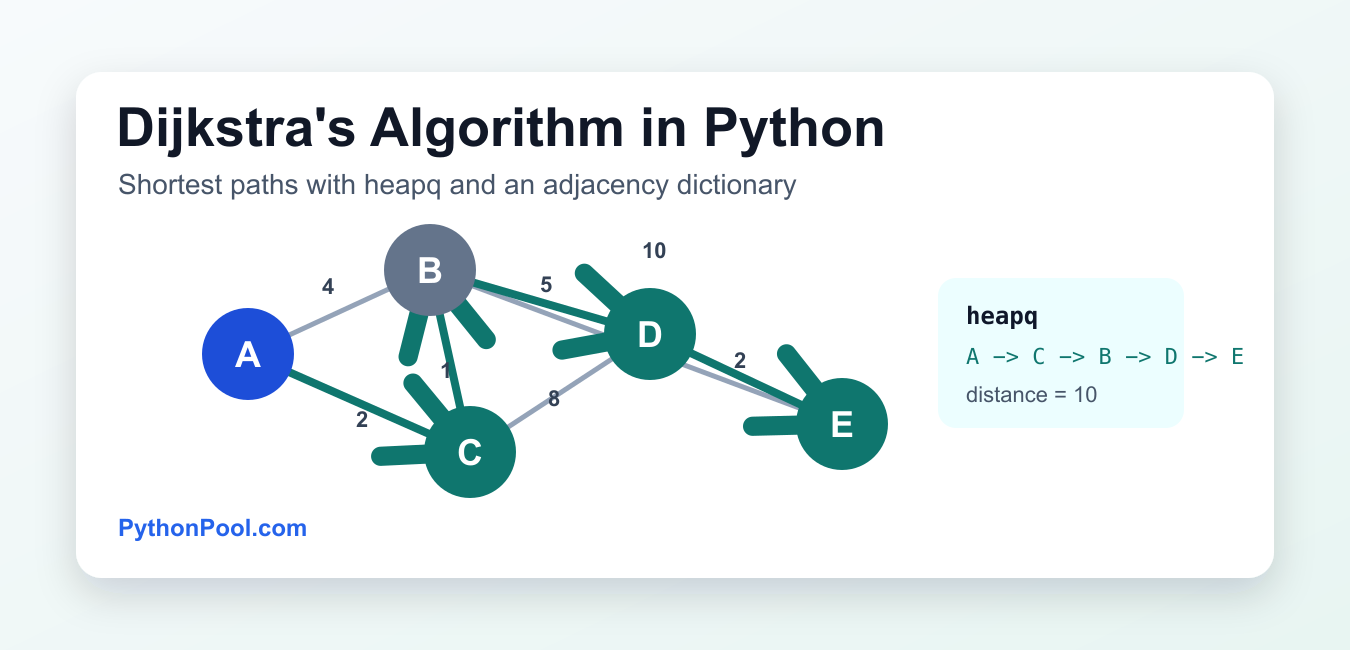
Implement Dijkstra’s shortest-path algorithm in Python with heapq, adjacency lists, distance updates, stale-entry checks, and non-negative edge weights.
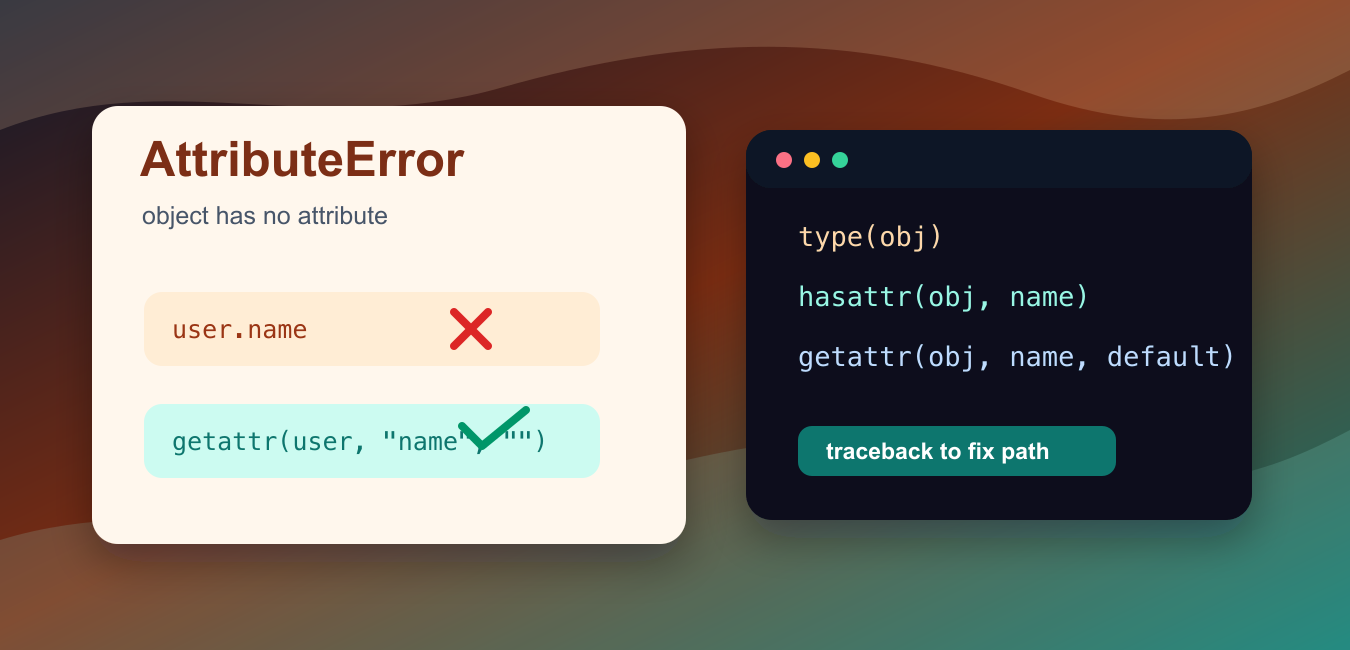
Treat AttributeError as an object-contract clue: inspect the value, method syntax, spelling, optional API, and library version before adding a fallback.
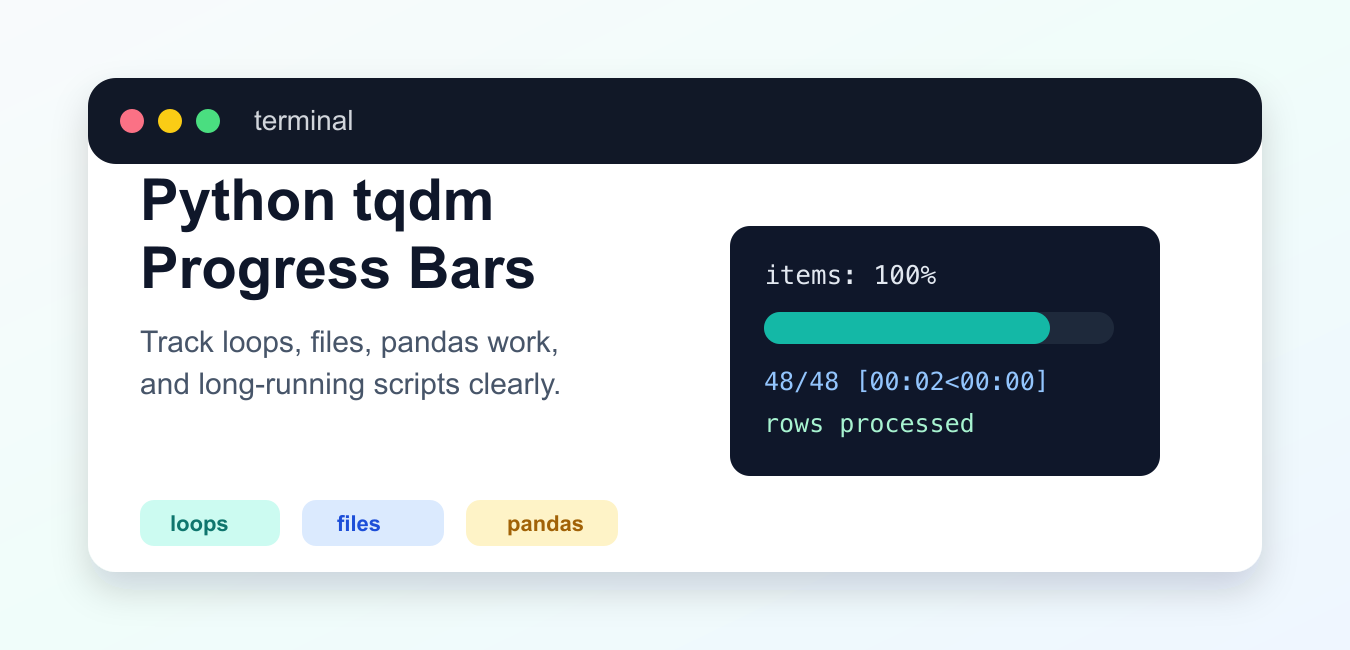
Add useful tqdm progress bars to Python loops, files, and pandas while keeping units, estimates, and automated logs readable.