Matplotlib imshow(): Arrays, Colormaps, and Image Display
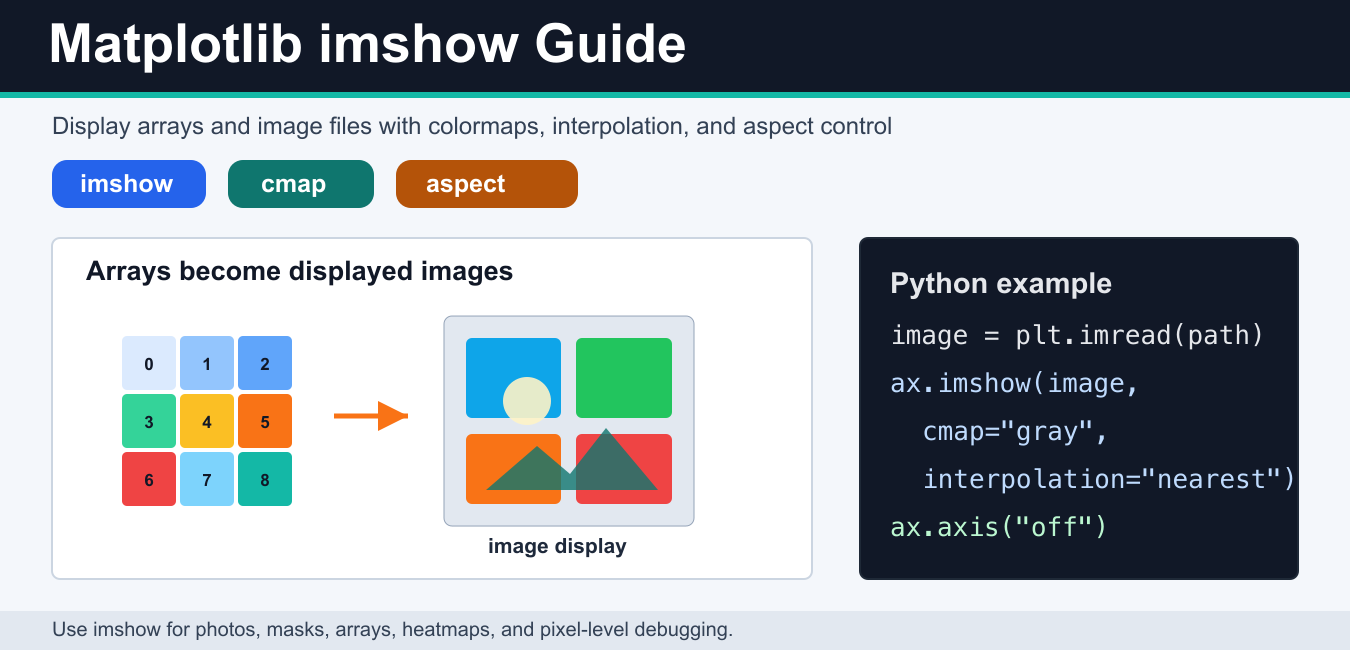
Display images, heatmaps, masks, and arrays with imshow() while controlling color scale, coordinates, interpolation, and aspect.
Browse practical Python tutorials, error fixes, library guides, data science examples, and project ideas from Python Pool.
Display images, heatmaps, masks, and arrays with imshow() while controlling color scale, coordinates, interpolation, and aspect.
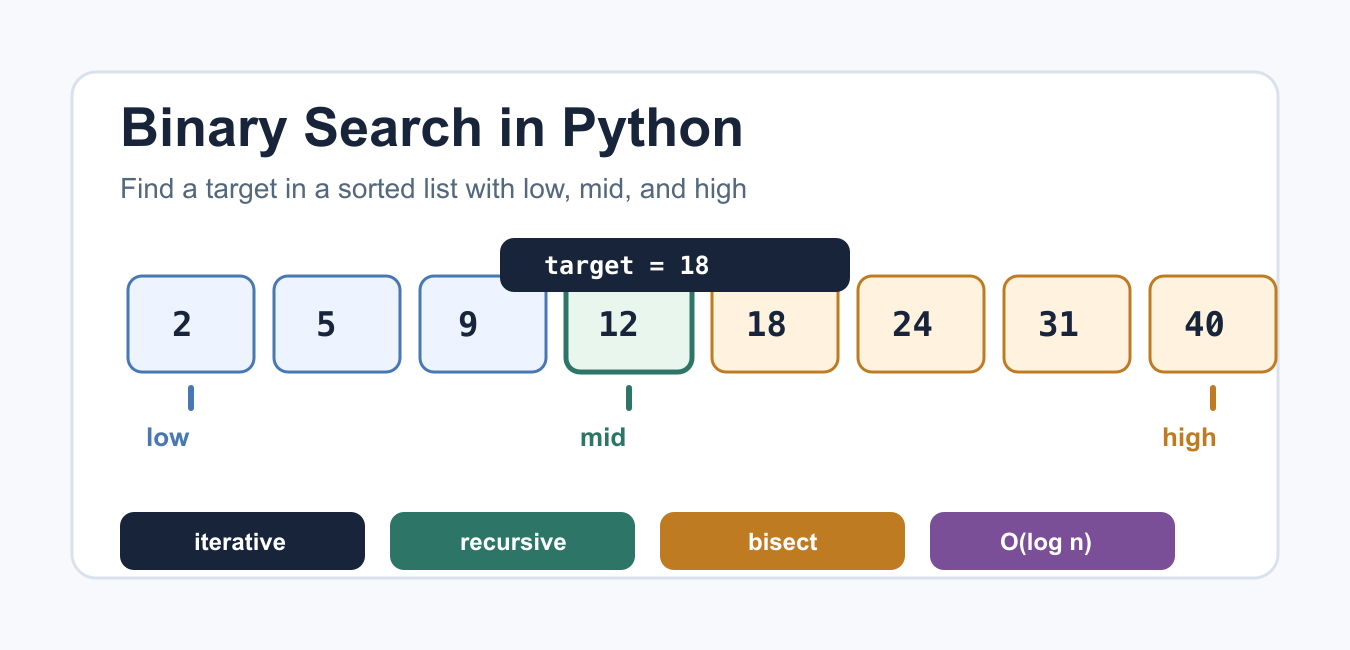
Implement binary search in Python with bisect or explicit bounds, preserve sorted-input invariants, and handle missing values and duplicate matches correctly.
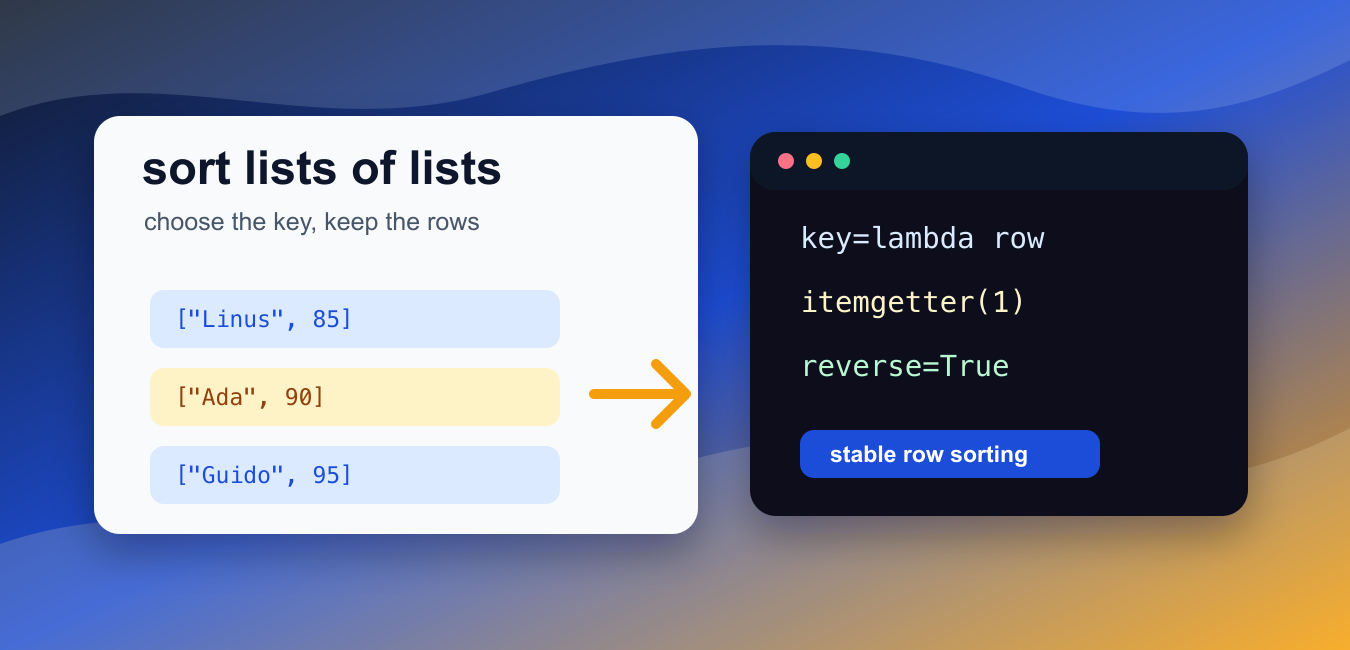
Sort a Python list of lists by an index, length, sum, or multiple keys with sorted(), list.sort(), and operator.itemgetter while preserving clear mutation semantics.
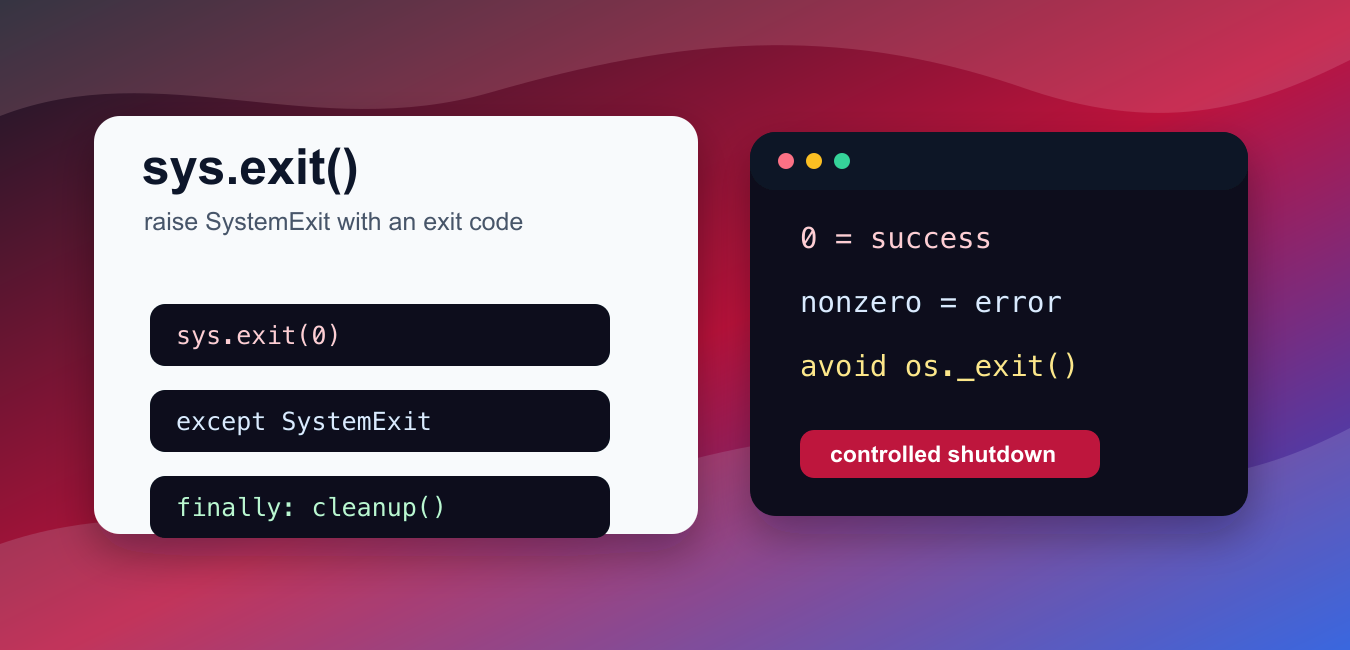
sys.exit raises SystemExit; the interpreter exits in the main thread unless code catches it, and finally blocks still run.
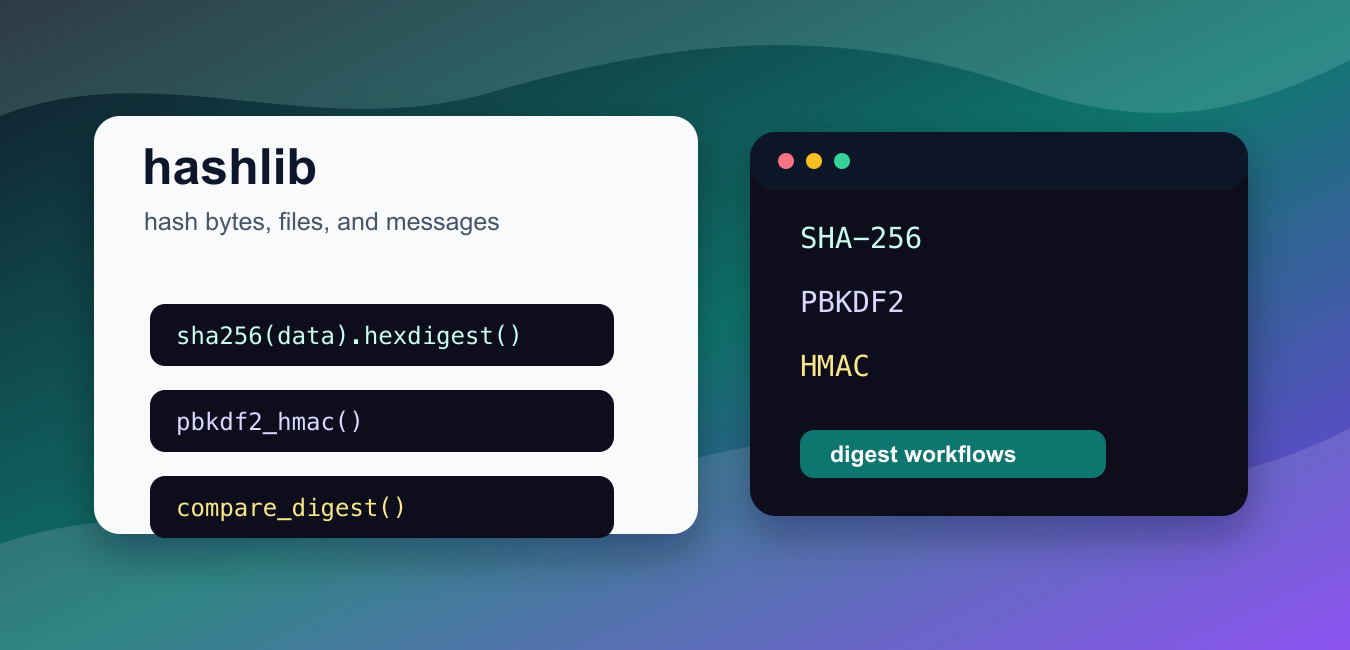
Use Python hashlib for SHA-256 and file checksums, stream large files, compare digests safely, and avoid using fast hashes for passwords.
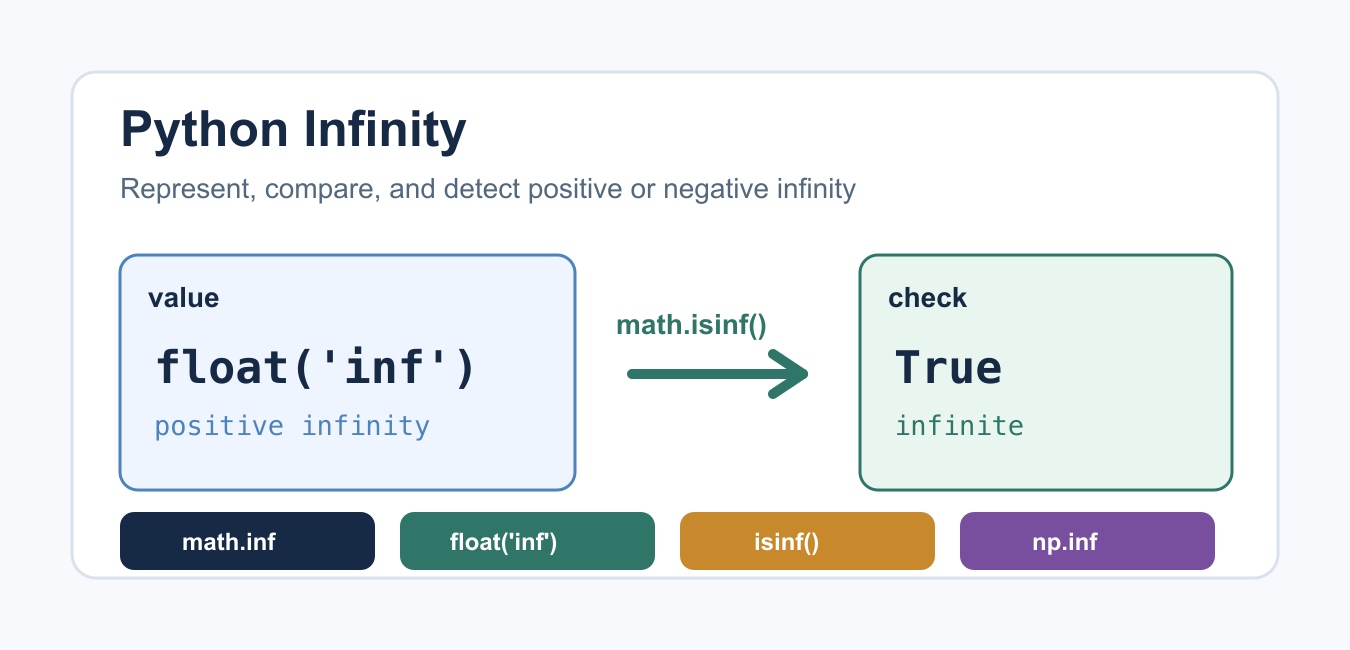
Represent and test infinity in Python with math.inf, float(‘inf’), isinf(), isfinite(), and isnan().
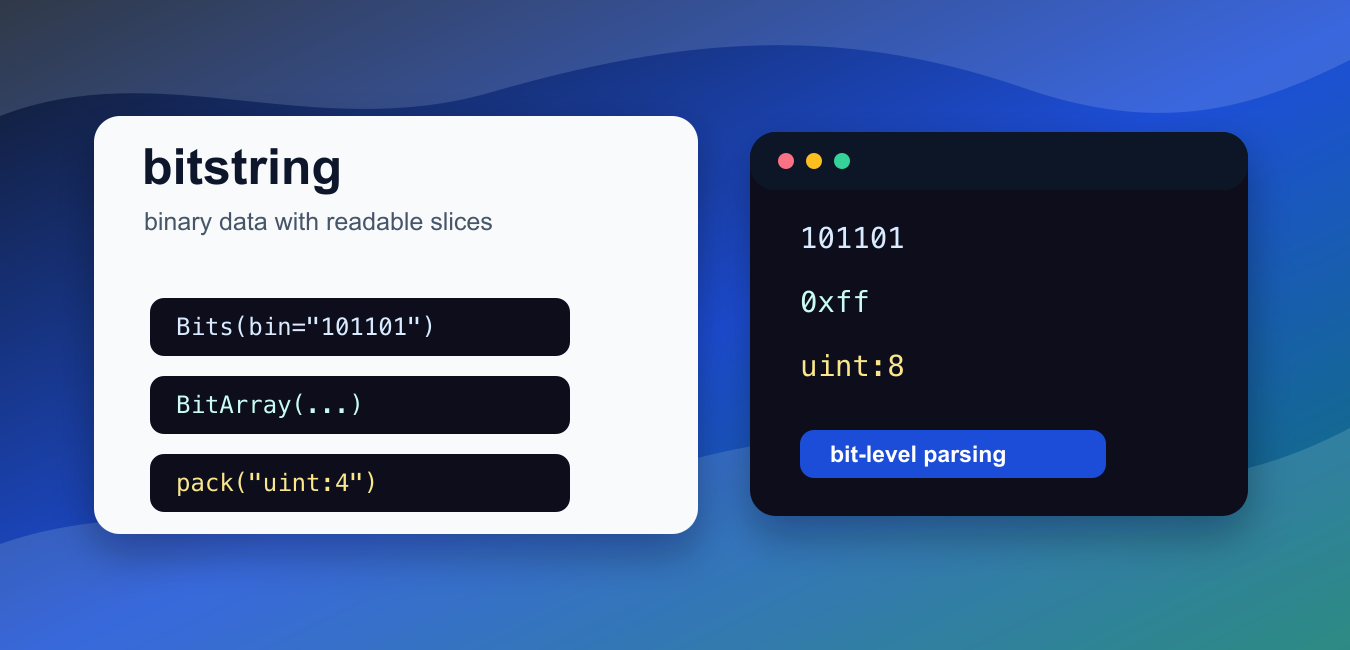
Use Python bitstring tools to parse binary fields, control endianness and offsets, convert values explicitly, and validate input before decoding packets.
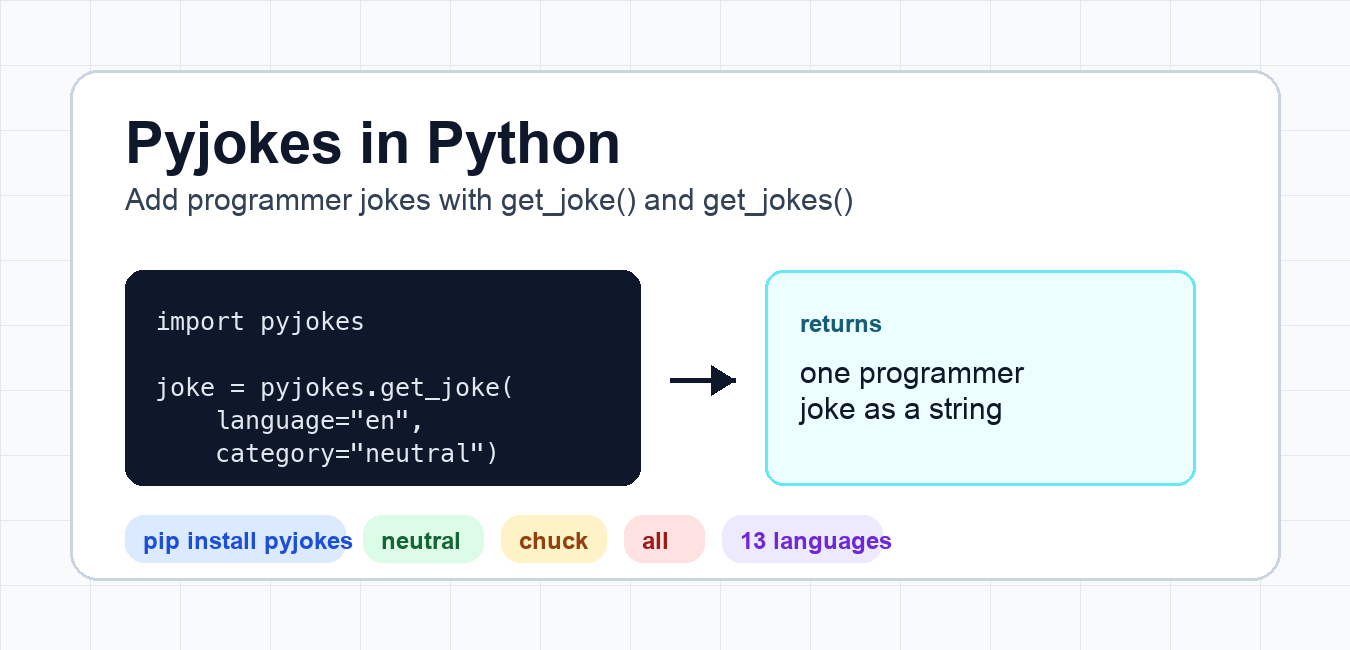
Use the pyjokes Python package to return one or more programmer jokes, choose supported languages and categories, and build a small command-line demo.
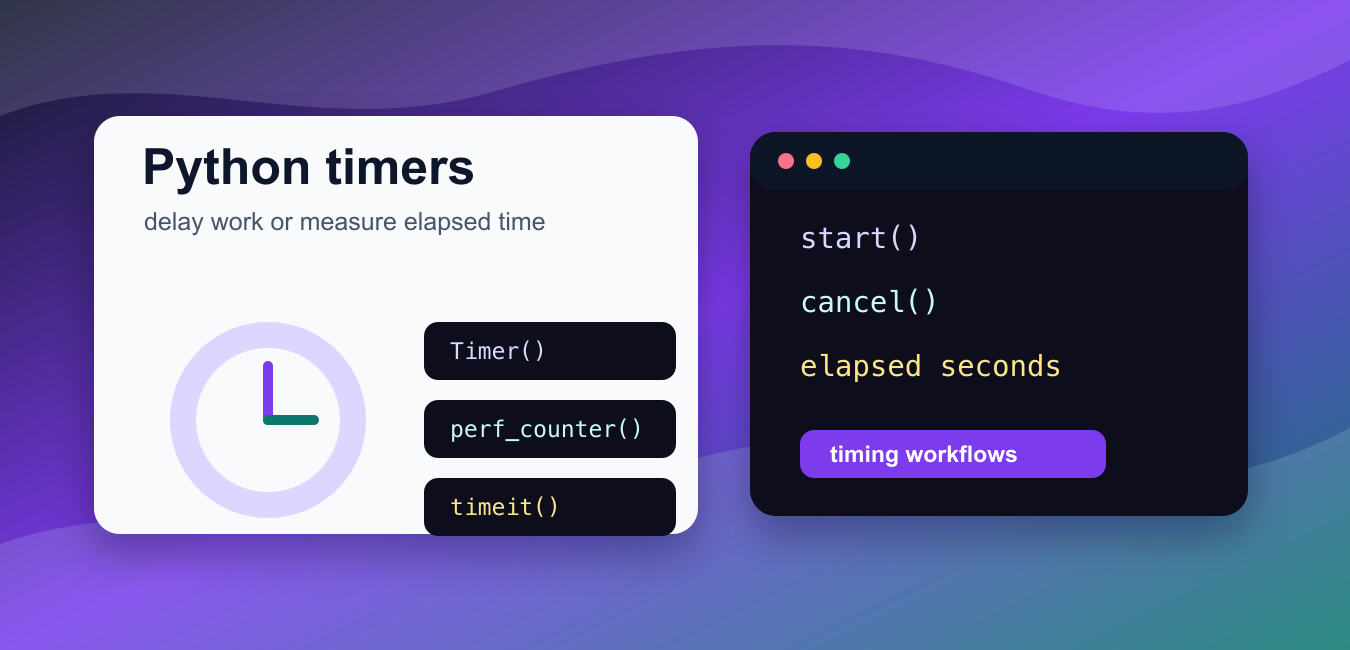
Compare threading.Timer, time.perf_counter(), and timeit for delayed callbacks, elapsed duration, repeatable benchmarks, and timeouts.

Use np.mean() deliberately by choosing the reduction axis, accumulator precision, output shape, and missing-value policy for your array.