Python bitstring: Read and Build Binary Data Safely
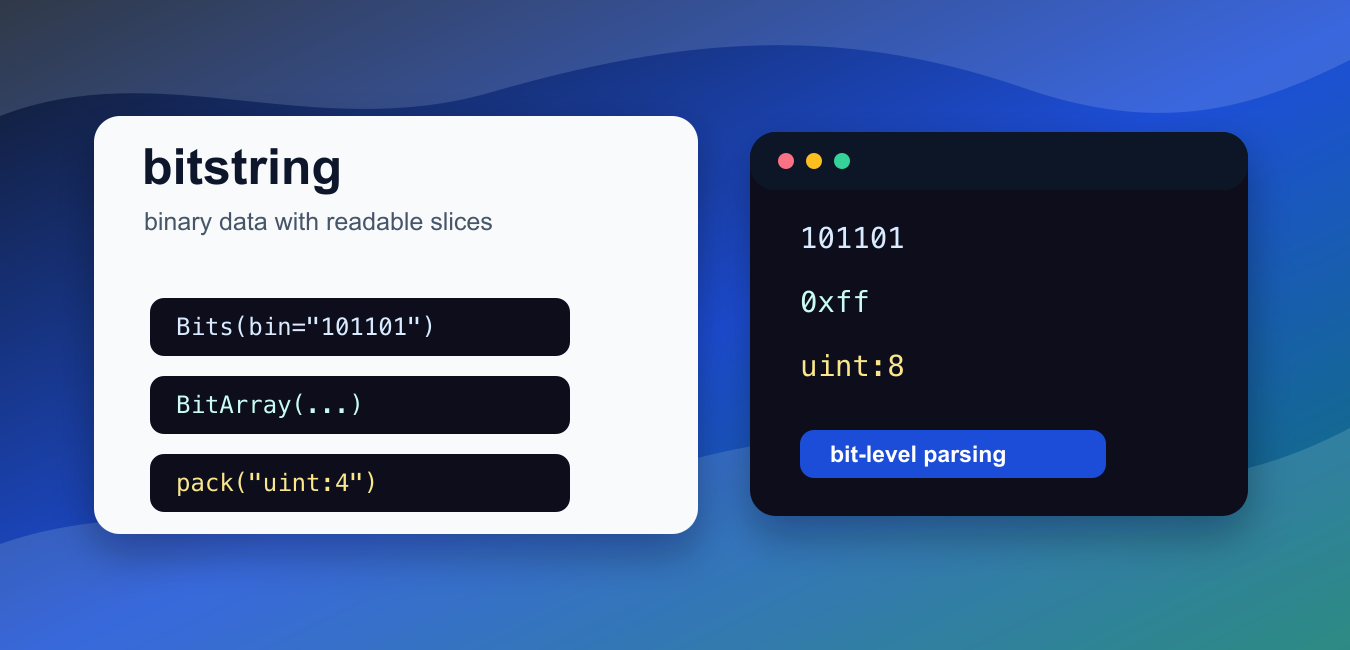
Use Python bitstring tools to parse binary fields, control endianness and offsets, convert values explicitly, and validate input before decoding packets.
Follow Python how-to guides for common coding tasks, file handling, strings, lists, environments, package setup, and practical workflow fixes.
Use Python bitstring tools to parse binary fields, control endianness and offsets, convert values explicitly, and validate input before decoding packets.
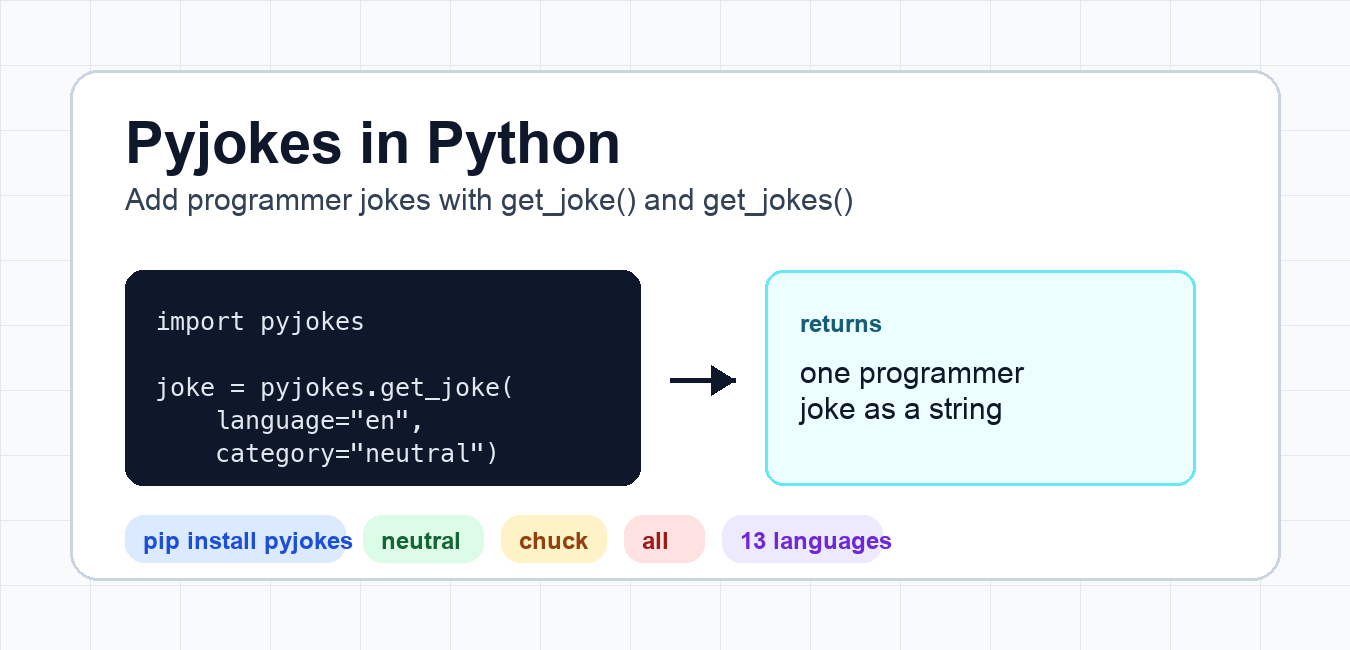
Use the pyjokes Python package to return one or more programmer jokes, choose supported languages and categories, and build a small command-line demo.
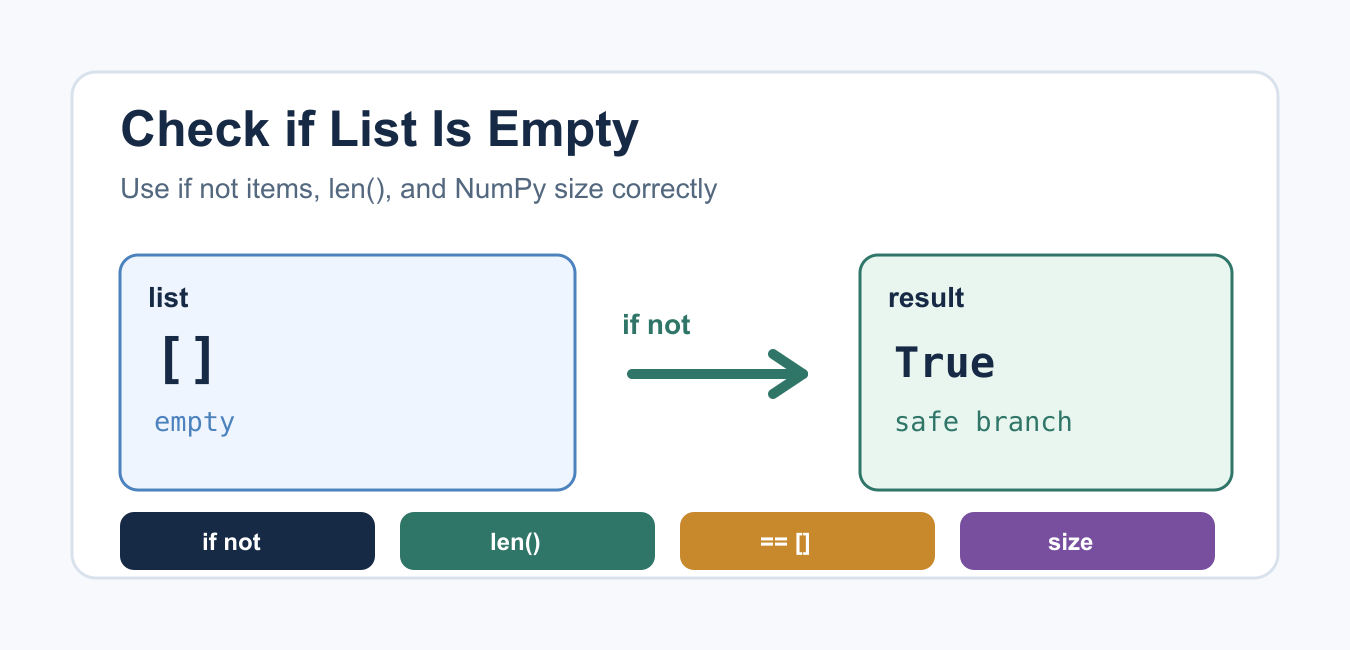
Check an ordinary Python list with if not items, use len() when the count matters, and use array.size for NumPy arrays.
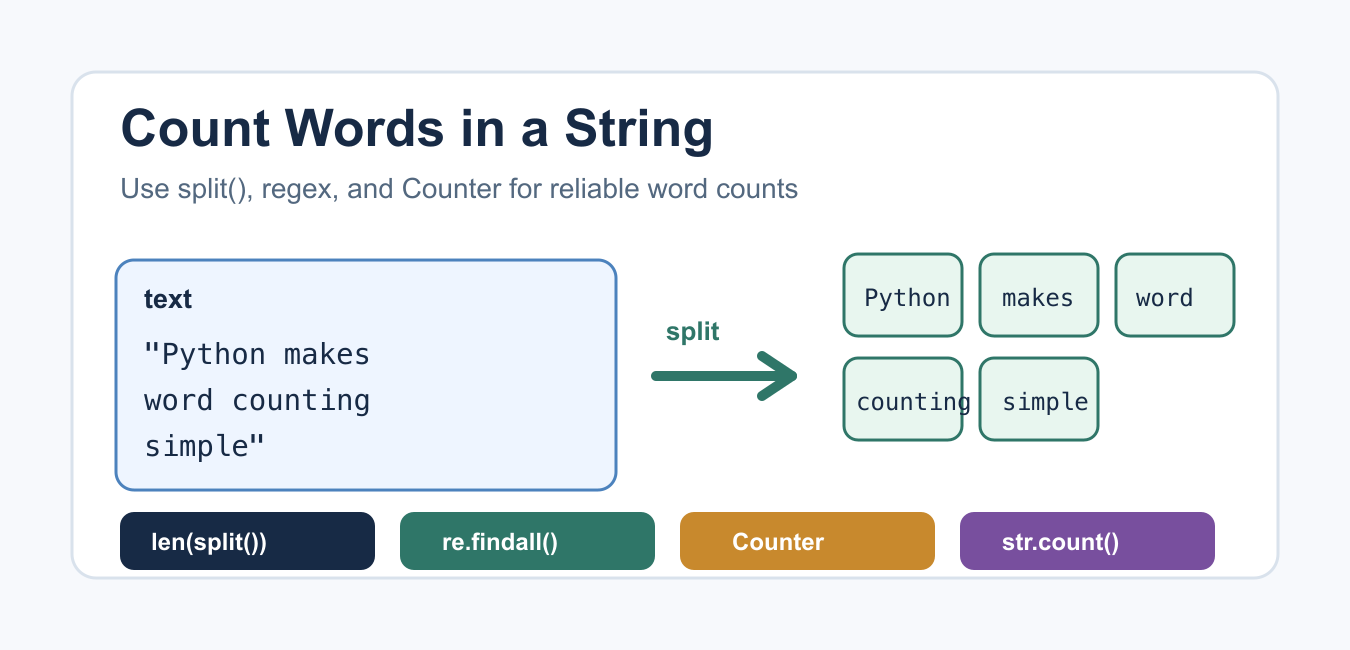
Count words in Python strings with split(), regular expressions, Counter, punctuation rules, Unicode text, and frequency analysis.

Find a Python list average with sum and len, statistics.mean, fmean, or NumPy while defining empty, missing, and weighted-data rules.

Use Python truncate() for files, os.truncate() for paths, math.trunc() for numbers, and slicing for strings and lists.
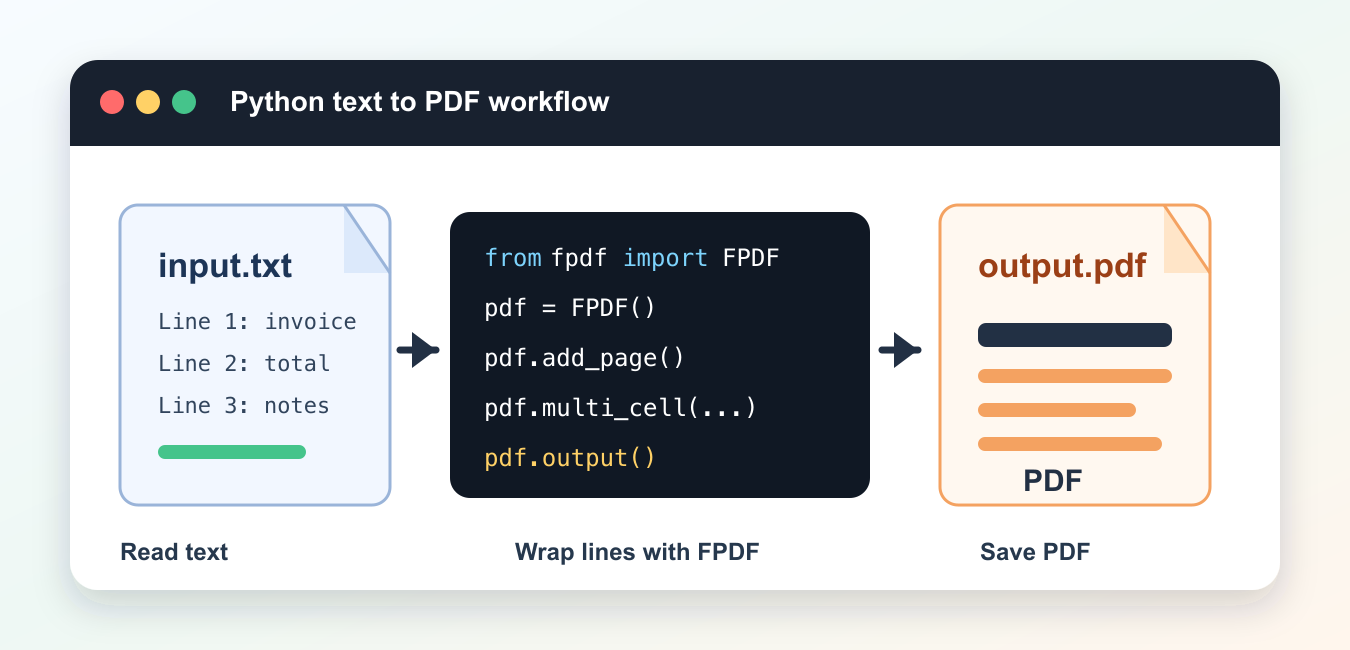
Convert text to PDF in Python with layout, fonts, Unicode, page breaks, libraries, and repeatable output validation.

Rename Python files safely by deciding collision, replacement, filesystem, permissions, and batch rollback behavior before changing paths.
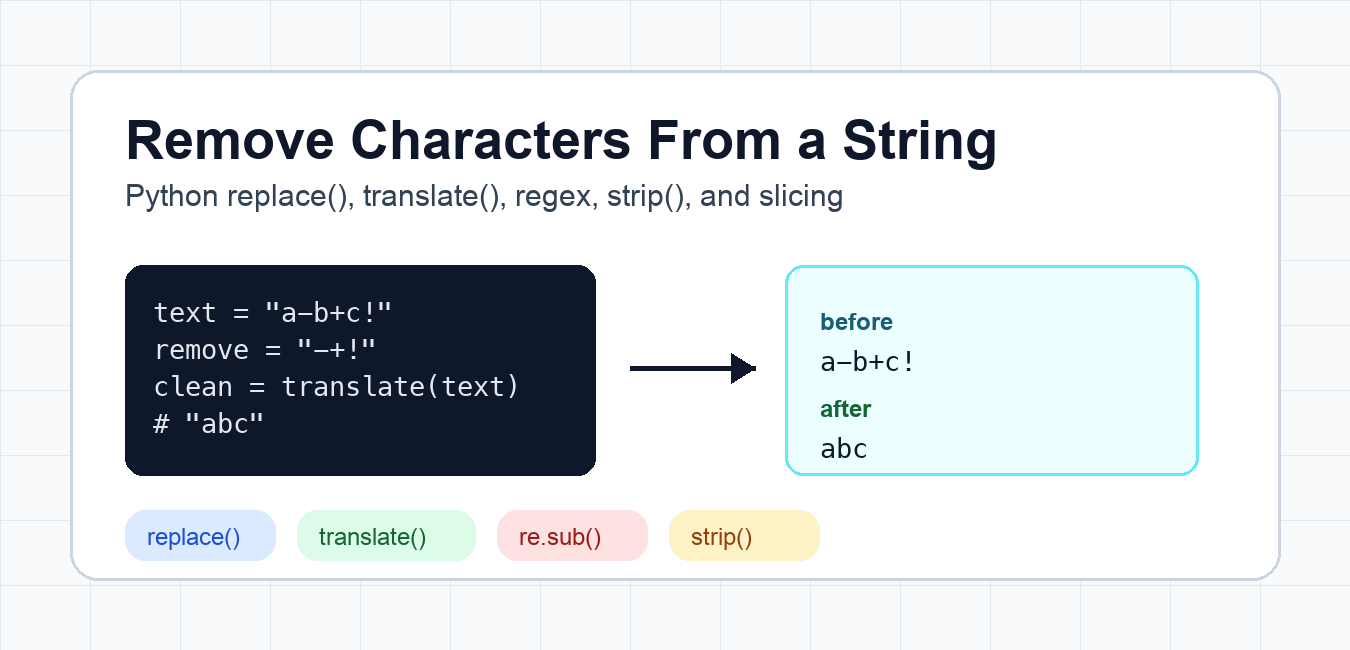
Remove unwanted characters from Python strings with replace(), translate(), generator expressions, and regular expressions.
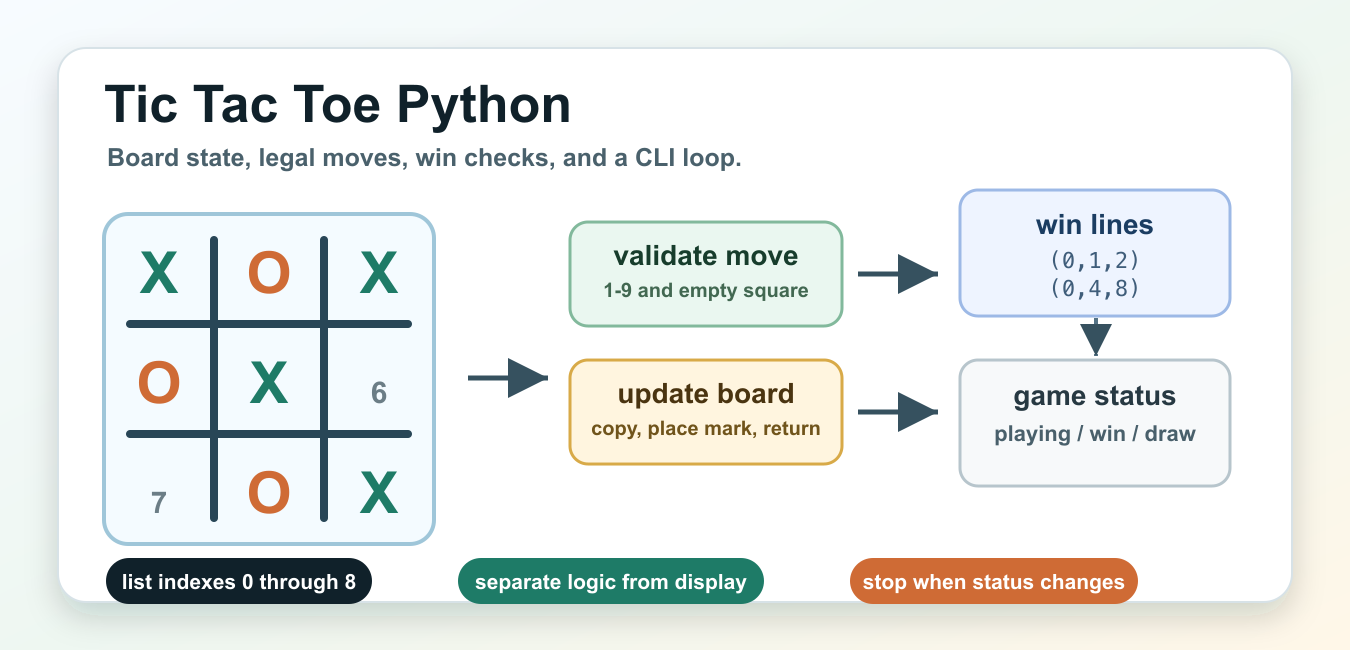
Build Tic-Tac-Toe in Python with a validated board, turn handling, win detection, draws, input boundaries, and testable game state.