Python int to Binary: bin(), format(), and f-strings
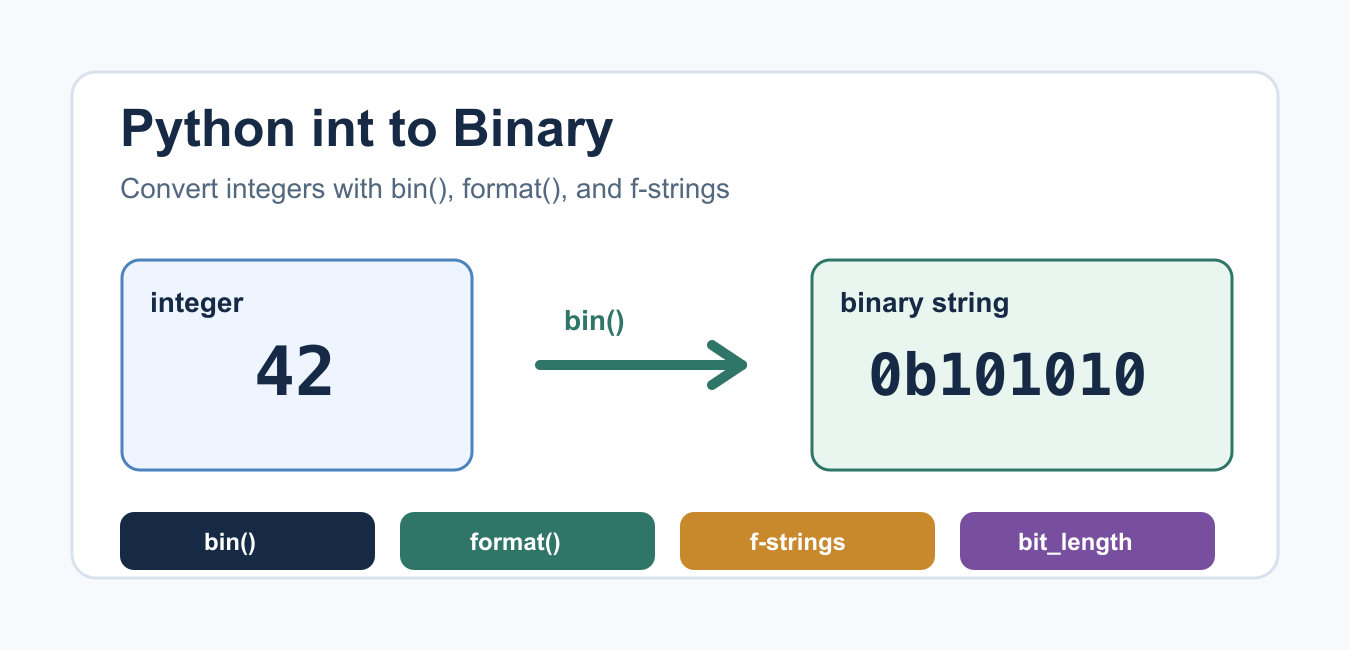
Convert Python int to binary with bin(), format(), f-strings, prefixes, padding, negative numbers, and manual division examples.
Browse Python tutorials for beginners and working developers, including syntax, libraries, examples, projects, and real problem-solving guides.
Convert Python int to binary with bin(), format(), f-strings, prefixes, padding, negative numbers, and manual division examples.
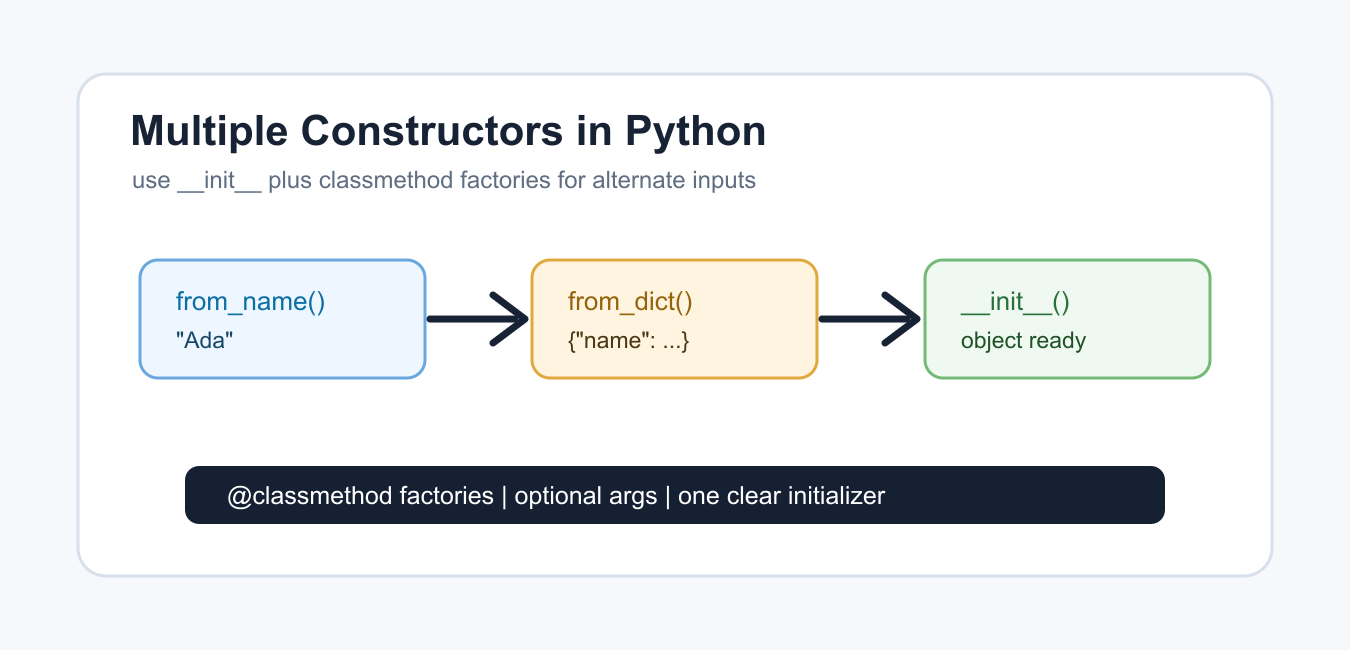
Learn how Python classes handle one __init__ method, alternate constructors with classmethod, inheritance, validation, and factory patterns.
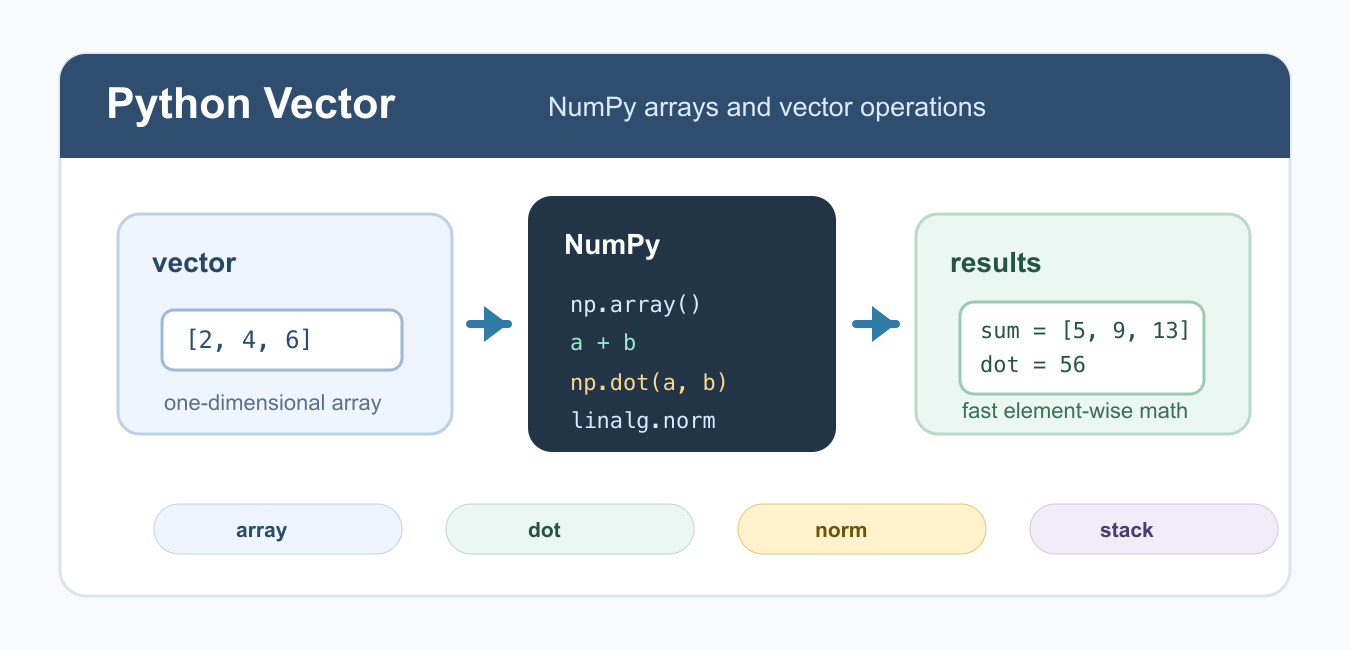
Work with Python vectors using NumPy arrays, element-wise math, dot products, norms, shapes, broadcasting, and validation.
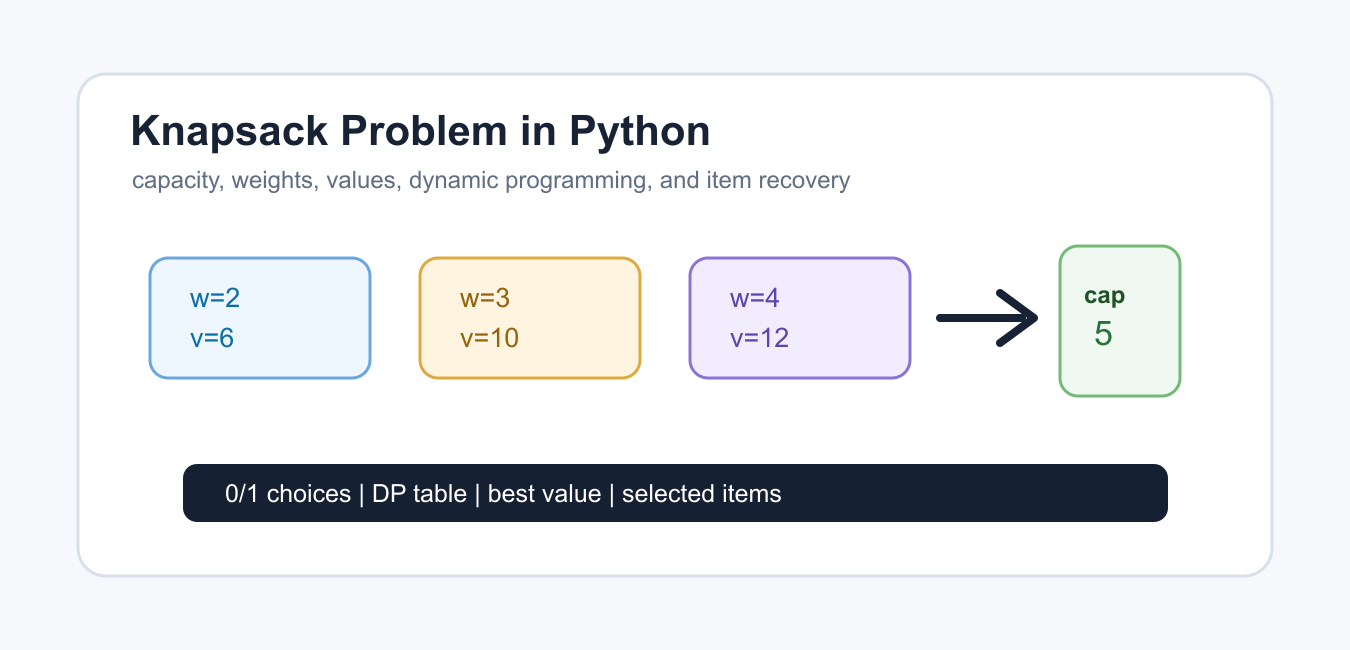
Solve the 0/1 knapsack problem in Python with dynamic programming, capacity states, reconstruction, complexity, and greedy limitations.
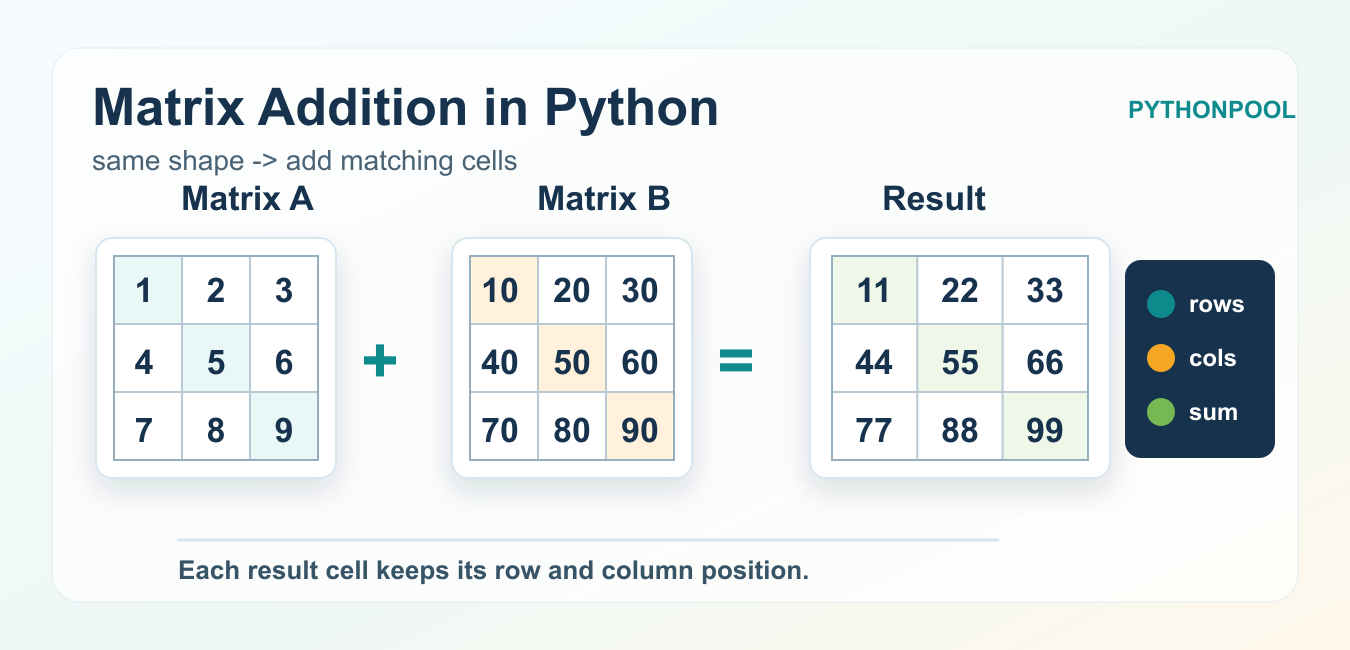
Add matrices in Python with nested lists or NumPy, validate compatible shapes, handle numeric dtypes, and avoid silent broadcasting mistakes.
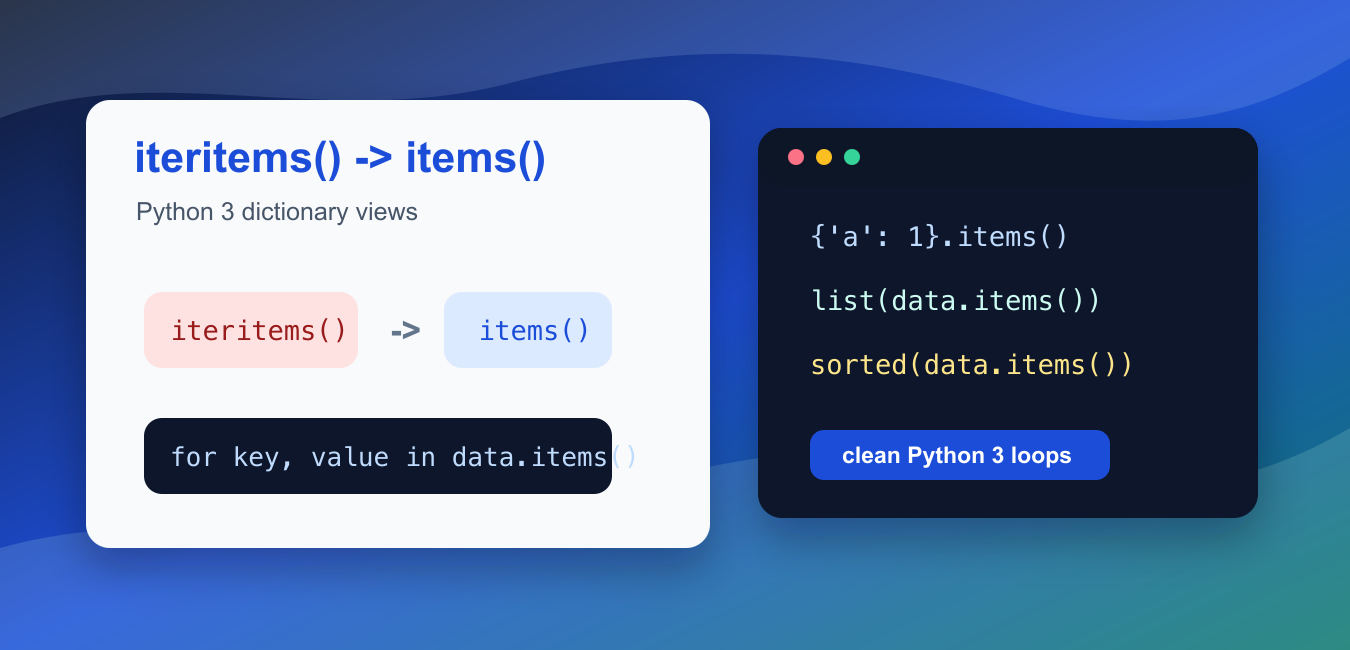
Migrate Python 2 iteritems() calls to Python 3 items(), preserve lazy iteration, and choose list conversion only when a snapshot is required.
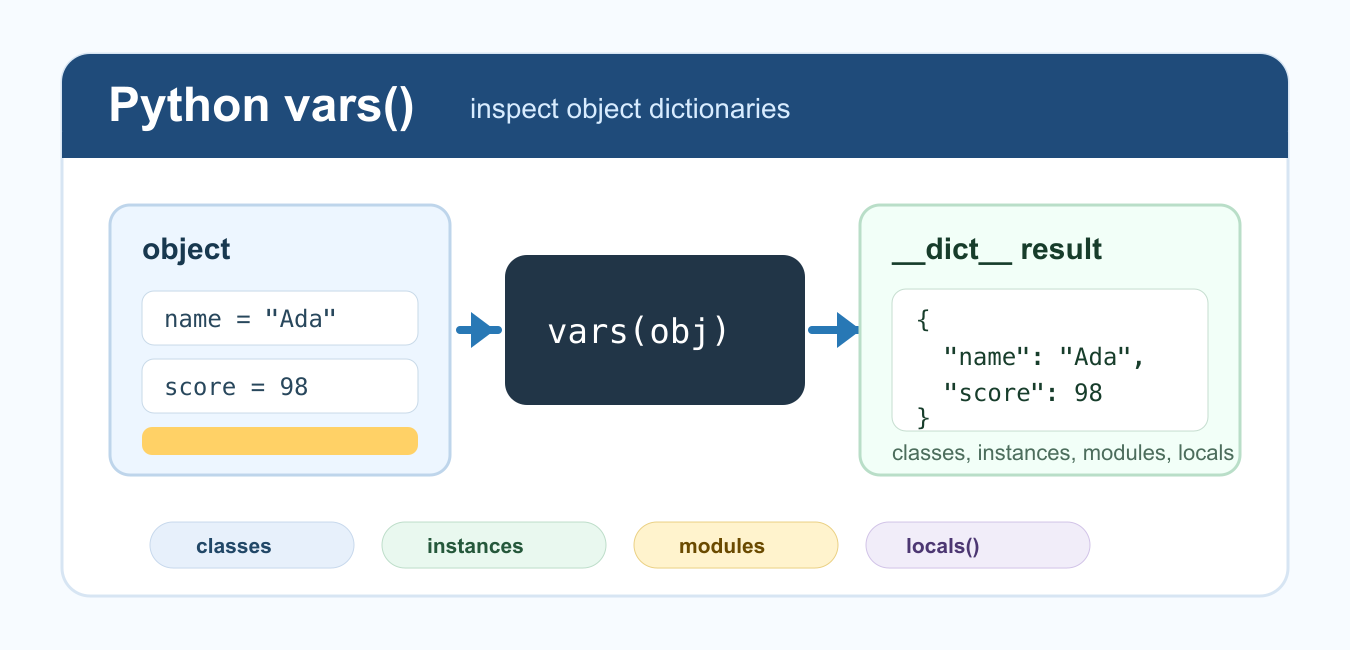
Use Python vars() safely to inspect object attributes and namespaces, understand __dict__, handle objects without it, and avoid mutating state accidentally.
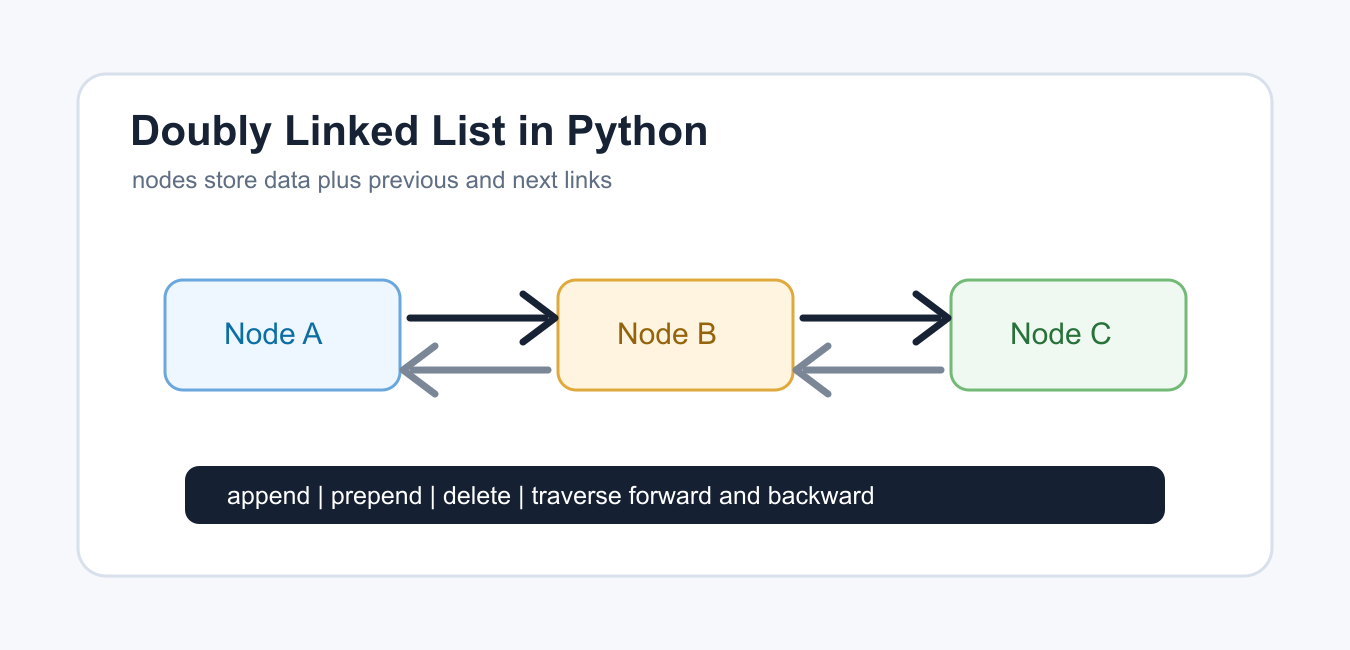
Implement a doubly linked list in Python with previous and next pointers, insertion, deletion, traversal, edge cases, and complexity tradeoffs.
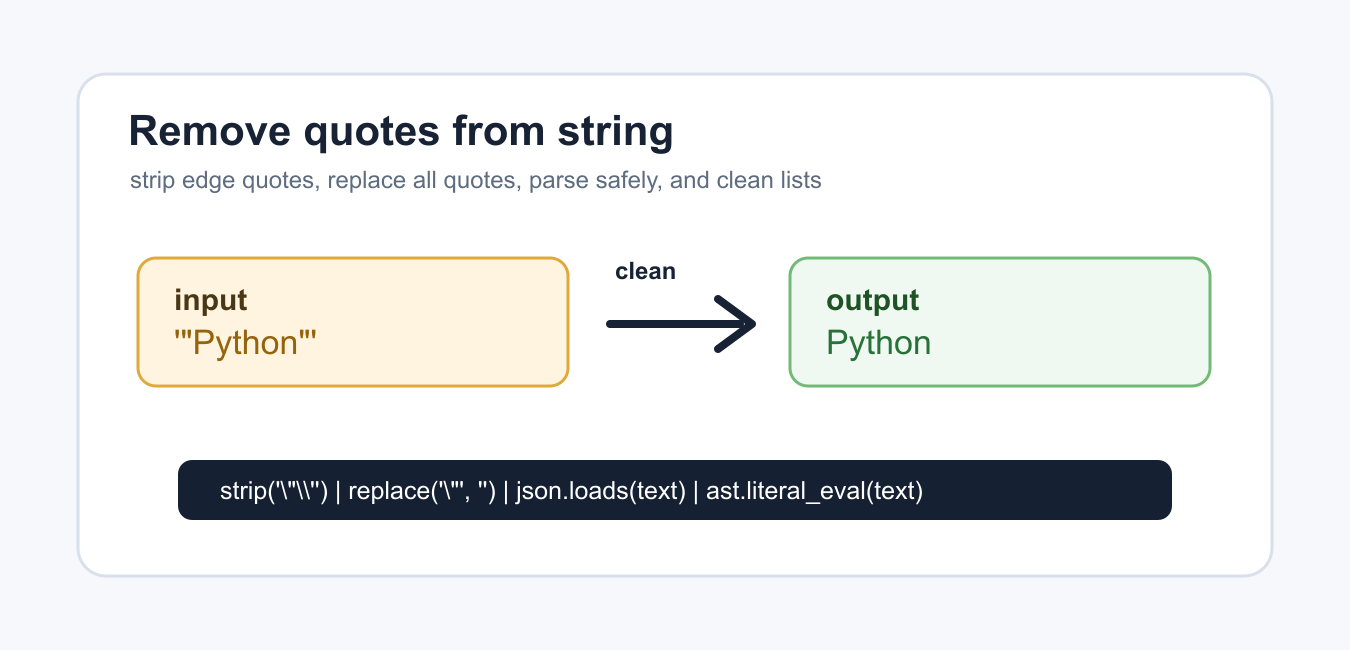
Remove quote characters from Python strings with strip(), replace(), prefix and suffix methods, or safe parsers for structured data.
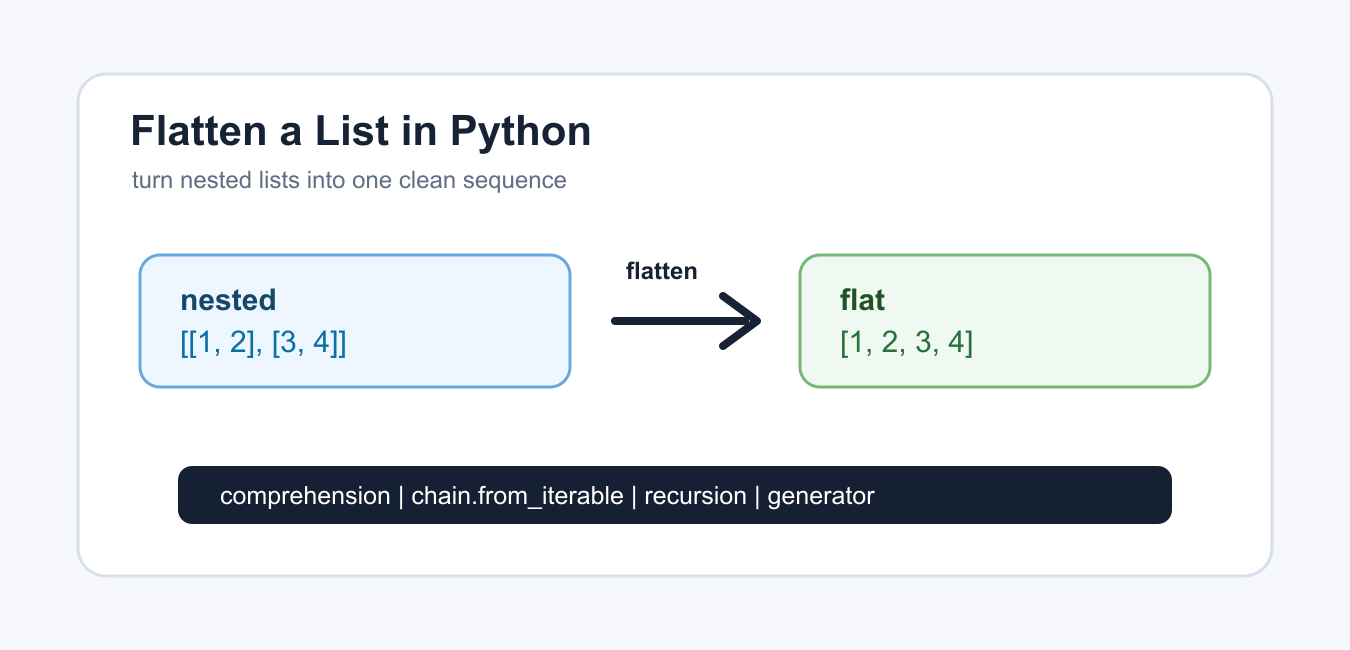
Choose a one-level flatten, chain.from_iterable, or recursive traversal based on the actual nesting and whether strings must remain atomic.