Run Multiple Cells in Jupyter: Safe, Repeatable Workflows
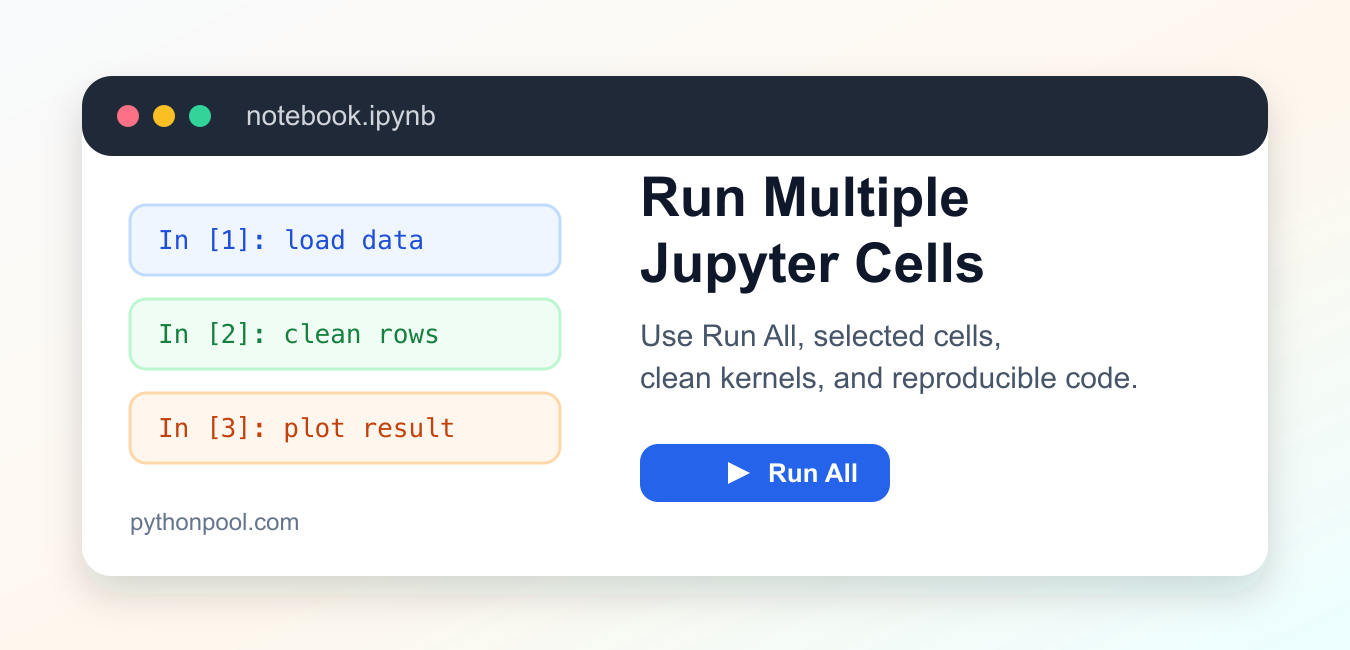
Run multiple Jupyter cells with Run All, selected ranges, restart-and-run, checkpoints, notebook execution, and reproducible workflows.
Browse Python tutorials for beginners and working developers, including syntax, libraries, examples, projects, and real problem-solving guides.
Run multiple Jupyter cells with Run All, selected ranges, restart-and-run, checkpoints, notebook execution, and reproducible workflows.
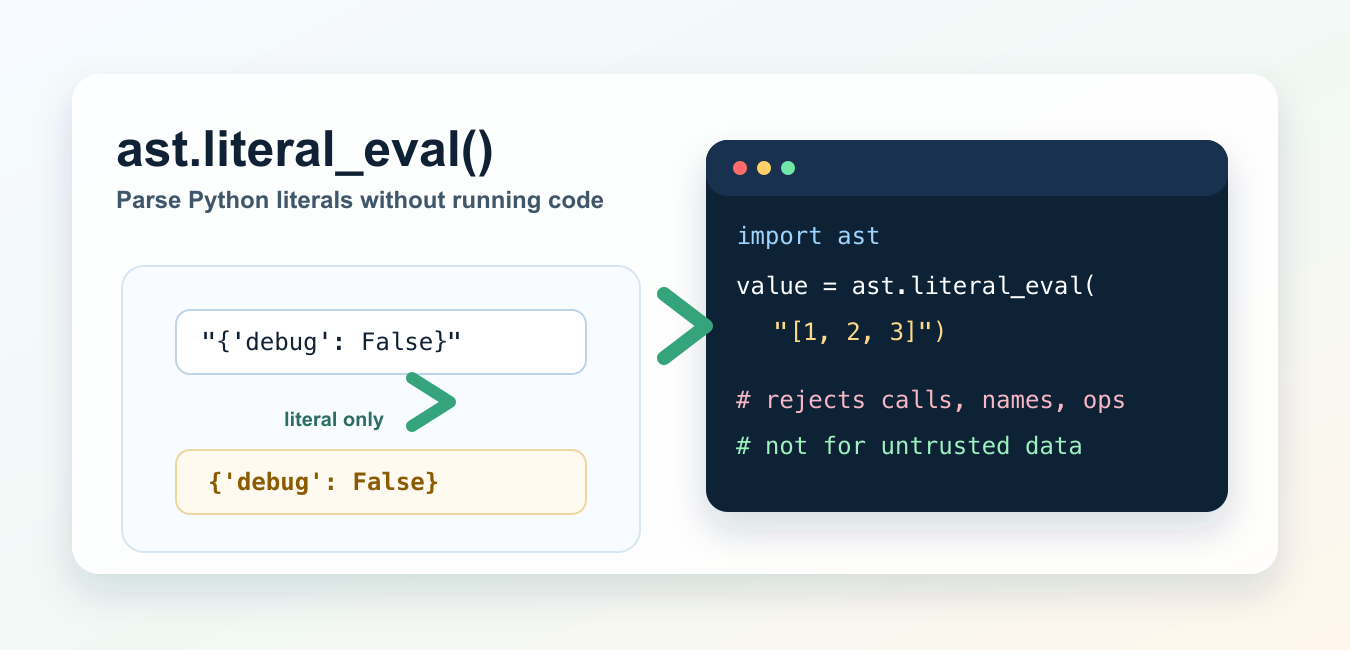
Parse trusted Python literal data with ast.literal_eval, understand its limits, and choose JSON or a safer boundary for untrusted input.

Understand Python __all__ for module exports, wildcard imports, package APIs, re-exports, naming, and maintainable public interfaces.
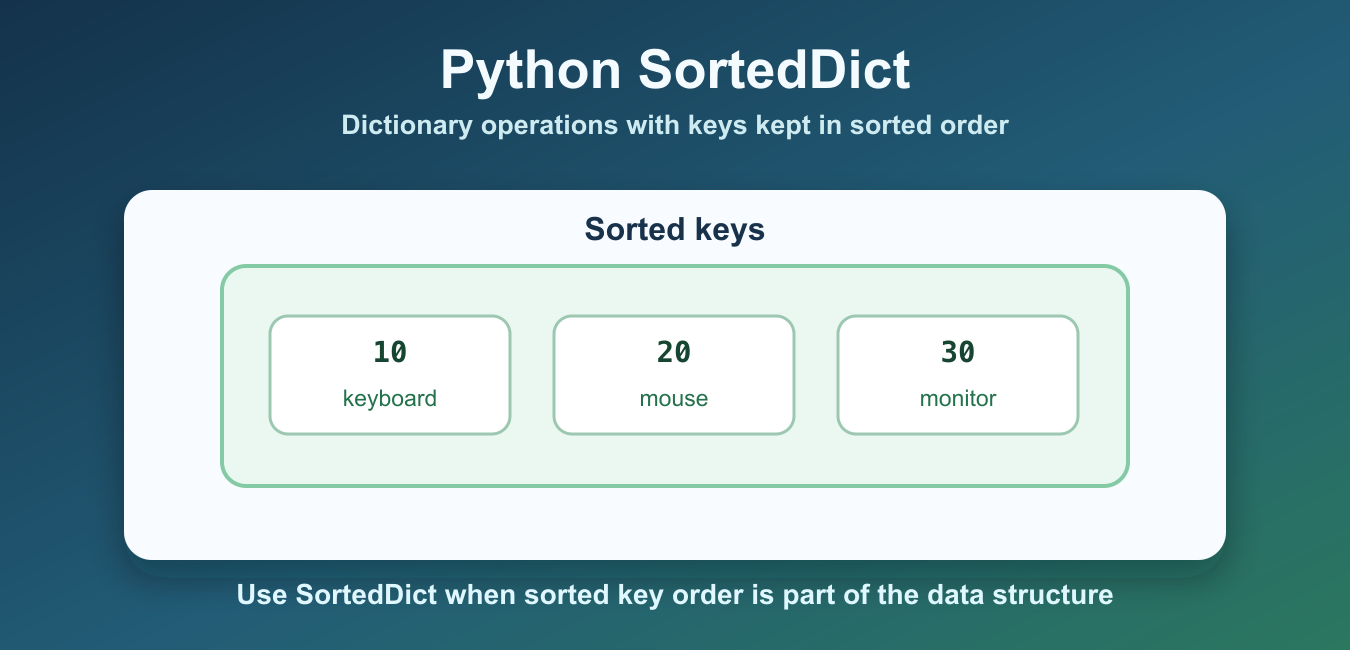
Use SortedDict from sortedcontainers for sorted keys, range-friendly access, updates, deletion, and a clear comparison with dict.
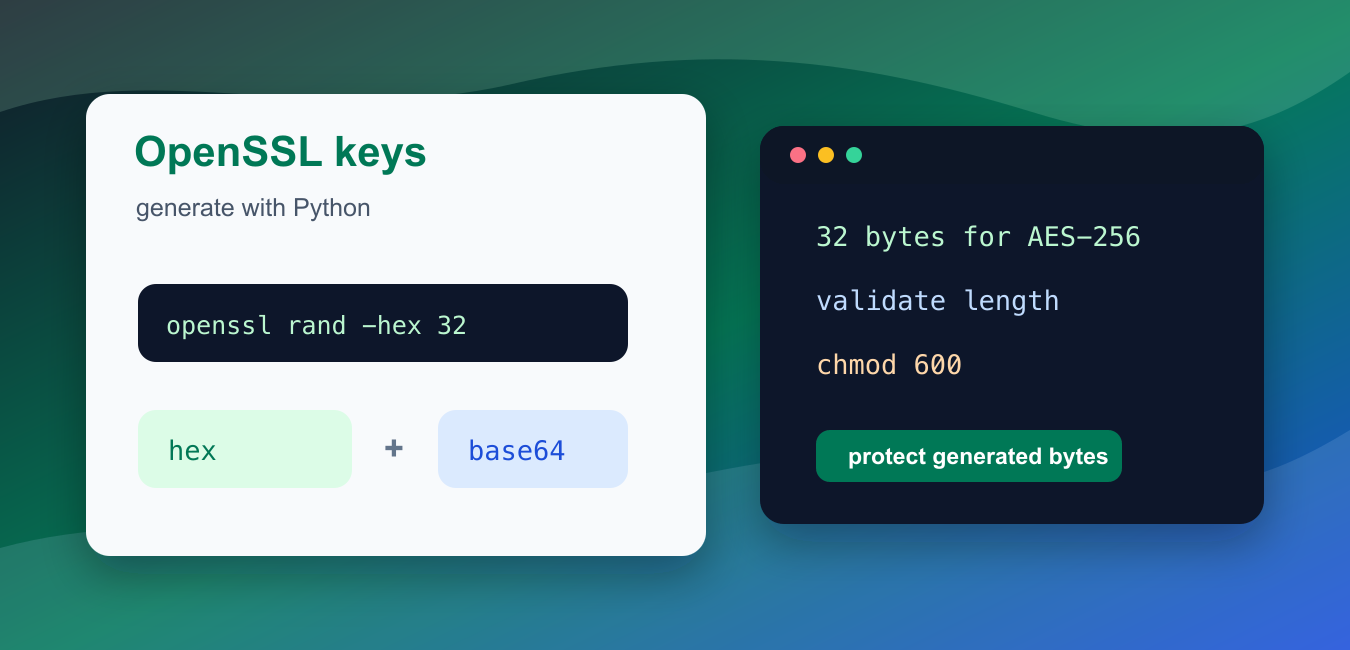
Generate and use symmetric keys with OpenSSL and Python while avoiding shell injection, protecting key material, handling nonces, and validating encryption workflows.
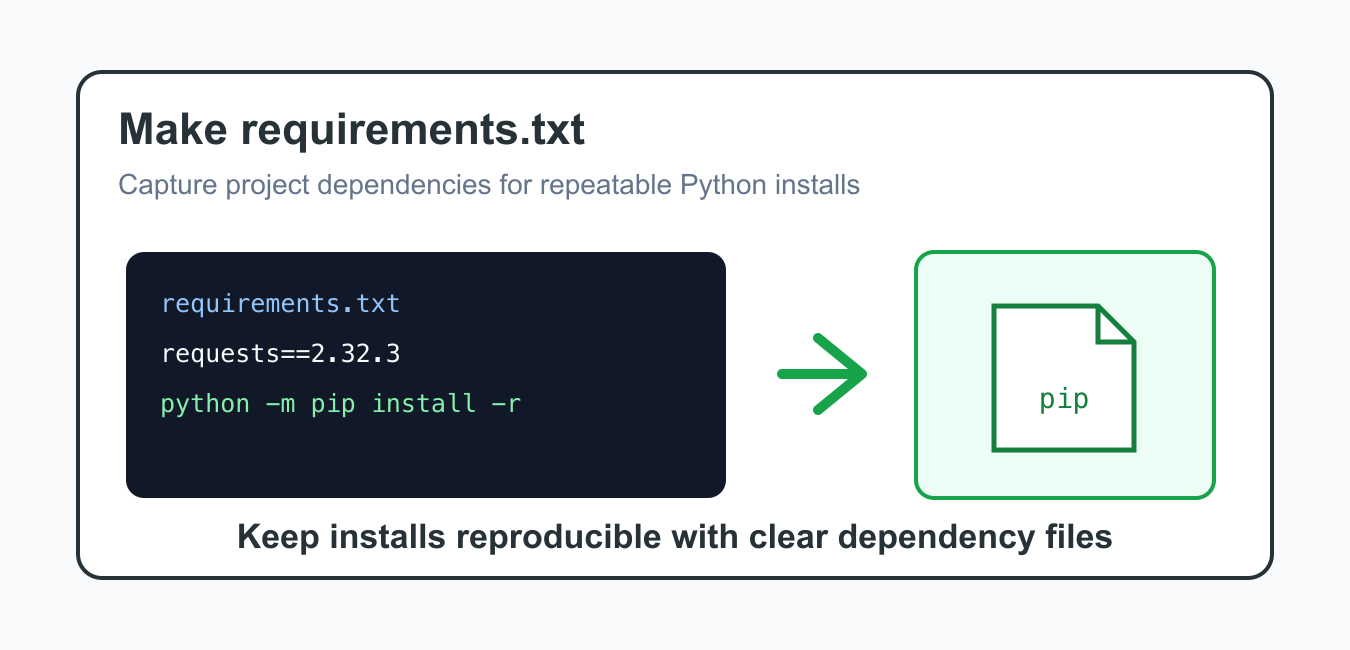
Create a useful Python requirements.txt with virtual environments, version constraints, pip freeze, reproducible installs, and safer project metadata.
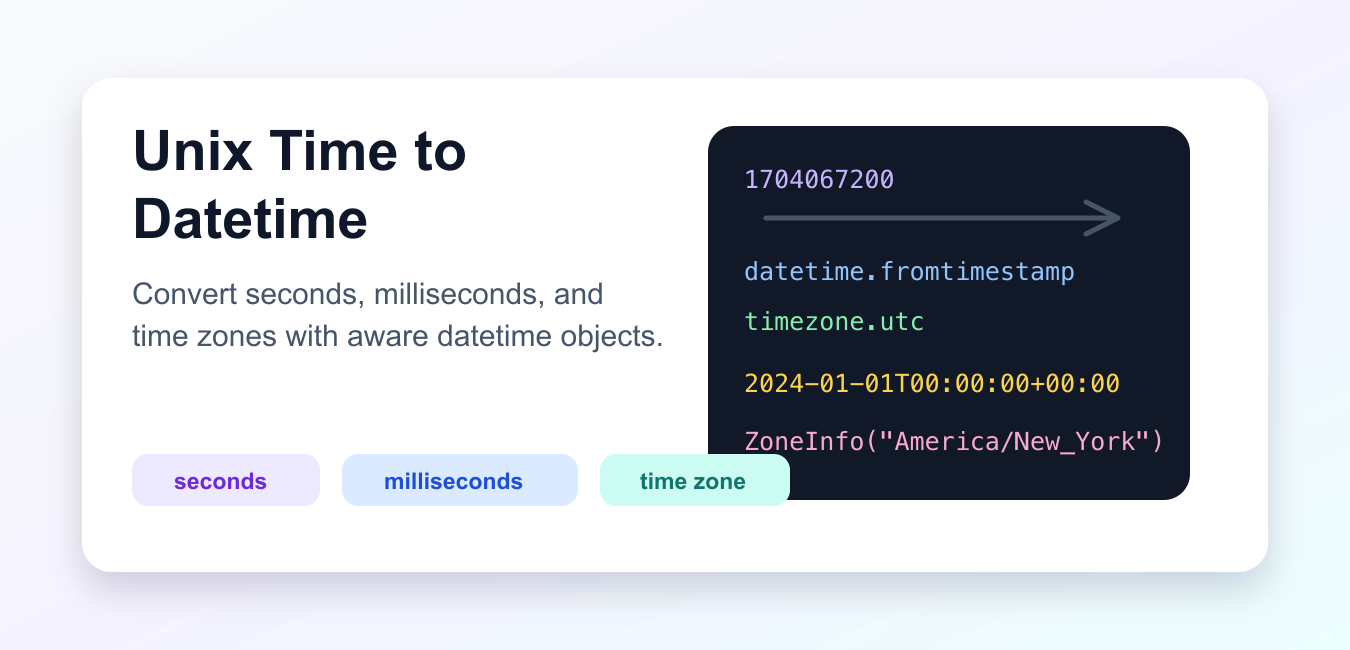
Convert Unix timestamps to Python datetime values with seconds or milliseconds, UTC, time zones, validation, and daylight-saving considerations.
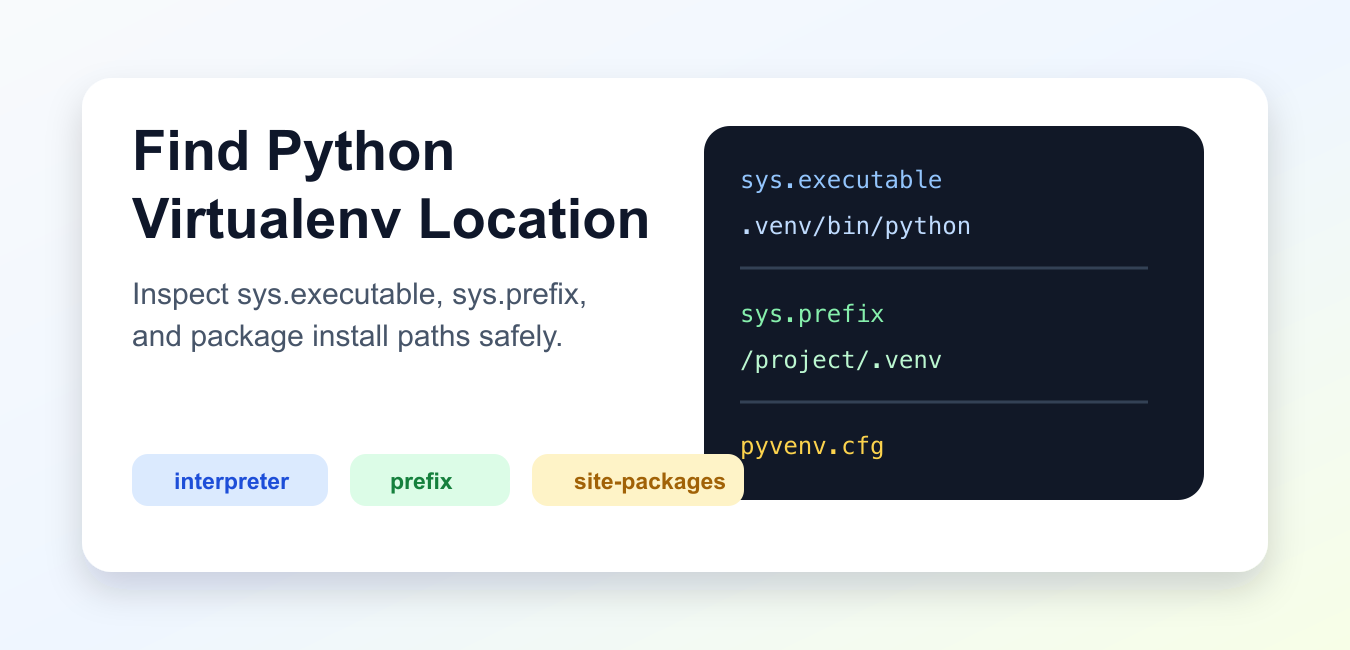
Find a Python virtualenv location with sys.prefix and pathlib, create predictable environments, verify the active interpreter, and avoid package confusion.
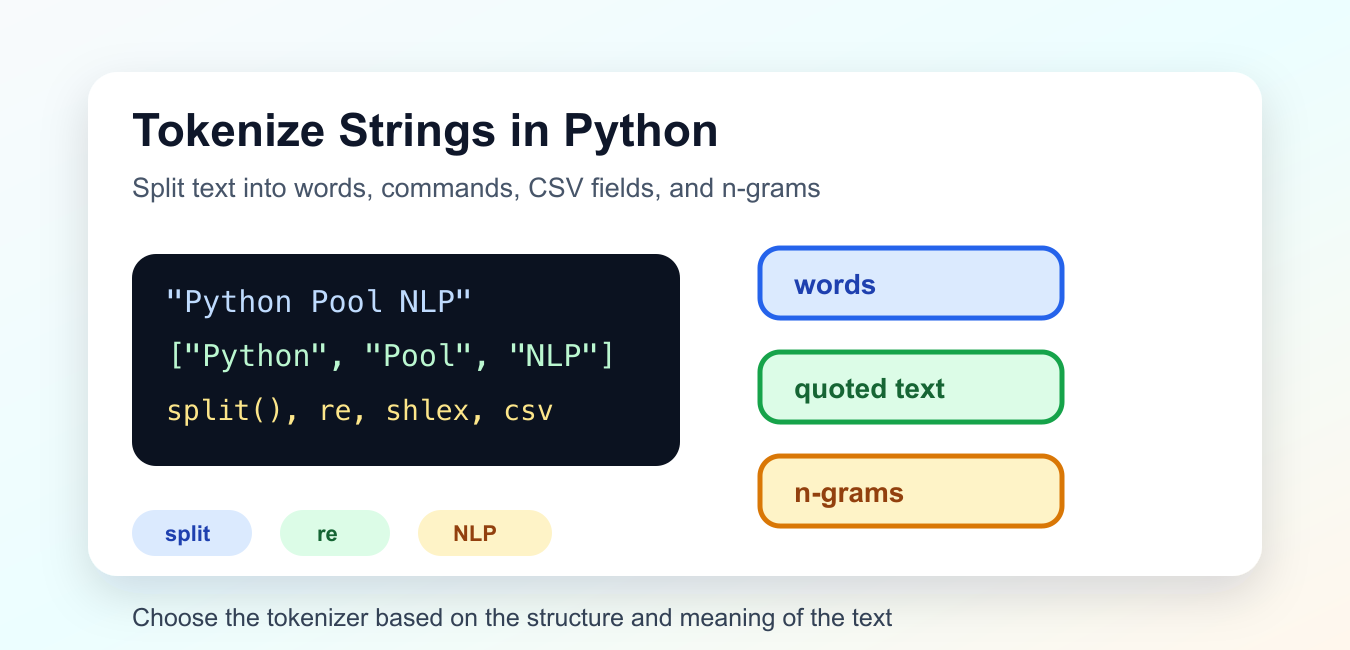
Tokenize strings in Python with split(), regular expressions, shlex, CSV parsing, and NLP tools by matching the tokenizer to the input grammar.

Print diagnostics to stderr in Python with print(), sys.stderr, and logging while keeping stdout clean for pipelines and tests.