LLM Chain Explained: Prompt, Model, Memory, and Output
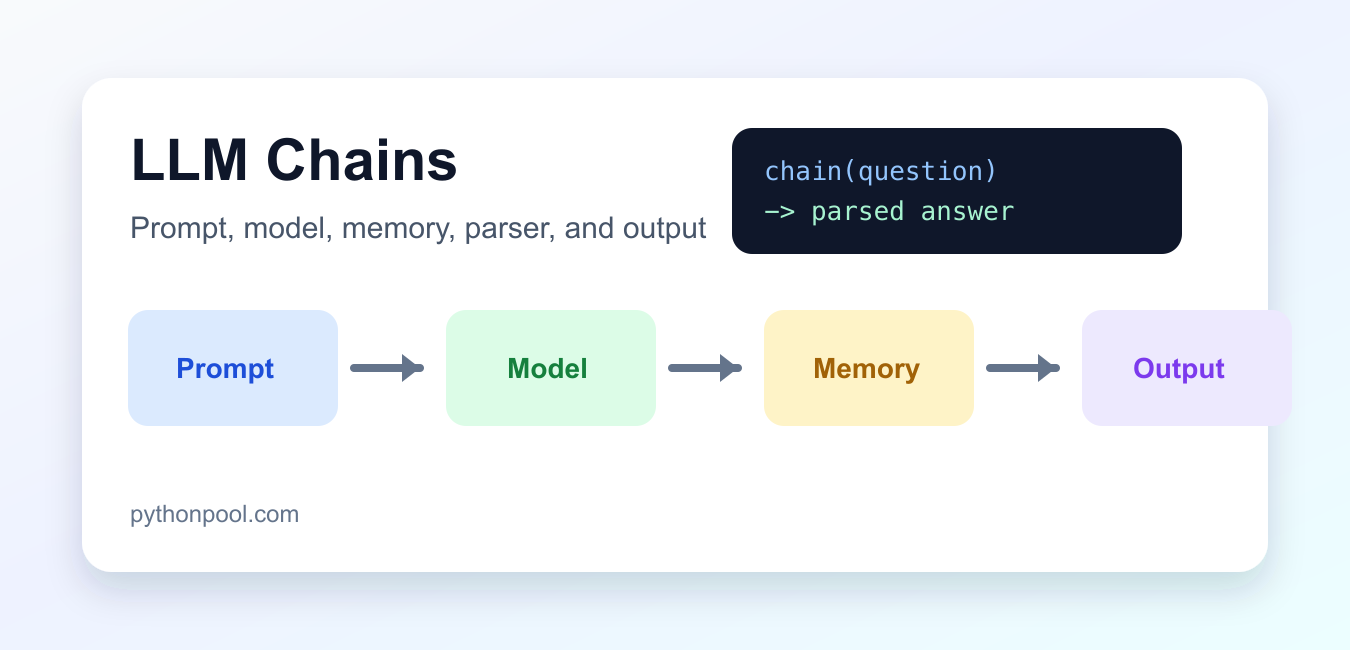
Understand an LLM chain as prompt, model, state, and output steps; validate structured results, handle failures, and keep secrets and user data controlled.
Browse practical Python tutorials, error fixes, library guides, data science examples, and project ideas from Python Pool.
Understand an LLM chain as prompt, model, state, and output steps; validate structured results, handle failures, and keep secrets and user data controlled.
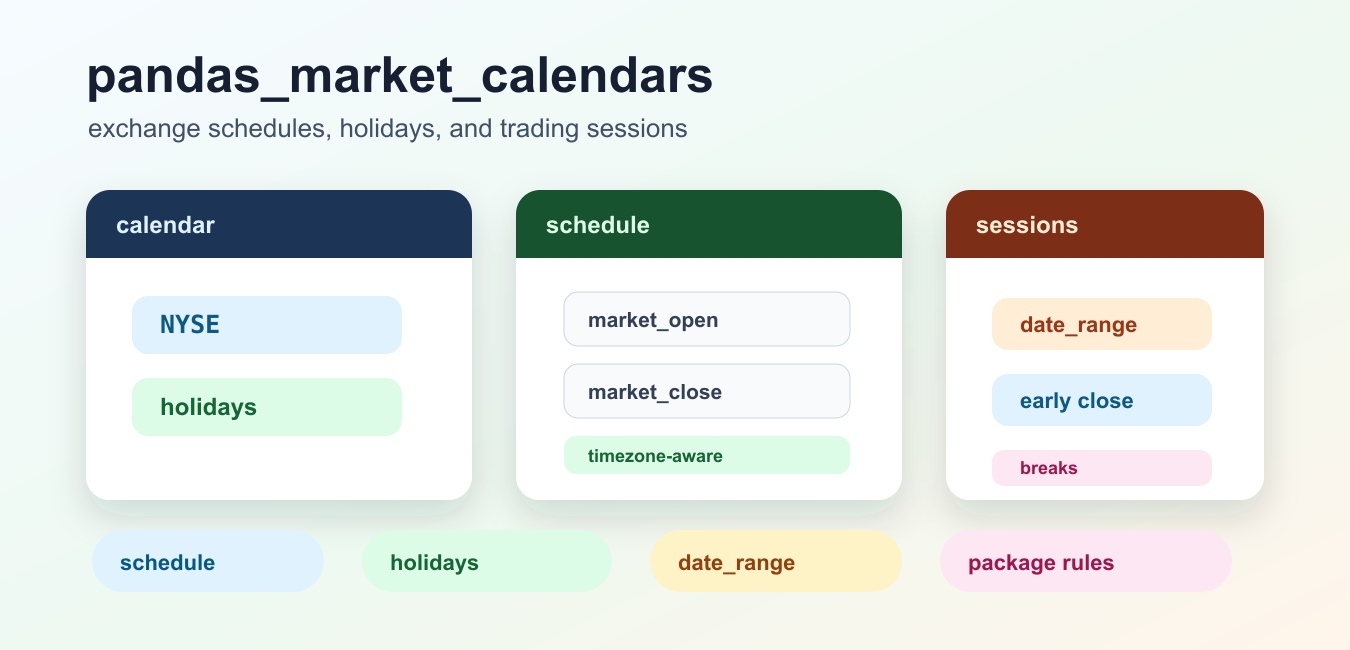
Use pandas_market_calendars with Pandas to create exchange-aware schedules that include holidays, early closes, trading breaks, and valid market sessions.

Build an XLNet text-classification workflow in Python with tokenization, labels, fine-tuning, evaluation, class imbalance, and reproducible inference checks.

Fix the Pydantic MultiHostDsn import error by checking Pydantic versions, import paths, pydantic-settings compatibility, and environment state.
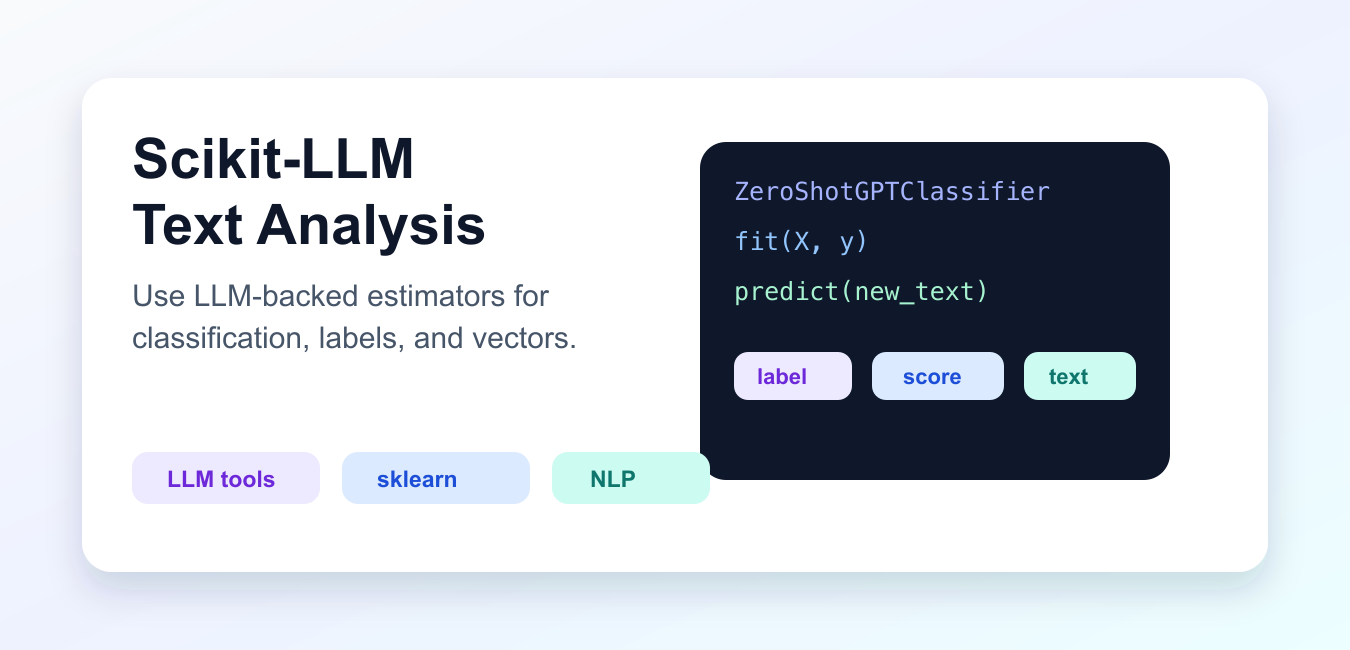
Explore Scikit-LLM-style Python workflows with model configuration, text classification, evaluation, prompt versioning, privacy, costs, and reproducible tests.

Explore Lamini-style Python LLM workflows with dataset quality, configuration, privacy, evaluation, cost controls, and reproducible fine-tuning experiments.

Use Sniffio to detect whether code runs under asyncio, Trio, Curio, or another async library, with safe fallback and error handling.
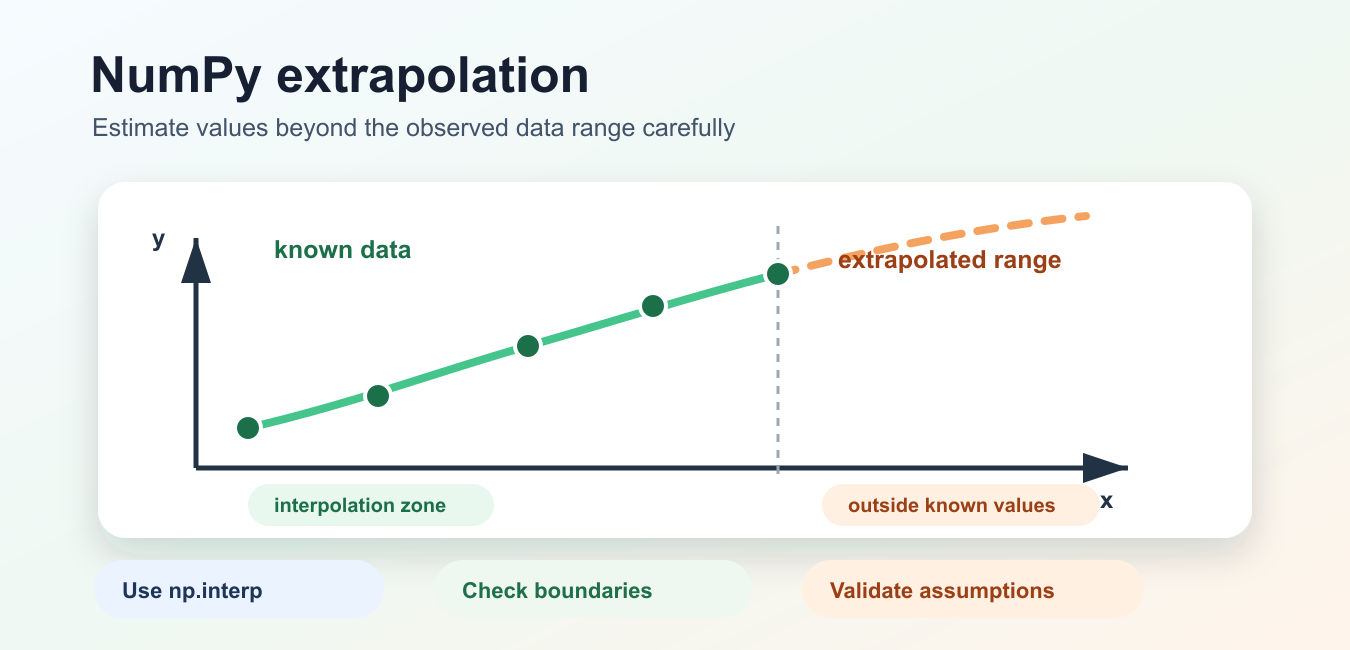
Build cautious NumPy extrapolation with formulas, interpolation boundaries, fitted models, validation, and clear uncertainty limits.
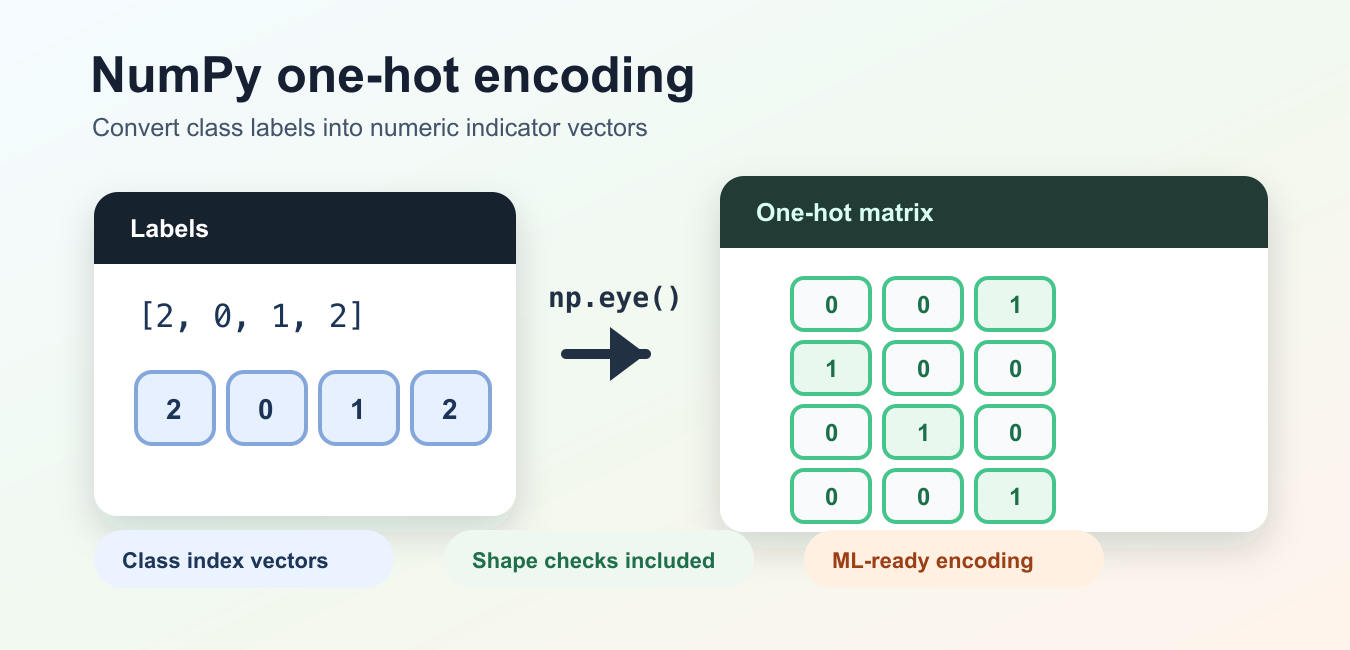
Build one-hot encoded arrays with NumPy while handling class indices, shape conventions, unknown labels, dtype, and machine-learning data validation.
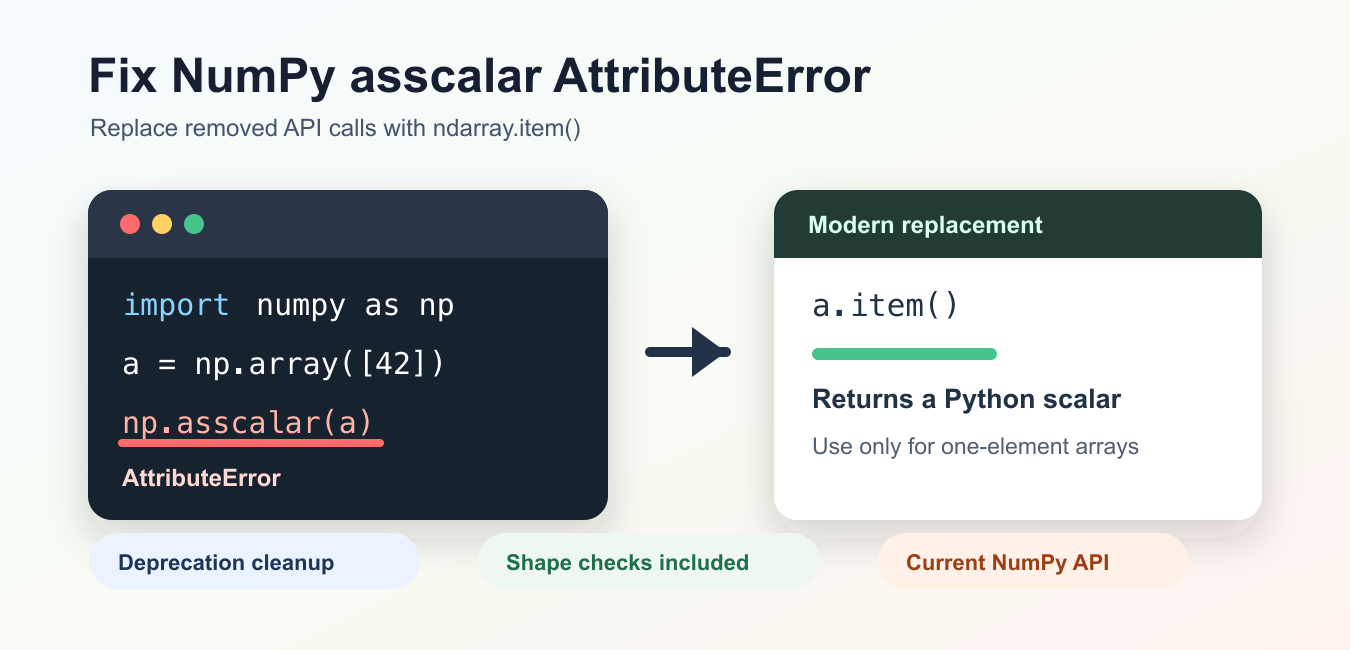
Replace removed np.asscalar() with ndarray.item(), check one-element assumptions, and migrate old NumPy code without hiding shape errors.