Python ord(): Unicode Code Points, chr(), and Character Values

Use ord() to read one Unicode code point, chr() to convert back, and explicit policies for alphabet positions, bytes, and whole strings.
Browse practical Python tutorials, error fixes, library guides, data science examples, and project ideas from Python Pool.
Use ord() to read one Unicode code point, chr() to convert back, and explicit policies for alphabet positions, bytes, and whole strings.
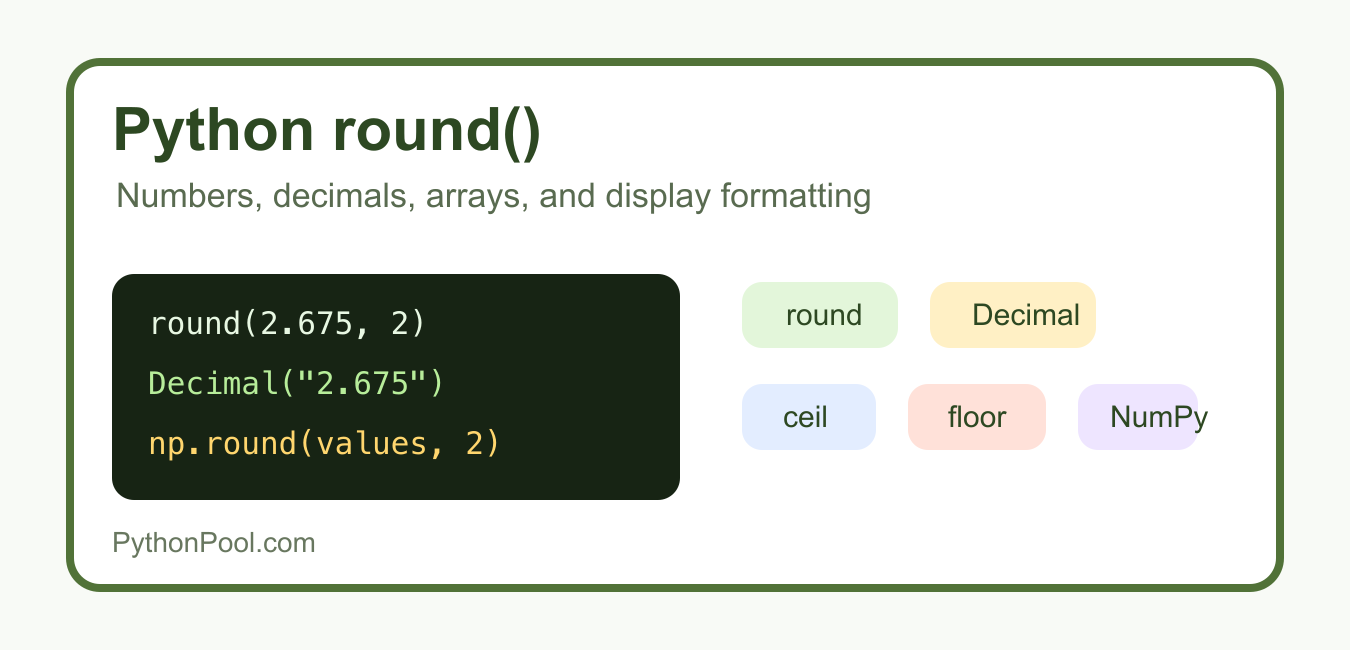
Understand Python round(), ndigits, ties-to-even, floating-point surprises, Decimal.quantize(), NumPy arrays, and display formatting.
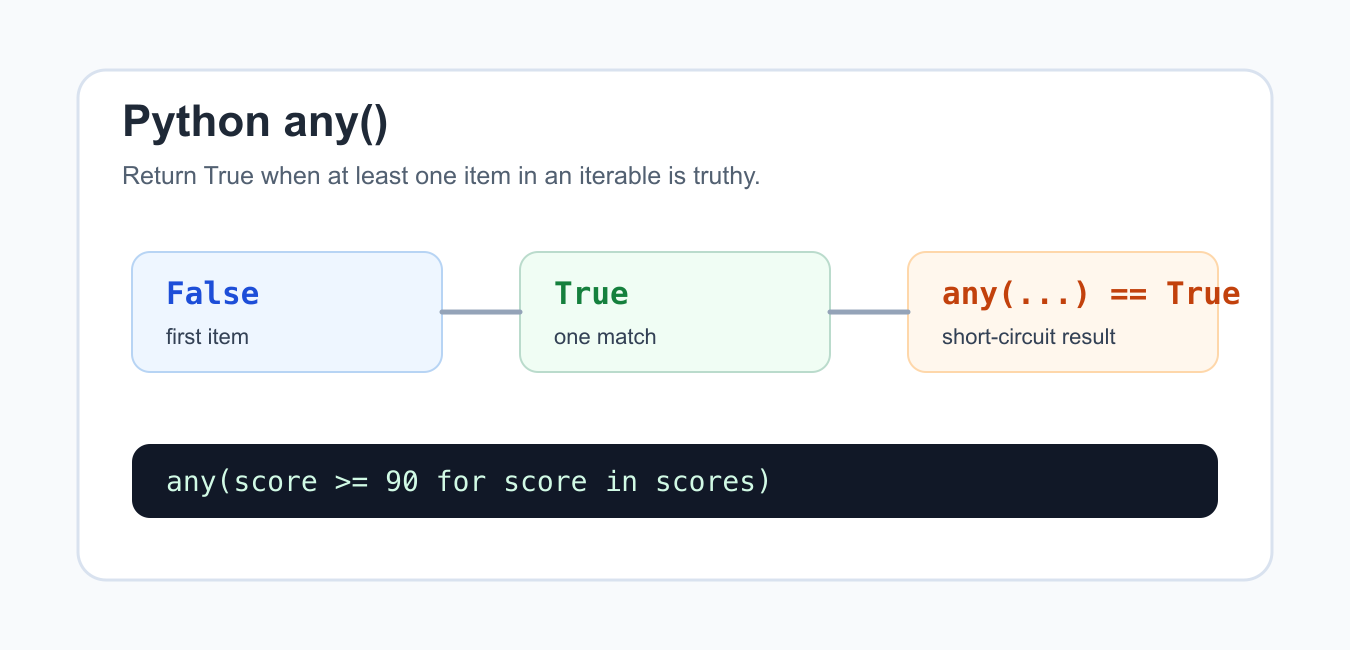
Use any() for existential checks, let generators short-circuit work, and distinguish it from all(), membership, and truth testing.
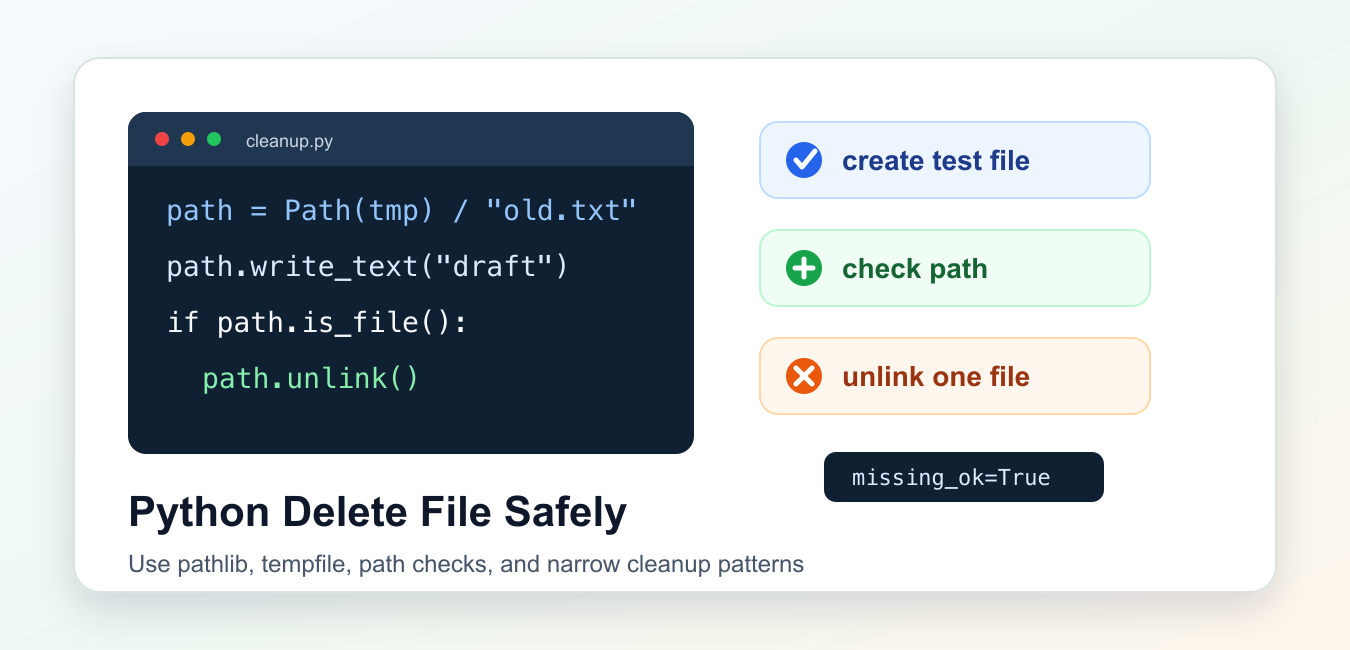
Delete files safely in Python with pathlib.Path.unlink(), os.remove(), missing_ok, path validation, errors, and narrow cleanup patterns.
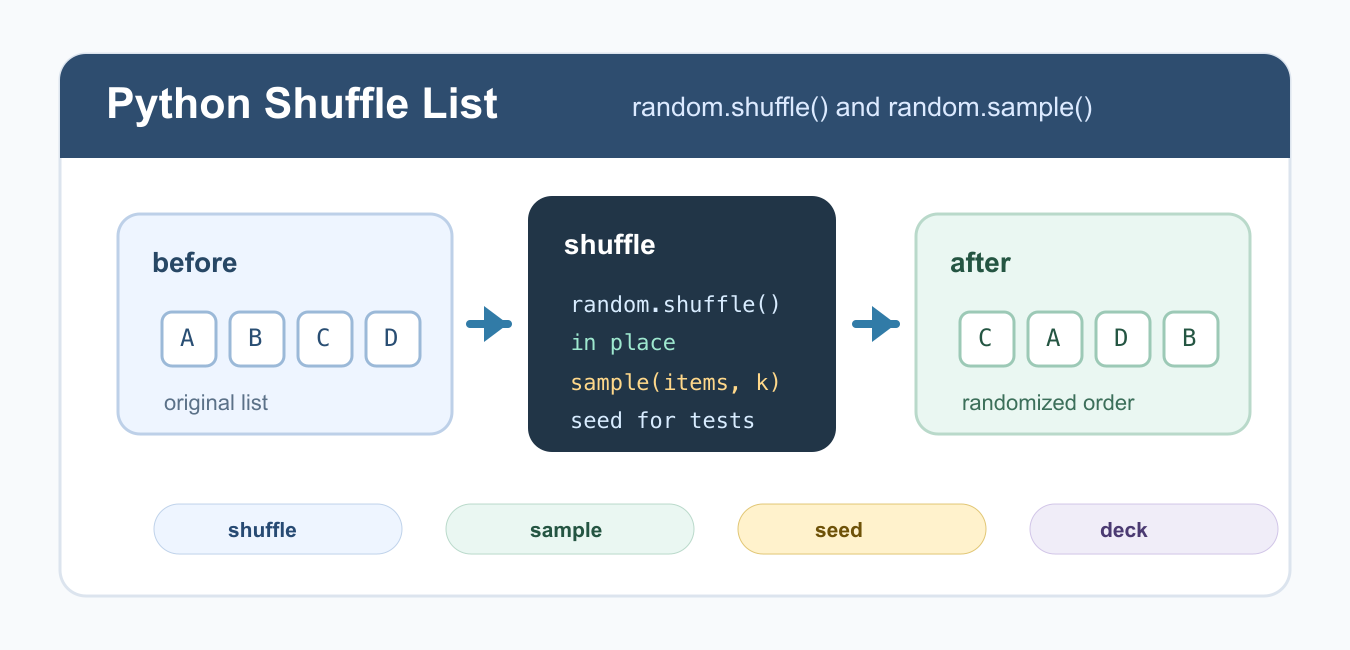
Choose in-place shuffle or non-mutating sample, keep random state explicit, and avoid treating pseudo-random output as secure randomness.
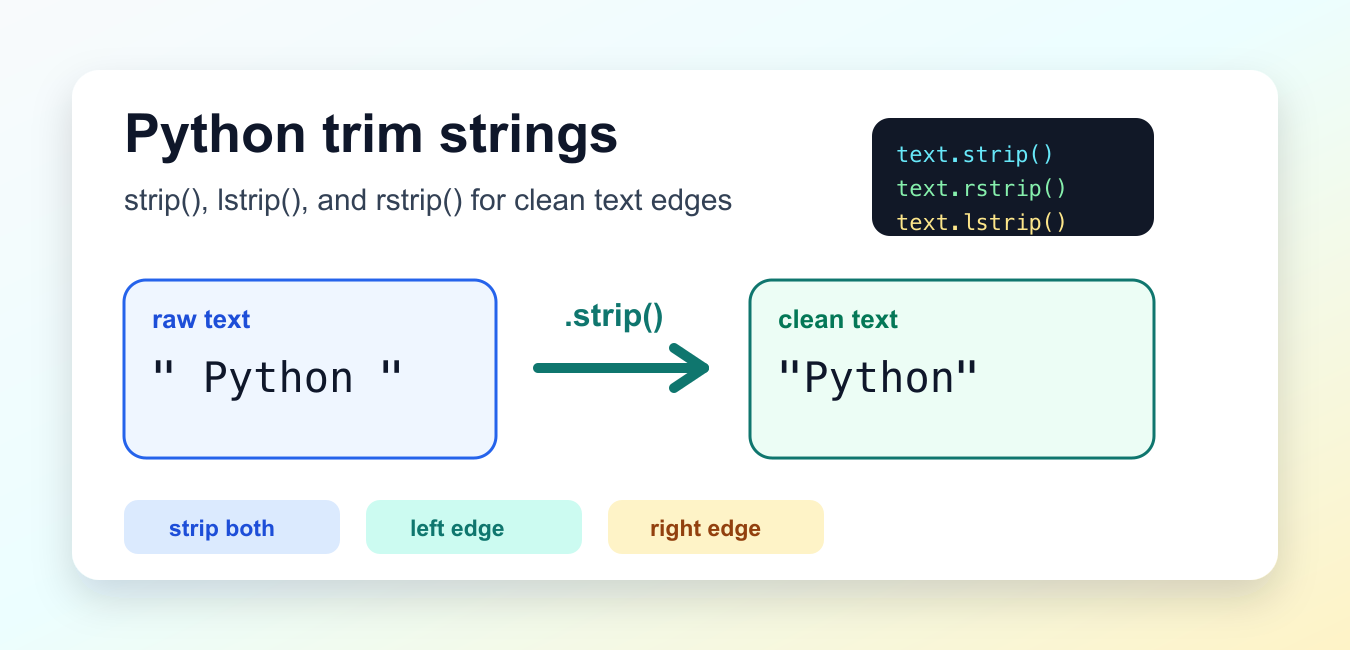
Trim leading and trailing characters in Python with strip(), lstrip(), and rstrip(), with clear examples for whitespace and custom cleanup.
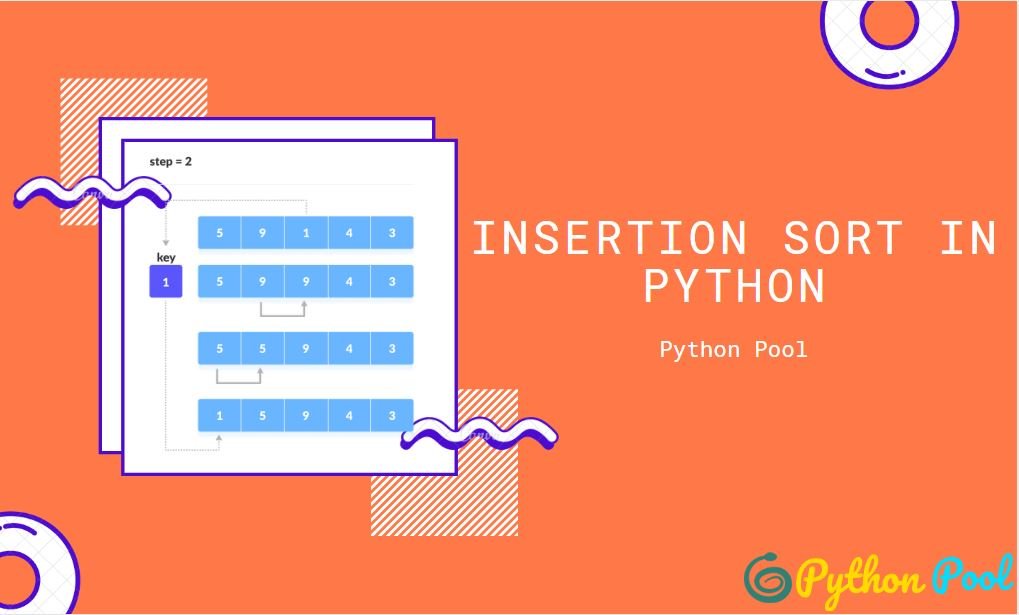
Learn insertion sort in Python, trace its shifting behavior, understand best and worst-case complexity, and choose it appropriately for small or nearly sorted data.
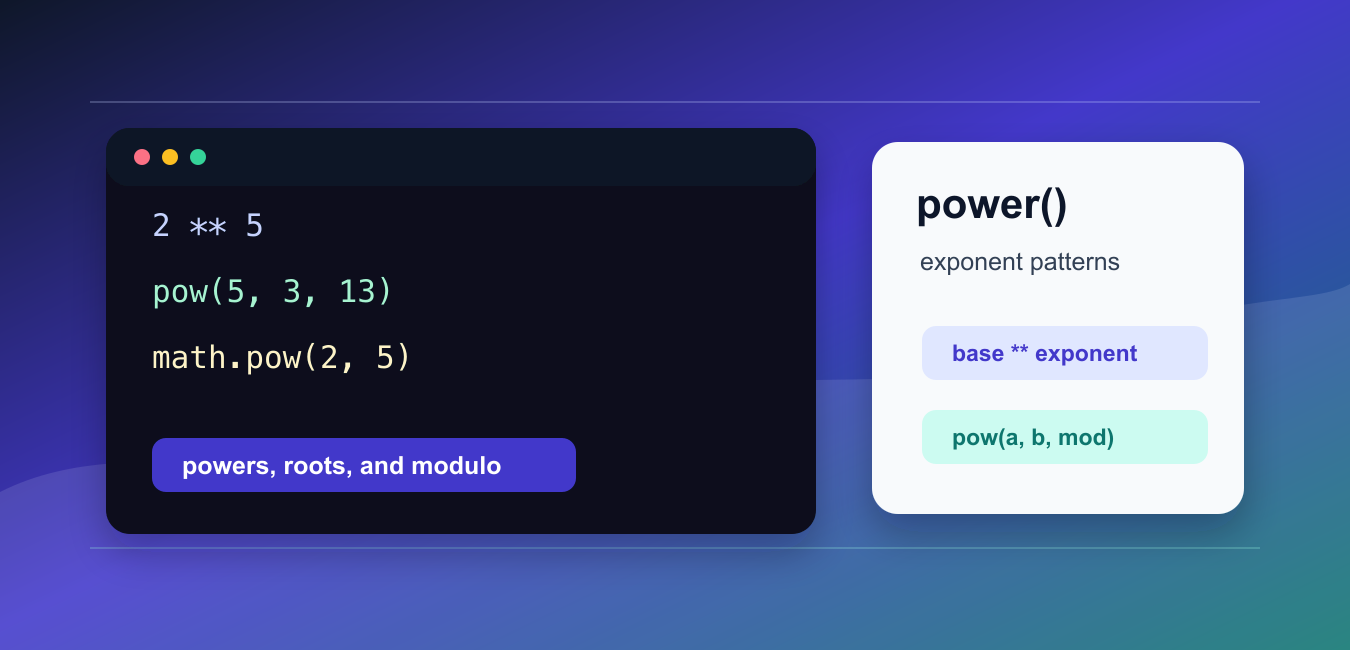
Choose Python **, pow(), or math.pow() for exact integers, float results, modular arithmetic, roots, and negative bases.
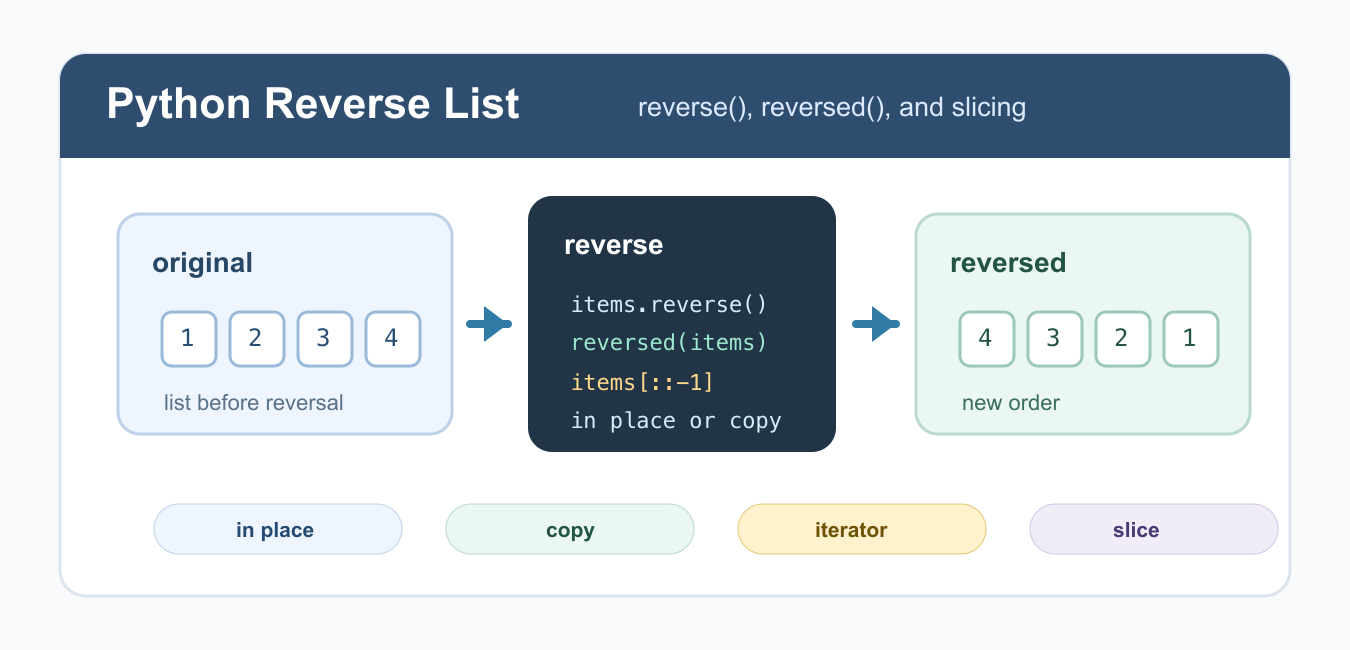
Compare reverse(), reversed(), and list slicing so you can choose mutation, lazy iteration, or a new shallow list.
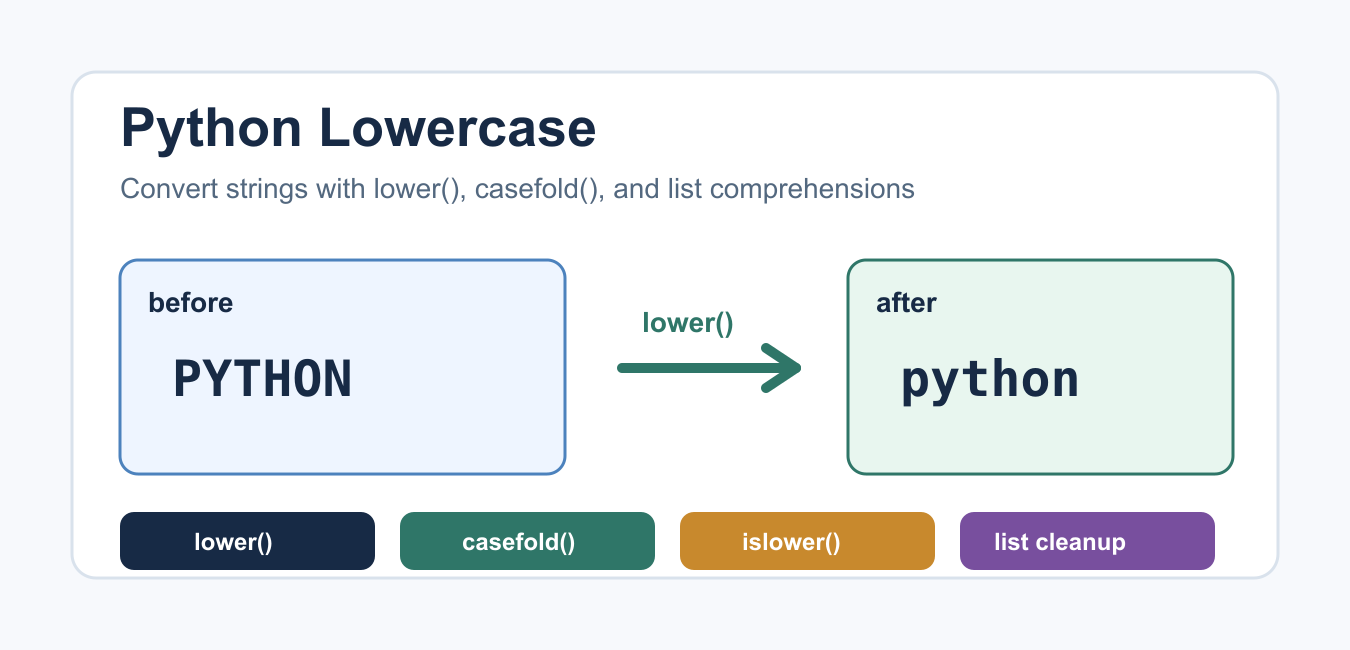
Use lower() for conversion, casefold() for robust matching, and islower() for validation with Unicode-safe Python examples.