Python __init__(): Initialize Objects, Inheritance, and Packages

Understand Python __init__(), object initialization, self, validation, optional state, super(), and the separate role of __init__.py.
Browse Python tutorials for beginners and working developers, including syntax, libraries, examples, projects, and real problem-solving guides.
Understand Python __init__(), object initialization, self, validation, optional state, super(), and the separate role of __init__.py.

Choose Python collections tools such as Counter, defaultdict, deque, namedtuple, and ChainMap based on access patterns, defaults, ordering, and performance.

Use pandas DataFrame.to_csv() to export columns, indexes, headers, encodings, separators, missing values, and large datasets safely.
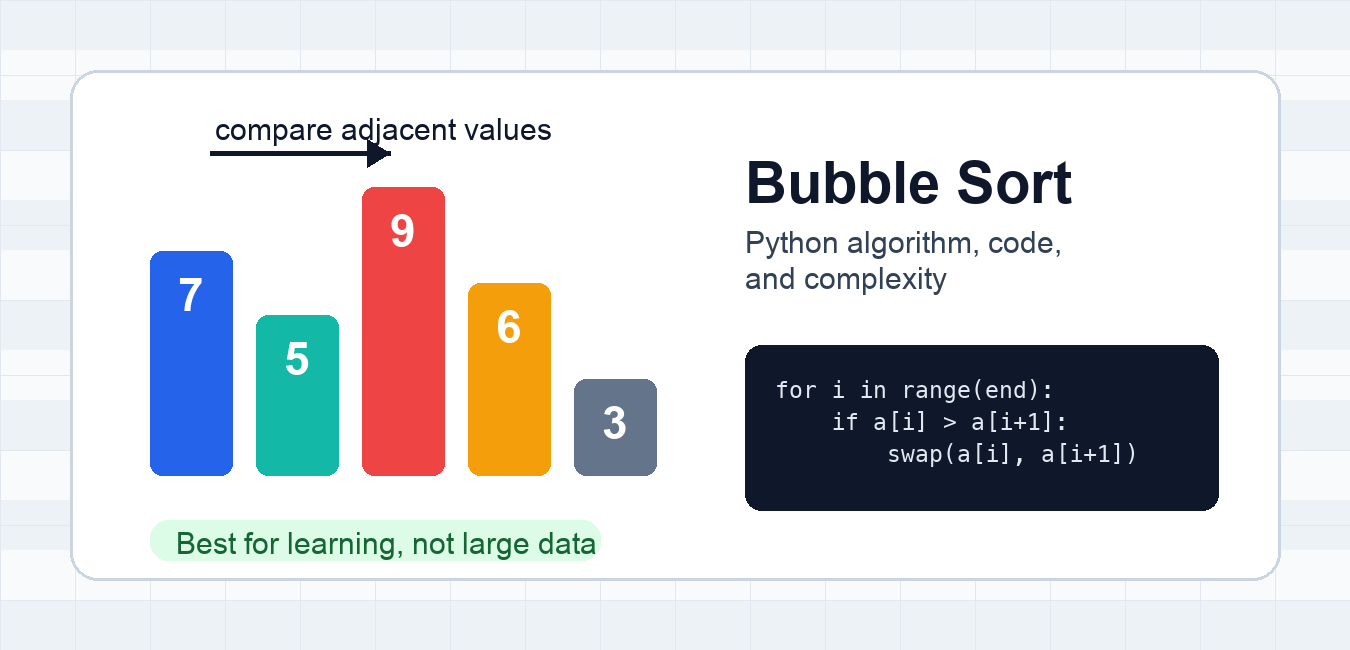
Learn bubble sort in Python with passes, swaps, early-exit optimization, stability, complexity, and when sorted() is better.
Create and use Python 2D lists for tables and grids while avoiding shared rows, unsafe copies, jagged shapes, and indexing errors.

Learn Python comments with # syntax, inline guidance, docstrings, type comments, TODOs, maintenance rules, and examples of comments that help readers.
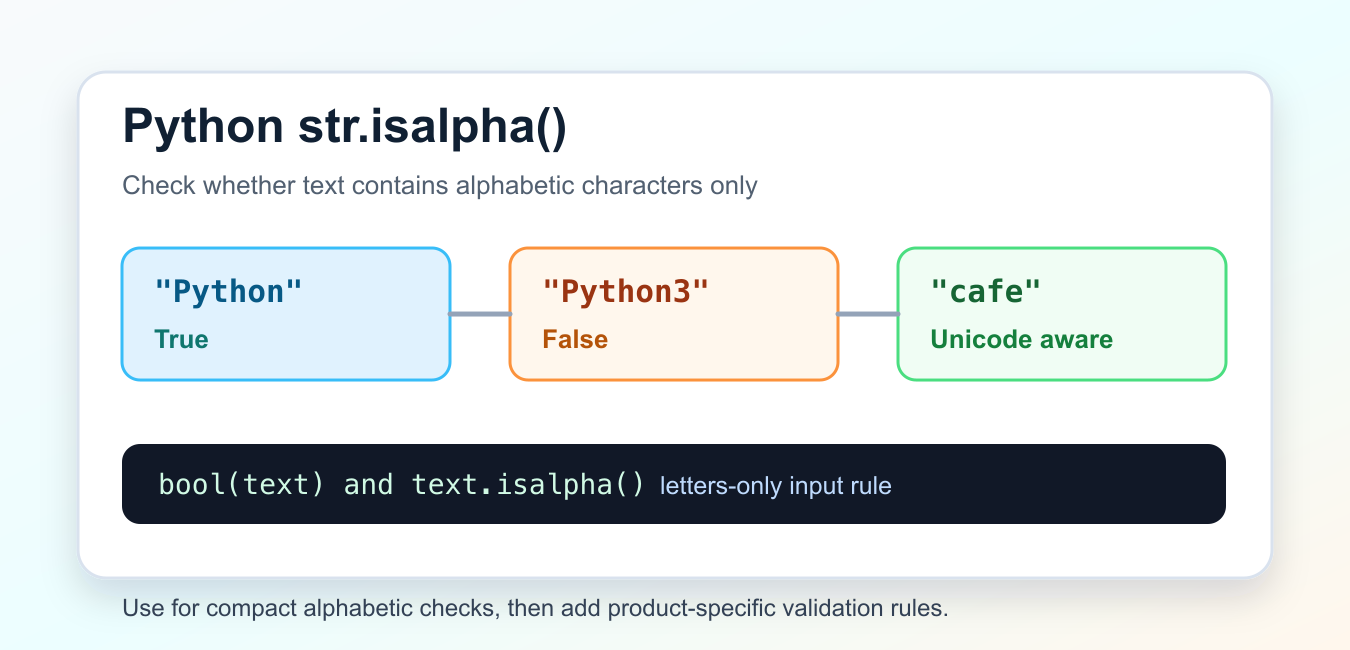
Use str.isalpha() for letter-only checks while handling Unicode, whitespace, separators, ASCII policies, and complete field validation.
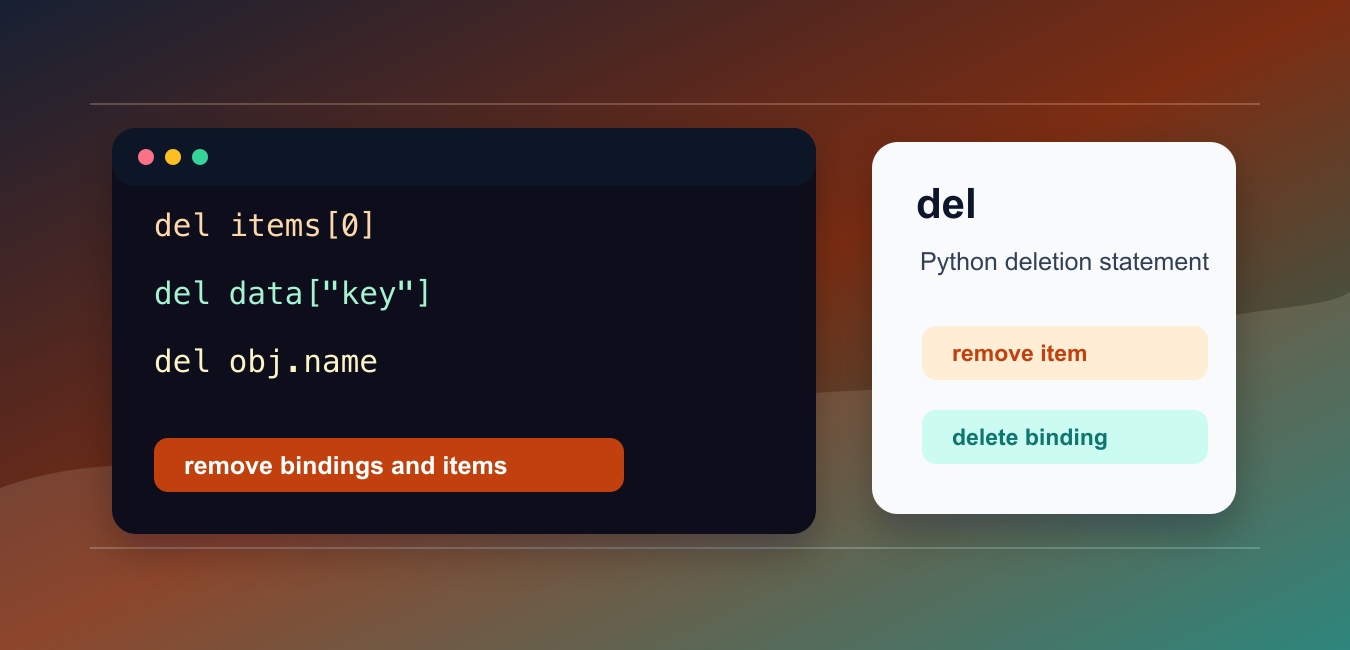
Use Python del to remove names, list items, dictionary keys, slices, and object attributes without confusing deletion with garbage collection.

Use ord() to read one Unicode code point, chr() to convert back, and explicit policies for alphabet positions, bytes, and whole strings.
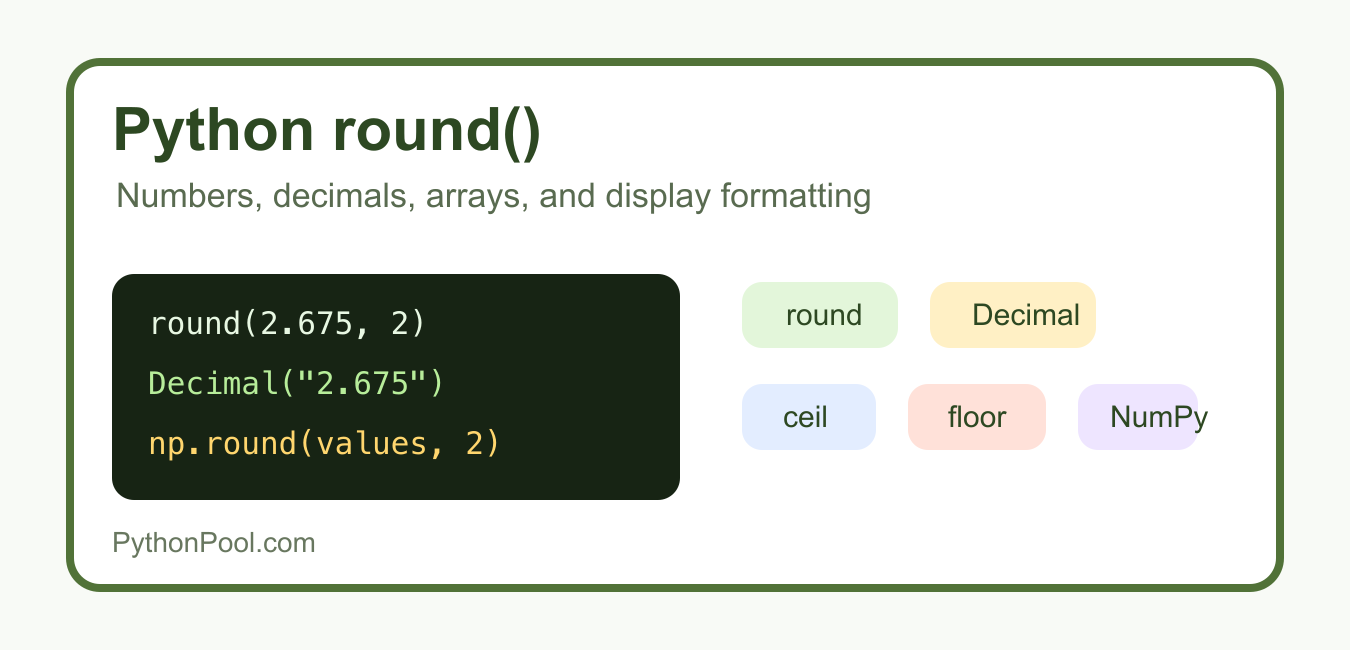
Understand Python round(), ndigits, ties-to-even, floating-point surprises, Decimal.quantize(), NumPy arrays, and display formatting.