Python Absolute Value: abs() with Numbers and Complex Values
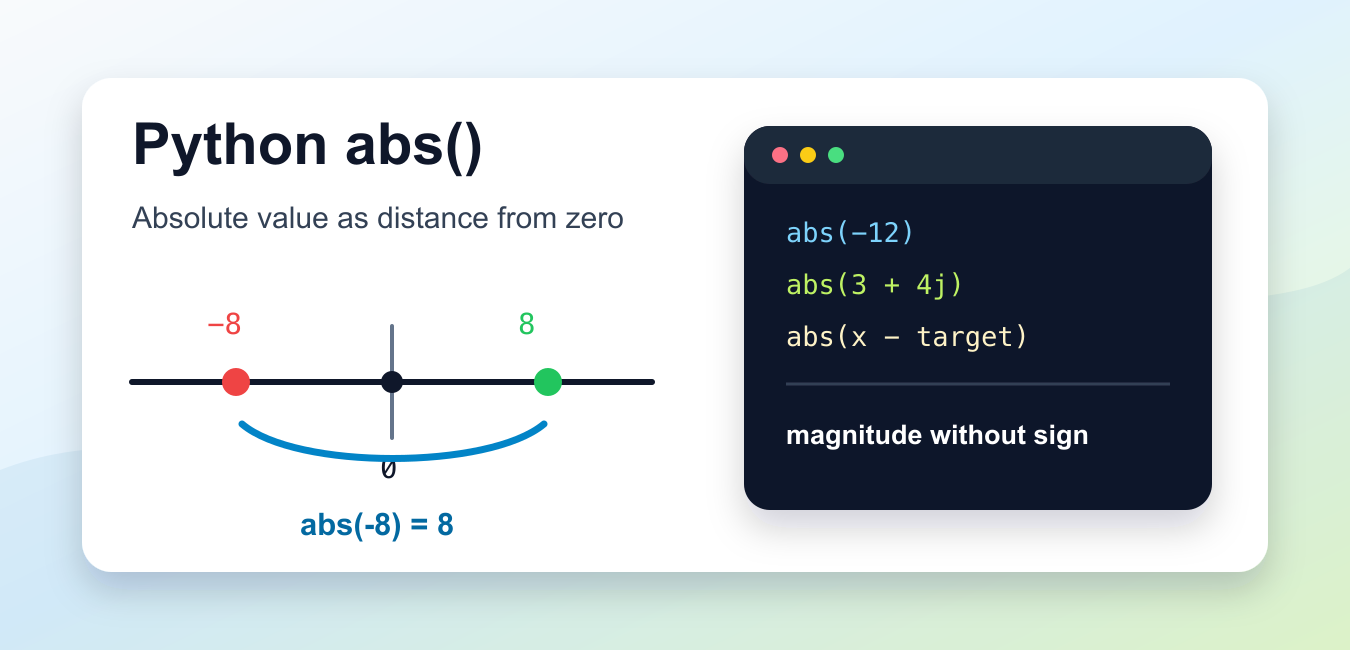
Use Python abs() for integers, floats, complex numbers, and custom objects, with practical examples and edge cases.
Browse Python tutorials for beginners and working developers, including syntax, libraries, examples, projects, and real problem-solving guides.
Use Python abs() for integers, floats, complex numbers, and custom objects, with practical examples and edge cases.
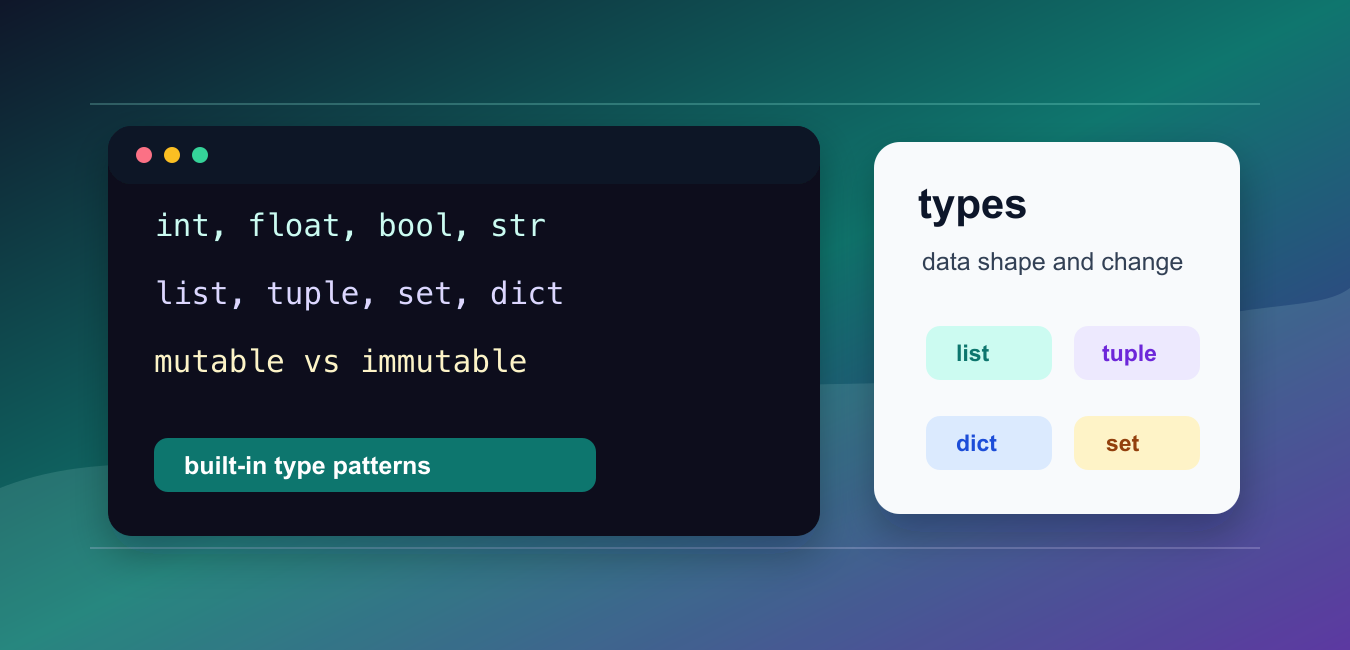
Learn Python data types through numbers, strings, booleans, None, lists, tuples, sets, dictionaries, mutability, identity, and practical type checks.
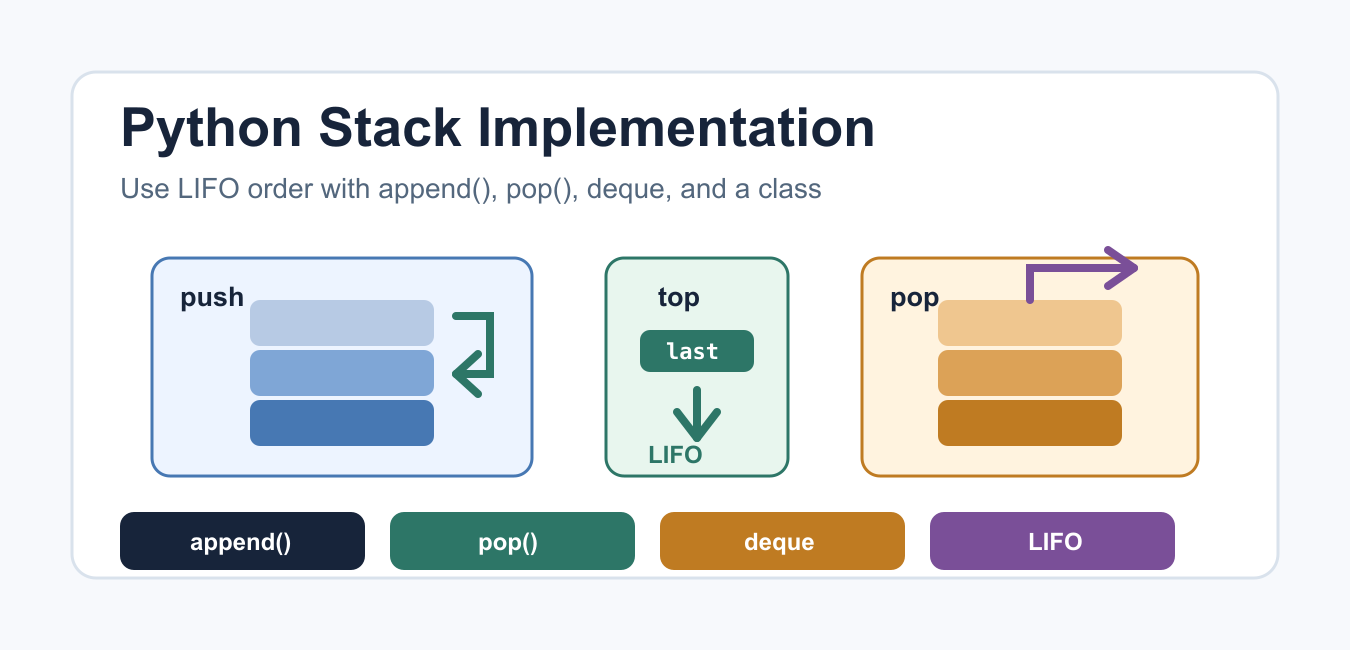
Implement a Python stack with list, collections.deque, or a class, and understand LIFO operations, underflow, and complexity.
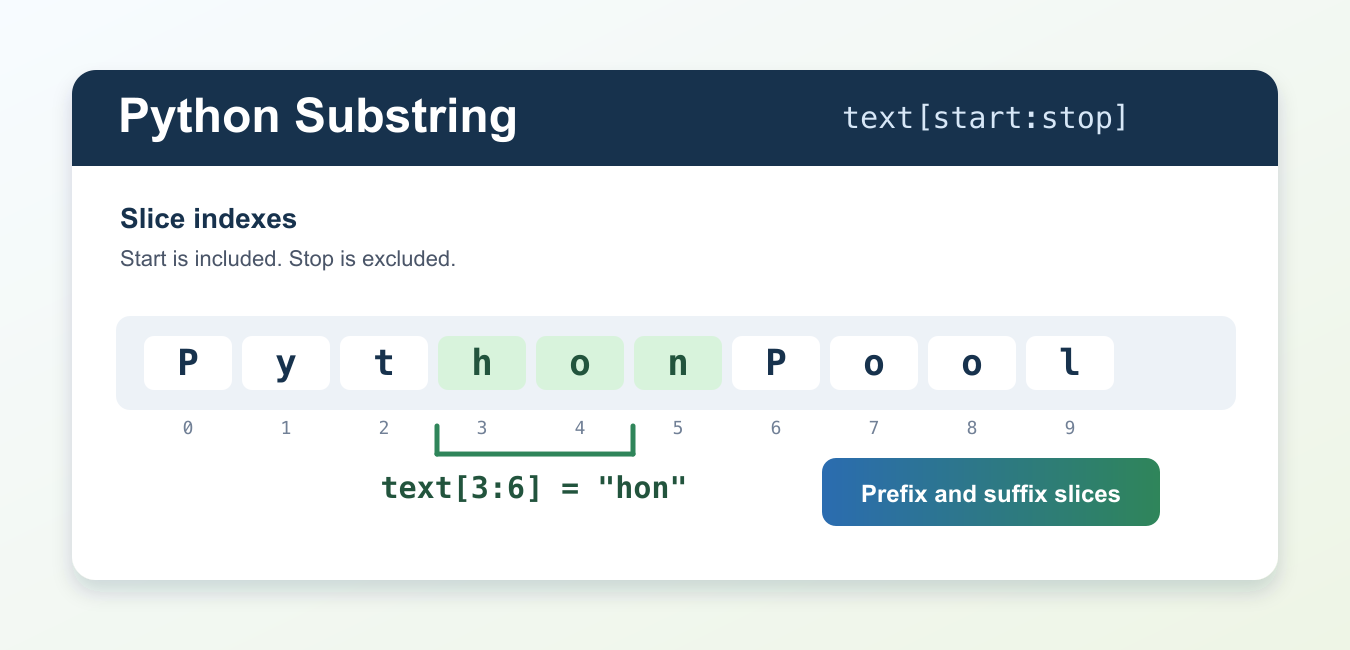
Extract and search Python substrings with slicing, in, find(), split(), and partition(), while avoiding boundary and Unicode mistakes.
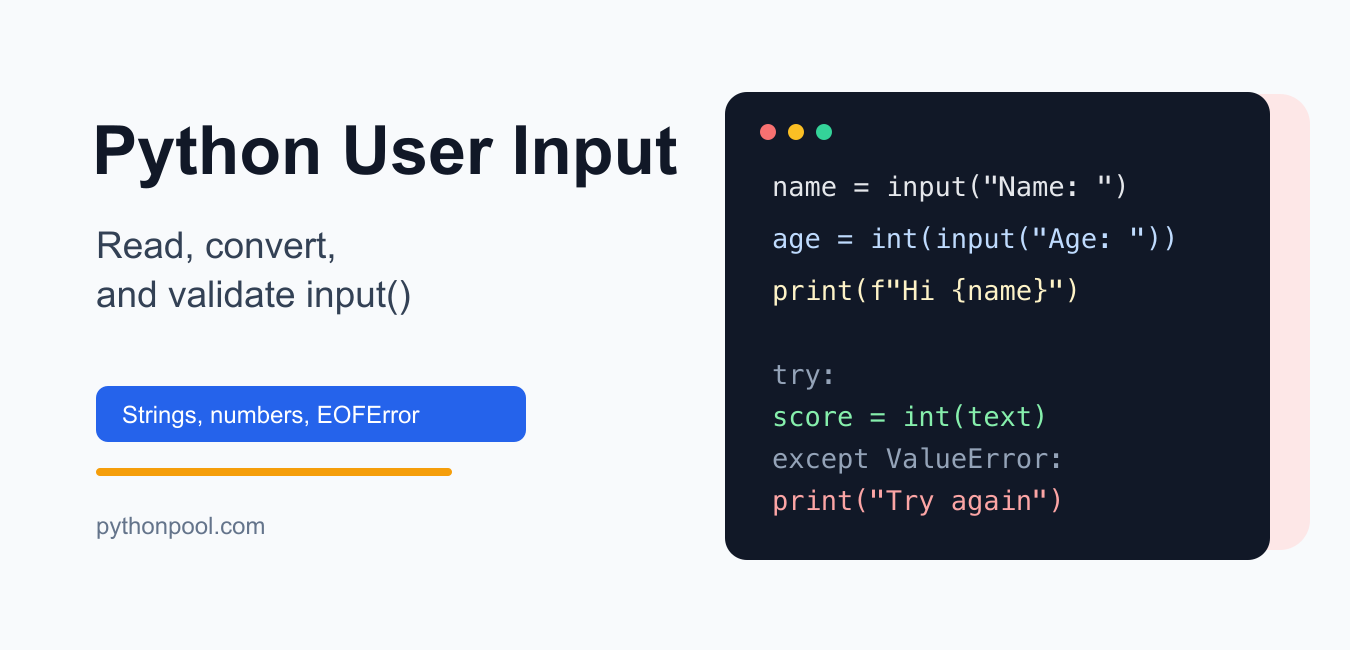
Use Python input() to read text, convert numbers, validate choices, handle EOFError, collect values, and hide passwords safely.
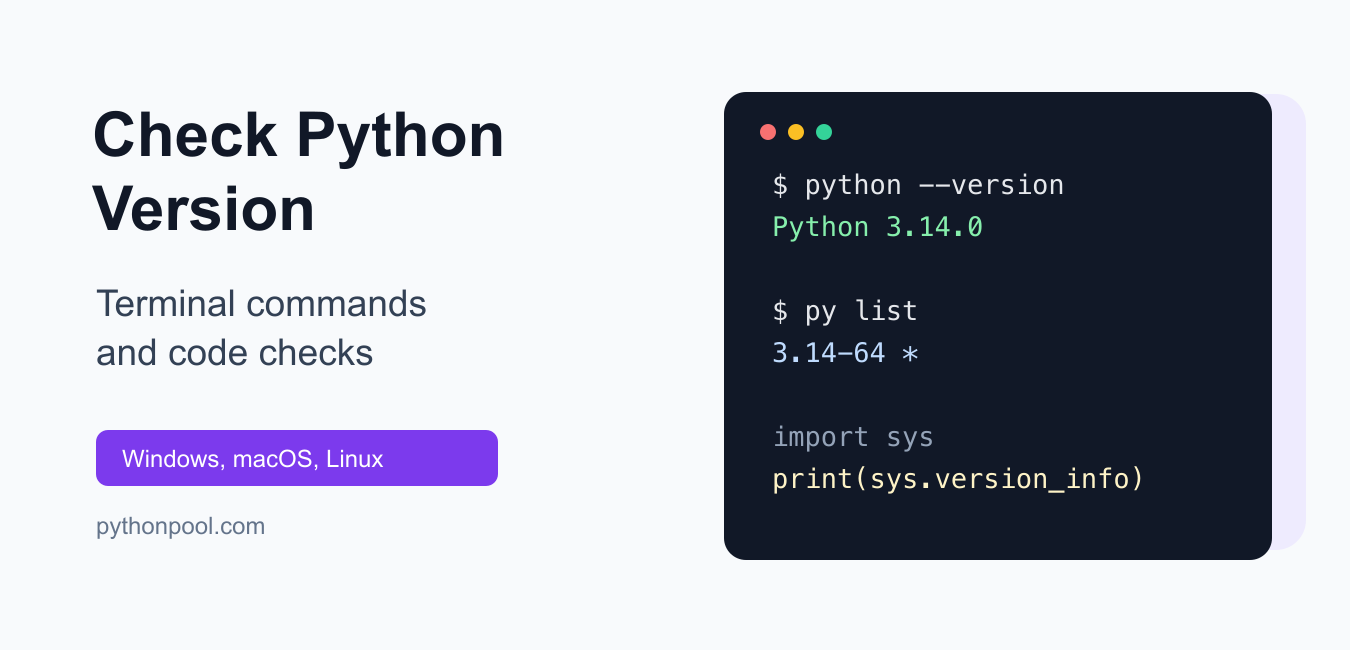
Check Python from a terminal or script, then compare sys.executable so multiple interpreters and virtual environments do not confuse diagnosis.
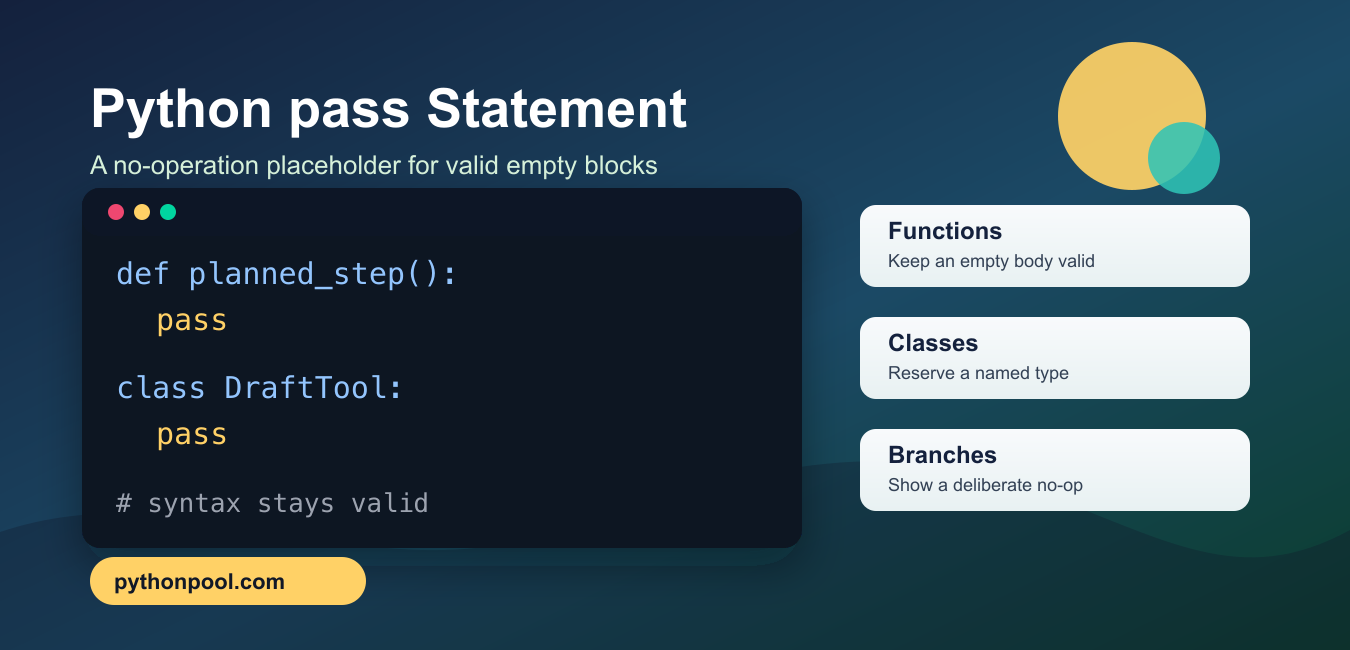
Use pass as an intentional no-op in Python while scaffolding functions, classes, branches, loops, and exception handlers without hiding unfinished behavior.
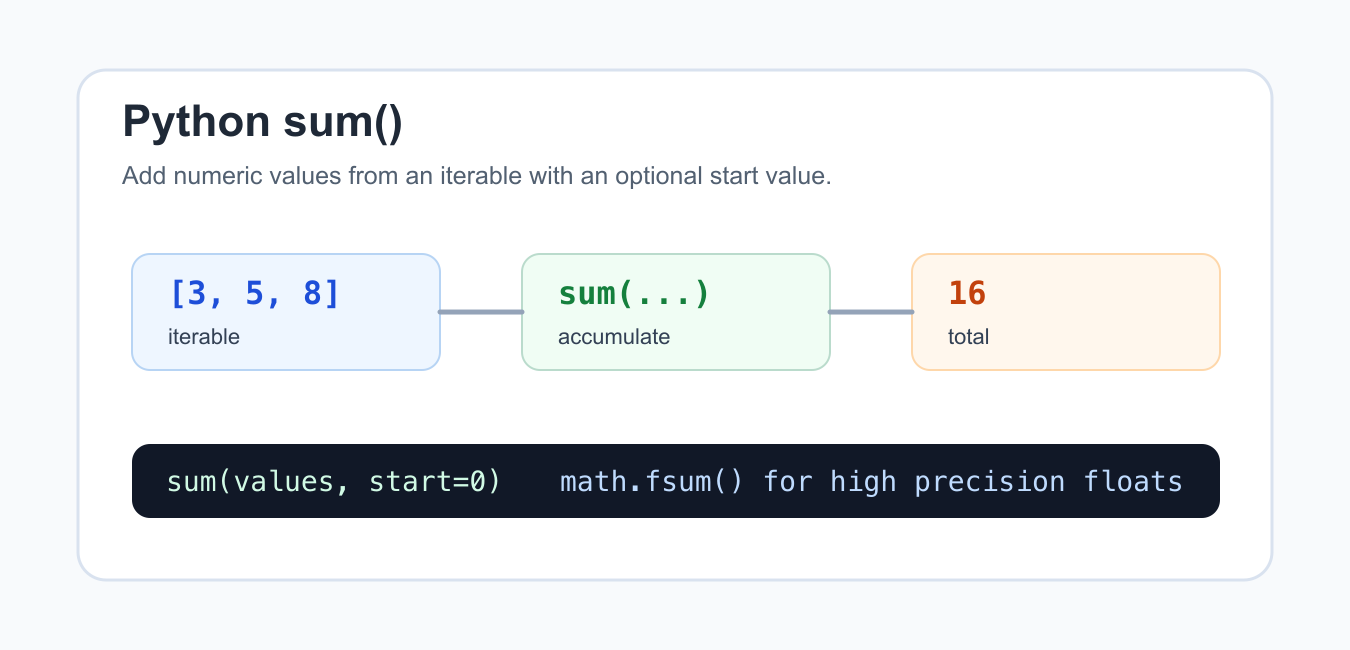
Use Python sum with iterables, start values, generators, booleans, and numeric data while avoiding string concatenation and unexpected empty results.

Use break to stop the nearest Python loop, handle not-found searches with loop else, and distinguish it from continue and return.

Remove duplicates from a Python list with set(), dict.fromkeys(), loops, custom keys, unhashable values, and order-preserving choices.